Essential Protocol to Quantify CBD Degradation Under Light

Investigating the protocol to quantify CBD degradation under light exposure is crucial for both experienced growers and first-time cannabis seed buyers. When CBD, a key compound in cannabis, is exposed to light, it can break down, which affects its effectiveness. This breakdown is a concern for anyone interested in the medicinal benefits of cannabis.
Various factors contribute to this degradation, such as the type of light, duration of exposure, and environmental conditions. By knowing these elements, you can optimize storage and enhance the longevity of your CBD products. This guide provides practical methods and insights, making it easier to navigate the complexities of CBD stability under light conditions. How fast it happens depends on the solvent and matrix behind CBD photodegradation, and the whole workflow fits neatly into ICH photostability testing adapted to cannabis.
Recommended Strains

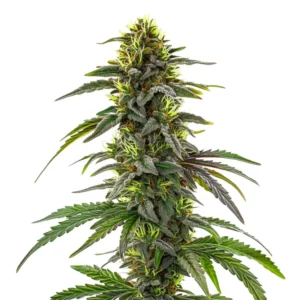
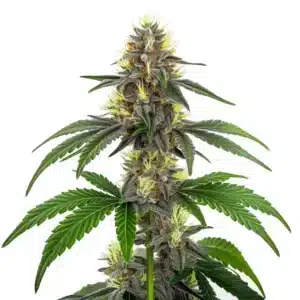
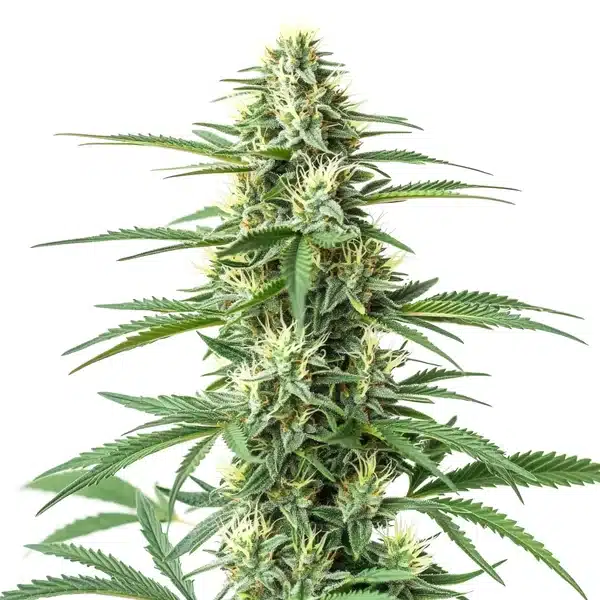
CBD Tangie (1:15)

|
CBD | 12% – 14% (Medium) |

|
Type | CBD Feminized |

|
Yield | Medium |

|
Phenotype | 50% Indica / 50% Sativa |
CBD Critical Mass (1:1)
|
|
CBD | 5% (Low) |
|
|
Type | CBD Feminized |
|
|
Yield | Medium |
|
|
Phenotype | 60% Indica / 40% Sativa |
Let’s dive into the details of measuring CBD breakdown in light. We’ll discuss practical steps and incorporate real-life examples from Blimburn Seeds, known for their high-quality strains. These insights will help maintain the integrity of your CBD products, ensuring you maximize their benefits.
Knowing CBD Degradation Under Light
CBD, or cannabidiol, is sensitive to environmental factors, especially light. When exposed to certain conditions, CBD can degrade, leading to reduced potency and effectiveness. This is particularly important for both growers and consumers who rely on the therapeutic properties of CBD.
The CBD degradation under light study has shown that both UV and visible light can trigger chemical changes in CBD. These changes can diminish the compound’s effectiveness, making it crucial to understand and mitigate these effects. By implementing a proper protocol to quantify CBD degradation under light exposure, you can ensure your products maintain their intended benefits.
Recent research highlights that prolonged light exposure accelerates the breakdown process, making it more challenging to preserve CBD’s therapeutic properties. This underscores the importance of implementing strategies that minimize light exposure, such as using UV-blocking films on storage containers or employing special lighting in grow operations. By proactively addressing these challenges, you enhance the stability of CBD products.
Furthermore, knowing the specific wavelengths of light that most affect CBD can help in designing better protective measures. Studies indicate that UV light, in particular, poses the greatest threat. Therefore, focusing on reducing UV exposure can be a key component of the protocol for CBD light degradation, ensuring your products remain potent and effective over time.
Promos & Deals

Steps in the Protocol for CBD Light Degradation
To effectively measure and analyze CBD light exposure effects, a systematic approach is essential. The first step involves selecting the right strains. Blimburn Seeds offers strains such as CBD Tangie, known for its resilience against environmental factors. This strain is an excellent choice for growers looking to minimize degradation risks.
After selecting your strains, you should conduct controlled experiments. Create environments with varying light conditions, such as UV and artificial lighting, to observe CBD stability. Documenting changes over time will provide insights into how different light exposures affect your CBD products.
Consistently monitoring and recording data during the experiments is crucial for a comprehensive CBD light exposure effects analysis. Tracking variables such as light intensity, duration, and temperature helps in knowing the complex interactions that lead to CBD degradation. These insights can be invaluable for optimizing product storage and usage guidelines.
An essential part of this protocol is to compare results across different strains and light conditions. By doing so, you can identify which strains offer the best stability under various lighting scenarios. This comparison not only aids in selecting the best strains from Blimburn Seeds but also in refining cultivation practices to enhance CBD product longevity.
Practical Examples of Measuring CBD Breakdown
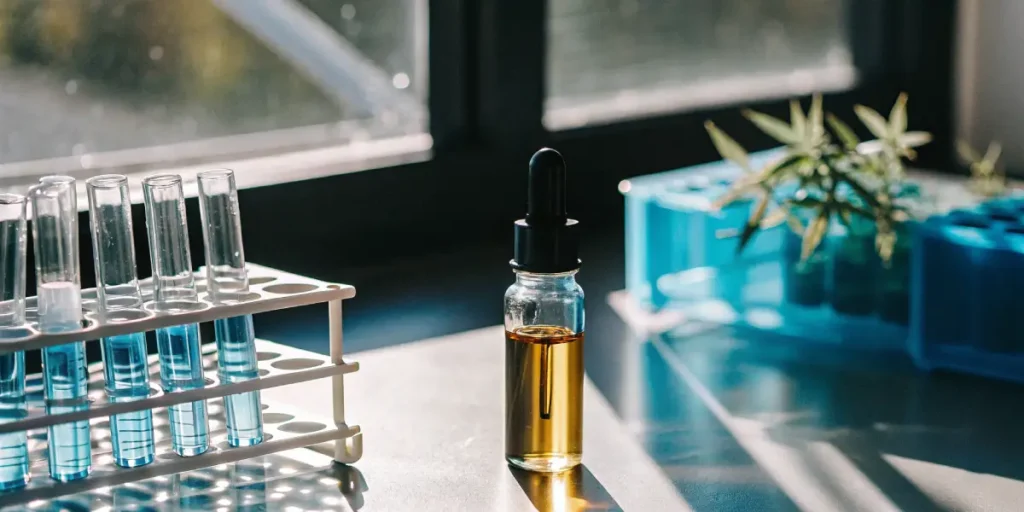
In a practical setting, growers often use specific tools to measure CBD degradation. One common method involves using spectrophotometers, which can detect changes in the chemical composition of CBD when exposed to light. These tools provide precise data, allowing you to adjust storage and exposure conditions effectively.
Another approach is to use controlled grow rooms. By adjusting light exposure and monitoring the results, growers can determine the optimal conditions for preserving CBD. For instance, the CBD Harlequin strain from Blimburn Seeds is often used in such studies due to its balanced CBD content.
Beyond tools and controlled environments, collaborating with research institutions can enhance the accuracy of measuring CBD breakdown in light. These partnerships can provide access to advanced analytical techniques and deeper insights into degradation mechanisms, further refining your protocol for CBD light degradation.
Additionally, practical examples from industry leaders demonstrate the value of real-world application. By sharing success stories and challenges encountered in CBD degradation under light study, a broader community can benefit, creating a collective knowledge base that enhances overall product quality and effectiveness.
Optimizing CBD Stability Under Light Conditions
Ensuring CBD stability under light conditions involves more than just choosing the right strains. Proper storage is equally important. Utilize dark, airtight containers to limit light exposure. This simple step can significantly enhance the shelf life of your CBD products.
Monitoring environmental conditions is also crucial. Maintain stable temperatures and humidity levels to further protect your CBD from degradation. This is particularly important for strains like CBD Critical Mass from Blimburn Seeds, which are highly valued for their therapeutic properties.
Innovative packaging solutions are emerging as effective methods to enhance CBD stability under light conditions. Employing materials that block harmful wavelengths can drastically reduce the risk of degradation. These advancements in packaging technology represent a significant step forward in maintaining product integrity.
Furthermore, integrating smart technology such as humidity and temperature sensors into storage systems can provide real-time data, allowing for immediate adjustments. This proactive approach ensures that your CBD products are consistently stored within optimal conditions, preserving their quality and therapeutic benefits.
FAQs about protocol to quantify CBD degradation under light exposure
What is the most effective way to prevent CBD degradation under light?
Preventing CBD degradation involves a combination of selecting robust strains and optimizing storage conditions. Using dark, airtight containers can significantly reduce light exposure. Additionally, maintaining consistent environmental conditions helps prevent chemical changes in CBD.
By choosing strains like CBD Tangie from Blimburn Seeds and implementing proper storage techniques, you can greatly minimize the risk of degradation. This ensures that your CBD products remain potent and effective for a longer duration.
Incorporating specialized coatings on storage containers can offer an additional layer of protection against light. These coatings can filter out specific wavelengths that contribute to degradation, further preserving CBD’s potency. This approach, combined with strategic selection of strains, enhances overall product resilience.
Regular audits of storage environments can also be beneficial. By periodically evaluating storage conditions and making necessary adjustments, you can maintain an optimal environment continuously. This strategy ensures that your CBD products are consistently protected from harmful light exposure.
How does light exposure affect CBD potency?
Light exposure, particularly UV rays, can cause CBD to break down, which reduces its potency. This chemical change affects the therapeutic properties of CBD, making it less effective over time. Knowing this impact is crucial for anyone looking to maintain the quality of their CBD products.
Implementing a protocol to quantify CBD degradation under light exposure allows you to identify and mitigate these effects. By doing so, you can preserve the potency of your CBD, ensuring it delivers the desired benefits to users.
When conducting a CBD light exposure effects analysis, it’s essential to consider the cumulative impact of light over time. Even brief exposures can contribute to overall degradation if repeated frequently. Recognizing this pattern helps in designing better storage and usage guidelines.
Additionally, the interaction between light exposure and other environmental factors, like temperature and humidity, can exacerbate degradation. Comprehensive studies that examine these combined effects provide deeper insights into maintaining CBD potency, which is vital for both producers and consumers.
Are there specific strains more resistant to light exposure?
Yes, some strains are more resilient to light exposure. For example, CBD Harlequin and CBD Critical Mass from Blimburn Seeds are known for their robust properties. These strains tend to maintain their potency better under varying light conditions.
Choosing such strains is advantageous for growers looking to produce high-quality CBD products. By selecting the right strains, you can reduce the impact of light exposure on CBD degradation, preserving its effectiveness.
Research into genetic variations among strains can uncover additional options that offer enhanced resistance to light. This ongoing study into CBD degradation under light can lead to the development of new strains specifically bred for resilience, providing more choices for growers.
Furthermore, knowing the genetic markers that contribute to light resistance can assist breeders in creating hybrids that combine desirable traits from multiple strains. This innovation in breeding practices promises to expand the range of robust CBD strains available in the market.
What tools are used to measure CBD degradation?
Growers and researchers often use spectrophotometers to measure CBD degradation. These devices can detect changes in CBD’s chemical structure, providing precise data on how light exposure affects the compound.
Using such tools as part of a protocol for CBD light degradation helps in knowing the extent of breakdown. This knowledge enables you to make informed decisions about storage and exposure, ensuring your CBD products remain effective.
Besides spectrophotometers, chromatographic techniques like HPLC (High-Performance Liquid Chromatography) are also employed to analyze CBD composition. These methods offer detailed insights into the chemical changes occurring during light exposure, aiding in a more comprehensive knowing.
Emerging technologies, such as non-destructive testing methods, allow for real-time monitoring of CBD degradation without compromising the sample. These advancements are paving the way for more efficient and accurate analysis, crucial for maintaining product quality.
How can I apply these insights to my CBD products?
Applying these insights involves selecting the right strains, optimizing storage conditions, and monitoring environmental factors. Strains like CBD Tangie and CBD Harlequin from Blimburn Seeds are excellent choices for minimizing degradation risks.
By implementing a thorough protocol to quantify CBD degradation under light exposure, you can ensure the longevity and potency of your CBD products. This approach not only benefits growers but also provides consumers with reliable, effective products that meet their needs.
Continual education and adaptation of best practices are essential for applying these insights effectively. Engaging with industry developments and scientific advancements ensures that your approach to managing CBD stability remains cutting-edge and effective.
Networking with other professionals and participating in forums can facilitate the exchange of ideas and strategies, enhancing your ability to implement successful protocols. This collaborative approach can result in innovative solutions that improve overall product quality and consumer satisfaction.