Essential Guide: Proven Metabolomic Changes in Infected Cannabis

Cannabis growers know the importance of maintaining plant health. But what happens at the metabolic level when plants face microbial infections? Knowing the metabolomic changes caused by microbial infection in cannabis plants is key, as these shifts can significantly impact overall health and yield. By identifying and analyzing these changes, growers can make more informed decisions and better manage their crops for optimal results.
Metabolomic changes caused by microbial infection in cannabis plants are complex. Microbes can alter the plant’s internal chemistry, leading to shifts in metabolites. These changes can affect the plant’s growth, resistance, and overall production. Knowing these shifts is key to improving cannabis cultivation practices.
Recommended Strains

Sour Diesel

|
THC | 22% - 25% (High) |

|
Type | Feminized |

|
Yield | High |

|
Phenotype | 30% Indica / 70% Sativa |

Blue Dream
|
|
THC | 17% - 24% (High) |
|
|
Type | Feminized |
|
|
Yield | High |
|
|
Phenotype | 50% Indica / 50% Sativa |
For instance, Blimburn Seeds offers strains like Blue Dream, which can be affected by these changes. Monitoring the metabolomic shifts in cannabis due to microbial infection helps in choosing the right strain for specific growing conditions. Recognizing these changes allows growers to take preventive or corrective actions.
Metabolomic Shifts in Cannabis Due to Microbial Infection
Microbial infections can cause a wide range of metabolomic shifts. These shifts are essentially changes in the levels of small molecules, or metabolites, within the cannabis plant. Metabolites are crucial for plant growth, development, and defense. When microbes invade, they can disrupt normal metabolic pathways, leading to shifts that can be detrimental or, in some cases, beneficial.
For example, certain microbial infections might lead to an increase in specific terpenes or cannabinoids. While this might sound appealing, it can also signal stress, which might reduce overall plant health. Choosing strains like Sour Diesel from Blimburn Seeds can help manage these shifts, as it is known for its resilience to stress.
Knowing these metabolomic shifts in cannabis due to microbial infection helps growers develop tailored cultivation strategies. By analyzing how different strains react to microbial stress, cultivators can select those best suited for their environmental conditions. Furthermore, these insights enable the development of breeding programs aimed at enhancing resistance to common pathogens.
Besides to strain selection, growers can adjust their nutrient management practices. Nutrient adjustments can bolster the plant’s innate defenses, reducing the severity of metabolomic changes caused by microbial infection in cannabis plants. By fine-tuning cultivation techniques, growers can mitigate the impact of infections and maintain high-quality yields.
Promos & Deals




Cannabis Plant Infection Metabolomic Profiling
Profiling the metabolomic changes caused by microbial infection in cannabis plants involves advanced analytical techniques. These techniques help in mapping out the metabolic pathways affected by the infection. One common method is mass spectrometry, which can identify and quantify metabolites in plant tissues.
Another technique is nuclear magnetic resonance (NMR) spectroscopy. This method provides detailed information about the molecular structure of metabolites. By using these tools, growers can obtain a comprehensive overview of the metabolic changes taking place in their plants.
Cannabis plant infection metabolomic profiling offers a window into the plant’s biochemical responses to stress. By examining these responses, researchers can better understand the plant’s defense mechanisms, leading to improved cultivation practices. This knowledge is invaluable in breeding programs focused on developing strains with enhanced resistance to microbial threats.
Moreover, metabolomic profiling can aid in the early detection of infections, allowing for timely interventions. Early identification of stress-related changes in metabolite levels enables growers to apply targeted treatments, potentially preventing the spread of infection and minimizing crop losses. This proactive approach is essential for maintaining healthy and productive cannabis crops.
Microbial Impact on Cannabis Metabolome
The impact of microbes on the cannabis metabolome can be significant. Microbes can induce stress responses, leading to increased production of certain secondary metabolites. These secondary metabolites include cannabinoids and terpenes, which are the compounds responsible for the plant’s aroma and effects.
For instance, a microbial infection might increase the levels of cannabidiol (CBD) or tetrahydrocannabinol (THC) in a plant. While this can enhance the plant’s therapeutic properties, it can also indicate an underlying issue that needs addressing. Strains like GG4 from Blimburn Seeds can show variations in metabolite levels when infected.
Knowing the microbial impact on the cannabis metabolome helps growers fine-tune their cultivation strategies. By recognizing which microbes trigger beneficial or detrimental changes, growers can select strains that naturally resist harmful pathogens while promoting desirable metabolite profiles. This strategic approach enhances both yield and plant health.
Besides, growers can implement integrated pest management practices to control microbial populations effectively. By maintaining a balanced ecosystem within the cultivation environment, it is possible to minimize the negative impacts of microbial infections. This holistic approach ensures the sustainability and productivity of cannabis crops.
Identifying Metabolic Changes in Infected Cannabis
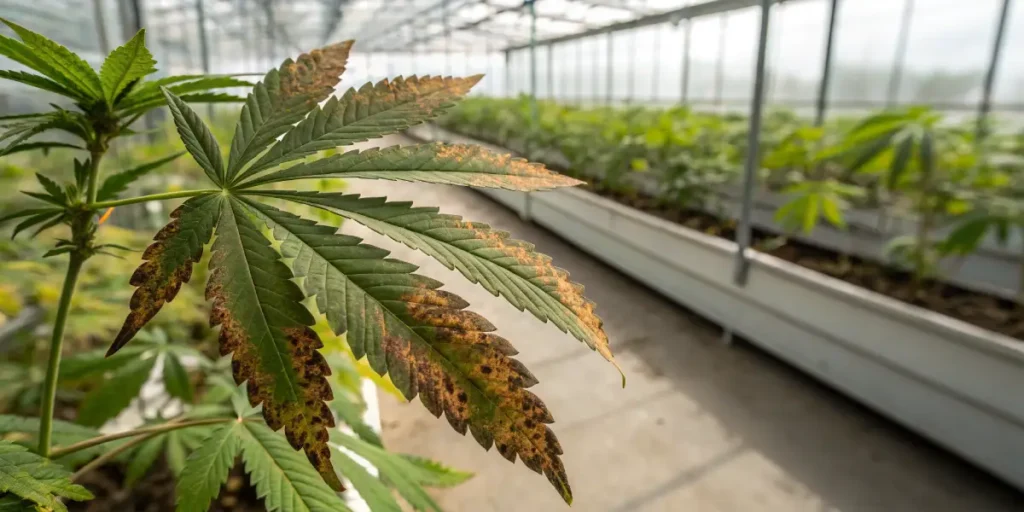
Identifying metabolic changes in infected cannabis involves both observation and analysis. Simple visual inspections can reveal signs of infection, such as discoloration or stunted growth. These physical changes often correlate with internal metabolic shifts.
Laboratory analysis provides deeper insights. By analyzing samples from infected plants, growers can pinpoint specific changes in metabolite levels. This information can guide targeted interventions to restore plant health and optimize yield.
Advanced techniques in identifying metabolic changes in infected cannabis involve the use of metabolomic profiling tools. These tools offer a detailed view of the biochemical alterations occurring within the plant, enabling precise diagnosis of stress factors. Such insights are pivotal for developing effective treatment plans that address the root cause of the infection.
Furthermore, combining observational data with laboratory findings allows for a comprehensive assessment of plant health. By correlating physical symptoms with metabolomic data, growers can refine their intervention strategies, ensuring that they address both the visible and invisible aspects of plant stress.
Cannabis Disease Metabolomic Analysis Techniques
Various techniques are employed in cannabis disease metabolomic analysis. Gas chromatography-mass spectrometry (GC-MS) is one such technique, offering precise identification of volatile compounds. This method is particularly useful for analyzing terpenes and other aromatic compounds.
Liquid chromatography-mass spectrometry (LC-MS) is another powerful tool. It is used to identify a broader range of metabolites, including non-volatile compounds. This technique helps in knowing the full spectrum of metabolic changes.
These cannabis disease metabolomic analysis techniques are crucial for acquiring a comprehensive knowing of the plant’s health status. By employing a combination of GC-MS and LC-MS, researchers can capture a detailed snapshot of the plant’s metabolomic shifts in response to microbial infection.
Moreover, integrating these techniques with bioinformatics tools enhances the interpretation of complex data sets. This interdisciplinary approach facilitates the identification of biomarkers associated with specific microbial infections, paving the way for the development of targeted therapeutic strategies.

FAQs about metabolomic changes caused by microbial infection in cannabis plants
What are metabolomic changes in cannabis due to microbial infection?
Metabolomic changes refer to alterations in the levels of metabolites within the cannabis plant caused by microbial infections. These changes can affect the plant’s growth, health, and productivity. By knowing these changes, growers can better manage their crops to enhance yield and quality.
Microbial infections can disrupt normal metabolic pathways, leading to shifts that can be detrimental or beneficial. Identifying these changes helps in choosing the right intervention strategies to maintain plant health.
Addressing metabolomic changes caused by microbial infection in cannabis plants requires a nuanced knowing of the plant’s biochemistry. By recognizing the specific pathways affected, growers can implement precise interventions that target the underlying issues, ensuring robust plant health and optimal yields.
Furthermore, continuous research into the interplay between microbial infections and metabolomic shifts in cannabis due to microbial infection remains essential. This ongoing exploration will refine existing cultivation practices, ultimately leading to more resilient cannabis strains and improved crop management techniques.
How can I profile metabolomic changes in my cannabis plants?
Profiling metabolomic changes involves using analytical techniques like mass spectrometry and nuclear magnetic resonance spectroscopy. These tools help in identifying and quantifying metabolites in plant tissues. By mapping out the affected metabolic pathways, growers can gain insights into the plant’s health status.
Regular monitoring and analysis are crucial for detecting early signs of infection. This information can guide targeted interventions to restore plant health and optimize yield.
Implementing a routine schedule for cannabis plant infection metabolomic profiling can greatly enhance a grower’s ability to manage crop health. By establishing a baseline of metabolomic data, deviations caused by microbial infections can be quickly identified and addressed.
Additionally, collaborating with laboratories that specialize in cannabis disease metabolomic analysis techniques allows for access to cutting-edge technology and expertise. This partnership ensures that growers have the most accurate and up-to-date information available for making informed cultivation decisions.
What impact do microbes have on the cannabis metabolome?
Microbes can significantly impact the cannabis metabolome by inducing stress responses. This can lead to increased production of secondary metabolites such as cannabinoids and terpenes. While this might enhance the plant’s properties, it can also signal underlying health issues that need addressing.
Knowing microbial impact helps growers make informed decisions about crop management. Whether enhancing the plant’s natural defenses or applying specific treatments, recognizing these impacts is crucial.
The microbial impact on the cannabis metabolome is a dynamic interaction that requires careful management to optimize plant health. By studying these interactions, growers can develop strategies that minimize negative effects while leveraging any beneficial stress responses for improved yield and quality.
For example, certain beneficial microbes can be introduced to the cultivation environment to promote positive metabolomic changes. This biocontrol strategy can reduce the prevalence of harmful pathogens, creating a supportive environment for cannabis growth and development.
Which Blimburn Seeds strains are resilient to microbial infections?
Blimburn Seeds offers several strains that demonstrate resilience to microbial infections. For example, Blue Dream, Sour Diesel, and GG4 are known for their robust growth and resistance to stress. Choosing these strains can help manage metabolomic changes caused by microbial infections.
These strains are popular among growers for their ability to maintain health and yield, even in challenging growing conditions. Regular monitoring and appropriate interventions further enhance their resistance.
Selecting strains from Blimburn Seeds that are resilient to microbial infections is a proactive measure to safeguard crops against potential metabolomic shifts in cannabis due to microbial infection. These strains offer a stable foundation for cultivation, reducing the risks associated with pathogen exposure.
Moreover, by incorporating these resilient strains into breeding programs, growers can develop new varieties with enhanced resistance. This continuous cycle of selection and breeding ensures a robust genetic pool, capable of withstanding diverse microbial challenges.
Can microbial infections increase cannabinoid levels in cannabis plants?
Microbial infections can sometimes lead to increased levels of cannabinoids like CBD and THC. This is due to the plant’s stress response, which can enhance the production of these compounds. However, it’s essential to address the underlying infection to maintain overall plant health.
While higher cannabinoid levels might seem beneficial, they can also indicate stress that could affect long-term plant productivity. Monitoring and managing these changes ensures healthy, high-yielding crops.
Although the potential increase in cannabinoid levels can be seen as an advantage, it is crucial to understand the context of these changes. Metabolomic changes caused by microbial infection in cannabis plants can indicate a need for immediate intervention to prevent further stress-related damage.
By employing comprehensive monitoring systems, growers can differentiate between beneficial stress responses and those that require corrective action. This balance is key to maintaining both the quality and longevity of cannabis crops.