Proven Photostability Testing for Cannabis Products: Expert Guide

Photostability testing for cannabis products is crucial in ensuring their quality and potency are preserved over time. By conducting these tests, producers can determine how different light conditions affect their products. This is especially important for maintaining the efficacy of cannabinoids and terpenes.
Cannabis products, like oils and edibles, are highly sensitive to light. Exposure to UV rays can degrade the active compounds, reducing their effectiveness. This kind of testing helps in setting the right packaging and storage standards.
Recommended Strains
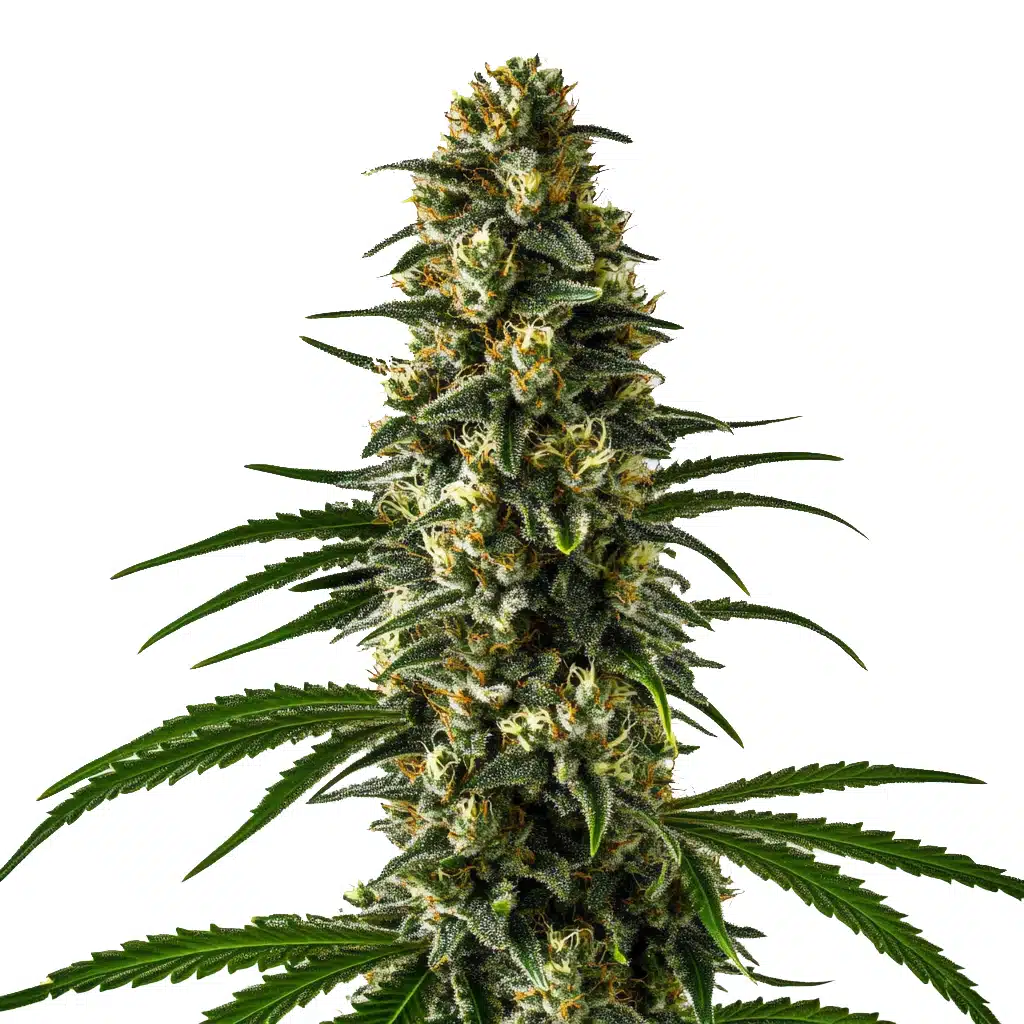
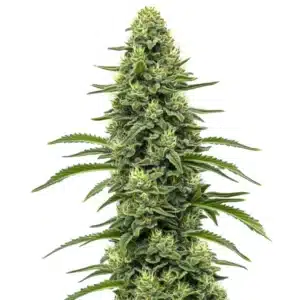
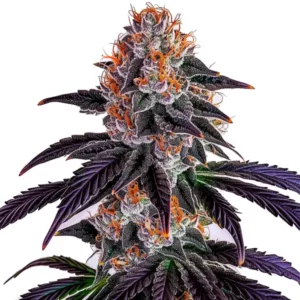
Girl Scout Cookies

|
THC | 18% - 25% (High) |

|
Type | Feminized |

|
Yield | High |

|
Phenotype | 60% Indica / 40% Sativa |

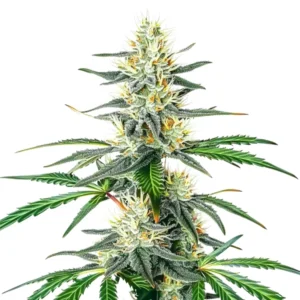
Blue Dream
|
|
THC | 17% - 24% (High) |
|
|
Type | Feminized |
|
|
Yield | High |
|
|
Phenotype | 50% Indica / 50% Sativa |
Blimburn Seeds offers strains like Blue Dream, which are popular for their rich cannabinoid profiles. Knowing photostability is key to ensuring strains like these maintain their desired effects when reaching consumers.
Why Photostability Testing Matters
Photostability testing protocols for cannabis ensure that products do not lose their potency when exposed to light. Light can cause chemical reactions that alter the composition of cannabinoids. This affects both the product’s efficacy and shelf life.
Consider a bottle of cannabis oil. If not properly packaged, light exposure can degrade its quality. This is where photostability assessments come into play. They help determine the best packaging solutions to protect the product.
Without rigorous photostability testing for cannabis products, consumers might receive items that fall short of their expectations. Producers like those at Blimburn Seeds are dedicated to maintaining high standards, which includes knowing how light interacts with their offerings.
The absence of proper testing can lead to significant economic losses for producers as weakened products may not sell well. Implementing these assessments helps in creating more sustainable production processes and customer satisfaction.
Promos & Deals

Conducting a Cannabis Product Light Exposure Stability Study
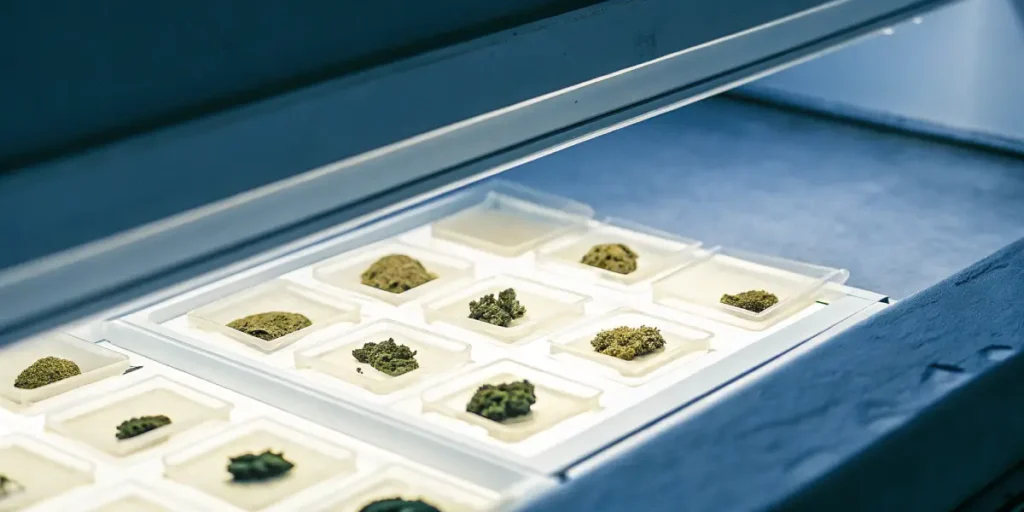
A light exposure stability study involves placing a cannabis product under various light conditions to observe changes over time. The goal is to identify how quickly and severely light affects the product.
For instance, Girl Scout Cookies from Blimburn Seeds is a strain known for its potent effects. Testing its extracts under light conditions can provide insights into preserving its quality during storage and transportation.
Such a study typically includes both controlled laboratory settings and real-world environments to give a comprehensive knowing of product stability. This dual approach ensures that the findings are robust and applicable in practical scenarios.
By conducting a thorough cannabis product light exposure stability study, producers can make data-driven decisions about packaging and storage that will prolong product shelf life and maintain customer satisfaction.
Steps in Photostability Testing
First, select the cannabis product to be tested. It could be an oil, tincture, or even a dried flower. Ensure the product is from a reliable source like Blimburn Seeds for consistency.
Next, expose the product to controlled light conditions. This can include UV light, natural sunlight, or fluorescent lights. The aim is to mimic real-world scenarios.
Subsequent steps involve meticulously recording any changes in the product’s characteristics, such as shifts in color or reductions in cannabinoid content. This documentation is critical for developing effective preservation strategies.
Finally, evaluate the long-term impacts observed during the testing period. Knowing these effects can guide future formulation improvements and refine packaging solutions to enhance photostability.
Packaging Solutions for Enhanced Photostability
After conducting photostability assessments, it’s crucial to choose the right packaging. Dark or opaque bottles are often recommended for oils and tinctures. These prevent UV light from penetrating and degrading the product.
For strains like OG Kush, known for its rich cannabinoid content, using vacuum-sealed bags can help maintain freshness. This packaging limits light exposure and helps in preserving the strain’s potency.
Innovative packaging solutions, such as using laminated films with UV filters, can also offer effective protection. These materials can significantly slow down the degradation process caused by exposure to light.
By investing in advanced packaging technologies, producers can ensure their cannabis products retain their intended therapeutic benefits, offering a superior experience to consumers.
Photostability Assessment for Cannabinoid Formulations
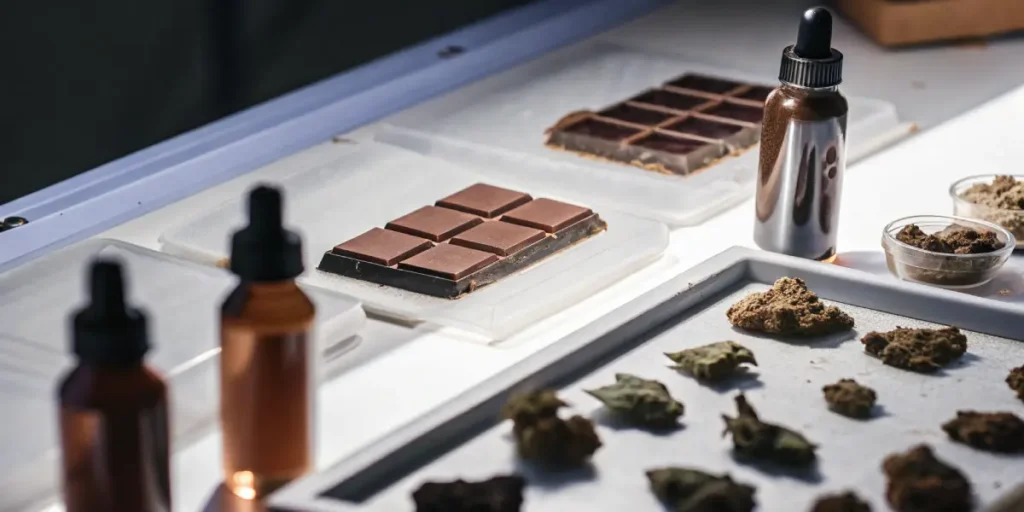
Cannabinoid formulations require careful assessment to ensure their stability under light conditions. These formulations can include oils, capsules, and creams.
A practical example is assessing a cannabis cream. After a photostability test, if the cream retains its texture and potency, it’s deemed stable. Otherwise, adjustments in formulation or packaging may be necessary.
Photostability assessment for cannabinoid formulations not only helps in maintaining their therapeutic properties but also ensures compliance with industry regulations, thereby enhancing marketability.
Producers who consistently conduct these assessments can differentiate their products by guaranteeing quality and efficacy, thereby building stronger brand loyalty among consumers.
Cannabis Extract Degradation Under Light Conditions
When cannabis extracts are exposed to light, they can degrade, losing their potency and effectiveness. This degradation is something producers want to avoid to ensure customer satisfaction.
For example, a CBD oil left in direct sunlight can lose its effectiveness over time. By testing its photostability, producers can recommend proper storage instructions to consumers.
Knowing cannabis extract degradation under light conditions allows producers to educate consumers effectively, empowering them to make informed decisions about product storage.
Research in this area also helps in advancing packaging innovations, offering better protection and extending the usable life of cannabis products in various markets.
FAQs about photostability testing for cannabis products
How does UV light impact cannabis product shelf life?
UV light can significantly reduce the shelf life of cannabis products. It causes chemical changes in cannabinoids, impacting their potency and flavor. For example, a cannabis-infused oil left on a sunlit windowsill may lose its strength within weeks.
To enhance shelf life, it’s crucial to store products away from direct light. Using UV-protective packaging can also help in extending the product’s usability period.
Producers like Blimburn Seeds emphasize the importance of knowing the UV light impact on cannabis product shelf life, as it directly correlates with the overall user experience.
Maintaining consistent potency and flavor through effective storage solutions ultimately leads to increased consumer trust and repeat purchases.
What are some photostability testing protocols for cannabis?
Protocols typically involve exposing products to controlled light sources and documenting the changes. This may include UV light, sunlight, and artificial lighting to simulate real-world conditions.
After exposure, products are analyzed for changes in potency, color, and smell. These findings help in developing better packaging and storage solutions.
Effective photostability testing protocols for cannabis are vital in maintaining product integrity across different environmental conditions, ensuring quality from production to consumption.
These protocols enable producers to align their practices with industry standards, thereby enhancing product credibility and consumer confidence.
Can photostability testing help improve product packaging?
Yes, photostability testing is essential in developing effective packaging solutions. By knowing how light affects products, producers can choose materials that offer better protection.
For cannabis oils, using dark glass bottles with UV filters can prevent light-induced degradation, ensuring the product remains potent and effective for a longer time.
Photostability testing for cannabis products provides valuable insights that can lead to groundbreaking packaging designs, ultimately preserving the product’s quality and extending shelf life.
In an ever-evolving market, staying ahead with superior packaging strategies not only protects the product but also enhances brand value and competitive advantage.
Why is photostability assessment for cannabinoid formulations important?
Cannabinoid formulations need stability to maintain their therapeutic benefits. Photostability assessments help in identifying vulnerable formulations and improving their resilience to light exposure.
This is crucial for products like CBD creams and oils that require consistent potency for effectiveness. Ensuring these products are stable enhances consumer trust and satisfaction.
Conducting regular photostability assessment for cannabinoid formulations ensures that products meet the high standards expected by consumers and regulatory bodies alike.
This process not only safeguards the therapeutic integrity of the products but also reinforces a brand’s reputation as a reliable source for quality cannabis solutions.
What practical examples exist for cannabis extract degradation under light?
Consider a bottle of cannabis tincture that changes color after sitting under a lamp for a week. This indicates degradation, which reduces the product’s effectiveness.
By conducting photostability tests, producers can provide better storage guidelines to prevent such degradation, ensuring the product remains effective for its intended use.
Knowing the nuances of cannabis extract degradation under light conditions helps in formulating robust strategies to combat and mitigate these effects.
Through comprehensive testing and data analysis, producers can enhance product resilience, thereby ensuring that consumers receive the highest quality cannabis products available.