Proven HPLC Method for Measuring THC Degradation: Expert Guide

High-performance liquid chromatography (HPLC) is a trusted technique for measuring THC degradation, ensuring the quality and efficacy of cannabis products. For growers and enthusiasts, knowing the nuances of THC degradation is vital in maintaining the potency of cannabis strains over time. By leveraging the HPLC method for measuring THC degradation, one can detect even the smallest changes in THC levels, ensuring that your products maintain their desired effects.
THC, or tetrahydrocannabinol, naturally degrades over time due to various factors like light, temperature, and oxygen exposure. This degradation can affect the potency of cannabis products. The HPLC method for THC degradation analysis offers an efficient way to monitor these changes, providing accurate data that can help in optimizing growing and storage conditions for maximum potency. The same analytical logic extends to cannabidiol through a protocol to quantify CBD degradation under light, where the solvent and matrix strongly shape CBD photodegradation.
Recommended Strains

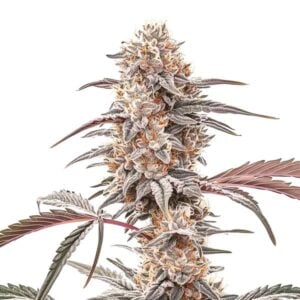
Blue Dream

|
THC | 17% - 24% (High) |

|
Type | Feminized |

|
Yield | High |

|
Phenotype | 50% Indica / 50% Sativa |
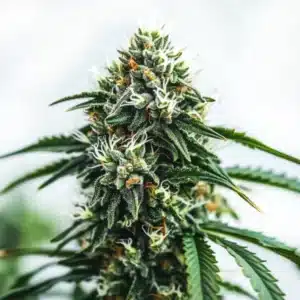
Girl Scout Cookies
|
|
THC | 18% - 25% (High) |
|
|
Type | Feminized |
|
|
Yield | High |
|
|
Phenotype | 60% Indica / 40% Sativa |
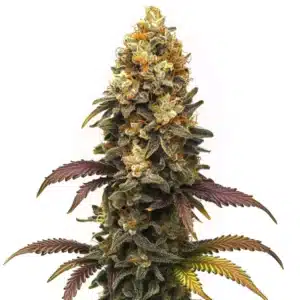
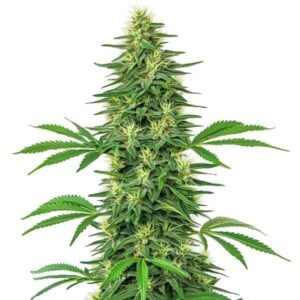
Strains such as Blue Dream, offered by Blimburn Seeds, are known for their high THC content. For first-time buyers and seasoned growers, using the HPLC method for measuring THC degradation with these strains ensures that you are getting the most out of your cannabis investment. With accurate readings, you can adjust and refine your cultivation practices to maintain the high-quality standards you’ve set.
How HPLC Works in THC Degradation Analysis
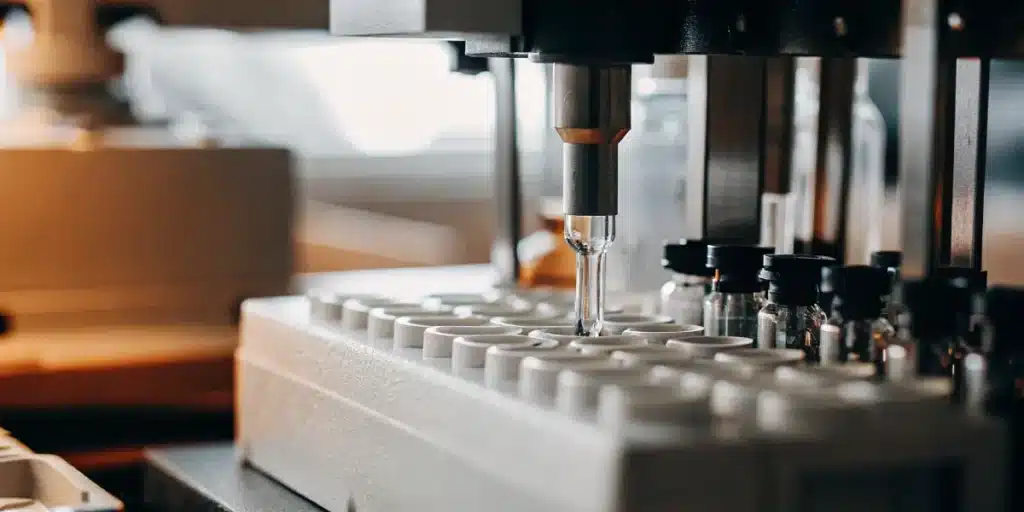
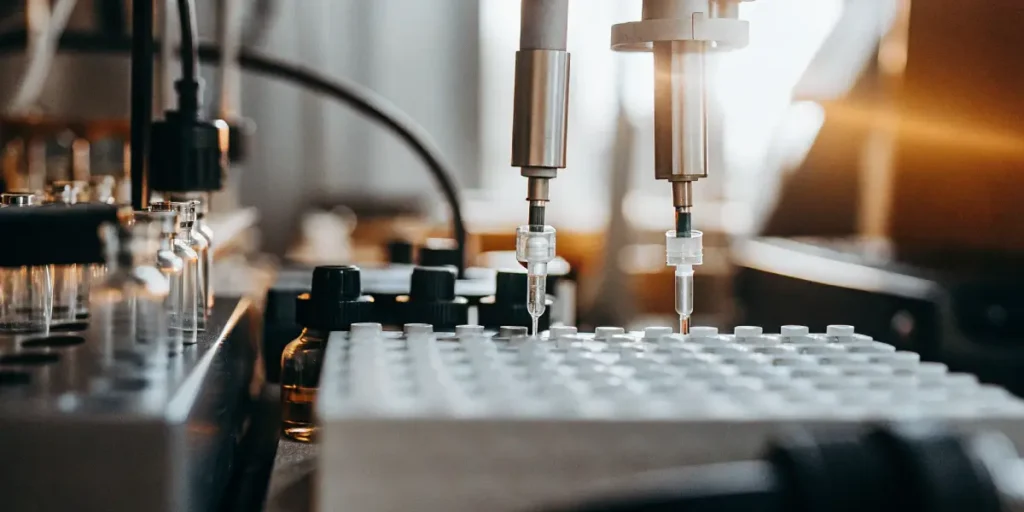
The HPLC method for THC degradation analysis works by separating the individual components of a cannabis sample. Using a liquid solvent, the sample is pushed through a column filled with a solid adsorbent material. As the cannabis compounds travel through the column, they separate based on their interactions with the adsorbent material.
Once separated, these compounds are detected by a specialized instrument, which provides a detailed readout of the concentration levels. This process is incredibly effective for a THC degradation study using HPLC. It allows for precise measurement of THC levels over time, helping growers understand how factors like light and temperature impact their products.
Besides to monitoring THC levels, the HPLC method can also detect the presence of degradation products, which are crucial for knowing the complete breakdown process of cannabis compounds. This comprehensive approach gives researchers and growers the tools to refine their cultivation methods, ensuring that each harvest reaches its maximum potential.
The high-performance liquid chromatography THC degradation technique is adaptable to different cannabis strains and products. This flexibility is essential for researchers aiming to develop new cannabis varieties or optimize existing ones. By continuously monitoring the degradation process, growers can make informed adjustments to enhance the stability and efficacy of their products.
Promos & Deals
Optimizing HPLC for THC Degradation Detection
To get the most accurate results from the HPLC method for measuring THC degradation, it’s essential to optimize the process. Start by selecting the right column and solvent for your analysis. The column should be chosen based on the specific compounds you want to measure, while the solvent should be compatible with the sample.
Calibration is another critical step. By running known standards through your HPLC system, you can create a baseline for comparison. This is especially important when measuring THC degradation, as it ensures that your readings are accurate and reliable. Regular calibration helps maintain the integrity of your analysis over time.
Fine-tuning the parameters such as flow rate, temperature, and detection wavelength can greatly enhance the precision of the HPLC method for THC degradation analysis. Each parameter should be adjusted according to the specific requirements of the sample and the desired sensitivity of the detection.
Implementing a stability testing THC degradation HPLC method protocol can further improve the accuracy of your results. This involves conducting repeated tests under controlled conditions to verify the consistency and reliability of the HPLC setup. By doing so, you ensure that your method is robust and can be trusted to provide dependable data for decision-making.
Real-Life Applications of HPLC in Cannabis Cultivation
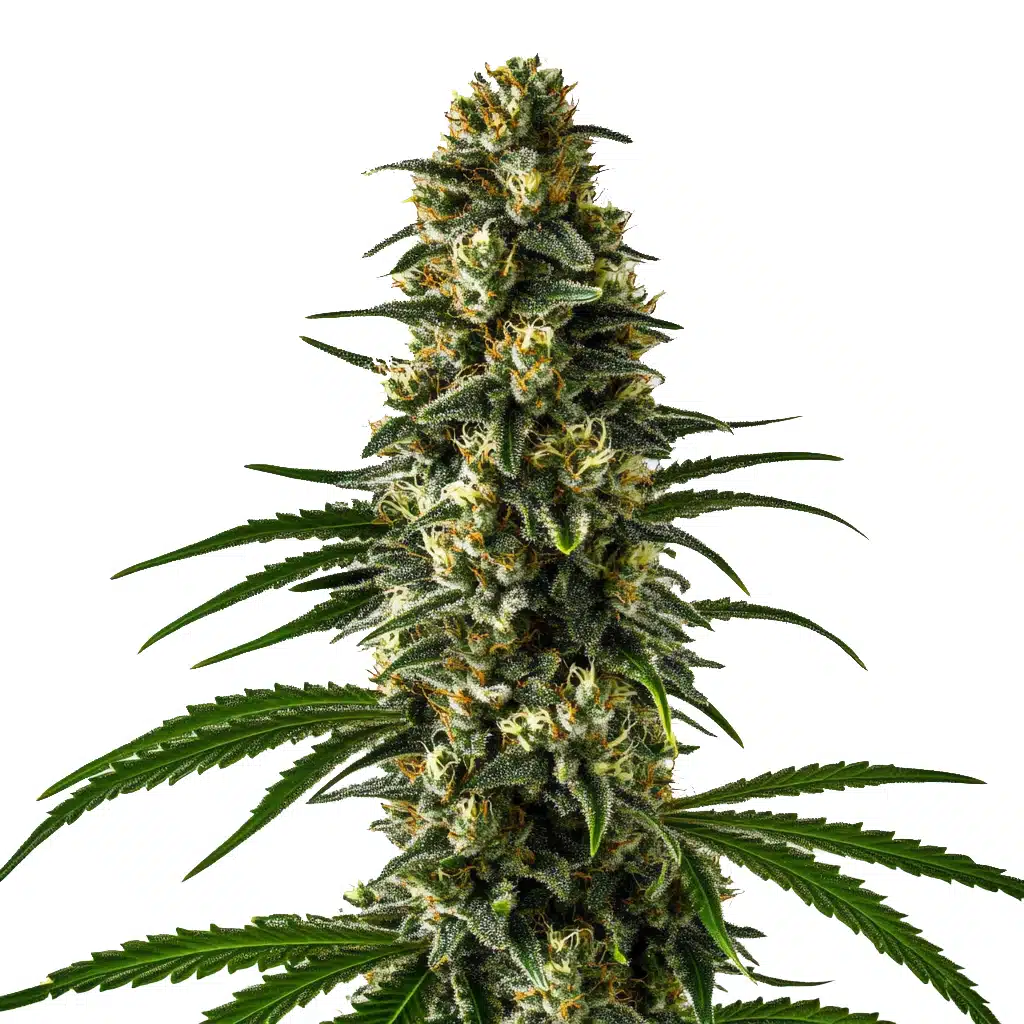
For growers of strains like Girl Scout Cookies from Blimburn Seeds, the HPLC method for THC degradation is a game-changer. By regularly testing THC levels, growers can make informed decisions about harvest times, ensuring that their plants are picked at peak potency. This not only maximizes the effects of the strain but also enhances customer satisfaction.
Stability testing THC degradation HPLC method is also invaluable in product development. By analyzing how THC degrades under different conditions, manufacturers can develop more stable products with longer shelf lives. This is particularly important for edibles and oils, where maintaining potency is crucial for consumer safety and product efficacy.
Moreover, the HPLC method for THC degradation analysis can aid in regulatory compliance by providing precise and accurate data on THC content. This is increasingly important as cannabis regulations evolve and require rigorous testing standards to ensure consumer safety and product reliability.
For breeders, integrating the HPLC method into their research allows for the development of strains specifically designed for targeted THC stability. This can lead to new cannabis products that cater to niche markets, such as medical users who require consistent and reliable THC doses for therapeutic purposes.
Key Considerations for Implementing HPLC in Cannabis Testing
Before implementing the HPLC method for THC degradation detection, one must consider the initial setup cost. While the equipment can be expensive, the long-term benefits of accurate THC measurement often outweigh the initial investment. Growers who prioritize quality will find that the precision of HPLC justifies the expense.
Another consideration is staff training. Operating an HPLC system requires specialized knowledge, so investing in proper training is crucial. This ensures that the analysis is performed correctly and that the results are reliable. Many manufacturers offer training programs or resources to help new users get up to speed.
The choice of equipment and vendors can also influence the success of implementing the HPLC method for THC degradation detection. Engaging with reputable suppliers who offer comprehensive support services can help mitigate potential challenges in setting up and maintaining the system.
Additionally, the scalability of the HPLC method for THC degradation study should be evaluated. As demand for THC testing increases, having a system that can handle larger sample volumes efficiently without compromising on accuracy is crucial for long-term operational success.
FAQs about HPLC method for measuring THC degradation
What is the HPLC method for measuring THC degradation?
The HPLC method for measuring THC degradation is a laboratory technique used to monitor the breakdown of THC in cannabis products. It involves using high-performance liquid chromatography to separate and measure the concentration of THC and its degradation products over time. This method is highly regarded for its accuracy and precision, making it an invaluable tool for growers and manufacturers looking to maintain product quality.
By analyzing THC degradation using HPLC, growers can optimize their cultivation practices and storage conditions to preserve the potency of their products. The detailed data provided by this method allows for informed decision-making, ensuring that cannabis strains like those from Blimburn Seeds meet consumer expectations for quality and efficacy.
How does THC degradation affect cannabis quality?
THC degradation impacts the psychoactive effects and overall quality of cannabis products. As THC breaks down, it can lead to decreased potency, altering the intended effects of the strain. This is particularly important for medical cannabis users who rely on specific THC levels for therapeutic benefits.
Knowing THC degradation is essential for both growers and consumers. By using methods like the HPLC method for THC degradation analysis, stakeholders can ensure that cannabis products retain their desired potency and efficacy over time, providing a consistent experience for users.
Why choose Blimburn Seeds for high-THC strains?
Blimburn Seeds is renowned for offering high-THC strains that cater to both recreational and medicinal users. Strains like Blue Dream and OG Kush are popular for their potent effects and reliable quality. For growers seeking to maximize the THC content of their harvest, these strains provide a solid foundation.
By combining high-quality genetics with precise THC degradation measurement techniques like HPLC, growers can ensure that their plants reach their full potential. This translates to a superior product that meets the expectations of discerning consumers looking for high-potency cannabis.
Can HPLC be used for other cannabis compounds?
Yes, HPLC is a versatile technique that can be used to analyze a range of cannabis compounds beyond THC, including CBD and other cannabinoids. Its ability to separate and quantify compounds makes it an excellent choice for comprehensive cannabis testing.
For growers and manufacturers, this means that the HPLC method for measuring THC degradation can be part of a broader testing strategy. By analyzing multiple compounds simultaneously, they can gain a complete knowing of their products’ chemical profiles, leading to better quality control and product development.
How often should THC degradation be measured?
The frequency of THC degradation measurement depends on several factors, including the intended use of the cannabis product and storage conditions. For products with a long shelf life, regular testing—such as every few months—can help ensure they maintain their potency.
Growers should consider testing at different stages of the cultivation and production process. This includes pre-harvest, post-harvest, and during storage. By employing the HPLC method for measuring THC degradation at these intervals, growers can optimize their processes to produce high-quality cannabis consistently.