Are Plant Growth Regulators Legal in Cannabis Cultivation? Expert Insights

Plant growth regulators (PGRs) are substances used to control or modify the growth processes of plants. In the world of cannabis cultivation, their use has sparked significant debate. Are plant growth regulators legal in cannabis cultivation? This question is on the minds of many, both first-time cannabis seed buyers and seasoned growers.
The legality of using plant growth regulators in cannabis cultivation depends largely on where you are located. Different regions have different rules. Some places strictly control or even prohibit their use. The rationale is often linked to health and safety concerns. It’s crucial to know your local laws to ensure compliance when growing cannabis.
Recommended Strains
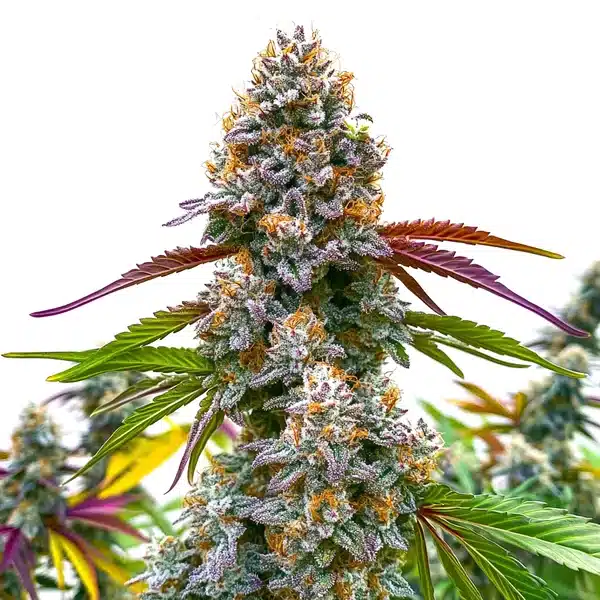
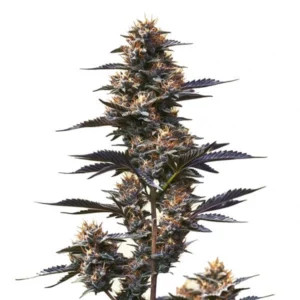
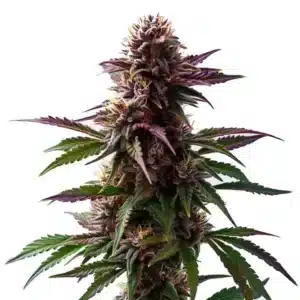
Critical Daddy Purple

|
THC | 19% (Medium) |

|
Type | Feminized |

|
Yield | High |

|
Phenotype | 50% Indica / 50% Sativa |
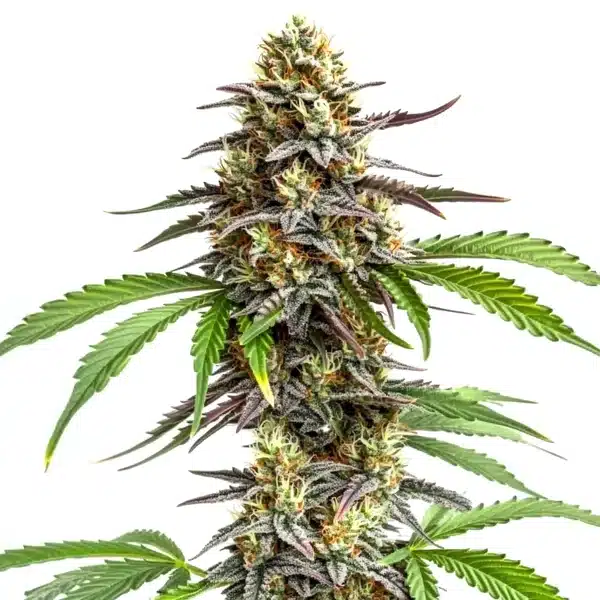
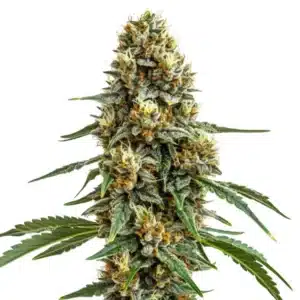
Zookies
|
|
THC | 28% - 30% (High) |
|
|
Type | Feminized |
|
|
Yield | Medium |
|
|
Phenotype | 50% Indica / 50% Sativa |
For instance, in some states in the United States, the use of synthetic PGRs in cannabis is illegal due to potential health risks. However, natural PGRs may be permitted. The key is knowing the specific cannabis cultivation plant growth regulator laws in your area. Ignorance is not a defense, and penalties can be severe.
Knowing Plant Growth Regulators
Plant growth regulators can enhance plant yield, control plant size, and even influence flowering time. For many growers, the prospect of bigger, bushier plants is tempting. However, before using them, many cultivators ask: are plant growth regulators legal in cannabis cultivation? In cannabis cultivation, these regulators can sometimes be the difference between an average harvest and a bumper crop.
However, it’s important to differentiate between synthetic and natural PGRs. Synthetic PGRs are often frowned upon in cannabis cultivation due to potential health risks. They’re artificial chemicals designed to mimic natural plant hormones. In contrast, natural PGRs occur naturally and are generally considered safer for both plants and consumers.
The plant growth regulators legality cannabis cultivation debate often centers around these distinctions. While natural PGRs are embraced for their safety profile, synthetic ones draw scrutiny and legal challenges. Knowing this difference is crucial for growers aiming to use PGRs effectively and legally.
Besides, the science behind how PGRs work can be intricate, with effects on plant physiology that vary depending on the compound used. Growers are advised to educate themselves on the specific actions of different PGRs to ensure that they align with their cultivation goals and legal requirements.
Legal Status of Plant Growth Regulators in Cannabis
Are plant growth regulators legal in cannabis cultivation? This largely depends on the type of PGR and the local laws where the cultivation is taking place. Some regions have clear regulations that prohibit synthetic PGRs due to their potential health impacts. These laws are meant to protect consumers from harmful residues that might be present in the cannabis.
Natural PGRs, on the other hand, are often considered legal and safe. These are derived from natural sources and are not chemically synthesized. For example, kelp extract is a natural PGR that is legal in many regions. It promotes plant growth without the adverse health effects associated with synthetic PGRs.
The legal status plant growth regulators cannabis varies widely, reflecting differing regional perspectives on health and safety. Growers must navigate these complexities to ensure compliance with local regulations. The penalties for non-compliance can be severe, underscoring the importance of knowing the legal framework.
Keeping informed about cannabis plant growth regulators regulatory compliance is critical. Laws can change, and staying up-to-date with the latest developments helps growers avoid legal pitfalls. Partnering with knowledgeable suppliers and legal advisors can provide valuable insights into maintaining compliance.
Practical Tips for Using PGRs in Cannabis Cultivation
For those looking to use PGRs legally in cannabis cultivation, knowledge is power. Start by researching the specific laws in your area. Consult with local agricultural extension offices or legal experts who specialize in cannabis. They can provide valuable insights into what is permissible.
Choose natural PGRs over synthetic ones whenever possible. Not only are they generally legal, but they’re also safer for consumers. Products like kelp extract, humic acids, and fulvic acids are examples of natural PGRs that can benefit your cannabis plants without legal repercussions.
Using plant growth regulators legally in cannabis involves more than just selecting the right products; it requires a thorough knowing of local laws and regulations. Engaging with community resources, such as cannabis cultivation workshops, can enhance your knowledge and compliance efforts.
Moreover, documenting your cultivation practices and maintaining records of PGR usage can protect against legal scrutiny. Should questions arise about compliance, having detailed documentation can demonstrate your commitment to adhering to legal standards.
Promos & Deals

Benefits and Risks of PGRs in Cannabis
PGRs can offer significant benefits in cannabis cultivation. They can increase yield, reduce the time to harvest, and improve the overall quality of the crop. For commercial growers, these benefits can translate into increased profits and more competitive market positioning.
However, the risks associated with synthetic PGRs cannot be ignored. Health concerns are at the forefront, as residues can remain on the plant and be ingested by consumers. This is particularly concerning for medical cannabis users who rely on the plant for health reasons.
The potential for increased yield and faster flowering times makes PGRs attractive, but these must be weighed against the possible health and legal risks. Synthetic PGRs have been linked to adverse effects, prompting many growers to seek safer, natural alternatives.
Knowing the full spectrum of benefits and risks is essential for making informed decisions about PGR use. By choosing natural options and adhering to legal guidelines, growers can maximize benefits while minimizing potential drawbacks.
- Increased yield potential with PGRs
- Faster flowering times
- Potential health risks from synthetic PGRs
- Legal risks if using unapproved PGRs

FAQs about are plant growth regulators legal in cannabis cultivation
Are synthetic PGRs safe to use in cannabis cultivation?
Synthetic PGRs are often criticized for their potential health risks. They are designed to mimic natural plant hormones but can leave harmful residues on the cannabis plant. These residues may pose health risks to consumers, particularly those using cannabis for medical purposes. As a result, many regions have banned their use in cannabis cultivation.
In contrast, natural PGRs are generally considered safer. They are derived from natural sources and do not carry the same health risks. For growers, it’s crucial to prioritize consumer safety and adhere to local regulations. This ensures not only compliance but also the well-being of those consuming the cannabis.
The debate over the safety of synthetic PGRs highlights the importance of cannabis cultivation plant growth regulator laws. These laws aim to protect consumer health by limiting exposure to potentially harmful substances. By adhering to these guidelines, growers can contribute to a safer cannabis market.
Moreover, the choice of PGRs can influence the reputation and trustworthiness of a cannabis brand. Growers who prioritize natural PGRs and compliance with regulations are more likely to earn consumer trust and loyalty, which is invaluable in a competitive market.
How can I ensure compliance with PGR regulations?
Staying compliant with cannabis cultivation plant growth regulator laws requires diligence. Start by thoroughly researching the legal status of plant growth regulators in your area. Consult with local authorities or legal experts if needed. Keeping abreast of any changes in legislation is also critical, as laws can evolve over time.
Choose natural PGRs and always verify their legality before use. Maintaining open communication with suppliers and ensuring that all products are legally sourced can prevent potential legal issues. By prioritizing compliance, you protect your investment and uphold consumer trust.
Regular audits of your growing practices and documentation can be instrumental in ensuring compliance. This proactive approach not only safeguards against legal issues but also supports sustainable and ethical cultivation practices.
Engaging with industry groups and forums can also provide valuable updates on regulatory changes and best practices. These networks can serve as a support system, helping you navigate the complexities of cannabis cultivation plant growth regulator laws.
What are some natural alternatives to synthetic PGRs?
Natural PGRs are a popular choice among cannabis cultivators seeking to avoid the legal and health risks associated with synthetic options. Kelp extract is one such alternative, known for its ability to promote growth naturally. It is derived from seaweed and is rich in nutrients that benefit cannabis plants.
Other natural options include humic acids and fulvic acids, which enhance nutrient uptake and improve soil health. These alternatives not only align with legal requirements but also support sustainable growing practices. Strains from Blimburn Seeds, such as Critical Daddy Purple, GG4, and Zookies, thrive with these natural enhancers.
Exploring natural PGRs can enhance the resilience and quality of your cannabis plants. These alternatives often promote healthier growth patterns and help maintain the natural integrity of the plant.
Additionally, by choosing natural PGRs, growers can align their practices with consumer preferences for organic and sustainable products. This alignment can be a powerful driver of market success, especially as consumer awareness and demand for natural products continue to grow.
Are there penalties for using illegal PGRs in cannabis cultivation?
The penalties for using illegal PGRs in cannabis cultivation can be severe. They vary by jurisdiction but often include hefty fines, loss of licenses, and even the destruction of crops. These consequences not only impact finances but can also damage reputations.
For commercial growers, the stakes are high. Ensuring that all PGRs used are legal and compliant with local laws is crucial. Regular audits and documentation can help in maintaining compliance and protecting against potential legal issues.
Knowing the legal status plant growth regulators cannabis is vital for avoiding penalties. Legal infractions can result in not only financial loss but also long-term damage to business operations and brand reputation.
Proactive measures, including ongoing education and collaboration with legal experts, can help growers navigate the complex regulatory environment. This proactive stance is essential for sustaining a successful and compliant cultivation operation.
Can PGRs enhance the quality of cannabis strains?
PGRs have the potential to enhance the quality of cannabis strains by improving yield and accelerating growth. However, the use of synthetic PGRs can compromise the safety and natural quality of the plant. This is why many cultivators are turning to natural alternatives that support plant health without introducing harmful residues.
Blimburn Seeds offers a variety of strains that naturally excel in quality without the need for synthetic growth regulators. Strains like Critical Daddy Purple and GG4 are bred for robust growth and high-quality yields, making them ideal choices for growers seeking to avoid synthetic PGRs.
By focusing on natural PGRs and selecting strains that perform well without synthetic aids, growers can enhance the inherent qualities of their cannabis. This approach aligns with consumer demand for pure and natural products.
The integration of natural PGRs can also support sustainable cultivation practices, contributing to long-term environmental health. By prioritizing these factors, growers can produce cannabis that stands out in quality and safety, meeting the needs of discerning consumers.