Optimal Soil pH for Cannabis Flowering Stage

Optimal pH for Flowering: The ideal pH for the flowering stage in soil ranges from 6.0 to 6.5. This slightly acidic environment is vital for maintaining nutrient solubility, particularly phosphorus and potassium, which are crucial for healthy bud development. Ensuring this pH range helps prevent nutrient lockout, promoting robust growth and maximizing yields.
During the flowering stage, cannabis plants require precise conditions to thrive, including the right pH balance. Terpenes like myrcene and limonene, crucial for aroma and therapeutic effects, develop optimally at specific pH levels. Ensuring a balanced pH not only enhances terpene profiles but also supports the plant’s overall health and resilience.
Recommended Strains
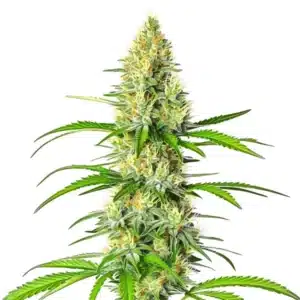
AK x White Widow Auto

|
THC | 18% - 24% (High) |

|
Type | Autoflowering |

|
Yield | Medium |

|
Phenotype | 60% Indica / 40% Sativa |
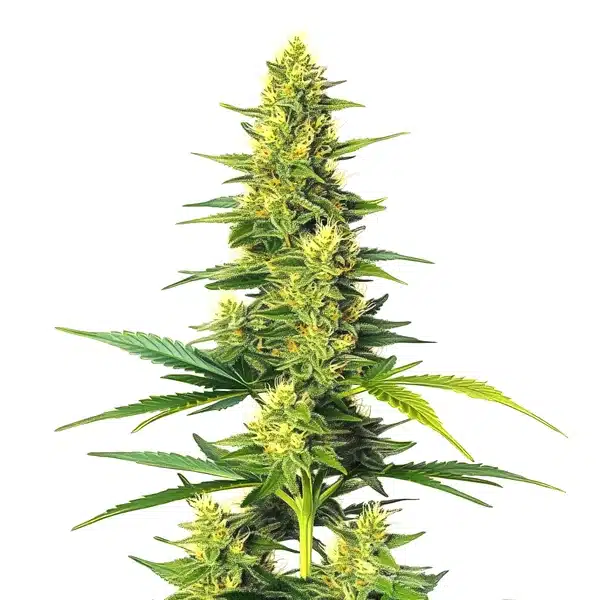
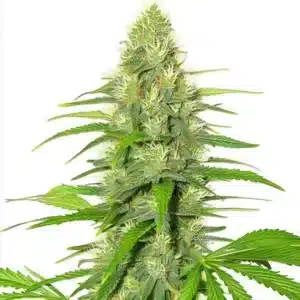
Auto White Widow CBD

|
CBD | 10% – 12% (Medium) |
|
|
Type | CBD Autoflowering |
|
|
Yield | Low |
|
|
Phenotype | 40% Indica / 60% Sativa |
Soil pH for Cannabis
What is Soil pH?
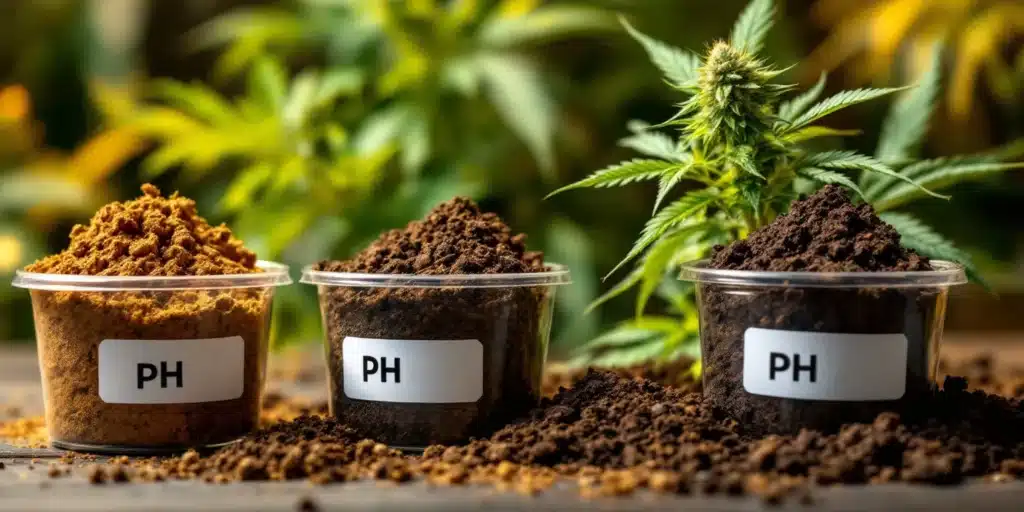
Soil pH measures the acidity or alkalinity of the soil, ranging from 0 to 14, with 7 as neutral. Cannabis plants thrive in slightly acidic conditions, particularly during flowering. This is because certain nutrients become more available at specific pH levels, directly impacting the plant’s ability to absorb them efficiently.
For cannabis, maintaining a pH between 6.0 and 7.0 is crucial. This range ensures that essential nutrients like nitrogen, phosphorus, and potassium are readily available. Deviations can lead to nutrient lockout, where plants cannot absorb these nutrients, resulting in stunted growth and poor bud quality.
Why pH Matters in Flowering
During flowering, cannabis plants focus energy on bud development, requiring more phosphorus and potassium. A pH imbalance can hinder this process. For instance, phosphorus uptake peaks at a pH of 6.5, while potassium is best absorbed between 6.0 and 6.5. Maintaining this range ensures optimal nutrient availability.
Failure to manage soil pH can lead to deficiencies, impacting yield and potency. Regular pH testing and adjustments help maintain the ideal environment for flowering, ensuring plants develop dense, aromatic buds with high cannabinoid content.
Promos & Deals
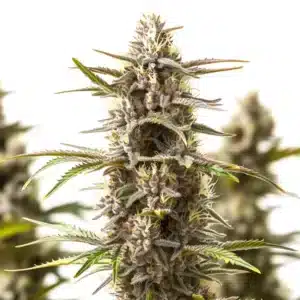
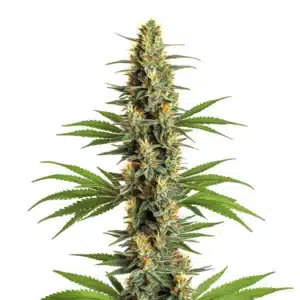
Ideal pH Range for Flowering Stage
Best pH for Autoflowers in Soil
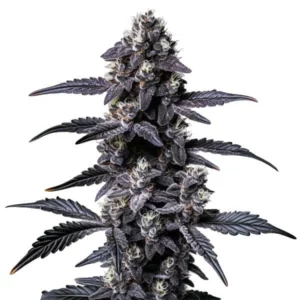
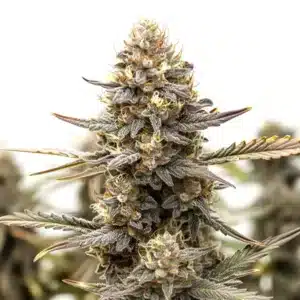
Autoflowering strains, like Gorilla Purple Auto, have specific pH needs. They thrive in soil with a pH of 6.0 to 6.5. This range supports their rapid growth cycle, ensuring they receive essential nutrients without delay. Autoflowers are less forgiving of pH fluctuations due to their shorter lifecycle.
Maintaining the best pH for autoflowers in soil is crucial for maximizing yields. Regular monitoring and adjustments can prevent nutrient lockout. This ensures that autoflowers develop robust buds, rich in terpenes and cannabinoids, within their limited growth period.
Signs of pH Imbalance in Cannabis
Recognizing pH imbalance early can save your crop. Symptoms include yellowing leaves, which may indicate nitrogen deficiency due to high pH. Browning edges suggest nutrient burn from low pH. Stunted growth and pale buds are also signs of improper pH affecting nutrient uptake.
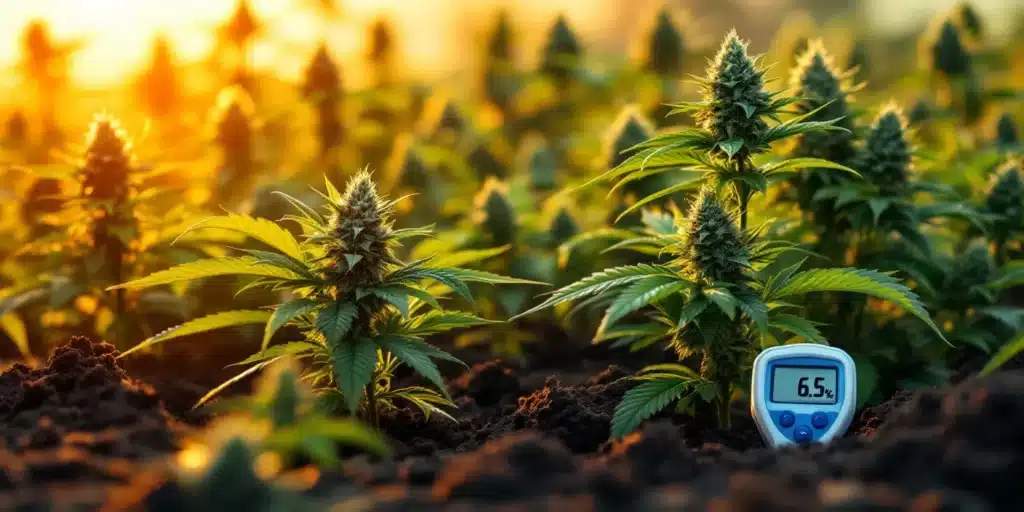
Regular soil testing helps catch these issues early. Adjusting pH levels promptly can restore plant health, ensuring a successful flowering stage. Use a digital pH meter for accurate readings, and adjust gradually to avoid plant stress.
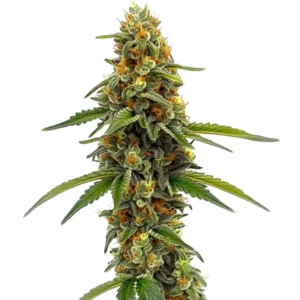
| Feature | Gorilla Purple Auto | Blue Cheese | Mochalope X Do Si Dos |
|---|---|---|---|
| Optimal pH Range | 6.0 – 6.5 | 6.0 – 6.5 | 6.0 – 6.5 |
| THC Content | 20-24% | 18-22% | 22-26% |
| Dominant Terpene | Myrcene | Caryophyllene | Limonene |
| Flavor Profile | Fruity, Grape | Cheesy, Earthy | Chocolate, Citrus |
| Flowering Time | 8-9 weeks | 8-9 weeks | 9-10 weeks |
How to Test and Adjust Soil pH
Testing Methods
Accurate pH testing is essential for maintaining optimal conditions. Digital pH meters offer precise readings and are user-friendly. For budget-conscious growers, pH test strips provide a visual indication of pH levels, though they may lack precision. Soil test kits combine pH and nutrient analysis, offering comprehensive insights into soil health.
Regular testing, especially during the flowering phase, is crucial. Aim to test every two weeks to catch any pH fluctuations early. This proactive approach helps maintain a stable environment, promoting healthy growth and maximizing yields.
Adjusting pH Levels
Adjusting soil pH requires careful management. To lower pH, incorporate sulfur or coffee grounds, which gradually acidify the soil. To raise pH, add lime or wood ashes, increasing alkalinity. These changes should be implemented gradually to avoid plant stress.
Monitor plant reactions closely after adjustments. Sudden changes can shock plants, so gradual modifications are key. This careful approach ensures plants remain healthy and productive throughout the flowering stage.
Impact of Water pH on Soil
Watering Practices and pH
Water pH directly affects soil pH and nutrient availability. Ideally, water used for cannabis should have a pH of 6.0 to 6.5. This range complements soil pH, ensuring nutrients remain accessible. Water with a pH outside this range can alter soil conditions, leading to nutrient lockout.
Regularly test water pH using a digital meter. Adjust with pH up or down solutions as needed. Consistent water pH management supports stable soil conditions, promoting healthy plant development and robust flowering.
Common Mistakes and Solutions
One common mistake is neglecting water pH, assuming soil pH alone is sufficient. This oversight can lead to nutrient deficiencies and poor plant health. Always test water pH and adjust as necessary to maintain ideal conditions.
Another error is making rapid pH adjustments. Gradual changes are essential to avoid plant stress. By maintaining both soil and water pH within the optimal range, you ensure a thriving environment for your cannabis plants.
Professional Tips for Optimal pH Management
- Maintain 6.0-6.5 soil pH during flowering. This range ensures phosphorus and potassium absorption, crucial for bud development. Avoid deviations to prevent nutrient lockout.
- Test soil pH every two weeks. Regular monitoring helps catch imbalances early, preventing growth issues and ensuring healthy flowering.
- Adjust pH gradually. Sudden changes can stress plants, impacting health and yield. Use sulfur or lime for slow, controlled adjustments.
- Ensure water pH is 6.0-6.5. Water pH affects soil conditions and nutrient availability. Test regularly and adjust with pH solutions as needed.
- Use a digital pH meter for accuracy. Precise readings are essential for effective pH management, ensuring optimal conditions for flowering.
- Monitor plant symptoms for pH issues. Yellowing leaves or stunted growth may indicate imbalances. Address promptly to restore plant health.
FAQs on pH Management
What pH for flowering stage?
The ideal pH for the flowering stage in soil is between 6.0 and 6.5. This range ensures optimal nutrient absorption, particularly for phosphorus and potassium, essential for bud development. Maintaining this pH range helps prevent nutrient lockout and supports healthy, vigorous flowering.
How to tell if soil pH is too high?
Signs of high soil pH include yellowing leaves, indicating nitrogen deficiency, and stunted growth. High pH can lead to nutrient lockout, preventing plants from absorbing essential nutrients. Regular soil testing with a digital pH meter can help detect and correct high pH levels.
Do I need to pH my water when growing in soil?
Yes, maintaining water pH between 6.0 and 6.5 is crucial when growing in soil. Water pH affects soil conditions and nutrient availability. Regularly test and adjust water pH to ensure it complements soil pH, promoting healthy plant growth and nutrient uptake.
How to get rock hard buds?
Achieving dense buds requires optimal pH management, nutrient balance, and light intensity. Maintain soil pH at 6.0-6.5, ensure adequate phosphorus and potassium levels, and provide 800-1000 µmol/m²/s of light during flowering. This combination supports robust bud development.
Can pH affect terpene production?
Yes, pH levels influence terpene production. Maintaining a soil pH of 6.0-6.5 supports optimal nutrient uptake, enhancing terpene synthesis. This results in richer aroma and flavor profiles. Proper pH management is crucial for maximizing terpene content and overall plant quality.