Expert Guide: Proven Solutions to Hydroponics Microbial Contamination Risks

Hydroponics offers a clean and efficient way to grow plants, but it comes with its own set of challenges. One of the most significant is knowing hydroponics microbial contamination risks, which involve bacteria, fungi, and other microorganisms that can thrive in the nutrient-rich water of a hydroponic system. If left unchecked, these microbes can damage plant roots, reduce yields, and even destroy an entire crop.
Hydroponics microbial contamination risks often start with the water source. Using untreated or inadequately treated water can introduce harmful pathogens into the system. These pathogens can quickly spread, creating a breeding ground for disease. To combat this, always start with clean, filtered water and regularly test it to ensure that it remains pathogen-free.
Recommended Strains

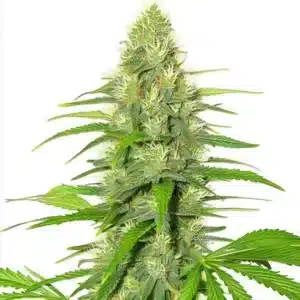
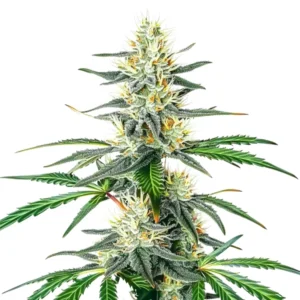
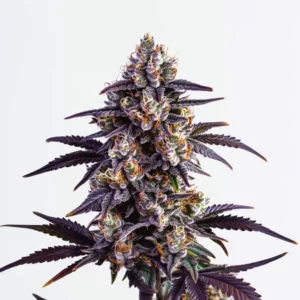
Sleepy Joe

|
THC | 32% - 34% (High) |

|
Type | Feminized |

|
Yield | High |

|
Phenotype | 80% Indica / 20% Sativa |

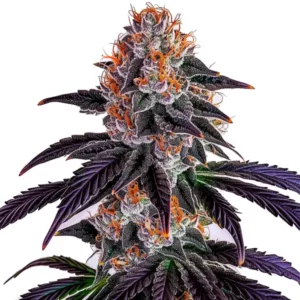
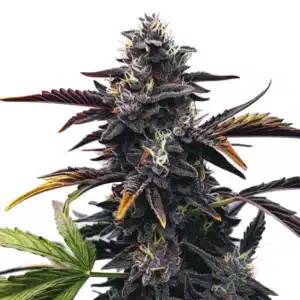
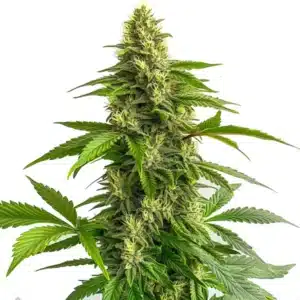
Fat Bastard
|
|
THC | 30% - 38% (High) |
|
|
Type | Feminized |
|
|
Yield | High |
|
|
Phenotype | 50% Indica / 50% Sativa |
Another major concern is the nutrient solution. While it’s essential for plant growth, it can also become a vector for microbial contamination. Regularly changing and cleaning your nutrient reservoirs can help minimize this risk. Additionally, maintaining the correct pH and nutrient levels can prevent unwanted microbial growth.
Common Risks of Bacteria in Hydroponic Farming
Bacteria are one of the most common forms of microbial contamination in hydroponic systems. They can enter your system through various means, including dirty tools, contaminated seeds, or even air. Once inside, they can multiply rapidly, causing root rot and other plant diseases.
To mitigate the risks of bacteria in hydroponic farming, it’s crucial to maintain strict hygiene protocols. This includes sterilizing equipment before use and ensuring that all surfaces and tools are clean. Another effective method is using beneficial bacteria and fungi that can outcompete harmful pathogens and keep your system healthy.
Implementing a regular schedule for inspecting and cleaning your hydroponic system is vital in controlling bacterial growth. This includes checking for any signs of root rot or plant stress, which can indicate bacterial presence. Using water treatment solutions designed to target specific bacterial strains can also bolster your system’s defense against these common hydroponics microbial contamination risks.
Consider using antimicrobial additives within your nutrient solutions as another layer of protection. These additives can help keep bacteria at bay and are particularly useful in larger systems where complete water changes are less frequent. Blimburn Seeds robust genetic strains can further support your efforts by providing plants that naturally resist bacterial infections.
Preventing Mold in Hydroponic Gardens
Mold can be a persistent problem in hydroponic gardens, especially in humid environments. It thrives in conditions where moisture is abundant, and air circulation is poor. To prevent mold, ensure your grow room has adequate ventilation. Oscillating fans can help keep the air moving and reduce humidity levels.
Another effective way to prevent mold is by spacing your plants correctly. Crowded plants can trap moisture and create ideal conditions for mold growth. Regular pruning and removing dead leaves can also help improve airflow and reduce mold risks. For cannabis growers, strains like Blimburn Seeds Sleepy Joe are known for their resilience against mold, making them a great choice.
Incorporating hydroponics waterborne pathogens prevention measures, such as using sterilized tools and maintaining a clean growing environment, can also reduce mold risks. Regularly checking and adjusting humidity levels using a hygrometer can give precise control over the environment, ensuring it stays within levels that discourage mold formation.
Lighting plays a crucial role in preventing mold as well. Ensure that your hydroponic garden receives adequate light intensity to avoid damp and dark areas where mold could proliferate. Using full-spectrum LED lights can optimize plant growth while simultaneously helping to inhibit mold development. Blimburn Seeds’ cannabis strains are well-suited to thrive under such lighting conditions.
Promos & Deals

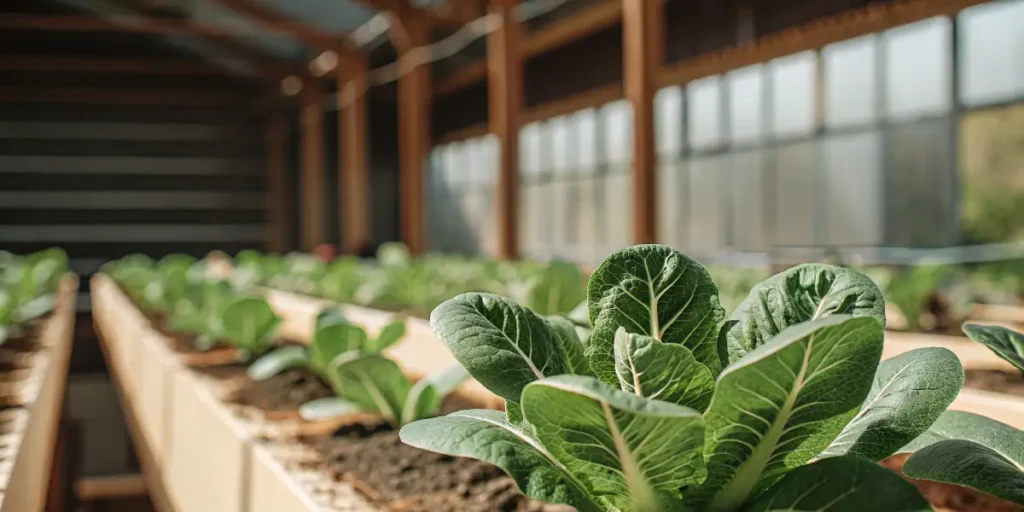
Hydroponic Nutrient Solution Contamination Prevention
The nutrient solution is the lifeline of any hydroponic system, but it can also be a source of contamination. Over time, nutrient solutions can become stale and lose their effectiveness, leading to poor plant growth and increased contamination risks.
To prevent this, regularly replace your nutrient solution and clean your reservoirs. Using a dedicated cleaning schedule can help ensure that your system remains free from unwanted pathogens. Additionally, using a water chiller can help maintain the nutrient solution at a stable temperature, reducing the chances of microbial growth.
Incorporating hydroponic nutrient solution contamination prevention strategies can significantly enhance the health of your plants. For instance, using high-quality, pre-mixed nutrient solutions can minimize the risk of errors that could lead to contamination. Monitoring the electrical conductivity (EC) of your solution will also help ensure that nutrient levels remain balanced, reducing the risk of microbial growth.
Regular use of hydrogen peroxide or similar sterilizing agents can help keep your nutrient solution and reservoirs clean. It’s also advisable to use opaque reservoirs that limit light exposure, as light can promote the growth of algae and other unwanted organisms. Strains from Blimburn Seeds, such as Fat Bastard, can benefit greatly from these preventive measures, ensuring robust growth and high yields.
Hydroponics Waterborne Pathogens Prevention
Waterborne pathogens are a silent threat in hydroponics. These microscopic organisms can be introduced through contaminated water and can wreak havoc on your plants. Regular water testing is crucial for early detection of these pathogens.
Using a reverse osmosis system can significantly reduce the risk of introducing waterborne pathogens into your hydroponic setup. This system filters out impurities and pathogens, ensuring that only clean water reaches your plants. Blimburn Seeds White Widow is a strain known for its ability to withstand some level of water stress, making it a good option for beginners.
Consistent monitoring of water quality is vital for effective hydroponics waterborne pathogens prevention. Setting up automated systems to alert you of any deviations in water parameters can be beneficial. This can ensure timely interventions before pathogens have a chance to take hold, protecting your plants from potential damage.
Integrating natural filtration methods, such as using activated carbon or UV sterilizers, can further enhance your system’s defense against waterborne threats. These systems help to maintain a clean water supply, reducing the risk of microbial contamination in hydroponic systems. Additionally, the use of advanced filtration can support the optimal growth conditions needed for resilient Blimburn Seeds strains.
Best Practices for Microbial Contamination in Hydroponic Systems
To minimize hydroponics microbial contamination risks, adopting best practices is essential. Start by setting up a routine cleaning schedule. Clean and disinfect all tools, surfaces, and reservoirs regularly to prevent any chance of contamination.
Using high-quality seeds from reputable brands like Blimburn Seeds can also make a difference. Their “Zkittlez” strain is popular among growers for its robust growth and resistance to common hydroponic issues. Good genetics can be your first line of defense against microbial threats.
Maintaining a detailed log of your cleaning and maintenance activities can help track the effectiveness of your strategies in combating microbial contamination. This log should include dates, methods used, and observations, allowing for continuous improvements in your approach.
Education and training for anyone involved in the maintenance of your hydroponic system are crucial. Knowing the principles of hydroponics microbial contamination risks and prevention can empower your team to take proactive measures. Regular workshops or training sessions can keep everyone updated on the latest best practices and technologies.
Implementing Integrated Pest Management (IPM)
Integrated Pest Management (IPM) is a holistic approach to controlling pests and diseases in your hydroponic system. It involves using a combination of biological, cultural, and chemical methods to manage pest populations. By using IPM, you can reduce reliance on chemical pesticides, which can harm beneficial microbes.
One effective IPM strategy is introducing natural predators. These can include ladybugs or predatory mites, which can help control pest populations naturally. Regularly monitoring your plants for signs of pest activity is also crucial. Early detection can prevent minor issues from becoming major problems.
Incorporating diverse IPM strategies can create a balanced ecosystem within your hydroponic system, which naturally deters microbial contamination. Techniques such as crop rotation and companion planting can disrupt pest life cycles, making it harder for them to establish in your garden.
Utilizing pheromone traps and insect barriers can provide additional layers of protection against pests. By combining these physical barriers with the natural resistance of Blimburn Seeds strains, you can create a robust defense against various threats. This comprehensive approach ensures that your hydroponic garden remains productive and healthy.
FAQs about hydroponics microbial contamination risks
What are the most common hydroponics microbial contamination risks?
Hydroponics systems are prone to various microbial contamination risks, including bacteria, fungi, and mold. These organisms can enter your system through contaminated water, dirty tools, or even the air. Once inside, they can multiply rapidly, leading to root rot and other plant diseases.
To manage these risks, it’s essential to maintain strict hygiene protocols. This includes sterilizing all equipment before use and ensuring that water sources are clean and pathogen-free. Incorporating beneficial microorganisms can also help keep harmful pathogens at bay.
Knowing the specific vulnerabilities of your hydroponic setup can enable targeted preventive measures, reducing the impact of microbial threats. Regular assessments of your system can highlight areas needing improvement, allowing timely interventions that safeguard plant health.
Developing a tailored action plan that addresses the unique aspects of your growing environment and incorporates the best practices in hydroponics microbial contamination risks management can elevate your garden’s resilience. This includes choosing resilient strains, such as those from Blimburn Seeds, which provide an added layer of protection against pathogens.
How can I prevent mold in my hydroponic garden?
Mold prevention starts with maintaining proper environmental conditions. Ensure your grow room has adequate ventilation and air circulation. This can be achieved by using oscillating fans and ensuring that plants are spaced correctly to allow airflow between them.
Additionally, keep humidity levels in check and avoid overwatering. Regularly inspect your plants for any signs of mold and remove affected areas promptly. Choosing mold-resistant cannabis strains, like those from Blimburn Seeds, can also help reduce mold risks.
Implementing a consistent watering schedule can prevent the over-saturation of your growing medium, which often leads to mold formation. Employing moisture sensors can provide accurate data to optimize watering, thus maintaining ideal conditions for plant growth.
Incorporating organic fungicides as a preventive measure can also be beneficial. These products can protect plants without harming beneficial microbes, maintaining a balanced ecosystem. Strains from Blimburn Seeds are often tested under various conditions to ensure they perform optimally in diverse environments.
Can I use tap water in my hydroponic system?
While tap water can be used in hydroponic systems, it often contains various impurities and pathogens that can harm your plants. It’s recommended to use filtered or distilled water to minimize contamination risks. Reverse osmosis systems are a popular choice for hydroponic growers.
Regular water testing is crucial to ensure that your water source remains free from harmful pathogens. By starting with clean water, you can significantly reduce the risk of introducing waterborne pathogens into your system.
Knowing the composition of your local tap water can help determine additional treatments needed before use in your hydroponic system. Certain minerals and chemicals present in tap water can affect nutrient uptake, necessitating adjustments to your nutrient solution.
In some cases, blending tap water with distilled water could provide a cost-effective solution while maintaining the necessary purity levels. This approach ensures that your plants receive the minerals they need without the risk of microbial contamination in hydroponic systems.
What are the benefits of using beneficial microbes in hydroponics?
Beneficial microbes can play a crucial role in maintaining the health of your hydroponic system. These friendly organisms can help outcompete harmful pathogens, keeping your system balanced and reducing the risk of diseases.
They can also improve nutrient uptake, enhance plant growth, and increase resistance to environmental stressors. Regularly introducing beneficial microbes into your system can create a natural defense against microbial contamination.
Integrating beneficial microbes into your hydroponic system can also enhance the overall soil structure, facilitating better root development and nutrient exchange. This leads to healthier, more resilient plants that are better equipped to handle stress.
Using microbial inoculants specifically designed for hydroponics can further amplify these benefits. These products are formulated to ensure compatibility with hydroponic nutrient solutions, optimizing their efficacy. Blimburn Seeds strains benefit from this symbiotic relationship, showcasing enhanced growth and vigor.
How often should I change the nutrient solution in my hydroponic setup?
Changing your nutrient solution regularly is essential to prevent contamination and ensure optimal plant growth. Most growers recommend changing the solution every one to two weeks, depending on the size of your system and the growth stage of your plants.
Regularly check the pH and nutrient levels of your solution to ensure they remain in the optimal range. This will help prevent nutrient imbalances and reduce the risk of microbial contamination.
Establishing a routine for monitoring and adjusting nutrient concentrations can help maintain plant health. Automated dosing systems can simplify this process, ensuring that nutrient levels remain consistent and suitable for optimal growth.
Adapting the frequency of nutrient solution changes based on environmental conditions, such as temperature and humidity, can also be beneficial. This adaptability ensures that your hydroponic system remains efficient and productive, supporting the vigorous growth of Blimburn Seeds strains.