Expert Tips: How to Reduce Mold Risk in Indoor Cannabis Cultivation

Maintain Ideal Humidity Levels
Managing humidity is crucial in learning how to reduce mold risk in indoor cannabis cultivation. Mold thrives in damp environments, so keeping your grow room’s humidity in check is essential. The best humidity levels for indoor cannabis to prevent mold range from 40% to 50% during the flowering stage. Too much moisture in the air can lead to mold growth, especially on dense buds.
Invest in a reliable hygrometer to monitor humidity levels consistently. If you notice higher humidity, consider using a dehumidifier. This device can help pull excess moisture from the air, keeping your plants safe from mold. On the flip side, if your grow room is too dry, a humidifier might be necessary, but always maintain the ideal range.
Recommended Strains
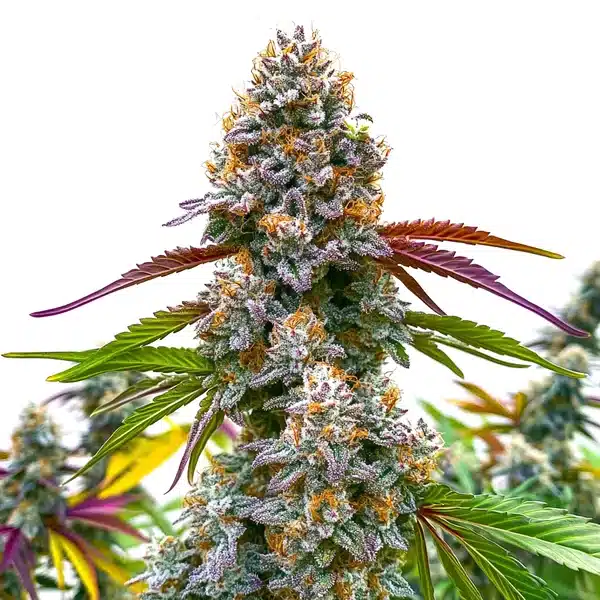
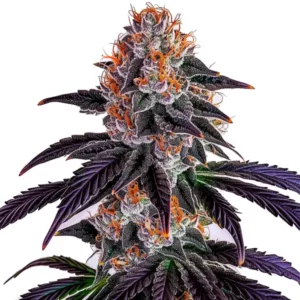
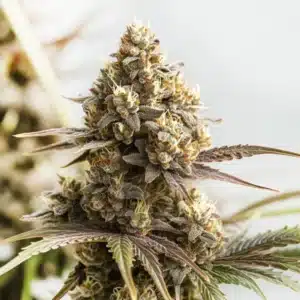
Critical Daddy Purple

|
THC | 19% (Medium) |

|
Type | Feminized |

|
Yield | High |

|
Phenotype | 50% Indica / 50% Sativa |

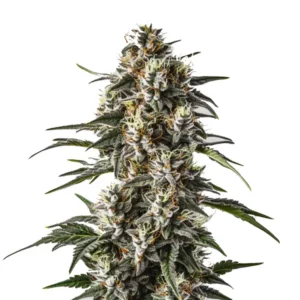
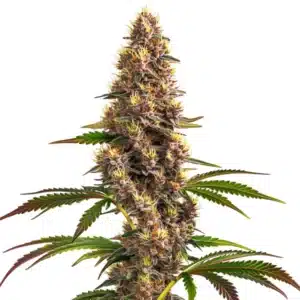
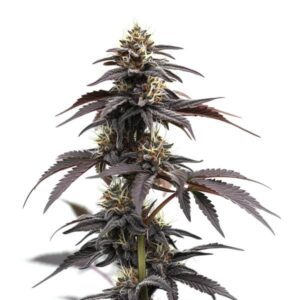
The Toad
|
|
THC | 27% - 32% (High) |
|
|
Type | Feminized |
|
|
Yield | High |
|
|
Phenotype | 60% Indica / 40% Sativa |
Knowing the nuances of humidity control is fundamental when discussing how to reduce mold risk in indoor cannabis cultivation. Over-watering your plants or having poor drainage systems can exacerbate humidity problems. Ensuring that water is absorbed efficiently without excess pooling can help maintain the best humidity levels for indoor cannabis to prevent mold.
Additionally, using moisture-proof materials in your grow room can further aid in controlling humidity. Walls and floors lined with waterproof materials can prevent external moisture from entering, creating a more controlled environment. This, combined with regular humidity checks, forms a comprehensive approach to keeping your cannabis mold-free.
Promos & Deals
Improve Air Circulation
Air movement is another key factor in preventing mold in cannabis grow tent environments. Proper air circulation helps minimize stagnant air pockets where mold can thrive. Consider using oscillating fans placed strategically around your grow area to ensure even air distribution.
Knowing how to improve air circulation in cannabis grow room spaces involves more than just adding fans. Ensure your plants are spaced adequately, allowing air to flow freely around each plant. This setup helps reduce moisture buildup on the leaves and buds, making it harder for mold to take hold.
Strategically placed vents can also enhance air circulation, aiding in how to reduce mold risk in indoor cannabis cultivation. Vents should be positioned to create a cross-breeze effect, effectively moving air throughout the grow room. This method not only prevents mold but also strengthens plant stems, promoting robust growth.
Furthermore, consider incorporating a carbon filter in your ventilation system. This addition not only helps with odor control but also ensures that the incoming air is clean and free from mold spores. Maintaining a clean airflow is vital for preventing mold in cannabis grow tent environments.
Choose Mold-Resistant Cannabis Strains
Opting for effective mold-resistant cannabis strains for indoor growing can significantly reduce the risk of mold. Blimburn Seeds offers some excellent options like “Critical Daddy Purple,” known for its resilience against mold. This strain is perfect for growers looking to maintain a healthy crop without constant worry about mold issues.
Another great choice from Blimburn Seeds is the “The Toad,” which not only boasts high resin production but also shows strong resistance to mold. This strain is ideal for those who may struggle with humidity control but still want a successful harvest.
Choosing the right strain is a proactive step in learning how to reduce mold risk in indoor cannabis cultivation. Strains with dense buds are more susceptible to mold, so selecting varieties known for their open structure can help. This allows air to circulate better around the buds, reducing the chances of mold spores taking hold.
Additionally, consulting with seed banks like Blimburn Seeds can provide insights into the latest strains developed for mold resistance. These strains are bred to withstand the challenges of indoor growing environments, offering peace of mind to cultivators focused on mold prevention.
Maintain a Clean Grow Environment
A clean grow space is crucial when considering how to reduce mold risk in indoor cannabis cultivation. Regularly clean your grow tent, tools, and any other equipment used. Mold spores can easily travel from contaminated surfaces to your plants.
Implement a cleaning schedule to keep your grow area pristine. Wipe down surfaces with a mild bleach solution or other plant-safe disinfectants. This practice helps kill any mold spores before they have a chance to affect your plants.
Routine maintenance of your grow room, including the cleaning of air filters and ventilation equipment, is essential. This not only enhances air quality but also reduces the chances of mold spores entering your growing environment. Effective maintenance practices are key in preventing mold in cannabis grow tent environments.
Furthermore, consider using sterile techniques when handling plants. Wearing gloves and using sanitized tools can prevent the introduction of mold spores during routine plant care. These simple steps can make a significant difference in maintaining a mold-free grow room.
Monitor Temperature Levels
Temperature control is another important aspect of mold prevention. Mold tends to develop in environments where temperatures are too high or too low. Aim to keep your grow room between 70°F and 85°F during the day and slightly cooler at night.
Use a thermometer to track temperature changes. If you notice fluctuations, consider adjusting your lighting schedule or installing a temperature control system. This approach ensures your grow room stays within the optimal range for cannabis growth.
Balancing temperature with humidity is essential for how to reduce mold risk in indoor cannabis cultivation. As temperature rises, relative humidity decreases, which can affect your plants if not monitored closely. Ensuring both elements are in harmony can prevent the environment from becoming conducive to mold growth.
Installing automated climate control systems can provide peace of mind, making temperature adjustments as needed. These systems offer precise control, ensuring that your grow room remains at the ideal conditions for healthy cannabis cultivation.
Monitor and Adjust Watering Practices
Overwatering is a common mistake that can lead to mold issues. When water pools in your grow medium, it creates a breeding ground for mold. Ensure your plants receive the right amount of water without excess runoff.
In hydroponic systems, tips for reducing mold risk in hydroponic cannabis systems include monitoring the water’s pH and nutrient levels. Keeping these in balance helps prevent mold-friendly conditions from developing in your setup.
Incorporating drainage solutions, such as using pots with adequate drainage holes, can prevent water from accumulating at the root level. Proper drainage is a crucial factor in how to reduce mold risk in indoor cannabis cultivation, as it ensures that water does not linger and create mold-prone conditions.
Moreover, using moisture sensors can help you determine when to water your plants, preventing overwatering. By ensuring that only the necessary amount of water is applied, you can maintain an environment that discourages mold growth.
Utilize Beneficial Microbes
Incorporating beneficial microbes into your grow can be an effective way to combat mold. These microbes create a natural defense system for your plants, outcompeting mold spores for resources.
Products containing beneficial bacteria and fungi can be added to your soil or hydroponic system. They help break down organic matter and improve nutrient uptake, leading to healthier plants and less chance of mold.
Beneficial microbes can also improve soil structure and aeration, creating an environment less conducive to mold. By enhancing the root zone’s health, these microbes help in how to reduce mold risk in indoor cannabis cultivation by promoting vigorous plant growth.
Regularly introducing these microbes as part of your cultivation routine can establish a healthy microbial community, offering long-term protection against mold. This approach is particularly effective in both soil-based and hydroponic systems.
FAQs about how to reduce mold risk in indoor cannabis cultivation
What are the signs of mold infestation in cannabis plants?
Signs of mold in cannabis plants include white, powdery patches on leaves and buds, a musty smell, and discolored, dying leaves. Mold can often be mistaken for nutrient deficiencies or pest damage. Regularly inspect your plants and act quickly if you notice any abnormalities.
In severe cases, mold can cause bud rot, where the inside of the buds becomes brown and mushy. Carefully monitor your plants, especially during the flowering stage, to catch mold early before it spreads.
Another less obvious sign of mold infestation is the presence of fuzzy, grayish growth on the stems and leaves. This growth can quickly spread if not addressed promptly, compromising the health of your entire growing area. Regular inspections are vital in preventing mold in cannabis grow tent environments.
Additionally, if you notice that your plants are wilting despite adequate watering and nutrient levels, mold could be a hidden factor. Acting swiftly to address these signs is crucial to maintaining a healthy crop.
Can moldy cannabis be salvaged?
Unfortunately, once cannabis is moldy, it’s not safe to consume. Mold spores can cause respiratory issues and other health problems. Remove and dispose of any affected plants to prevent the mold from spreading to healthy plants.
Preventing mold is always better than trying to salvage moldy cannabis. Implementing the strategies discussed can help ensure your harvest remains mold-free.
In some cases, light mold infestations might be controlled by removing the affected areas, but this is not recommended due to health risks. It is always safer to dispose of moldy plants completely to prevent further contamination.
To avoid such situations, focusing on prevention measures—such as choosing effective mold-resistant cannabis strains for indoor growing—is essential. Taking these preventative steps ensures a high-quality, mold-free yield.
How can I use ventilation to reduce mold risk?
Proper ventilation reduces humidity and heat, creating an environment less favorable for mold. Install an exhaust fan to remove stale air, while an intake fan brings in fresh air. This setup helps maintain optimal conditions for plant growth.
Ensure your ventilation system is regularly maintained and filters are cleaned or replaced as needed. A well-ventilated grow area is essential in how to reduce mold risk in indoor cannabis cultivation.
Ventilation systems can also be enhanced by implementing air filtration devices that trap mold spores before they circulate in your grow room. This added layer of protection is a key strategy in how to improve air circulation in cannabis grow room settings.
Additionally, regularly check for blockages in vents and fans to ensure optimal air exchange. Keeping the airflow consistent and clean is critical to reducing the likelihood of mold development.
Is it possible to prevent mold in all growing conditions?
While it’s challenging to control external conditions completely, indoor growers can create environments that minimize mold risk. Consistent monitoring and maintenance of humidity, temperature, and cleanliness are key components.
Choosing the right strains and using preventative measures like beneficial microbes can further reduce the odds of mold development. Every step taken helps secure a healthy, mold-free harvest.
While no method can guarantee complete immunity from mold, diligent adherence to best practices significantly reduces risk. By knowing and implementing the various strategies for mold prevention, growers can increase their chances of a successful harvest.
Moreover, staying informed about the latest advancements in mold prevention techniques and products can provide growers with new tools and methods to combat mold effectively in all growing conditions.
What should I do if mold is found during flowering?
If you find mold during the flowering stage, immediately isolate the affected plants. Carefully prune any moldy sections, using sterilized tools to prevent further contamination.
Increase airflow and adjust your humidity levels to prevent the mold from spreading. It’s crucial to act quickly to save as much of your crop as possible while implementing preventative strategies for future grows.
Consider applying natural fungicides that are safe for cannabis plants to halt the spread of mold. However, these should be used sparingly and as a last resort, as they can impact the plant’s overall health and flavor.
Reflect on what might have caused the mold outbreak, such as poor air circulation or high humidity levels, and adjust your practices accordingly. Learning from each incident can enhance your ability to prevent mold in future grows, safeguarding your investment.