Essential Guide: Proven Solutions to Microbial Contamination in Soil-Grown Cannabis

Microbial contamination in soil-grown cannabis is a challenge that both novice and experienced growers face. This issue can drastically affect the quality of your yields. The effects are not just limited to the plant’s health, but they extend to the final product that reaches the consumer. Moldy or poorly grown cannabis can lead to dissatisfaction and potential health concerns for users.
One of the main issues with microbial contamination is that it often goes unnoticed until it’s too late. The microbial contamination effects on cannabis quality can be significant, leading to reduced potency and undesirable flavors. It is essential to regularly test for contaminants to ensure that your cannabis remains of high quality.
Recommended Strains


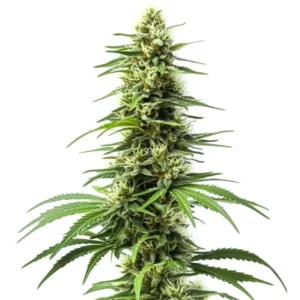
Effective solutions for preventing soil microbial contamination in cannabis cultivation involve a combination of good practices. From selecting the right strains, like those offered by Blimburn Seeds, to maintaining a clean growing environment, every step plays a crucial role. Let’s dive into practical solutions to tackle this issue efficiently.
Identifying Microbial Contamination in Soil-Grown Cannabis
Identifying microbial contamination involves being vigilant about the signs that your plants exhibit. Yellowing leaves, wilting, and stunted growth can all be indicators of microbial issues. Additionally, an off-smell or the presence of mold on the soil surface can suggest contamination.
Testing cannabis for microbial contamination in soil is a proactive measure. Regular laboratory tests can help identify the presence of harmful microbes before they become a problem. These tests can detect bacteria, fungi, and viruses that may be lurking in your soil.
By keeping a close watch on these early warning signs, growers can take prompt action to mitigate the impact of soil microbes on cannabis plant health. Identifying the nature of the contamination through testing enables growers to tailor their response, whether through adjusting soil pH, applying specific treatments, or altering growing conditions.
Moreover, utilizing advanced detection technologies, such as DNA sequencing, can provide a comprehensive view of the microbial landscape in your soil. This data-driven approach not only helps in addressing current issues but also aids in developing long-term strategies for maintaining soil health.
Soil Management to Reduce Cannabis Microbial Contamination
Good soil management is key to reducing microbial contamination. Start by using high-quality soil specifically designed for cannabis cultivation. This soil should have the right balance of nutrients and pH levels to promote healthy plant growth.
Implementing crop rotation and allowing the soil to rest can also help. This practice prevents the buildup of harmful microbes by disrupting their life cycle. Besides, incorporating beneficial microbes can outcompete harmful ones, creating a healthier soil ecosystem.
Soil management to reduce cannabis microbial contamination involves more than just selecting the right soil. It requires ongoing monitoring and adjustments based on the plant’s lifecycle and environmental conditions. Using cover crops can enhance soil fertility and structure, further supporting robust plant growth.
Incorporating organic matter such as compost can improve soil texture and microbial diversity. This organic approach not only supports the growth of beneficial organisms but also creates an inhospitable environment for pathogens, contributing to the overall goal of preventing soil microbial contamination in cannabis cultivation.
Impact of Soil Microbes on Cannabis Plant Health
Soil microbes play a dual role in cannabis cultivation. While some are beneficial, others can be detrimental. Beneficial microbes, like mycorrhizal fungi, enhance nutrient uptake and boost plant immunity. However, harmful microbes can cause diseases, leading to poor yields.
Monitoring the impact of soil microbes on cannabis plant health is crucial. A healthy microbial balance can increase resilience against pests and environmental stressors. On the other hand, an imbalance can lead to increased susceptibility to diseases.
The impact of soil microbes on cannabis plant health is profound, influencing everything from root development to flowering. Beneficial microbes improve water retention and nutrient availability, which are critical during dry spells or nutrient-poor phases of growth.
On the flip side, pathogenic microbes can quickly derail crop success if not managed. They can cause root rot and other diseases that compromise plant vigor. Recognizing and fostering a balanced microbial ecosystem is therefore essential for achieving optimal growth and yield.
Promos & Deals


Preventing Soil Microbial Contamination in Cannabis Cultivation
Prevention is often the best cure when dealing with microbial contamination. Start with sterilized equipment and ensure that your growing area is clean. Sanitation helps prevent the introduction of harmful microbes into your soil.
Using organic fungicides and bactericides can also be an effective preventive measure. These products help keep the microbial population in check without harming beneficial organisms. Regular applications can protect your plants throughout their growth cycle.
Preventing soil microbial contamination in cannabis cultivation also involves knowing the environmental factors that foster microbial growth. Controlling humidity and temperature levels can greatly reduce the likelihood of contamination. These conditions, if not monitored, can create ideal breeding grounds for harmful microbes.
Moreover, adopting integrated pest management (IPM) strategies can further protect your plants. IPM combines biological, cultural, and chemical tools to manage pest populations at acceptable levels, thereby reducing the need for harsh chemicals that might disturb microbial balance.
Testing and Monitoring Techniques
Regular testing is vital to ensure that microbial levels remain under control. Home testing kits can provide a quick overview, but lab tests offer detailed insights. These tests can identify specific contaminants and their concentrations.
Consider integrating technology into your monitoring efforts. Sensors and automated systems can track environmental conditions, alerting you to changes that may indicate contamination issues. This proactive approach helps in maintaining optimal growing conditions.
Advancements in testing and monitoring techniques are making it easier for growers to maintain high-quality standards. Remote sensing technologies and drones can now be used to monitor large fields, providing real-time data on plant health and environmental conditions.
Another innovative approach involves using blockchain technology to track and record environmental data. This ensures transparency and accuracy, making it easier to trace back any issues to specific environmental changes, thereby allowing for more targeted interventions.

FAQs about microbial contamination in soil-grown cannabis
What are the signs of microbial contamination in soil-grown cannabis?
Signs of microbial contamination often appear as physical changes in your plants. These include yellowing leaves, wilting, and stunted growth. Additionally, mold on the soil surface or an unusual smell can be indicators that something is wrong.
Observing these signs early can help in taking corrective actions before your plants suffer significant damage. Regularly inspect your plants and soil, and consider laboratory testing if you suspect contamination.
Beyond physical symptoms, microbial contamination effects on cannabis quality can manifest in less obvious ways, such as reduced cannabinoid profiles or altered terpene expressions. These subtle changes can significantly affect the final product’s marketability.
Employing a rigorous schedule of visual inspections and laboratory tests can help catch these less obvious signs early. This proactive approach ensures that you maintain the highest quality standard for your cannabis plants.
How does microbial contamination affect cannabis quality?
Microbial contamination can severely impact cannabis quality by affecting its potency, flavor, and safety. Contaminated cannabis may have reduced THC levels and undesirable flavors, making it less appealing to consumers.
Moreover, consuming contaminated cannabis can pose health risks. This underscores the importance of regular testing and maintaining a clean growing environment to ensure high-quality results.
Besides to affecting flavor and potency, microbial contamination can lead to the presence of toxins such as mycotoxins, which are harmful to human health. This makes testing cannabis for microbial contamination in soil an essential step in the cultivation process.
The economic impact of compromised quality cannot be understated. Growers may face financial losses due to lower product prices or even legal repercussions if contaminated products reach the consumer market. Thus, maintaining stringent quality control is paramount.
What are some effective soil management practices?
Effective soil management practices include using high-quality soil, implementing crop rotation, and incorporating beneficial microbes. These practices promote healthy plant growth and reduce the risk of contamination.
Also, allowing periods of rest for the soil and using organic treatments can help maintain a balanced microbial population. These strategies work together to create a thriving environment for your plants.
Soil management to reduce cannabis microbial contamination also involves precise irrigation strategies. Overwatering can create anaerobic conditions that favor pathogenic microbes, while under-watering can stress the plant, making it more susceptible to disease.
Another critical aspect is the use of soil amendments like biochar, which can improve soil structure and nutrient retention. These amendments support a robust microbial ecosystem, further safeguarding against contamination.
Can choosing the right cannabis strain help prevent contamination?
Yes, selecting the right cannabis strain can play a significant role in preventing contamination. Some strains are naturally more resistant to microbial issues and can thrive in less-than-ideal conditions.
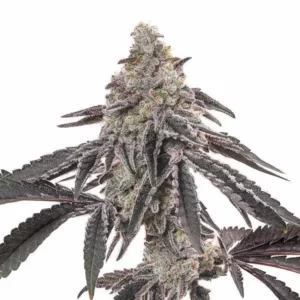
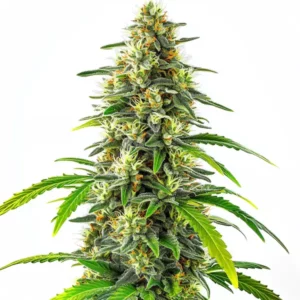
Blimburn Seeds offers various resilient strains, such as Bruce Banner, Gorilla Glue, and Zkittlez, which are known for their robustness and ability to withstand microbial challenges.
Choosing resilient strains is not just about resistance to microbial contamination but also involves selecting varieties that are suited to the specific climate and soil conditions of your growing area. This ensures that the plants can achieve their full potential with minimal intervention.
Moreover, by experimenting with different strains, growers can determine which ones offer the best balance of yield, quality, and resistance. This selection process is crucial for long-term success in preventing soil microbial contamination in cannabis cultivation.
Why is regular testing important in cannabis cultivation?
Regular testing is crucial because it helps identify microbial contamination before it becomes a significant issue. Early detection allows for timely interventions, preventing potential losses in yield and quality.
Testing provides insights into the microbial landscape of your soil, enabling you to make informed decisions about soil management and treatment options to maintain optimal growing conditions.
Regular testing acts as a critical checkpoint in the cultivation process, ensuring that all other preventive measures are effectively maintaining soil health. This ongoing vigilance is key to sustainable cultivation practices.
Moreover, consistent testing provides a historical perspective on soil conditions, helping to identify trends or recurring issues. This data can be invaluable for future planning and for optimizing cultivation techniques over time.
Keep learning with two closely related reads: Top Factors That Increase Microbial Risk in Cannabis Growing and Essential Guide to Soil-Borne Pathogens in Cannabis Cultivation. They connect directly to what you just saw and add practical detail you can use right away.