Expert Guide to Choosing Light Sources for Photodegradation Studies

Choosing light sources for photodegradation studies (UVA/UVB/LED) can be a bit tricky. Many factors are at play, including the type of light, intensity, and wavelength. For cannabis growers, knowing these factors can help improve the quality of their product. Photodegradation studies are crucial for determining how different light sources can affect the degradation of compounds. Whether you’re new to cannabis cultivation or a seasoned grower, selecting the right light for photodegradation research can make all the difference.
First, let’s talk about UVA and UVB light. These are part of the ultraviolet spectrum and can significantly impact plant growth and compound breakdown. UVA has a longer wavelength and is less intense, making it suitable for gentle photodegradation experiments. On the other hand, UVB has a shorter wavelength and higher energy, often used when a stronger photodegradation effect is needed.
Recommended Strains
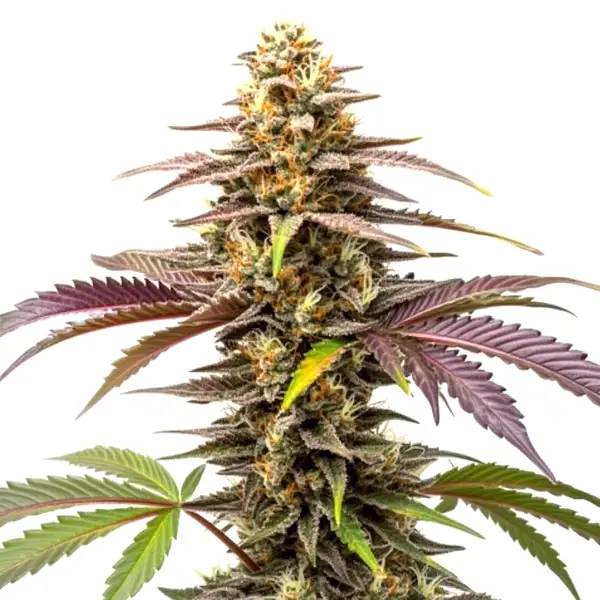
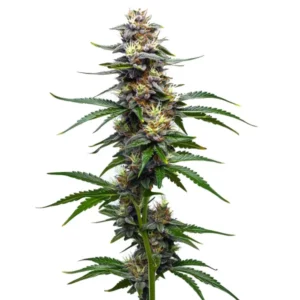
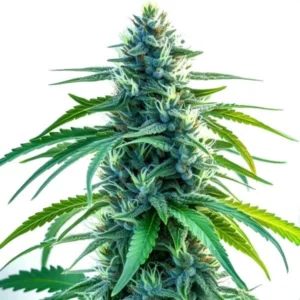
Z OG

|
THC | 16% - 20% (Medium) |

|
Type | Feminized |

|
Yield | High |

|
Phenotype | 75% Indica / 25% Sativa |

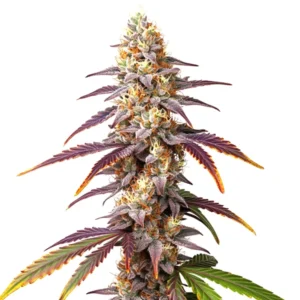
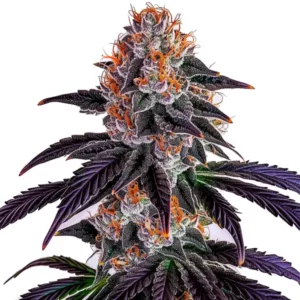
Blue Dream
|
|
THC | 17% - 24% (High) |
|
|
Type | Feminized |
|
|
Yield | High |
|
|
Phenotype | 50% Indica / 50% Sativa |
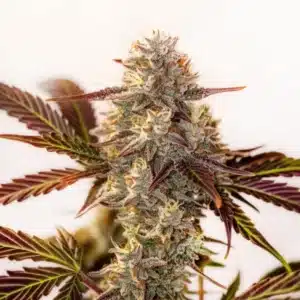
Blimburn Seeds offers strains like Blue Dream, which can benefit from specific light studies. These studies help determine the optimal light sources for photodegradation experiments. By knowing how different light affects your cannabis plants, you can achieve a more potent and effective product.
Comparing UVA and UVB for Photodegradation
Comparing UVA and UVB for photodegradation is essential for any grower. Both types of UV light have unique properties that influence their effectiveness. UVA is often used for more prolonged exposure since it causes less immediate damage. This makes it a great option for gradual compound breakdown.
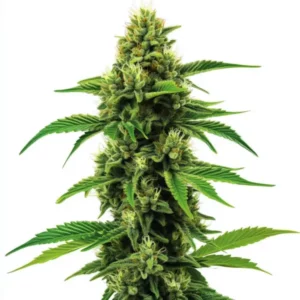
UVB, however, is more intense and can lead to rapid changes. This might be suitable for certain cannabis strains that require quick adjustments. Take, for example, the strain GG4 from Blimburn Seeds. It thrives under specific light conditions, and knowing the impact of UVB can lead to better growth outcomes.
Furthermore, choosing light sources for photodegradation studies (UVA/UVB/LED) involves knowing how these UV lights can mimic natural sunlight. This simulation is crucial for studies that aim to replicate outdoor growing conditions in a controlled environment. By comparing UVA and UVB for photodegradation, researchers can fine-tune their approaches to achieve desired outcomes in laboratory settings.
Besides, the effects of UVA and UVB lights on the photodegradation process can vary depending on the plant’s developmental stage. For younger plants, UVA may suffice, while mature plants might respond better to UVB exposure. This nuanced knowing aids in choosing optimal light sources for photodegradation experiments, ensuring that each plant receives the appropriate light treatment at the right time.
Promos & Deals
Benefits of LED Lights in Photodegradation Studies
LED lights have become increasingly popular in photodegradation studies. They offer several benefits, including energy efficiency and longevity. For cannabis growers, using LEDs can mean lower electricity bills and longer-lasting equipment. These lights also allow for precise control over light wavelengths, which is crucial for targeted studies.
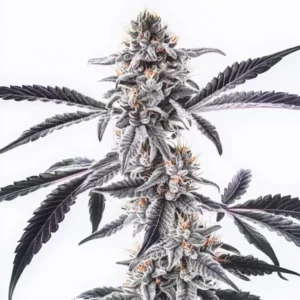
LEDs are versatile and can be adjusted to emit specific wavelengths required for photodegradation research. This flexibility makes them an excellent choice for experiments that demand high precision. Consider the strain Z OG from Blimburn Seeds, which can benefit from tailored light exposure to maximize its unique properties.
The benefits of LED lights in photodegradation studies extend beyond energy savings and precision. Their low heat emission reduces the risk of heat stress on plants, allowing for closer placement to the canopy. This proximity enhances light absorption, optimizing the photodegradation process. Moreover, LEDs are available in a wide range of spectral outputs, providing researchers with numerous options when selecting light wavelengths for photodegradation research.
Additionally, the durability of LED lights makes them a sustainable choice for long-term studies. Unlike traditional lighting options, LEDs maintain consistent output over time, ensuring reliable results in extended experiments. This consistency is vital for accurately assessing the impact of light on compound breakdown, making LEDs a popular choice among scientists and growers alike.
Selecting Light Wavelengths for Photodegradation Research
Selecting light wavelengths for photodegradation research requires careful consideration. Different compounds react differently to various wavelengths, so knowing these interactions is key. For instance, shorter wavelengths like UVB are more energetic and can break down compounds faster.
Longer wavelengths, such as those emitted by UVA or certain LEDs, might be more suitable for gradual photodegradation processes. This can be particularly beneficial for growers aiming for slow, consistent changes in their plants. Balancing these wavelengths can optimize your cannabis cultivation results.
When choosing light sources for photodegradation studies (UVA/UVB/LED), it’s important to consider the specific goals of your research. Whether aiming for rapid compound breakdown or gradual changes, selecting the right wavelengths is crucial. For instance, strains like those from Blimburn Seeds may respond differently to various wavelengths, making it essential to tailor light settings to each strain’s unique needs.
Moreover, incorporating diverse light sources in your study can provide a comprehensive knowing of photodegradation dynamics. By experimenting with different wavelengths and intensities, researchers can identify the most effective combinations for their specific studies. This approach not only enhances the reliability of results but also contributes to the development of more efficient cannabis cultivation techniques.
Impact of Light Intensity on Photodegradation Results
Light intensity plays a crucial role in photodegradation results. Too much intensity might lead to unwanted degradation, while too little might not achieve the desired effect. Finding the right balance is essential for any successful study. For cannabis growers, this means adjusting light settings to match the needs of specific strains.
Consider experimenting with different intensities to see how your plants react. Some strains, like those from Blimburn Seeds, might prefer lower intensities, while others thrive under more intense conditions. Monitoring these changes can provide valuable insights into optimizing growth and potency.
Knowing the impact of light intensity on photodegradation results is fundamental for optimizing experimental outcomes. High-intensity light can accelerate compound degradation, which might be beneficial for studies requiring quick results. However, excessive intensity can also cause stress to plants, leading to compromised growth and quality. Therefore, careful calibration of light intensity is necessary to achieve a balance that favors both photodegradation and plant health.
Furthermore, light intensity can interact with other environmental factors, such as temperature and humidity, influencing the photodegradation process. Researchers and growers need to consider these interactions when designing their studies. By maintaining an optimal environment, including appropriate light intensity, the effectiveness of photodegradation studies can be significantly enhanced, leading to better insights and improved cultivation practices.
FAQs about choosing light sources for photodegradation studies (UVA/UVB/LED)
What are the optimal light sources for photodegradation experiments?
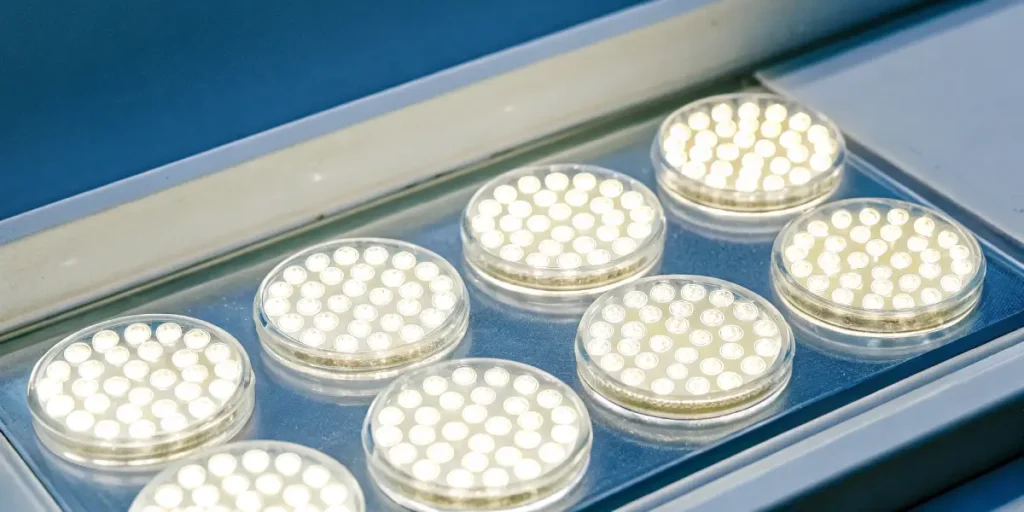
Optimal light sources for photodegradation experiments tend to vary based on the specific goals of your study. UVA and UVB lamps are often used to simulate natural sunlight conditions, allowing researchers to observe how compounds break down over time. LEDs are another great option due to their ability to emit precise wavelengths needed for specific experiments.
For cannabis growers, selecting the right light source can improve plant quality and yield. Different strains might react differently under various light conditions, so it’s crucial to experiment and find what works best for your specific situation.
When considering optimal light sources for photodegradation experiments, it’s important to assess the light spectrum and intensity required for your study. This involves evaluating the specific photodegradation mechanisms of your target compounds. By aligning your light source selection with these requirements, you can ensure that your experiments yield reliable and relevant results.
Moreover, keeping abreast of technological advancements in lighting solutions can provide new opportunities for optimizing photodegradation studies. Emerging technologies in LED lighting, for example, continue to enhance precision and efficiency, making them increasingly attractive for researchers seeking to achieve high-quality outcomes in their experiments.
How can UVA and UVB lights impact cannabis growth?
UVA and UVB lights can significantly impact cannabis growth by affecting the plant’s photosynthesis process and compound breakdown. UVA light provides gentle exposure, making it suitable for prolonged studies without causing immediate damage. This can lead to gradual changes in plant compounds.
UVB light, with its higher intensity, can induce quicker changes. This might be advantageous for certain strains that require rapid adjustments in their growth cycle. Knowing these effects helps growers tailor their lighting strategies to enhance plant quality.
Besides to influencing photosynthesis, UVA and UVB lights can also affect the morphological development of cannabis plants. For instance, UVB exposure can enhance the production of secondary metabolites, which contribute to the plant’s aroma and potency. This highlights the importance of comparing UVA and UVB for photodegradation to determine the most suitable light conditions for your cultivation goals.
Furthermore, integrating UVA and UVB lighting strategies with other cultivation techniques, such as nutrient management and environmental control, can further enhance plant resilience and yield. By knowing the combined impact of these factors, growers can create optimized growth conditions that maximize both plant health and product quality.
What are the benefits of using LED lights in photodegradation studies?
The benefits of using LED lights in photodegradation studies are numerous. LEDs are energy-efficient, reducing electricity costs for growers. They also have a longer lifespan than traditional lights, making them a cost-effective choice over time.
Moreover, LEDs allow for precise control over light emissions, which is essential for targeted photodegradation research. This flexibility helps growers and researchers alike tailor their studies to achieve the desired outcomes.
The versatility of LED lights in photodegradation studies is further enhanced by their ability to simulate various environmental conditions. This adaptability allows researchers to replicate different growing environments, providing valuable insights into how external factors influence photodegradation processes. As a result, LEDs are becoming an indispensable tool for those seeking to conduct comprehensive and accurate photodegradation experiments.
Additionally, the environmental benefits of LEDs, such as reduced carbon footprint and lower heat output, align with sustainable cultivation practices. By choosing LED lighting solutions, growers can contribute to eco-friendly cultivation methods while still achieving high-quality photodegradation results. This makes LED lights a preferred choice for both environmental and economic reasons.
How do you select the right light wavelengths for photodegradation research?
Selecting the right light wavelengths for photodegradation research involves knowing how different wavelengths affect compound breakdown. Shorter wavelengths like UVB offer high energy, leading to quick degradation. In contrast, longer wavelengths like UVA or certain LED emissions are suitable for gradual processes.
Researchers and growers should consider their specific needs when choosing wavelengths. Experimentation and monitoring can help identify the most effective options for your photodegradation studies.
To effectively select the right light wavelengths for photodegradation research, it’s essential to conduct preliminary tests that assess the response of your target compounds to various wavelengths. This initial step can help identify the wavelengths that offer the most promising results for your specific study, allowing you to focus your efforts on optimizing those conditions.
Furthermore, staying informed about advancements in light technology can provide access to new wavelength options that may enhance your research. By continually exploring and adapting to the latest developments, researchers can ensure that their photodegradation studies remain at the forefront of scientific discovery.
What is the impact of light intensity on photodegradation results?
The impact of light intensity on photodegradation results is significant. High-intensity light can accelerate compound breakdown, which might be desirable for some experiments. However, too much intensity can also lead to unwanted degradation, affecting the study’s outcomes.
Low-intensity light, while slower, offers more control over the process, allowing for more precise experimentation. Balancing intensity levels to match your study’s goals can lead to more accurate and beneficial results.
In practice, the impact of light intensity on photodegradation results can also depend on the specific properties of the compounds being studied. For example, some compounds may be more sensitive to light intensity changes, while others may require higher intensity levels to achieve measurable degradation. Knowing these nuances is crucial for designing effective photodegradation experiments.
Additionally, incorporating light intensity variations into your study can reveal how different levels affect compound breakdown rates. By systematically examining these effects, researchers can obtain a deeper knowing of the photodegradation process and develop more refined strategies for optimizing light intensity in future experiments.