Essential ICH Photostability Testing Adapted to Cannabis

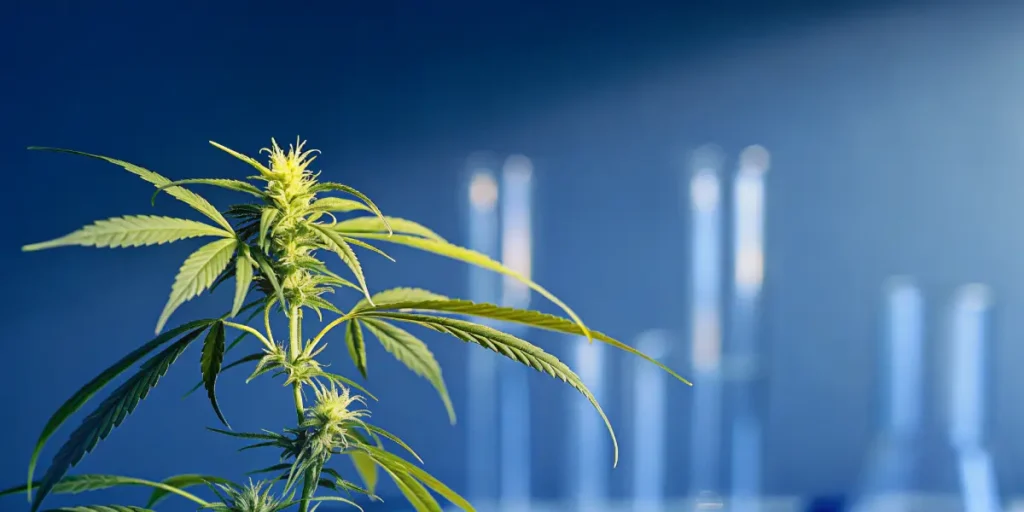
ICH photostability testing adapted to cannabis is crucial for ensuring the quality and efficacy of cannabis products. This process evaluates how light exposure impacts cannabinoids and overall product stability, helping maintain potency and safety over time. For both first-time buyers and experienced growers, understanding these adaptations provides valuable insights into preserving cannabis quality and extending shelf life.
ICH photostability testing adapted to cannabis involves several rigorous procedures. These are designed to simulate different lighting conditions cannabis products might encounter during storage and transport. By doing this, growers and manufacturers can determine the best storage practices to prevent degradation. Good storage starts at harvest, where drying in darkness prevents cannabinoid loss, and it builds on how cannabis photoreceptors respond to light in the living plant.
Recommended Strains

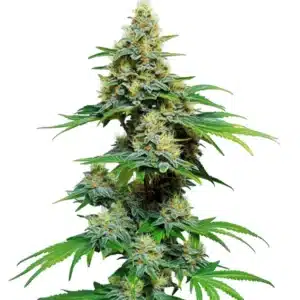
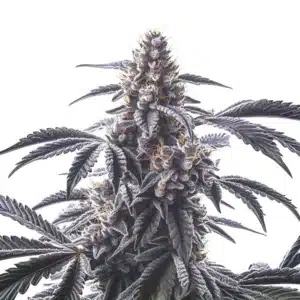
Mamba Negra

|
THC | 18% (Medium) |

|
Type | Feminized |

|
Yield | High |

|
Phenotype | 55% Indica / 45% Sativa |
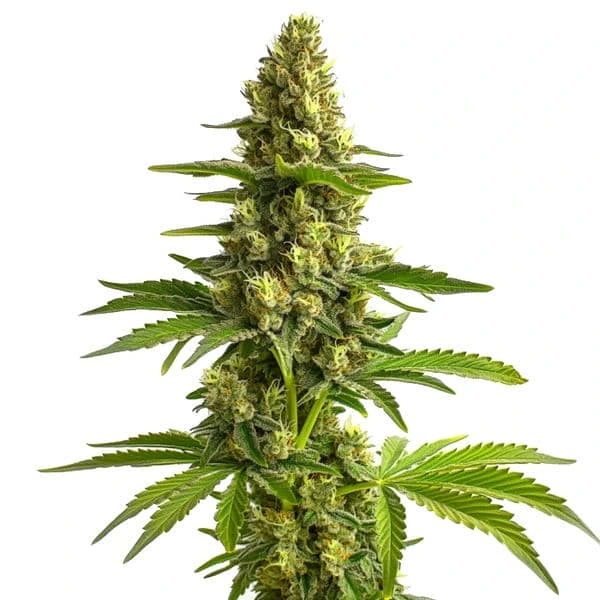
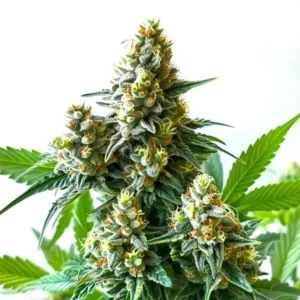
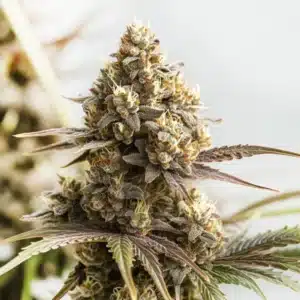
Bruce Banner #3
|
|
THC | 20% - 29% (High) |
|
|
Type | Feminized |
|
|
Yield | High |
|
|
Phenotype | 50% Indica / 50% Sativa |
With the increasing demand for cannabis products, ensuring their stability under various conditions is more important than ever. Blimburn Seeds, for instance, offers strains like GG4 and Bruce Banner that thrive under specific conditions. Knowing how these strains react to light during storage can make a big difference in their quality.
Why Photostability Testing is Essential for Cannabis
Photostability testing in the cannabis industry is necessary for maintaining the integrity of cannabinoids and terpenes. When exposed to light, these compounds can degrade, resulting in reduced potency and effectiveness. This is particularly important for medical cannabis users who rely on consistent dosages for treatment.
By adapting ICH photostability testing for cannabis, growers can ensure that their products remain effective from production to consumption. This includes both flower and derivative products like oils and edibles. For example, strains from Blimburn Seeds such as Mamba Negra are known for their robust cannabinoid profiles, which need to be protected from light exposure.
Furthermore, ICH photostability testing for cannabis products helps in setting industry standards that safeguard consumer health. By adhering to these standards, producers can assure customers of the quality and safety of their products. This is critical not only for building consumer trust but also for complying with regulatory requirements in the cannabis market.
The adoption of photostability testing in the cannabis industry also fosters innovation. Producers can experiment with new packaging solutions and preservation techniques to enhance product longevity. Such innovations are crucial as the market expands and new products like cannabis-infused beverages enter the scene, where stability is a key concern.
Promos & Deals
How ICH Guidelines are Applied to Cannabis Photostability
The International Council for Harmonisation (ICH) provides guidelines for photostability testing that are crucial for pharmaceuticals. These guidelines can be adapted to cannabis to ensure product quality. The process involves exposing cannabis products to light conditions that simulate real-world scenarios.
Adapting ICH guidelines for cannabis photostability involves using controlled environments to test how different light sources affect the product. This helps in identifying optimal storage solutions that protect cannabis products from degradation. Growers and producers can then apply these findings to improve product longevity and efficacy.
By following cannabis photostability testing guidelines, producers can develop a comprehensive knowing of how various environmental factors affect their products. This knowledge allows them to refine their cultivation and storage practices, ensuring that every batch of cannabis reaches its full potential.
Moreover, ICH guidelines cannabis photostability adaptation enables producers to benchmark their processes against international standards. This not only provides a competitive edge in the market but also ensures compliance with global regulations, opening doors to international trade and collaboration opportunities.
Steps in Conducting Cannabis Photostability Testing
The first step in photostability testing is to prepare cannabis samples under controlled conditions. This involves selecting representative samples from different batches and storing them under specified light conditions. The goal is to mimic potential exposure during shipping and storage.
Next, samples are exposed to various light intensities and wavelengths. This helps in knowing how different lighting affects the cannabinoids and terpenes. Regular testing intervals are crucial for measuring changes in potency and chemical composition.
Once the initial exposure tests are completed, the data collected is meticulously analyzed to identify trends and potential issues. This analysis provides valuable insights into the degradation patterns of different cannabis strains, helping producers make informed decisions about storage and packaging.
Finally, the implementation of findings from ICH photostability testing adapted to cannabis leads to the optimization of production processes. By continually refining these processes, producers can ensure that their products consistently meet high-quality standards, ultimately benefiting both the consumer and the industry as a whole.
Common Challenges in Cannabis Photostability Testing
One of the primary challenges in cannabis photostability testing is the diversity of cannabis strains. Each strain has a unique chemical profile, which reacts differently under light exposure. For instance, high-THC strains like Blimburn Seeds Bruce Banner may degrade faster than CBD-dominant strains.
Another challenge is simulating real-world conditions accurately. While laboratory settings are controlled, they may not always reflect the variety of lighting conditions cannabis products face. This requires a comprehensive knowing of different environments and their impact on cannabis.
Additionally, the cost and complexity of adapting ICH photostability for cannabis can be prohibitive for smaller producers. Investing in the necessary equipment and expertise can be a significant barrier, making it essential for industry stakeholders to collaborate and share resources.
Despite these challenges, the benefits of conducting thorough photostability testing in cannabis industry cannot be overstated. By overcoming these obstacles, producers can deliver products that consistently meet consumer expectations, ensuring long-term success and sustainability in the market.
Best Practices for Storing Cannabis to Ensure Stability
Proper storage is key to maintaining cannabis quality after photostability testing. Light-proof containers are highly recommended as they minimize exposure to harmful UV rays. Glass jars with UV-blocking properties are a popular choice among experienced growers.
Temperature control is equally important in preserving cannabis stability. Keeping products in a cool, dark place helps prevent degradation. Strains like Mamba Negra from Blimburn Seeds benefit from such conditions, ensuring their flavor and potency remain intact.
Besides to light and temperature control, ensuring that cannabis is stored in airtight containers can further enhance its stability. Airtight containers help maintain the desired humidity levels and prevent the loss of volatile compounds, thus preserving the overall quality of the product.
Moreover, regular monitoring and adjustment of storage conditions are vital. Implementing a routine check of temperature and humidity levels can help in making timely adjustments, ensuring that cannabis products remain stable and potent throughout their shelf life.
FAQs about ICH photostability testing adapted to cannabis
What is ICH photostability testing for cannabis products?
ICH photostability testing for cannabis products involves testing how light exposure affects the quality and potency of cannabis. This process is crucial for ensuring that the cannabinoids and terpenes remain intact over time. By adapting these tests specifically for cannabis, growers and producers can maintain high-quality standards.
This type of testing is essential for both medical and recreational cannabis products. It helps identify optimal storage conditions that prevent degradation, thus ensuring consumers receive products that are both safe and effective.
Knowing the nuances of ICH photostability testing adapted to cannabis allows producers to tailor their processes to meet the specific needs of their products. This customization is key to ensuring that cannabis products deliver the intended effects and benefits to consumers.
Additionally, by adhering to these testing protocols, producers can gain a competitive advantage in the marketplace. Demonstrating a commitment to quality and safety can enhance brand reputation and consumer trust, ultimately driving business success.
How can I ensure my cannabis remains potent during storage?
To ensure cannabis remains potent during storage, it is important to use light-proof containers. These containers protect the product from harmful UV rays that can cause degradation. Additionally, keeping cannabis in a cool, dark place will help maintain its potency.
Monitoring humidity levels is also crucial. Using humidity packs can prevent the product from becoming too dry or too moist, thus preserving its quality. Following these guidelines ensures that strains from Blimburn Seeds, such as Sour Diesel, retain their unique characteristics.
It’s also beneficial to regularly inspect your storage area for any potential issues that could compromise cannabis stability. This includes checking for signs of mold or pests and ensuring that storage containers remain airtight and intact.
Adapting ICH photostability for cannabis also involves continuous learning and adjustment. Stay informed about the latest research and innovations in cannabis storage and apply these insights to keep your products potent and effective over time.
Why is photostability testing important for cannabis growers?
Photostability testing is important for cannabis growers because it helps in knowing how light exposure affects their products. This knowledge allows growers to implement best practices for storage and transportation, ensuring that their products reach consumers in the best possible condition.
For example, knowing how different strains react to light can guide growers in selecting appropriate packaging and storage solutions. This is particularly important for maintaining the quality of premium strains like GG4 from Blimburn Seeds.
Furthermore, ICH photostability testing for cannabis products enables growers to optimize their cultivation practices. By knowing how environmental factors affect their crops, growers can make informed decisions that enhance yield quality and consistency.
Ultimately, photostability testing in the cannabis industry not only ensures product quality but also supports regulatory compliance. By adhering to recognized standards, growers can navigate the complex legal landscape and successfully market their products to a wider audience.
What are the main factors affecting cannabis photostability?
The main factors affecting cannabis photostability include light intensity, wavelength, temperature, and humidity. Each of these factors can influence how cannabinoids and terpenes react over time, affecting the quality and potency of the product.
Knowing these factors allows growers to adapt ICH guidelines for cannabis photostability testing effectively. This ensures that their products maintain their desired qualities from production to consumption.
Besides to these environmental factors, the composition of the cannabis strain itself plays a critical role in photostability. Strains with higher levels of sensitive compounds may require more stringent storage conditions to maintain their integrity.
Producers must also consider the potential impact of secondary packaging materials. Packaging not only protects the product from light exposure but can also contribute to the overall stability and preservation of cannabis, making it a crucial element in the photostability equation.
Can I perform photostability testing at home?
While professional photostability testing requires specialized equipment and expertise, home growers can conduct basic tests by simulating different light conditions. This involves storing samples in various settings and observing changes in quality over time.
However, for accurate results, it’s best to consult with experts who can provide detailed analysis and recommendations. This is especially important for those growing premium strains like Bruce Banner from Blimburn Seeds, where maintaining quality is crucial.
For home growers interested in experimenting with photostability testing, it’s advisable to start with small batches and document the results meticulously. This can provide valuable insights into how different conditions affect your specific strains.
Despite the limitations, home-based testing can foster a deeper knowing of cannabis care and management. By staying informed and leveraging available resources, home growers can make meaningful strides in preserving the quality and potency of their cannabis.