Essential Guide to Photodegradation Kinetics of Cannabinoids

The photodegradation kinetics of cannabinoids (zero/first-order models) is a fascinating topic for both first-time cannabis seed buyers and experienced growers. When cannabinoids are exposed to light, their chemical structure gradually changes over time. This process, known as photodegradation, can significantly affect the potency, stability, and overall effectiveness of your cannabis.
Zero-order and first-order models are two main ways to describe how cannabinoids degrade under light. These models help to predict how long your cannabis will maintain its quality. It’s crucial to understand these concepts to optimize your growing and storage practices.
Recommended Strains
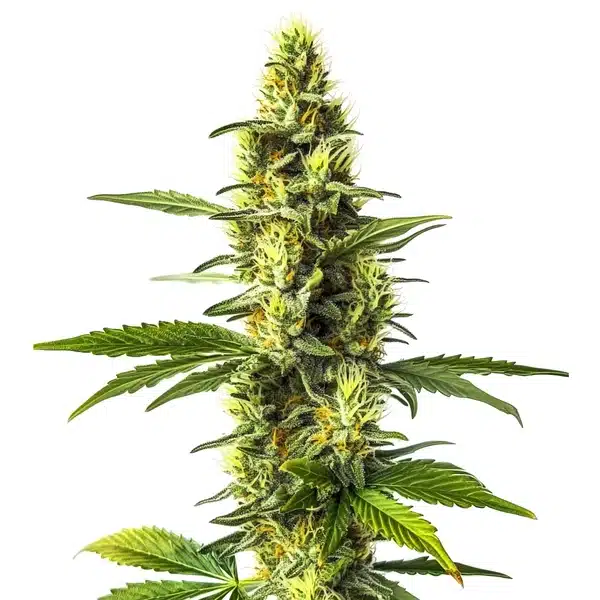
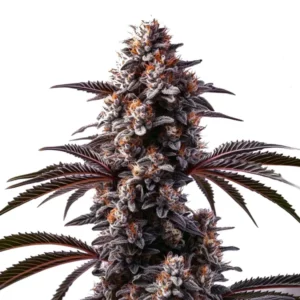
Amnesia Lemon

|
THC | 18% - 21% (Medium) |

|
Type | Feminized |

|
Yield | High |

|
Phenotype | 40% Indica / 60% Sativa |

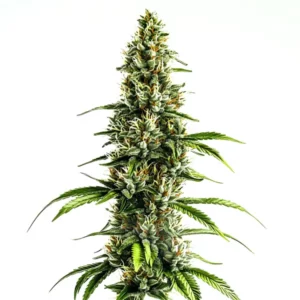
GG4
|
|
THC | 27% (High) |
|
|
Type | Feminized |
|
|
Yield | High |
|
|
Phenotype | 40% Indica / 60% Sativa |
For example, a study on the photodegradation kinetics of cannabinoids showed that light exposure significantly impacts the stability of cannabinoids. This means that the way you store your cannabis seeds and plants can directly influence their longevity and potency.
Zero-Order Kinetics Explained
Zero-order kinetics in cannabinoid degradation is a simple way to describe how cannabinoids break down over time. In this model, the rate of degradation is constant. It doesn’t matter how much cannabinoid you start with; the degradation rate stays the same.
This model is useful when light exposure is the main factor causing degradation. For example, if you leave your cannabis under bright lights, the cannabinoids might degrade at a steady pace. This is where strains like GG4 from Blimburn Seeds can be sensitive since it’s known for its high THC levels.
Knowing zero-order kinetics in cannabinoid degradation is essential for outdoor cultivators who might not have precise control over environmental variables. Constant degradation rates imply that planning harvest times and storage conditions become crucial to maintaining potency. By anticipating these steady rates, growers can better manage the timing of their cultivation cycle to optimize cannabinoid retention.
Moreover, adopting practices that minimize abrupt changes in light exposure can help maintain cannabinoid stability under light exposure kinetics. Using shading techniques, for instance, can help slow down the degradation process, making zero-order kinetics more manageable in practical cultivation scenarios. This approach is particularly beneficial for strains like those offered by Blimburn Seeds, which thrive under carefully managed light conditions.
Promos & Deals
First-Order Reaction Model for Cannabinoids
The first-order reaction model for cannabinoids is slightly more complex. Here, the rate of degradation depends on the concentration of the cannabinoid itself. As the concentration decreases, so does the degradation rate. This is common in more controlled environments where light exposure varies.
First-order kinetics is particularly relevant for indoor growers who can control light exposure. Strains like Blue Dream from Blimburn Seeds might be ideal in such settings, as maintaining their cannabinoid profile is easier when degradation follows first-order kinetics.
For those utilizing the first-order reaction model for cannabinoids, it’s important to continuously monitor the concentration levels of cannabinoids throughout the growth cycle. This allows growers to adjust environmental conditions proactively, ensuring that the degradation rate aligns with their cultivation goals. The adaptability of the first-order model makes it particularly valuable for precision agriculture techniques.
Incorporating the first-order reaction model for cannabinoids into your cultivation strategy can also facilitate more efficient resource use. By precisely tailoring light schedules and intensity, growers can achieve optimal results without unnecessary energy expenditure. This efficiency is not only cost-effective but also supports sustainable cultivation practices.
Impact of Light on Cannabinoid Degradation Kinetics
Light is a major factor that causes cannabinoid degradation. The impact of light on cannabinoid degradation kinetics can be significant, affecting both the speed and extent of degradation. Different light sources, like UV rays or artificial lights, can have varying effects.
For instance, studies show that UV light accelerates cannabinoid degradation more than regular indoor lighting. If you’re growing strains like Amnesia Lemon from Blimburn Seeds, which are sensitive to light changes, it’s essential to manage light exposure carefully.
Knowing the impact of light on cannabinoid degradation kinetics can provide growers with the insights needed to optimize their lighting setups. By choosing the right type of light and controlling exposure duration, cultivators can significantly extend the shelf life of their cannabis products. This is particularly crucial for maintaining the integrity of high-value strains.
Moreover, innovative lighting technologies, such as spectrum-adjustable LED systems, are becoming increasingly popular for managing the photodegradation kinetics of cannabinoids (zero/first-order models). These technologies allow growers to fine-tune the light spectrum to reduce degradation rates, ensuring that the cannabinoid profile remains consistent throughout the cultivation process.
Tips for Managing Cannabinoid Stability Under Light Exposure
To ensure cannabinoid stability under light exposure kinetics, start by choosing the right storage solutions. Opaque containers can block harmful light, reducing the risk of degradation. This is crucial for preserving strains like GG4, known for its high THC content.
Another useful tip is to control your growing environment’s light exposure. Use timers to limit how long your plants are under direct light. This approach works well for first-order reaction models where light intensity can vary.
In addition to storage and timing, consider implementing reflective materials within your growing space. These materials can help distribute light more evenly, minimizing hotspots that can exacerbate degradation. Such practices align with maintaining cannabinoid stability under light exposure kinetics, ensuring a balanced light environment for optimal growth.
Finally, integrating smart technology systems that monitor light intensity and duration can provide real-time data to help you make informed decisions. This data-driven approach can enhance the precision with which you manage light exposure, providing a competitive edge in achieving high-quality yields.
Practical Examples of Photodegradation Kinetics in Cannabis Cultivation
Real-life examples can help illustrate how photodegradation kinetics of cannabinoids affect cultivation. Imagine you’re growing Amnesia Lemon indoors. You notice changes in potency over time due to light exposure. By applying first-order kinetics, you can adjust light schedules to minimize degradation.
For outdoor growers, zero-order kinetics might be more relevant. Cannabis plants exposed to consistent sunlight may degrade at a steady rate. Choosing strains that are more resilient, like GG4, can help reduce the impact of light exposure.
In practice, knowing the photodegradation kinetics of cannabinoids (zero/first-order models) allows for strategic planning and execution. For instance, growers can stagger planting schedules to ensure that the harvest occurs when light conditions are most favorable, thereby reducing the degradation risk during peak exposure periods.
Additionally, employing predictive modeling tools can help simulate different light scenarios, providing insights into potential degradation pathways. Such tools can offer valuable foresight, allowing growers to make adjustments before issues arise, thus safeguarding the cannabinoid profile and overall plant health.

FAQs about photodegradation kinetics of cannabinoids (zero/first-order models)
How does light affect cannabinoid stability?
Light can significantly impact cannabinoid stability by accelerating the degradation process. Exposure to UV light, in particular, is known to increase the rate at which cannabinoids break down. This can lead to a reduction in potency and effectiveness. To counter this, it’s important to manage light exposure carefully, using opaque containers and implementing timed lighting schedules.
Besides, the type of light source used can also affect degradation. For instance, LED lights are generally less harmful than UV lights, making them a better choice for indoor cultivation where maintaining cannabinoid stability is crucial.
What are the differences between zero-order and first-order kinetics?
Zero-order kinetics describes a degradation process where the rate is constant, regardless of the initial concentration of the cannabinoid. This model is often applied when light exposure is the primary factor causing degradation. It’s useful for predicting how cannabinoids will degrade over time in open, uncontrolled environments.
First-order kinetics, on the other hand, indicates that the degradation rate depends on the concentration of the cannabinoid. As the concentration decreases, the rate of degradation slows. This model is more applicable in controlled environments where light exposure and other factors can be managed.
How can I protect my cannabis from photodegradation?
Protecting your cannabis from photodegradation involves careful management of light exposure. Use opaque containers to block harmful light and store your cannabis in a cool, dark place. This helps prevent degradation and preserves the cannabinoid profile.
Additionally, controlling the light exposure in your growing environment is key. Implementing timed lighting schedules and choosing the right type of light can significantly reduce the risk of photodegradation, ensuring your cannabis remains potent and effective.
Are some cannabis strains more resistant to photodegradation?
Yes, some cannabis strains are naturally more resistant to photodegradation than others. Strains with higher THC levels, such as GG4, may degrade more slowly under certain conditions. However, all strains are susceptible to degradation if exposed to the wrong light conditions.
Choosing strains that are known for their resilience, like Blue Dream or Amnesia Lemon from Blimburn Seeds, can help mitigate the effects of light exposure. Additionally, proper storage and light management practices are essential for preserving cannabinoid stability.
Why is it important to understand photodegradation kinetics in cannabis cultivation?
Knowing photodegradation kinetics in cannabis cultivation is crucial for maintaining the quality and potency of your plants. By knowing how cannabinoids degrade under different conditions, you can implement strategies to reduce degradation and preserve the desired effects.
This knowledge helps you optimize growing practices, choose the right strains, and ensure that your cannabis remains effective over time. Whether you’re a first-time grower or an experienced cultivator, knowing these kinetics is key to successful cannabis cultivation.