Essential Guide to Measuring Light Dose: Irradiance vs Illuminance in Cannabis

Light is a critical factor in cannabis growth, influencing yield, potency, and overall plant health. When exploring measuring light dose: irradiance vs illuminance in cannabis studies, two key terms often come up: irradiance and illuminance. Both play significant roles in how your plants develop, but they measure different aspects of light, making them essential concepts for accurate cannabis research and cultivation optimization.
Irradiance refers to the power of electromagnetic radiation per unit area, typically measured in watts per square meter (W/m²). It’s all about the energy being delivered to your plants. On the other hand, illuminance measures how much visible light illuminates a surface, measured in lux or lumens per square meter. Think of it as how bright the light appears to your plants.
Recommended Strains

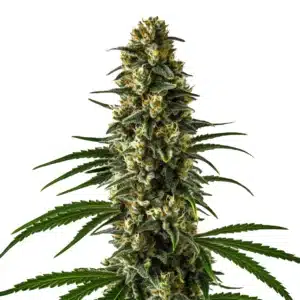
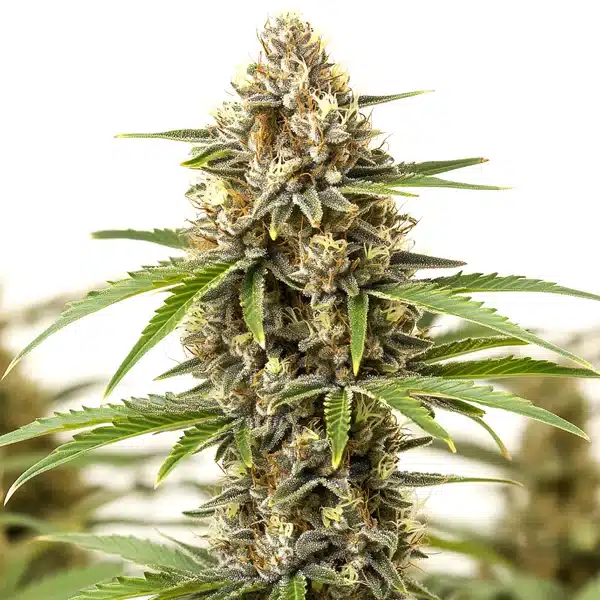
Tangie

|
THC | 19% - 22% (Medium) |

|
Type | Feminized |

|
Yield | High |

|
Phenotype | 30% Indica / 70% Sativa |
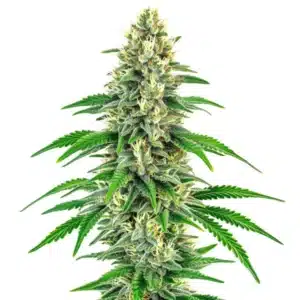
Pineapple Haze
|
|
THC | 15% - 22% (Medium) |
|
|
Type | Feminized |
|
|
Yield | Low |
|
|
Phenotype | 40% Indica / 60% Sativa |
It’s easy to confuse these terms, but each plays a unique role in cannabis studies. By knowing the differences, you can optimize your grow setup and improve plant outcomes. Let’s delve into the specifics and see how they impact your cannabis cultivation.
Irradiance: The Energy Factor
Irradiance is like the fuel for your plants. It accounts for the total energy from all wavelengths hitting your cannabis leaves. In cannabis cultivation, this energy directly affects photosynthesis, the process by which plants convert light into chemical energy.
For instance, if you’re growing the Pineapple Haze from Blimburn Seeds, ensuring adequate irradiance could mean the difference between a robust harvest and a lackluster one. More energy typically translates to more growth, but too much can lead to light stress or burn.
In measuring light dose in cannabis research, knowing irradiance becomes crucial as it dictates the potential for maximizing plant growth. Each strain may have specific requirements, and adjusting the irradiance levels accordingly can significantly enhance the growth process. Monitoring and adjusting light intensity measurement in cannabis cultivation ensures that plants receive the optimal energy for photosynthesis.
The effects of irradiance on cannabis growth are profound, influencing not only the rate of growth but also the quality of the yield. Strains like Tangie from Blimburn Seeds may respond particularly well to higher irradiance levels, which can lead to increased resin production and potency. However, it’s essential to balance this with adequate cooling to prevent potential heat damage.
Promos & Deals

Illuminance: The Perceived Brightness
While irradiance is about energy, illuminance is about perception. It measures how much of the visible spectrum is lighting up your plants. This is crucial for knowing how your grow lights mimic natural sunlight.
Consider the Girl Scout Cookies strain from Blimburn Seeds. Proper illuminance levels ensure that the plant receives the right amount of light for vigorous leaf and bud development without unnecessary energy expenditure. Balancing illuminance keeps your plants healthy and thriving.
Illuminance plays a critical role in plant studies, especially when comparing illuminance and irradiance in cannabis experiments. By ensuring the right level of brightness, growers can simulate the ideal conditions of natural sunlight, enhancing the plant’s ability to thrive. This balance helps in fine-tuning the grow environment for specific strains.
In measuring light dose: irradiance vs illuminance in cannabis studies, knowing the perceived brightness allows growers to tailor their lighting systems more effectively. This ensures that the plants are not only receiving the necessary energy but also the right quality of light for optimal photosynthesis and growth. Using lux meters can help achieve this balance, leading to healthier and more productive plants.
Measuring Light Dose: Tools and Techniques
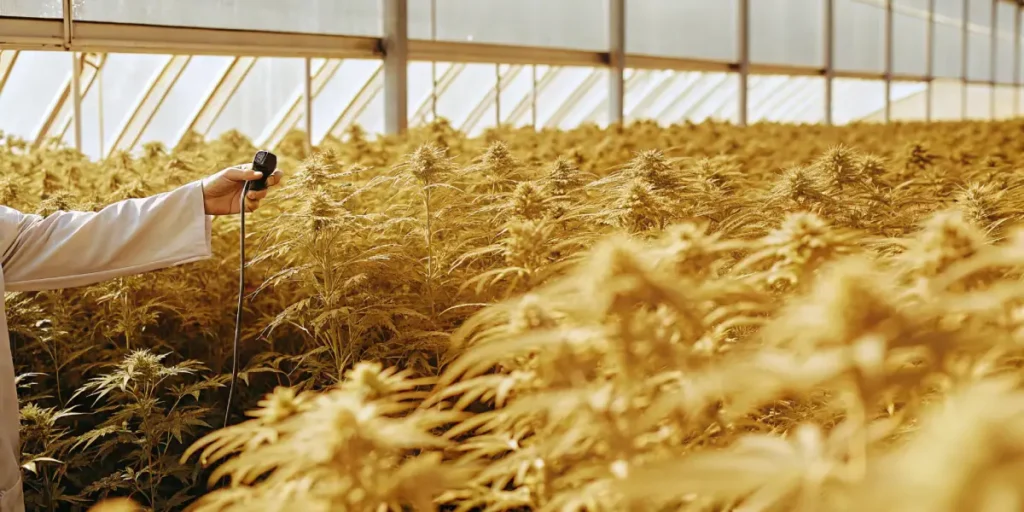
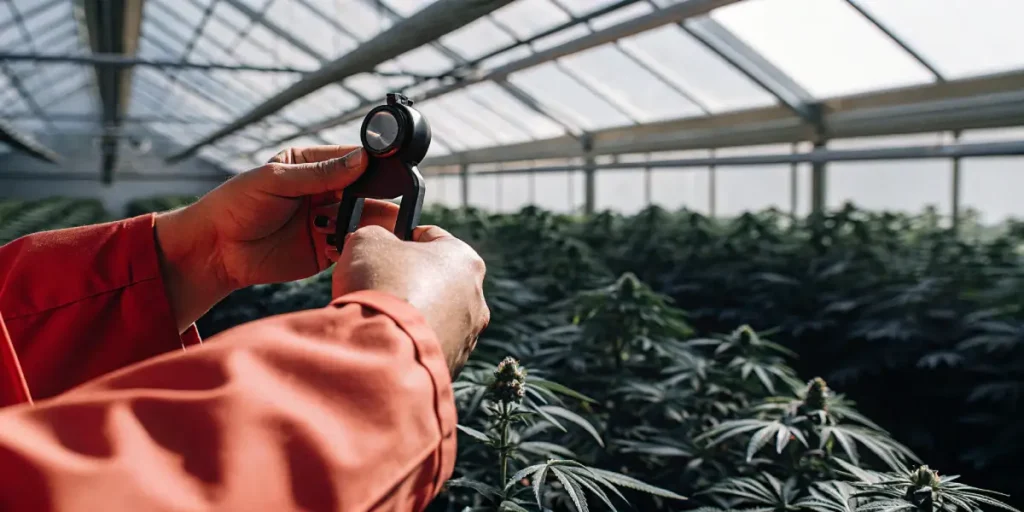
To accurately measure light dose: irradiance vs illuminance in cannabis studies, you’ll need the right tools. PAR meters are excellent for measuring irradiance as they focus on photosynthetically active radiation, the light plants can use.
For illuminance, a lux meter does the trick. It measures the visible light intensity, helping you adjust your grow lights for optimal plant health. Combining these tools provides a comprehensive knowing of your grow environment.
Light intensity measurement in cannabis cultivation is pivotal in achieving the desired outcomes for your plants. These tools not only help in measuring the energy and brightness but also in adjusting them to meet the specific needs of each strain. This precision in measurement and adjustment can lead to significant improvements in yield and plant health.
When cultivating strains like Tangie from Blimburn Seeds, using these tools ensures you not only meet the basic light requirements but also enhance metabolic processes, leading to better yields and potency. The integration of these tools into your cultivation practices allows for a more scientific approach to growing cannabis.
Effects of Irradiance on Cannabis Growth
High irradiance levels can accelerate growth in cannabis plants. This is particularly beneficial for strains that thrive under intense light, leading to faster flowering and higher yields. However, managing heat becomes crucial to prevent plant stress.
For example, while growing Pineapple Haze, you might notice increased bud density and resin production with optimal irradiance. This is because the energy facilitates more photosynthesis, resulting in healthier and more productive plants.
The effects of irradiance on cannabis growth are directly linked to the plant’s photosynthetic efficiency. By providing the right amount of light energy, growers can increase the plant’s ability to produce essential compounds, leading to higher quality yields. It’s a delicate balance, as too much irradiance without proper cooling can lead to adverse effects such as leaf burn.
Measuring light dose in cannabis research helps identify the optimal irradiance levels for different strains. Strains from Blimburn Seeds, such as the Girl Scout Cookies, may require specific irradiance settings to unlock their full potential. By fine-tuning these levels, growers can achieve a harmonious balance between growth and energy efficiency.
Comparing Illuminance and Irradiance in Cannabis Experiments
In cannabis experiments, comparing illuminance and irradiance helps in knowing light’s full impact. While illuminance gives you a sense of the light environment, irradiance tells you about the energy content. Both are crucial for fine-tuning your grow setup.
For the Girl Scout Cookies strain, researchers might use these metrics to determine optimal light conditions. By adjusting both illuminance and irradiance, growers can manipulate flowering times and cannabinoid profiles.
Comparing illuminance and irradiance in cannabis experiments provides insights into how different light qualities affect plant growth and development. This comparison allows researchers to determine the best light conditions for enhancing growth rates and yield quality. It also helps in identifying how different strains from Blimburn Seeds react to varying light conditions.
In measuring light dose: irradiance vs illuminance in cannabis studies, knowing these differences enables growers to adjust their cultivation techniques accordingly. This knowledge is instrumental in creating a more controlled environment that meets the specific needs of each strain, leading to improved efficiency and productivity in cannabis cultivation.
FAQs about measuring light dose: irradiance vs illuminance in cannabis studies
What is the best way to measure light dose in cannabis cultivation?
The best way to measure light dose in cannabis cultivation involves using both PAR meters and lux meters. PAR meters are great for measuring irradiance, focusing on the light spectrum that plants use for photosynthesis. Lux meters measure illuminance, helping you gauge how much visible light is reaching your plants.
Balancing both measurements ensures that your plants receive the right amount of energy and visible light. This is crucial for optimizing growth conditions for strains like Tangie from Blimburn Seeds, leading to healthier plants and better yields.
By integrating these tools into your cultivation practices, you can achieve a more precise knowing of how light affects your plants. This precision is key in measuring light dose in cannabis research, allowing you to tailor your grow setup to the specific requirements of each strain. The result is a more efficient and productive growing environment.
Moreover, staying informed about the latest advancements in light measurement technology can further enhance your cultivation techniques. Whether you’re a hobbyist or a commercial grower, knowing the nuances of irradiance versus illuminance in plant studies will lead to superior cultivation outcomes.
How does measuring light dose: irradiance vs illuminance in cannabis studies impact growth?
Measuring light dose: irradiance vs illuminance in cannabis studies impacts growth by allowing you to optimize your lighting setup. Irradiance affects the energy available for photosynthesis, while illuminance influences how plants perceive light. Together, they help you create an ideal growing environment.
By knowing these measurements, you can tailor light conditions to suit specific strains, such as Pineapple Haze, enhancing growth rates, yield, and potency. This approach is key to successful cannabis cultivation.
Knowing the differences between these two measurements helps in creating a balanced light environment that caters to the specific needs of each strain. This balance is crucial for achieving optimal growth and maximizing yield potential. The insights gained from measuring light dose in cannabis research guide growers in fine-tuning their lighting setups.
Incorporating these insights into your cultivation practices not only improves plant health but also enhances the overall quality of your cannabis products. Strains from Blimburn Seeds, like Girl Scout Cookies, may exhibit significant improvements in growth and potency when exposed to the right light conditions, highlighting the importance of precise light management.
Why is it important to differentiate between irradiance and illuminance?
Differentiating between irradiance and illuminance is important because they measure different aspects of light that affect plant growth. Irradiance focuses on the total energy hitting the plant, crucial for photosynthesis and growth. Illuminance measures the brightness perceived by the plant, important for balancing light exposure.
Knowing these differences helps growers optimize light conditions for specific cannabis strains from Blimburn Seeds, ensuring plants grow efficiently and healthily. This knowledge is vital for achieving high-quality yields.
In light intensity measurement in cannabis cultivation, the ability to distinguish these two terms allows for more accurate adjustments to your grow setup. This differentiation ensures that plants receive the right combination of energy and brightness, crucial for their development and productivity.
Properly managing these aspects of light exposure ensures that your plants can achieve their full growth potential. This knowing is especially important for growers focusing on high-quality cannabis production, as it leads to healthier plants and superior yields.
Can high irradiance levels be harmful to cannabis plants?
Yes, high irradiance levels can be harmful if not managed properly. While increased energy can boost growth and yields for some strains, too much can lead to heat stress, leaf burn, and other issues. It’s critical to balance light intensity with proper cooling and ventilation.
Monitoring your grow environment and adjusting light levels is essential for preventing damage, especially when cultivating sensitive strains like Girl Scout Cookies. Proper management ensures plants remain healthy and productive.
The effects of irradiance on cannabis growth can vary depending on the strain and environmental conditions. While some strains thrive under intense light, others may become stressed and exhibit signs of damage. It’s important to carefully monitor your plants and adjust the light levels to prevent adverse effects.
By knowing the nuances of irradiance versus illuminance in plant studies, growers can develop strategies to mitigate potential risks associated with high light levels. This approach leads to a more controlled and successful cultivation experience, allowing for the production of high-quality cannabis plants.
How can I optimize light conditions for my cannabis plants?
To optimize light conditions for your cannabis plants, use a combination of PAR and lux meters to measure irradiance and illuminance, respectively. Adjust your grow lights to provide the optimal balance of energy and visible light for the specific strain you’re cultivating.
Consider factors like plant stage, strain characteristics, and environmental conditions. For example, strains like Tangie may require specific light settings to maximize growth and cannabinoid production. Fine-tuning these elements leads to better cultivation results.
Optimizing light conditions involves a comprehensive knowing of measuring light dose: irradiance vs illuminance in cannabis studies. By aligning your lighting strategy with the needs of each plant stage and strain, you can significantly enhance growth outcomes and overall plant health.
Incorporating advanced light measurement techniques can lead to more efficient cultivation practices. This not only improves the quality and yield of your cannabis plants but also reduces energy consumption and operational costs, making your grow operation more sustainable and productive.