Expert Guide: Essential EU Guidelines for PGR Residues in Cannabis

For those venturing into the world of cannabis cultivation, knowing the EU guidelines for PGR residues in cannabis is crucial. These guidelines ensure safety and quality, protecting both consumers and growers. The European Union has put in place stringent rules to manage plant growth regulators (PGRs) within cannabis products.
Plant growth regulators are chemicals used to control the growth and development of plants. When it comes to cannabis, PGRs help in achieving desired characteristics like increased yield and improved plant shape. However, excessive residues can pose health risks. Therefore, compliance with EU cannabis PGR standards is a must for any responsible grower.
Recommended Strains
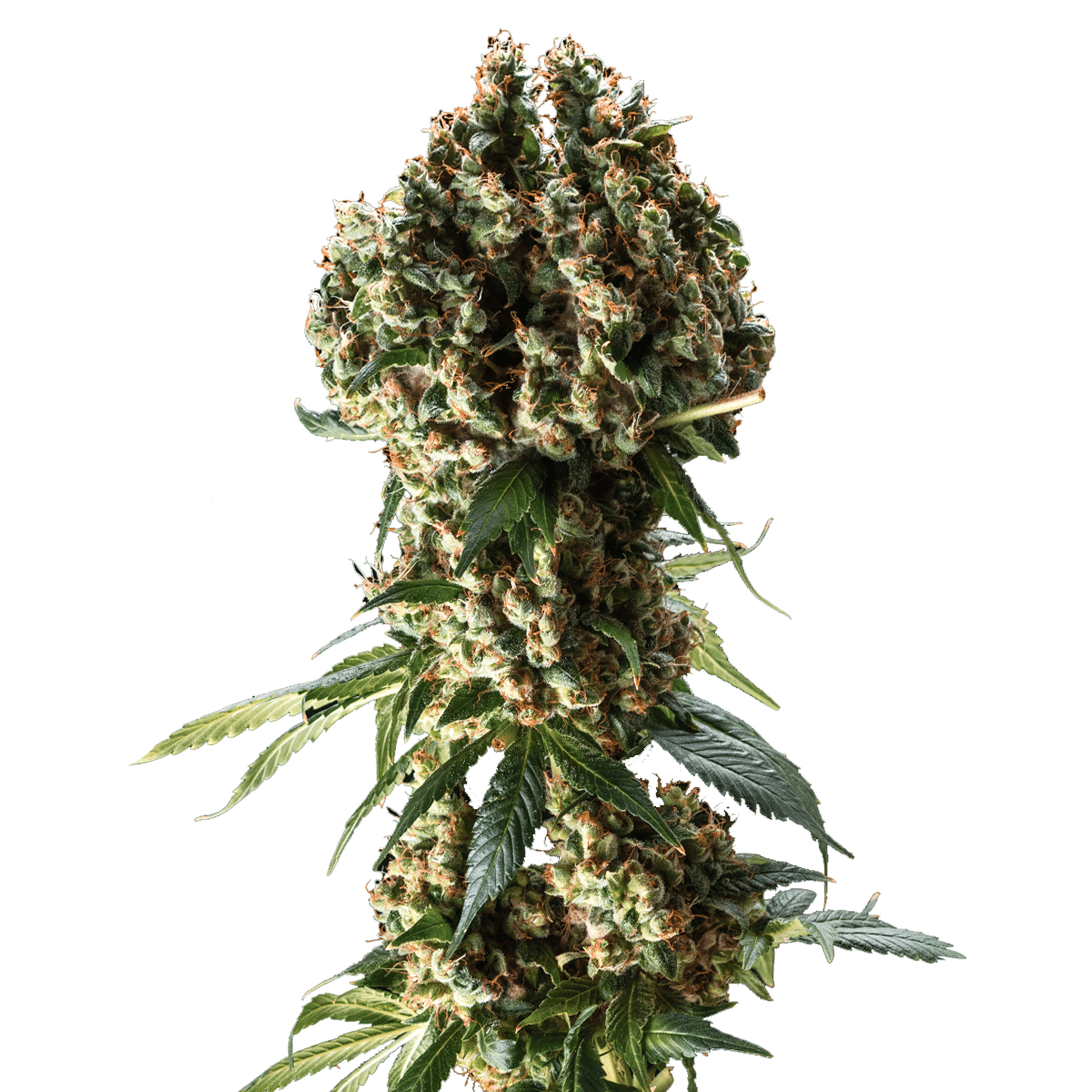
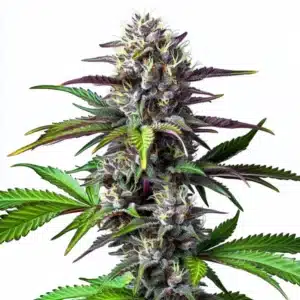
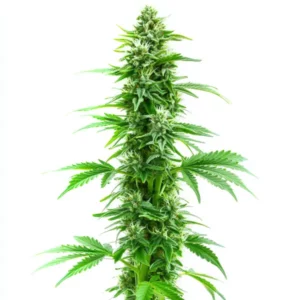
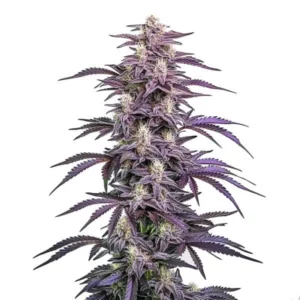
Granddaddy Purple

|
THC | 25% (High) |

|
Type | Feminized |

|
Yield | High |

|
Phenotype | 70% Indica / 30% Sativa |

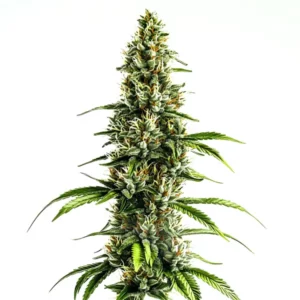
Blue Dream
|
|
THC | 17% - 24% (High) |
|
|
Type | Feminized |
|
|
Yield | High |
|
|
Phenotype | 50% Indica / 50% Sativa |
Monitoring PGR residues in EU cannabis is not just about following rules but also about ensuring the end product’s safety. Awareness and adherence to these guidelines can enhance trust among consumers and contribute to a successful cultivation business. Blimburn Seeds, a reputable name in the industry, offers strains that align well with these standards.
Key Aspects of EU Guidelines for PGR Residues in Cannabis
The EU regulations on PGR levels in cannabis are designed to ensure that cannabis products are safe for consumption. These rules outline the maximum allowable levels of various PGR substances in cannabis. By setting these limits, the EU aims to minimize potential health risks associated with high levels of PGR residues.
Growers must regularly test their cannabis products to ensure compliance with these standards. This involves both self-monitoring and third-party testing to provide credible results. By doing so, producers can demonstrate their commitment to EU cannabis safety standards for PGR residues, thereby gaining consumer trust.
The implementation of these EU guidelines for PGR residues in cannabis not only focuses on consumer safety but also encourages sustainable agricultural practices. By setting clear standards, the EU promotes a more environmentally friendly approach to cultivation, urging growers to reduce reliance on chemical growth regulators.
Furthermore, knowing these guidelines can also help growers optimize their cultivation techniques. By staying informed about the latest EU regulations on PGR levels in cannabis, cultivators can make informed decisions that enhance crop quality while ensuring compliance with EU cannabis PGR standards.
Practical Tips for Compliance with EU Cannabis PGR Standards
One practical step for growers is to choose cannabis strains that naturally require fewer PGRs. Blimburn Seeds offers strains like Granddaddy Purple, which are known for their robust growth and minimal need for external growth regulators.
Another tip is to implement organic farming practices. Using natural fertilizers and pest control methods can significantly reduce the need for synthetic PGRs. This approach not only aligns with EU guidelines for cannabis pesticide residues but also promotes environmental sustainability.
Establishing a routine for soil and plant health checks can also aid in reducing PGR dependency. By knowing the specific needs of their crops, growers can tailor their strategies to meet EU guidelines for PGR residues in cannabis without compromising on quality.
Additionally, investing in high-quality cultivation equipment can enhance efficiency, allowing growers to maintain optimal growth conditions and reduce the need for PGRs. This proactive approach further supports compliance with EU cannabis safety standards for PGR residues.
Cannabis Strains from Blimburn Seeds for Safe Cultivation
Blimburn Seeds offers a variety of cannabis strains that are suitable for meeting EU guidelines for PGR residues in cannabis. One such strain is Blue Dream, which is popular for its balanced effects and ease of growth.
Another excellent choice is the Girl Scout Cookies strain. Known for its potent effects and rich flavor, this strain also thrives with minimal use of PGRs, making it a safe and compliant option for growers.
These strains are well-regarded not just for their quality but also for their adaptability to different growing conditions. By choosing the right strains, growers can effectively manage PGR levels while ensuring compliance with EU cannabis safety standards.
Besides to their adaptability, these strains from Blimburn Seeds are bred to resist common pests and diseases, further reducing the need for chemical interventions. This natural resistance aligns with EU guidelines for cannabis pesticide residues, promoting a healthier and safer cultivation environment.
Promos & Deals
Maintaining Compliance: Steps for Growers
Staying compliant with EU guidelines for PGR residues in cannabis involves a proactive approach. Regular testing and monitoring are essential components of this process. By implementing a robust testing regime, growers can detect any deviations early and take corrective actions promptly.
Documentation is another critical aspect. Keeping detailed records of PGR usage and test results helps in demonstrating compliance during inspections. This practice not only ensures adherence but also prepares growers for any future regulatory changes.
Developing a comprehensive compliance plan is crucial for long-term success. This plan should include scheduled audits, staff training sessions, and updates on any changes to EU regulations on PGR levels in cannabis to ensure ongoing adherence to standards.
Moreover, collaborating with industry experts and consultants can provide valuable insights into maintaining compliance. By leveraging external expertise, growers can stay ahead of regulatory requirements and enhance their knowing of EU cannabis safety standards for PGR residues.

FAQs about EU guidelines for PGR residues in cannabis
What are PGRs and why are they used in cannabis cultivation?
Plant growth regulators (PGRs) are chemicals that influence the growth and development of plants. In cannabis cultivation, they are often used to control plant size, improve yields, and enhance certain desirable characteristics. However, using PGRs requires careful management to avoid excessive residue levels that can be harmful.
While PGRs can be beneficial, the EU guidelines for cannabis pesticide residues mandate strict control over their use. This ensures that the final cannabis product is safe for consumers, maintaining the balance between effective cultivation practices and health standards.
Besides to safety, knowing the function of PGRs in cultivation can help growers optimize their production methods. By aligning with EU guidelines for PGR residues in cannabis, cultivators can achieve high-quality yields that meet both commercial and regulatory expectations.
Furthermore, the controlled use of PGRs can contribute to more efficient resource management. By reducing dependency on these chemicals, growers can lower production costs and improve the sustainability of their operations, all while adhering to compliance with EU cannabis PGR standards.
How can I ensure my cannabis products comply with EU guidelines?
Compliance with EU guidelines for PGR residues in cannabis involves several key steps. First, select strains known for their low PGR requirements, such as those offered by Blimburn Seeds. Next, adopt organic farming practices to minimize the need for synthetic PGRs.
Additionally, regular testing of your products is crucial. This not only ensures compliance but also builds trust with consumers. Consider working with certified laboratories for unbiased testing results that accurately reflect your adherence to EU regulations on PGR levels in cannabis.
Implementing a comprehensive quality control system is also vital. By setting up checkpoints throughout the cultivation process, growers can ensure that every step aligns with EU cannabis safety standards for PGR residues, mitigating risks of non-compliance.
Engaging with industry associations and forums can also be beneficial. These platforms offer the latest information on EU guidelines for PGR residues in cannabis, helping growers stay informed and prepared for any regulatory updates or changes.
Why is monitoring PGR residues important for consumer safety?
Monitoring PGR residues in EU cannabis is vital for consumer safety because excessive levels can pose health risks. PGRs can affect human health if consumed in large amounts, leading to potential adverse effects. Thus, keeping these residues within the limits set by the EU is crucial.
By adhering to EU cannabis safety standards for PGR residues, producers not only protect consumers but also enhance the reputation of their products. Safe, compliant products are more likely to gain acceptance and trust in the market, boosting business success.
Consumer safety is a top priority in the cannabis industry, and diligent monitoring ensures that products meet the highest standards. This vigilance in compliance with EU cannabis PGR standards fosters a responsible industry culture that prioritizes health and well-being.
Moreover, transparent reporting of testing results can further reinforce consumer confidence. By openly sharing compliance data, growers can demonstrate their commitment to EU guidelines for PGR residues in cannabis, setting a benchmark for quality and safety.
What role does Blimburn Seeds play in ensuring compliance?
Blimburn Seeds provides strains that are well-suited for compliance with EU cannabis PGR standards. Their strains, such as Granddaddy Purple, Blue Dream, and Girl Scout Cookies, are bred to thrive with minimal PGR intervention, making them ideal choices for growers focused on safety and quality.
By choosing strains from Blimburn Seeds, growers can more easily meet the EU guidelines for PGR residues in cannabis. This not only ensures that their products are safe but also positions them favorably in a competitive market where compliance is increasingly important.
Besides to their range of compliant strains, Blimburn Seeds offers resources and support to growers aiming to adhere to EU regulations on PGR levels in cannabis. This includes guidance on best practices and access to a community of experts.
Moreover, the commitment of Blimburn Seeds to innovation and sustainability aligns with the principles of EU guidelines for cannabis pesticide residues. Their dedication to producing high-quality, compliant strains underscores their leadership in the industry.
Are there penalties for non-compliance with EU guidelines?
Yes, there are penalties for failing to comply with EU guidelines for PGR residues in cannabis. These can range from fines to more severe sanctions, including the suspension of business licenses. Non-compliance not only risks legal consequences but also damages a brand’s reputation.
Therefore, it is crucial for growers to stay informed and adhere strictly to these guidelines. Regular updates and training can help in maintaining compliance, ensuring that both the business and its customers remain protected.
A proactive approach to compliance can prevent costly repercussions. By investing in regular audits and adhering to EU cannabis safety standards for PGR residues, growers can safeguard their operations against potential legal challenges.
Moreover, embracing a culture of compliance enhances brand credibility. By demonstrating a commitment to EU guidelines for PGR residues in cannabis, businesses can build a loyal customer base that values safety and quality.