Essential Guide: PGR Contamination vs Pesticide Contamination in Cannabis

PGR contamination vs pesticide contamination in cannabis is a hot topic among both first-time seed buyers and seasoned growers. Plant Growth Regulators (PGRs) and pesticides both aim to enhance cannabis growth, yet they bring different risks. While PGRs boost size and yield, they can compromise quality and health. Pesticides, on the other hand, fend off pests but leave behind residues that may affect the plant’s purity.
For those new to cannabis cultivation, PGRs are chemicals that alter plant growth. Think of them as steroids for plants. They can make your buds bigger and denser, but at what cost? PGR contamination effects on cannabis health include altered cannabinoid profiles and potential health risks for users. Pesticides protect plants from bugs and diseases but can leave harmful residues on the final product.
Recommended Strains
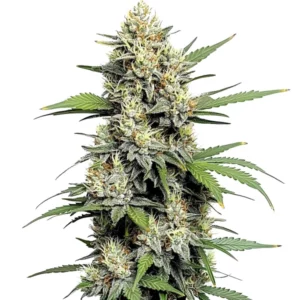
Girl Scout Cookies

|
THC | 18% - 25% (High) |

|
Type | Feminized |

|
Yield | High |

|
Phenotype | 60% Indica / 40% Sativa |

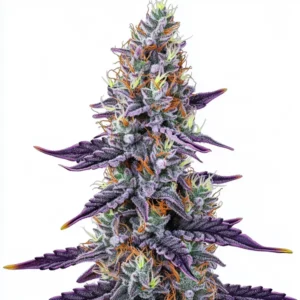
Blue Dream
|
|
THC | 17% - 24% (High) |
|
|
Type | Feminized |
|
|
Yield | High |
|
|
Phenotype | 50% Indica / 50% Sativa |
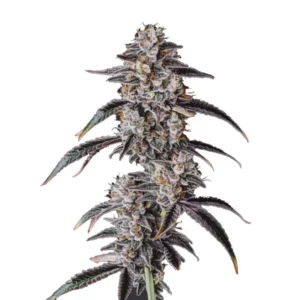
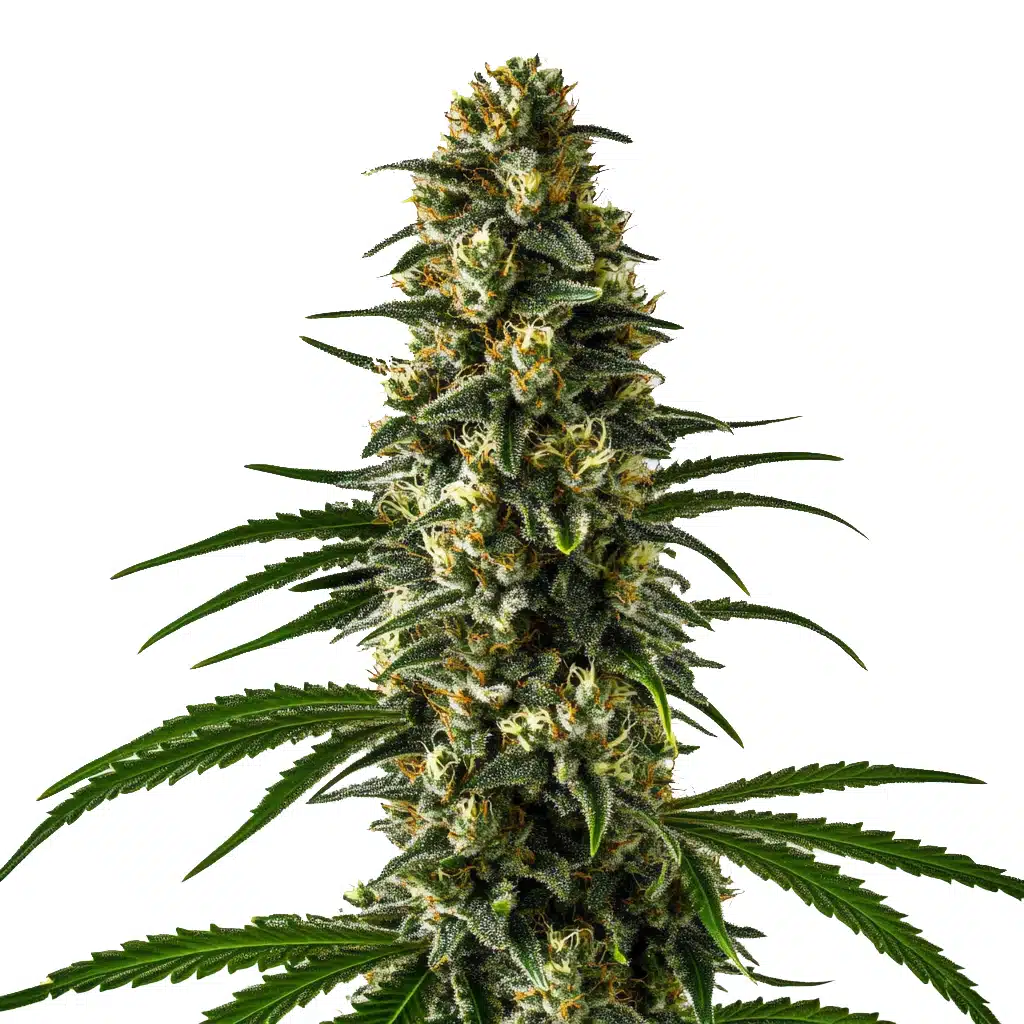
One strain to consider from Blimburn Seeds is the Girl Scout Cookies. Known for its robust growth and high yield, it’s a perfect strain for growers wary of PGRs. This strain thrives without the need for growth enhancers, showcasing the natural beauty of cannabis cultivation.
What Are PGRs and Pesticides?
Plant Growth Regulators are synthetic compounds that influence a plant’s natural hormonal activity. They can accelerate growth, shorten flowering time, and increase yield. However, the use of PGRs in cannabis cultivation remains highly controversial, especially when analyzing PGR contamination vs pesticide contamination in cannabis. While both pose potential risks, they differ significantly in origin, purpose, and impact.
In contrast, pesticides are chemicals used to kill or repel pests. These can include insects, weeds, fungi, and other unwanted organisms. While pesticides help protect the plant, the residues left can be problematic. The impact of pesticide residues on cannabis quality is significant. It can alter taste, aroma, and even the safety of the product.
Knowing the differences between PGR and pesticide contamination in cannabis is crucial for growers aiming to produce high-quality products. PGRs often result in a visually appealing plant, but the internal quality may be compromised. Pesticides, while protecting the plant from external threats, can introduce harmful chemicals that affect the consumer.
Both PGRs and pesticides have their place in agriculture, but when it comes to cannabis, the emphasis should be on natural and organic growth methods. Strains like those offered by Blimburn Seeds are bred to flourish without synthetic aids, ensuring purity and potency in every harvest. By choosing the right strains and cultivation practices, growers can uphold the integrity of their cannabis crops.
Identifying PGR Contamination in Cannabis Plants
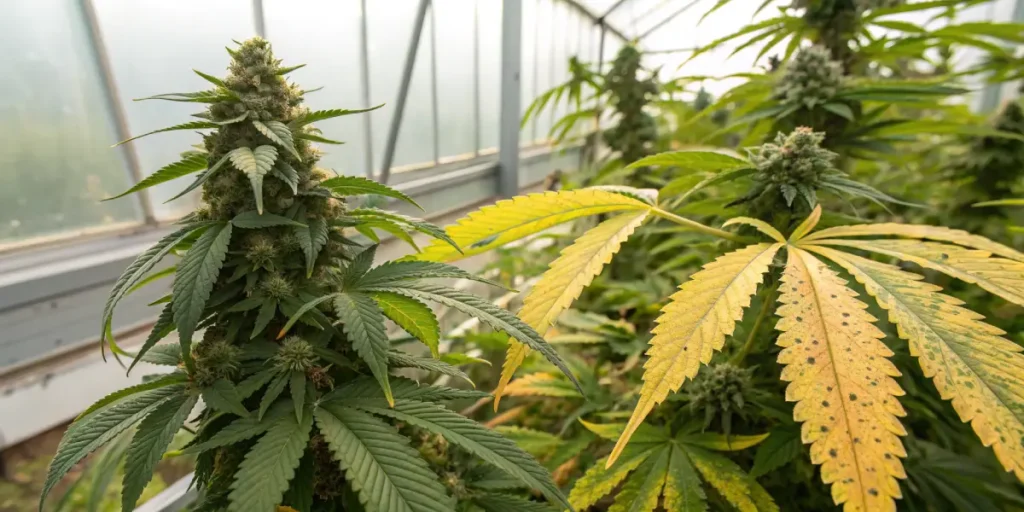
Spotting PGR contamination in cannabis isn’t always easy. Plants treated with PGRs often have very tight, hard buds. These buds might feel heavier than usual, and the plant may have a more uniform appearance. However, these visual cues aren’t foolproof. Testing for PGR vs pesticide contamination in cannabis is the most reliable method.
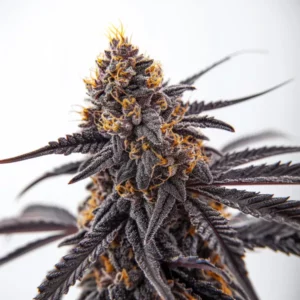
One way to avoid PGR contamination is to choose strains known for their natural robustness. Blimburn Seeds offers the Tangie strain, which grows vigorously without needing PGRs. This strain is celebrated for its vibrant citrus aroma and high resin production, achieved through natural growth processes.
Consistent monitoring and documentation of growth patterns can aid in identifying PGR contamination. Keeping track of plant development stages helps in recognizing abnormalities that may indicate contamination. If buds are unusually dense or there are unexpected changes in growth speed, it might be time to consider testing.
Investing in a microscope can also help. Inspecting trichomes up close can reveal inconsistencies in plants treated with PGRs. Healthy plants will have mushroom-shaped trichomes, whereas those affected might have malformed or unusually thick stalks. This method serves as a preliminary check before opting for professional lab testing.
Differences Between PGR and Pesticide Contamination in Cannabis
The primary differences between PGR contamination and pesticide contamination in cannabis lie in their effects and detection. PGRs can significantly alter the plant’s chemical composition, affecting cannabinoid and terpene profiles. This leads to a less potent and aromatic end product.
Pesticides, however, are more about surface contamination. The residues can linger on the plant, posing health risks when consumed. The impact of pesticide residues on cannabis quality can result in harsh smoke and possible health implications for users.
PGR contamination effects on cannabis health are particularly concerning due to their potential long-term impact. While pesticides may wash off to some extent, PGRs alter the plant at a cellular level, making it difficult to reverse their effects. Knowing these distinctions is essential for growers and consumers alike.
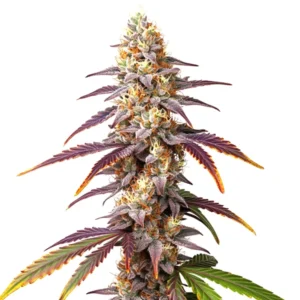
Growers can choose the famous Blue Dream strain from Blimburn Seeds, ideal for organic growing. This strain is known for its resilience to pests, reducing the need for chemical interventions. Its sweet berry flavor and high THC content make it a favorite among connoisseurs. Opting for naturally robust strains is a proactive approach to minimizing contamination risks.
Testing for PGR vs Pesticide Contamination in Cannabis
Testing for contaminants is crucial for ensuring cannabis safety and quality. Laboratory tests can detect the presence of both PGRs and pesticide residues. These tests analyze samples for chemical markers specific to each type of contamination.
For home growers, testing kits are available that can provide insights into the presence of harmful chemicals. While not as detailed as lab tests, they offer a starting point for identifying potential issues in your grow.
Implementing a regular testing schedule can greatly enhance the overall quality of cannabis production. By catching contamination early, growers can take corrective measures to safeguard their crops and ensure consumer safety. Regular testing also aids in maintaining compliance with industry standards.
Some practical steps include maintaining a clean growing environment and using organic pest control methods. Incorporating beneficial insects or natural repellents can reduce the need for pesticides. This proactive approach helps maintain the purity of your cannabis plants. Partnering with reputable seed providers like Blimburn Seeds can further ensure that you are starting with high-quality, uncontaminated genetics.
Promos & Deals


FAQs about PGR contamination vs pesticide contamination in cannabis
What are the health risks of PGR contamination in cannabis?
PGR contamination effects on cannabis health are concerning. PGRs can reduce the effectiveness of cannabinoids, leading to a weaker therapeutic effect. Long-term exposure to PGRs may pose health risks, including potential carcinogenic effects.
Consumers should be cautious and opt for cannabis products tested for purity. Choosing strains from reputable sources like Blimburn Seeds can mitigate these risks by ensuring natural, PGR-free growth.
Besides to health risks, PGR contamination can also impact the overall experience of using cannabis. The altered cannabinoid profiles may result in unexpected effects, which could be undesirable for both medicinal and recreational users. Educating consumers on the signs and symptoms of PGR contamination can empower them to make informed choices.
As awareness grows, more consumers are demanding transparency from growers and suppliers. This demand is driving the industry toward more stringent testing and quality assurance practices. Ultimately, prioritizing consumer health and safety is leading to more reliable and trustworthy cannabis products on the market.
How can I avoid pesticide contamination in my cannabis plants?
Avoiding pesticide contamination in cannabis involves adopting organic growing practices. Use natural pest control methods, such as neem oil or ladybugs, to manage pest issues without chemicals.
Regularly inspect your plants for signs of pest activity. Early intervention is key to preventing infestations and reducing the need for chemical pesticides. Selecting pest-resistant strains from Blimburn Seeds can also help keep your grow pesticide-free.
Creating a balanced and biodiverse ecosystem around your cannabis plants can naturally deter pests. Companion planting, for example, can attract beneficial insects that prey on common cannabis pests, thereby reducing the need for chemical interventions.
Moreover, ensuring optimal plant health through proper nutrition and environmental conditions can make your cannabis plants more resilient against pests and diseases. A well-maintained plant is less likely to require pesticides, furthering the goal of a clean and natural crop.
Why is testing for PGR and pesticide contamination important?
Testing for contaminants ensures the safety and quality of cannabis products. It helps identify harmful residues that can affect consumer health and product integrity.
Lab tests provide detailed analyses that can detect even trace amounts of contaminants. Regular testing is an essential part of responsible cannabis cultivation and consumption.
With the increasing legalization and regulation of cannabis, testing has become a mandatory aspect of the industry. Compliance with these regulations not only protects consumers but also legitimizes the market, fostering trust and reliability in cannabis products.
For consumers, knowing the importance of testing can guide purchasing decisions toward safer and higher-quality products. Knowledge about testing protocols and results can be a key factor in choosing brands and products that prioritize safety and quality, such as those from Blimburn Seeds.
Are there strains less likely to be affected by PGR and pesticide contamination?
Yes, selecting robust strains that thrive naturally can reduce the need for growth enhancers and pesticides. Strains like Girl Scout Cookies, Tangie, and Blue Dream from Blimburn Seeds are known for their resilience and quality.
These strains have been bred to perform well under various conditions, making them ideal choices for growers looking to minimize chemical use and maximize natural growth.
Choosing the right strain is the first step towards successful, contamination-free cannabis cultivation. Strains that are naturally resistant to common pests and diseases can significantly reduce the reliance on chemical interventions, ensuring a cleaner product.
Besides to selecting the right strains, employing sustainable and organic growing practices can further diminish the risk of contamination. Techniques such as crop rotation and soil health management contribute to a healthier growing environment, promoting the natural resilience of your cannabis plants.
Can PGR and pesticide contamination be detected without lab tests?
While lab tests are the most reliable method, there are signs to watch for. PGR contamination may result in unusually dense and uniform buds, while pesticide residues may alter the plant’s aroma and flavor.
Home growers can use visual inspections and simple testing kits as preliminary steps. However, for definitive results, professional lab testing is recommended to ensure the highest quality and safety.
Being familiar with the natural growth patterns and characteristics of your chosen cannabis strain can help in identifying irregularities that suggest contamination. This knowledge, combined with regular plant inspections, can serve as an early warning system for potential issues.
Ultimately, while home testing methods and inspections provide valuable insights, they should complement professional lab tests rather than replace them. This approach ensures a comprehensive knowing of any contamination issues, leading to safer consumption and higher-quality cannabis products.