Expert Guide: Compost vs Biochar for Reducing Heavy Metal Bioavailability

When you’re growing cannabis, particularly in urban environments, heavy metals in the soil can be a hidden challenge. The debate around compost vs biochar for reducing heavy metal bioavailability has become increasingly relevant for growers looking to improve soil safety and plant health. Compost and biochar are two popular strategies to tackle this problem. Both have their pros and cons, but which is better for reducing heavy metal bioavailability? Let’s dive into how each works and what they can offer to your cannabis cultivation efforts.
First off, let’s talk about compost within the context of compost vs biochar for reducing heavy metal bioavailability. It’s a tried-and-true soil amendment made from decomposed organic matter. Compost improves soil structure, adds nutrients, and enhances microbial activity. When it comes to heavy metals, its role is a bit more complex. Compost can bind heavy metals, making them less available to your cannabis plants. However, the effectiveness can vary depending on the type of organic material used and how the compost is processed.
Recommended Strains

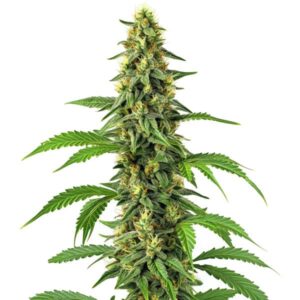
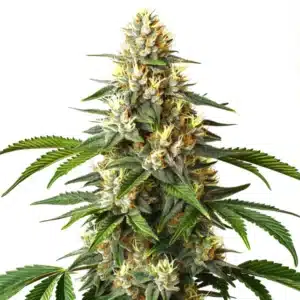
Moby Dick

|
THC | 24% - 27% (High) |

|
Type | Feminized |

|
Yield | High |

|
Phenotype | 40% Indica / 60% Sativa |
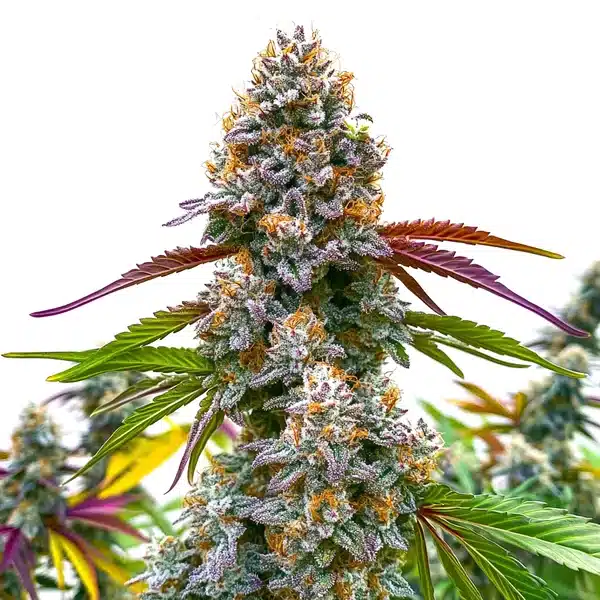
Critical Daddy Purple
|
|
THC | 19% (Medium) |
|
|
Type | Feminized |
|
|
Yield | High |
|
|
Phenotype | 50% Indica / 50% Sativa |
On the other hand, biochar is a newer kid on the block. Created through the pyrolysis of organic material, biochar is a stable form of carbon. Its porous nature allows it to trap heavy metals, effectively reducing their bioavailability to plants. But how does it compare to compost in heavy metal reduction? And how can it impact your cannabis yields?
Compost Application for Heavy Metals Remediation
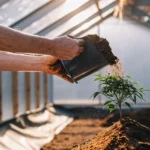
Compost is a versatile tool in the gardener’s toolbox. When applied to soil, it can improve water retention and aeration. But when it comes to compost application for heavy metals remediation, the benefits are even more significant. Compost can immobilize heavy metals, reducing their uptake by cannabis plants.
When you apply compost, you’re essentially adding a buffer. This buffer can prevent heavy metals from being absorbed by plant roots. However, the type of compost matters. For instance, compost made from manure or kitchen scraps might have different effects compared to one made from yard waste.
Moreover, compost can enhance the microbial community in the soil, which plays a crucial role in the breakdown and immobilization of heavy metals. The organic acids produced during the composting process can chelate heavy metals, making them less bioavailable. This is particularly beneficial for cannabis strains that are sensitive to metal toxicity.
Different techniques in compost application, such as layering and turning, can also affect its efficiency in heavy metal immobilization. For cannabis growers, knowing the nuances of compost application can lead to better management of soil health, ultimately supporting more robust plant growth and higher yields.
Promos & Deals

Biochar Effectiveness in Heavy Metal Immobilization
Biochar is gaining attention for its effectiveness in heavy metal immobilization. When comparing compost vs biochar for reducing heavy metal bioavailability, biochar stands out due to its high surface area and porous structure, which provide ample sites for heavy metals to attach. This process significantly reduces the amount of heavy metal available to plants, leading to healthier growth and improved yields.
But biochar isn’t just about trapping metals. It also enhances soil fertility and retains moisture, making it a win-win for cannabis growers. When using biochar, you might notice an improvement in plant vigor and resilience. The key is to find the right balance and mix it with your existing soil for optimal results.
The benefits of biochar don’t stop at heavy metal reduction. Its ability to improve soil aeration and drainage can significantly aid in root development and nutrient uptake, factors crucial for the growth of cannabis plants. This makes biochar a valuable component in sustainable agriculture practices.
For those concerned about the environmental impact, biochar is a carbon-negative product, meaning its production and use help reduce carbon dioxide levels in the atmosphere. This adds another layer of benefit, promoting eco-friendly cannabis cultivation practices while addressing heavy metal concerns.
Comparative Study of Compost and Biochar for Heavy Metal Removal
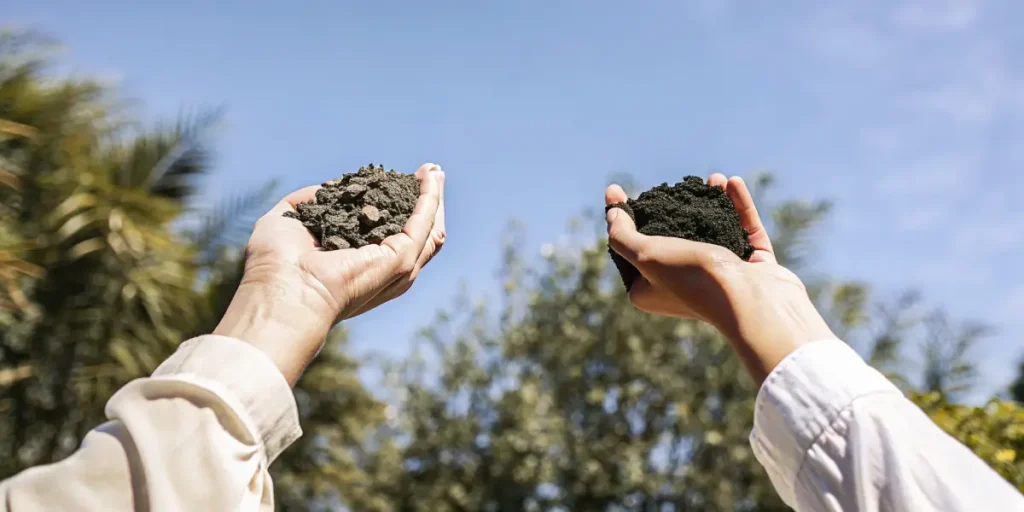
When comparing compost vs biochar in heavy metal reduction, both have their unique strengths. Compost provides organic nutrients and improves soil structure, while biochar offers long-term stability and heavy metal immobilization. But which is more effective for cannabis cultivation?
Research suggests that a combination of both might be the best approach. Compost can quickly improve soil fertility, and biochar can provide long-term heavy metal reduction. This combination offers a balanced strategy for growers looking to minimize heavy metal bioavailability in their cannabis crops.
In a comparative study of compost and biochar for heavy metal removal, each method showed distinct advantages in different soil types and conditions. Compost’s ability to rapidly alter soil chemistry complements biochar’s long-term stability, offering a comprehensive solution to heavy metal contamination.
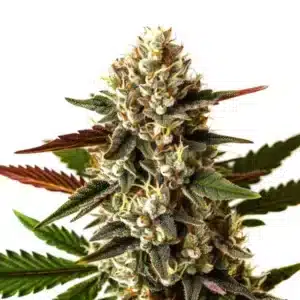
By applying both compost and biochar, cannabis growers can benefit from enhanced nutrient cycling and soil health. This dual approach not only aids in reducing heavy metal availability but also supports the cultivation of resilient strains like Moby Dick from Blimburn Seeds, known for its high yield potential.
Biochar Impact on Soil Heavy Metal Availability
Biochar’s impact on soil heavy metal availability cannot be overstated. By reducing the amount of metals that can be absorbed by plants, biochar helps maintain healthy growth rates and improves crop quality. This is particularly important for cannabis strains sensitive to heavy metal exposure.
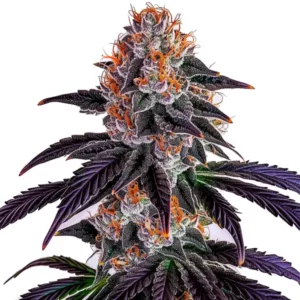
Moreover, biochar’s ability to enhance soil microbial activity can further aid heavy metal reduction. The presence of beneficial microbes can increase nutrient availability and support overall plant health. This is especially beneficial for strains like Critical Daddy Purple from Blimburn Seeds, which require rich, balanced soil conditions.
Biochar’s positive impact on soil structure further facilitates root penetration and nutrient absorption. This is crucial for cannabis plants, which thrive in well-aerated and moisture-retentive soils. By improving these conditions, biochar ensures that cannabis plants have access to essential nutrients while minimizing exposure to harmful metals.
Incorporating biochar into your soil management strategy can transform the growing environment, reducing the risk of metal toxicity while promoting plant vitality. This sustainable approach aligns with the goals of modern cannabis cultivation, supporting both high-quality and environmentally conscious production.
FAQs about compost vs biochar for reducing heavy metal bioavailability
What are the key differences between compost and biochar?
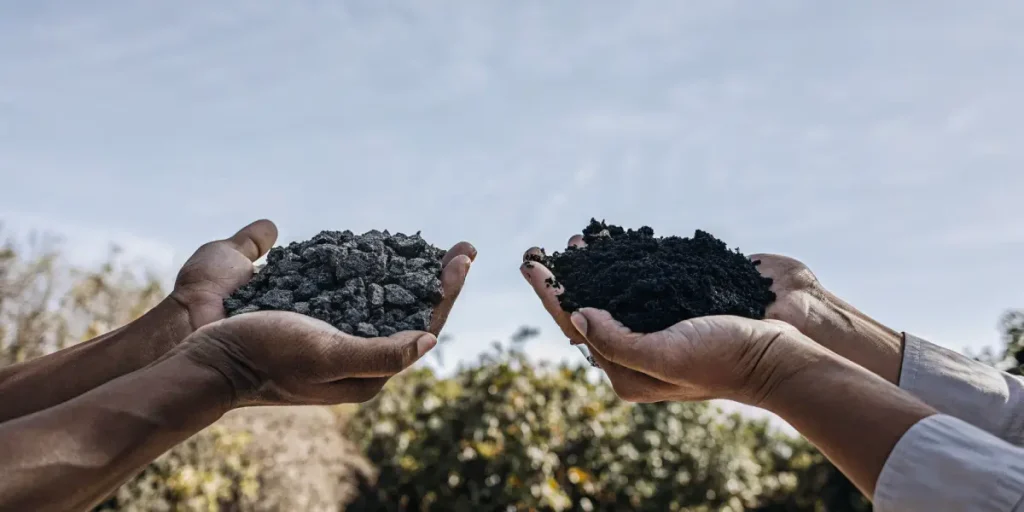
Compost is an organic material that decomposes, providing nutrients and improving soil structure. Biochar, on the other hand, is a stable carbon material created by burning organic matter in a low-oxygen environment. This process gives biochar its unique ability to trap heavy metals and improve soil health over time.
While compost is great for adding organic matter and nutrients quickly, biochar offers long-term benefits by enhancing soil stability and reducing heavy metal availability. Both can be used together to maximize their individual strengths, providing a comprehensive solution for cannabis growers.
The choice between compost vs biochar for reducing heavy metal bioavailability often depends on the specific needs of the soil and the plants being cultivated. Compost rapidly introduces organic matter and nutrients, whereas biochar contributes to long-term soil health and heavy metal immobilization.
Utilizing both compost and biochar can offer a dynamic approach to soil management. This combination allows for immediate improvements in soil fertility and structure with compost, while biochar ensures ongoing stability and contamination control, benefiting cannabis strains from Blimburn Seeds.
How do compost and biochar improve cannabis growth?
Compost improves soil fertility and provides a rich source of organic nutrients that cannabis plants need. It enhances soil structure, improves water retention, and supports beneficial microbial activity. These factors contribute to vigorous plant growth and higher yields.
Biochar’s role is more focused on reducing heavy metal bioavailability and enhancing soil structure. Its porous nature allows it to retain water and nutrients, providing a stable environment for root growth. Together, compost and biochar create an optimal growing condition for cannabis strains.
The synergy of compost and biochar in soil management creates a balanced ecosystem for cannabis plants. Compost delivers immediate nourishment, while biochar ensures the soil remains fertile and free from harmful metals over time, fostering sustained plant health and resilience.
For cannabis growers aiming for high-quality yields, knowing the complementary benefits of compost and biochar is crucial. This combination not only improves growth conditions but also enhances the quality of the buds, making it a preferred choice for strains like Bruce Banner 3 from Blimburn Seeds.
Can I use both compost and biochar together?
Absolutely! Using both compost and biochar together can provide a balanced approach to soil management. Compost provides immediate nutrient availability, while biochar offers long-term soil health benefits and heavy metal reduction. This combination can lead to improved plant growth and better yields.
For cannabis growers, this means healthier plants and higher quality buds. When selecting strains from Blimburn Seeds, using a mix of compost and biochar can help unlock the full potential of strains like Bruce Banner 3 and Moby Dick.
The integration of compost with biochar can optimize the growing medium, enhancing both physical properties and nutrient content. This dual approach is effective in managing heavy metal contamination, ensuring healthier and more productive plants.
Incorporating both amendments allows growers to leverage the rapid nutrient provision of compost with the structural and chemical benefits of biochar. This strategy not only improves the immediate growing conditions but also supports long-term soil sustainability, crucial for continuous cannabis cultivation success.
How does heavy metal bioavailability affect cannabis plants?
Heavy metal bioavailability refers to the amount of metal that can be absorbed by plants. High levels of heavy metals can be toxic to cannabis plants, affecting growth and reducing yields. This can lead to weaker plants and lower quality buds.
By reducing heavy metal bioavailability, you improve the health and vigor of your cannabis plants. Both compost and biochar are effective tools for mitigating the risks associated with heavy metals, supporting healthier growth and better outcomes.
In the context of cannabis cultivation, managing heavy metal bioavailability is crucial for achieving optimal plant health and yield. Excessive heavy metals can interfere with nutrient uptake, leading to deficiencies and compromised plant vigor.
Employing compost vs biochar in heavy metal reduction strategies can significantly alter the bioavailability dynamics, helping to shield cannabis plants from potential toxicity while enhancing overall growth conditions. This is essential for maintaining the quality and safety of the final cannabis product.
Why is it important to reduce heavy metal bioavailability in cannabis cultivation?
Reducing heavy metal bioavailability is crucial because heavy metals can negatively impact plant health and reduce the quality of cannabis products. High levels of heavy metals can be harmful to both plants and consumers, making it essential to manage soil conditions effectively.
By using compost and biochar, you can create a safer and more productive growing environment. This helps ensure that your cannabis plants thrive and produce high-quality buds that are safe for consumption, supporting both personal and commercial cultivation goals.
Ensuring low heavy metal bioavailability is vital for the integrity of cannabis cultivation, as it directly affects the safety and efficacy of the end product. Consumers demand high-quality cannabis free from contaminants, making soil management a priority.
Applying strategies like compost application for heavy metals remediation and leveraging biochar impact on soil heavy metal availability can safeguard plant health. This proactive approach not only meets consumer expectations but also aligns with regulatory standards, supporting sustainable cannabis production.