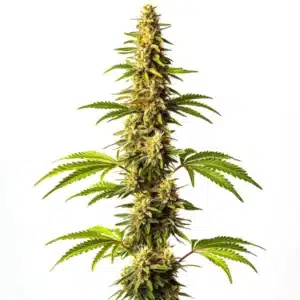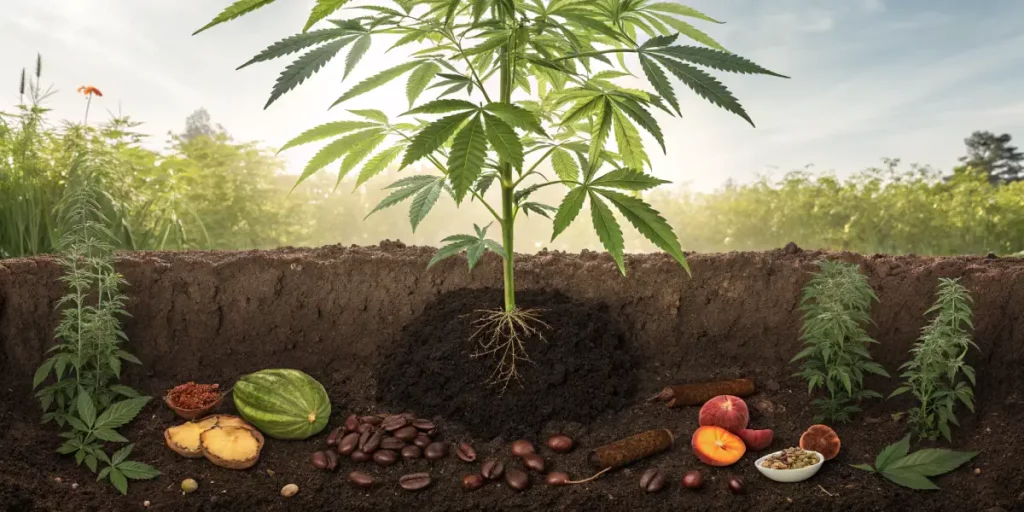
Discover the Best Compost for Cannabis Growth

Optimal Compost for Cannabis: High-quality, organic vermicompost or a biologically diverse living compost is ideal for cannabis cultivation. These composts provide nutrient-dense, loamy soil with excellent drainage and a vibrant microbial ecosystem. They offer essential slow-release nutrients and beneficial bacteria, crucial for robust cannabis growth. Using premium compost can enhance plant health and yield by up to 20%.
Creating the perfect environment for cannabis involves more than just light and water. The right compost can significantly impact terpene profiles, enhancing aroma and flavor. A well-balanced compost supports the plant’s flowering time, ensuring a rich harvest. Understanding these elements can elevate your cultivation practice to new heights.
Recommended Strains

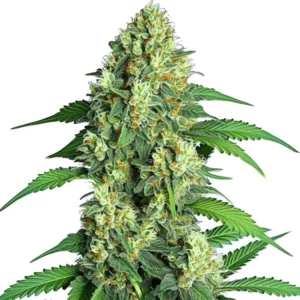
Jamaican

|
THC | 17% - 21% (Medium) |

|
Type | Feminized |

|
Yield | High |

|
Phenotype | 10% Indica / 90% Sativa |
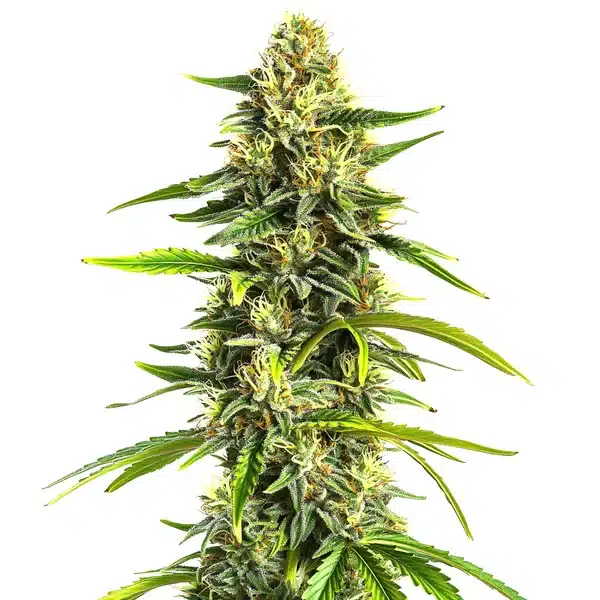
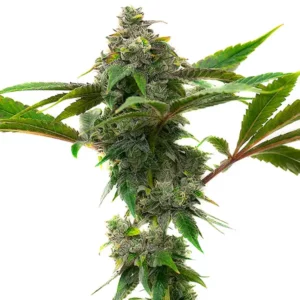
Afghan Hawaiian x Laos x Jamaican
|
|
THC | 20% - 23% (Medium) |
|
|
Type | Feminized |
|
|
Yield | High |
|
|
Phenotype | 30% Indica / 70% Sativa |
Compost and Its Importance for Cannabis
What is Compost?
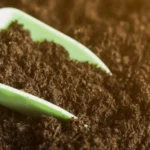
Compost is a nutrient-rich organic material that results from the decomposition of plant and animal matter. It is often called “black gold” due to its high nutrient content and beneficial microbes. Compost is created by combining green materials like fruit peels and fresh grass with brown materials such as dried leaves and cardboard.
This blend undergoes a natural decomposition process, driven by microbes, fungi, and bacteria, transforming it into a substance that plants can easily absorb. The process requires a balance of carbon and nitrogen, typically in a 2:1 ratio, and moisture levels around 50-60% to ensure optimal microbial activity.
Why Compost is Essential for Cannabis
Compost enhances soil structure, improves water retention, and boosts aeration, creating an optimal environment for cannabis roots. The microbial life in compost breaks down organic compounds into simpler nutrients, making them readily available for plant uptake. This results in healthier plants, increased yields, and improved potency.
For cannabis specifically, compost provides a balanced supply of macronutrients like nitrogen (N), phosphorus (P), and potassium (K), as well as micronutrients such as calcium and magnesium, which are essential for various growth stages.
Promos & Deals

Characteristics of the Best Compost for Cannabis
Nutrient Content and Balance
The best compost for cannabis delivers a balanced mix of macronutrients and micronutrients. Cannabis plants require a specific N:P:K ratio of approximately 3:1:2 during the vegetative stage and 1:3:2 during flowering. This ensures steady growth and robust health throughout the plant’s lifecycle.
Additionally, compost should provide micronutrients like calcium and magnesium, which are vital for enzyme function and chlorophyll production. A deficiency in these can lead to poor growth and reduced yields.
Texture, Aeration, and pH Levels
A good compost should be light, airy, and crumbly, ensuring proper drainage and root oxygenation. Cannabis thrives in slightly acidic to neutral soil, with an ideal pH range of 6.0 to 7.0. Compost that maintains this pH range supports optimal nutrient absorption and prevents nutrient lockout.
Proper aeration is crucial for root development and microbial activity. Compacted compost can lead to poor drainage and root rot, which can severely impact plant health and yield.
The Role of Microbial Activity in Compost
Microbial activity is a cornerstone of effective composting. Microbes decompose organic matter, releasing nutrients in a form accessible to cannabis plants. This biological activity not only enriches the soil but also helps in disease suppression by outcompeting harmful pathogens. A compost rich in microbial life can significantly enhance the resilience and vigor of cannabis plants.
Best Compost Ingredients for Cannabis
To create the best compost for cannabis, include a mix of green and brown materials. Green materials, such as kitchen scraps and grass clippings, provide nitrogen, while brown materials, like dried leaves and straw, supply carbon. This balance is vital for maintaining microbial activity. Adding worm castings or bat guano can further enhance the nutrient profile, offering a rich source of nitrogen and phosphorus.
| Feature | FoxFarm Happy Frog | Black Gold Organic | Coast of Maine Lobster |
|---|---|---|---|
| Nutrient Profile | 3:1:2 NPK | Balanced | Rich in Phosphorus |
| Texture | Light & Airy | Crumbly | Dense |
| pH Level | 6.3 – 6.8 | 6.0 – 7.0 | 6.5 – 7.0 |
| Microbial Activity | High | Moderate | Very High |
| Organic Certification | OMRI Listed | OMRI Certified | OMRI Listed |
Professional Tips for Using Compost in Cannabis Cultivation
- Maintain a compost-to-soil ratio of 1:3. This ensures balanced nutrient distribution and prevents nutrient burn.
- Check pH levels regularly, aiming for 6.0 to 7.0. This prevents nutrient lockout and ensures optimal growth.
- Turn compost piles every 1-2 weeks to aerate and speed up decomposition. Lack of oxygen can lead to anaerobic conditions and foul odors.
- Use a digital hygrometer to monitor moisture levels. Aim for 50-60% moisture to maintain microbial activity.
- Top-dress with compost every 3-4 weeks during the growing season. This provides a continuous nutrient supply.
- Avoid adding meat or dairy to compost. These can attract pests and create imbalances in the composting process.

FAQs About Compost and Cannabis
What’s the best compost for growing cannabis?
The best compost for cannabis is organic vermicompost or a biologically diverse living compost. These provide nutrient-rich, loamy soil with excellent drainage and a robust microbial ecosystem. High-quality compost can increase cannabis yield by up to 20%, ensuring healthier plants and better potency.
Can you use compost for cannabis plants?
Yes, compost is highly beneficial for cannabis plants. It enhances soil structure, improves water retention, and provides essential nutrients. Using compost can lead to healthier plants and increased yields, with potential yield increases of up to 20% when compared to synthetic fertilizers.
What is the best soil composition for cannabis?
The ideal soil composition for cannabis includes a mix of loamy soil with organic compost. This combination provides excellent drainage, aeration, and a pH range of 6.0 to 7.0. Such soil supports robust growth and nutrient uptake, crucial for achieving optimal yields.
What’s the best thing to feed cannabis plants?
Feeding cannabis plants with a balanced N:P:K ratio of 3:1:2 during vegetative growth and 1:3:2 during flowering is ideal. Organic compost provides these nutrients naturally, enhancing growth and potency. Regular feeding with compost can improve yields by up to 20%.
How often should I add compost to cannabis plants?
Top-dress cannabis plants with compost every three to four weeks during the growing season. This provides a continuous nutrient supply, supporting healthy growth and maximizing yields. Regular compost application can enhance plant health and increase yields by up to 20%.