Proven Biochar for Heavy Metal Immobilization in Cannabis Soils

Growing cannabis is both an art and a science. For those venturing into this green journey, soil quality is key. Heavy metals in soil can be a hidden threat, affecting plant health and human safety. This is where biochar steps in, offering a natural solution for heavy metal immobilization in cannabis soils. By knowing how biochar works, growers can make informed decisions to improve soil quality and yield.
Biochar is a carbon-rich material produced from plant matter. It acts like a sponge, trapping heavy metals and preventing them from entering plant systems. Imagine tiny, porous charcoal pieces working tirelessly to keep your cannabis roots safe. This simple addition to your soil mix could be the game-changer in your cultivation practices.
Recommended Strains

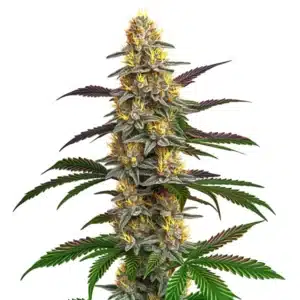
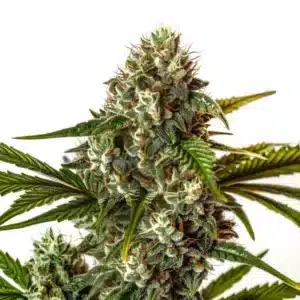
Fat Bastard

|
THC | 30% - 38% (High) |

|
Type | Feminized |

|
Yield | High |

|
Phenotype | 50% Indica / 50% Sativa |

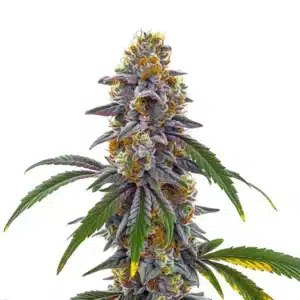
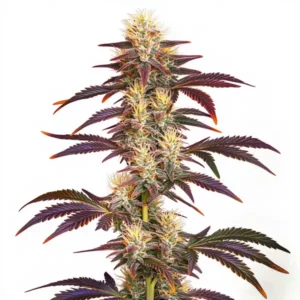
Blueberry
|
|
THC | 15% - 24% (High) |
|
|
Type | Feminized |
|
|
Yield | High |
|
|
Phenotype | 80% Indica / 20% Sativa |
For both novice and seasoned growers, using biochar for heavy metal immobilization in cannabis soils is a practical step. Whether you’re growing Blimburn Seeds Fat Bastard, Strawberry Banana, or Blueberry, ensuring a clean and healthy growing environment is essential. Let’s dive deeper into how biochar can transform your cannabis cultivation.
What is Biochar and How Does it Work?
Biochar is made by heating organic material in a low-oxygen environment, a process known as pyrolysis. This creates a stable form of carbon that can last in the soil for thousands of years. But why is it so special for cannabis growers? Biochar’s porous structure provides a large surface area, allowing it to absorb and hold onto heavy metals like lead, cadmium, and arsenic.
The science behind its effectiveness is simple. Heavy metals bind to the biochar, reducing their availability to plants. This immobilization ensures that metals don’t make their way into cannabis tissues, which is crucial for maintaining the quality and safety of your harvest. As a soil amendment, biochar not only helps with heavy metal immobilization but also improves soil aeration and water retention.
Beyond its structural benefits, biochar acts as a habitat for beneficial microbes, enhancing the microbial diversity and activity within the soil. This can lead to improved nutrient cycling and availability, further supporting plant growth. When using biochar to immobilize heavy metals in cannabis, growers also contribute to a more sustainable cultivation practice, aligning with environmentally friendly agricultural methods.
Biochar heavy metal immobilization in cannabis soils also aids in reducing the overall toxicity of the soil environment. By sequestering heavy metals within its matrix, biochar effectively limits the mobility of these harmful elements, safeguarding your crops. This is particularly important for urban growers who might face more significant soil contamination challenges.
Benefits of Using Biochar in Cannabis Cultivation
Biochar is not just about heavy metal control. It offers multiple benefits for cannabis growers. By improving soil structure, biochar enhances root development, which can lead to more robust plants. This can be especially beneficial for strains like Fat Bastard from Blimburn Seeds, known for its vigorous growth.
Another advantage is water retention. Biochar holds moisture, reducing the need for frequent watering. This is a boon during dry spells or in regions where water conservation is a priority. It also promotes beneficial microbial activity, which is vital for nutrient cycling and plant health.
Heavy metal reduction in cannabis soil with biochar not only protects the plants but also ensures that the environment remains healthy and sustainable. By acting as a biochar cannabis soil amendment heavy metals are effectively managed, providing peace of mind to growers concerned about soil quality.
Moreover, biochar application for heavy metal mitigation in cannabis soils can lead to economic benefits. Healthier plants typically yield more bountiful harvests, which translates to better returns for growers. This makes biochar a prudent investment in the long-term success of cannabis cultivation.
Promos & Deals

Application Methods
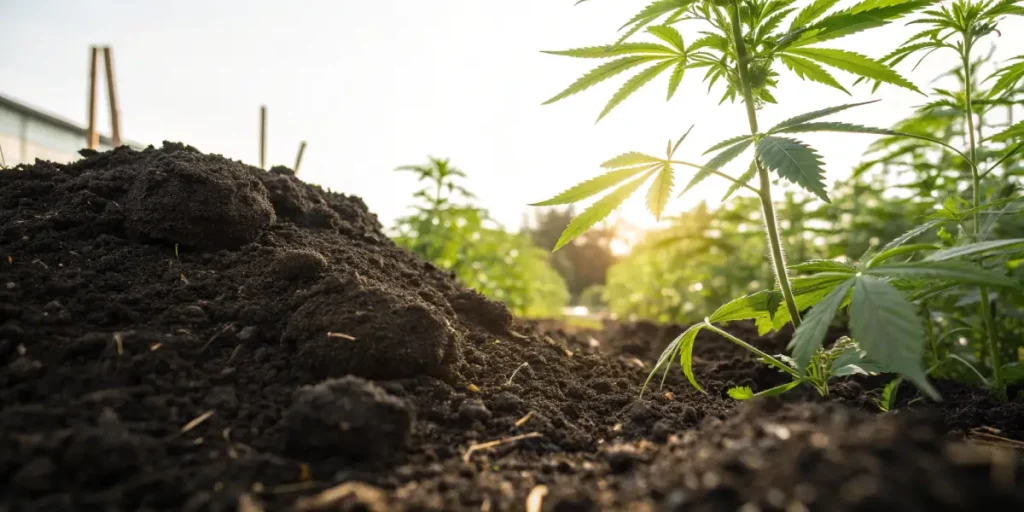
Applying biochar to your cannabis soil can be done in several ways. One common method is to mix it directly into the soil at planting time. This ensures that biochar is evenly distributed, providing maximum benefits for metal immobilization and soil improvement.
Another approach is top dressing, where biochar is added to the surface of the soil. Over time, it will work its way down, especially with regular watering. This method is particularly useful if you’re growing several cycles of plants without removing the existing soil.
Regardless of the method, the key to success lies in the even distribution and integration of biochar into the soil. This ensures that all parts of the root zone benefit from its properties, optimizing biochar heavy metal immobilization cannabis soil applications.
When incorporating biochar into your cultivation practices, consider its compatibility with other soil amendments. Combining biochar with materials like compost can enhance its effectiveness, providing a comprehensive solution for soil health and fertility.
Choosing the Right Biochar
Not all biochar is created equal. The effectiveness of biochar for heavy metal immobilization in cannabis soils depends on its source material and production method. Generally, biochar made from hardwood or bamboo is preferred due to its higher carbon content and durability.
When selecting biochar, check for certifications and quality testing. Reputable suppliers will provide information on the biochar’s pH, surface area, and ash content. These factors can influence how well it immobilizes heavy metals and supports plant growth.
It’s also important to consider the ecological impact of the biochar production process. Sustainable sourcing and environmentally friendly production methods should be a priority when choosing biochar for your cannabis cultivation.
By investing in high-quality biochar, growers can ensure that they are using a product that will effectively support heavy metal reduction in cannabis soil with biochar, while also enhancing overall soil vitality and plant resilience.
Real-Life Success Stories
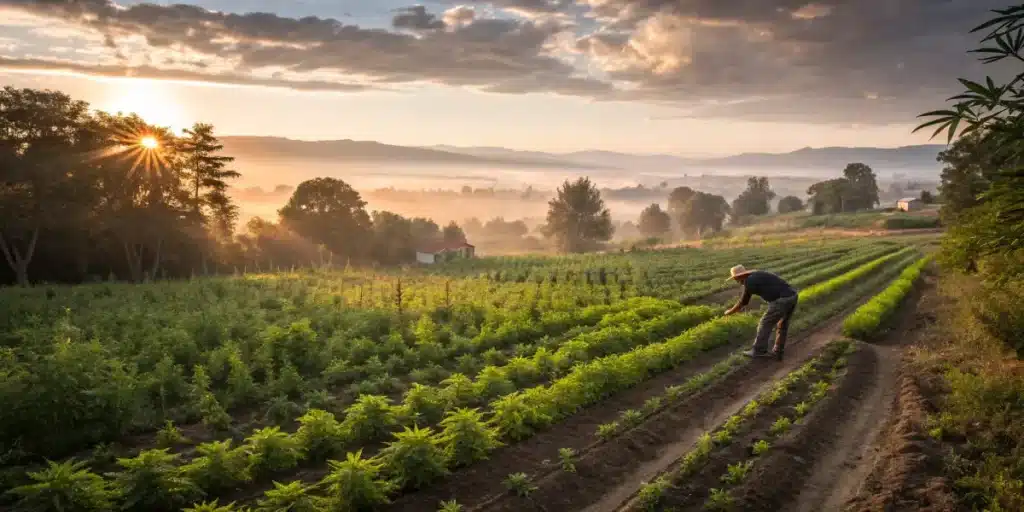
Growers around the world are seeing the benefits of biochar application for heavy metal mitigation in cannabis soils. In one case, a cultivator in California used biochar in an area with known soil contamination. The results were impressive, with improved plant vigor and reduced metal uptake.
In another instance, a small-scale grower in Colorado reported healthier plants and increased yields after incorporating biochar into their soil mix. They found that their Blueberry crops from Blimburn Seeds showed enhanced resilience to environmental stressors.
These success stories are not isolated cases; they reflect a growing trend among cannabis cultivators who are turning to biochar for heavy metal immobilization in cannabis soils. By sharing these experiences, growers can learn from each other and adopt best practices for biochar application.
Such positive outcomes highlight the potential of biochar as a transformative tool in agricultural practices. As more growers implement biochar cannabis soil amendment heavy metals management, the industry moves towards more sustainable and environmentally friendly cultivation methods.
FAQs about biochar for heavy metal immobilization in cannabis soils
Can biochar be used with all types of cannabis strains?
Absolutely! Biochar is versatile and can be used with any cannabis strain. Whether you’re growing indicas, sativas, or hybrids, biochar can help improve soil quality and plant health. For example, Blimburn Seeds Fat Bastard, with its strong growth characteristics, can benefit from soil fortified with biochar, leading to healthier plants and bigger buds.
It’s important to tailor the application rate based on your specific soil conditions and strain needs. Consulting with a soil expert or conducting a soil test can help determine the best approach for your particular setup.
Biochar heavy metal immobilization cannabis techniques are adaptable and can be scaled to suit both home growers and commercial operations. This flexibility makes biochar an appealing option for a wide range of cultivation scenarios.
By using biochar as a part of a comprehensive soil management strategy, growers can optimize plant health and productivity, regardless of the cannabis strain being cultivated.
How much biochar should I use in my cannabis soil?
The amount of biochar to use can vary, but a general guideline is to incorporate 5-10% biochar by volume into your soil mix. This ensures sufficient coverage for heavy metal reduction while providing other soil benefits. Adjustments may be needed based on soil type and existing heavy metal levels.
For top dressing, a layer of about 1 inch spread evenly over the soil surface can be effective. Make sure to water thoroughly after application to help integrate the biochar into the soil profile.
Determining the optimal biochar application rate may require experimentation and adjustment. Monitoring soil conditions and plant responses can help refine the approach and maximize the benefits of using biochar to immobilize heavy metals in cannabis.
Growers should also consider local environmental conditions and soil characteristics when planning biochar applications. This tailored approach can lead to more effective heavy metal immobilization in cannabis soils.
Does biochar affect the pH of cannabis soil?
Biochar can influence soil pH, but its effect depends on the feedstock used and the pyrolysis process. Some biochars can raise pH, making them beneficial in acidic soils, while others have a neutral effect. It’s crucial to choose a biochar that complements your soil’s existing pH.
Using biochar with a known pH value can help manage soil conditions better. For those growing pH-sensitive strains like Blimburn Seeds Strawberry Banana, monitoring and adjusting soil pH is vital to optimize nutrient uptake and plant health.
Biochar’s impact on pH can be a valuable tool for growers looking to adjust their soil’s acidity or alkalinity. This adaptability is one of the reasons why biochar cannabis soil amendment heavy metals practices are becoming increasingly popular.
By carefully selecting the right biochar and monitoring pH levels, growers can maintain optimal soil conditions, ensuring their cannabis plants thrive in a balanced and healthy environment.
Can I make my own biochar at home?
Yes, you can create biochar at home using simple materials like wood chips or agricultural waste. However, producing biochar requires careful management of the pyrolysis process to ensure quality and safety. Improperly made biochar may not effectively immobilize heavy metals or could introduce contaminants.
If you’re new to biochar production, it might be more practical to purchase from a reputable supplier to ensure you’re getting a product that’s safe and effective for your cannabis cultivation needs.
While homemade biochar offers a cost-effective solution, it requires precise control over production conditions to ensure its efficacy as a biochar cannabis soil amendment heavy metals tool. Beginners should consider starting with commercially produced options to guarantee results.
Once experienced, growers can experiment with creating their own biochar, tailoring it to specific soil needs and cultivation goals, thus enhancing their heavy metal reduction in cannabis soil with biochar efforts.
Is biochar environmentally friendly?
Biochar is considered environmentally friendly due to its ability to sequester carbon and improve soil health. By capturing carbon in a stable form, biochar production can contribute to reducing atmospheric CO2 levels. This makes it a sustainable choice for eco-conscious cannabis growers.
Its benefits extend beyond heavy metal reduction. Biochar enhances biodiversity in soil by creating a favorable environment for beneficial microbes. This not only supports healthier plant growth but also contributes to long-term soil fertility and sustainability.
By incorporating biochar into cultivation practices, growers can actively participate in reducing their carbon footprint. Biochar for heavy metal immobilization in cannabis soils thus becomes part of a larger commitment to sustainable agriculture.
Biochar’s ability to improve soil resilience against environmental stressors further underscores its role as an eco-friendly solution. As awareness of sustainable practices grows, biochar application for heavy metal mitigation in cannabis soils will likely become a standard practice.