Carbon Dioxide Enrichment in Cannabis Grow Rooms: A Complete Guide

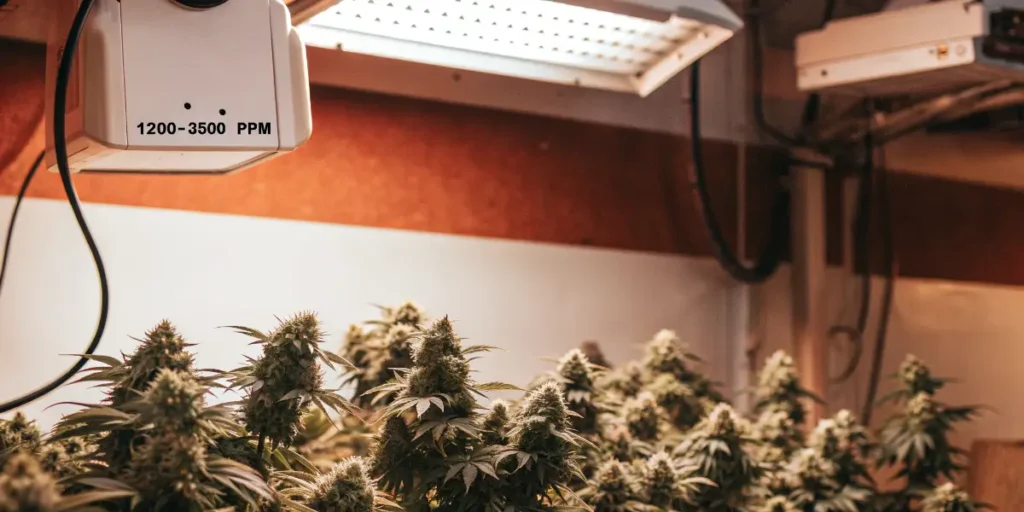
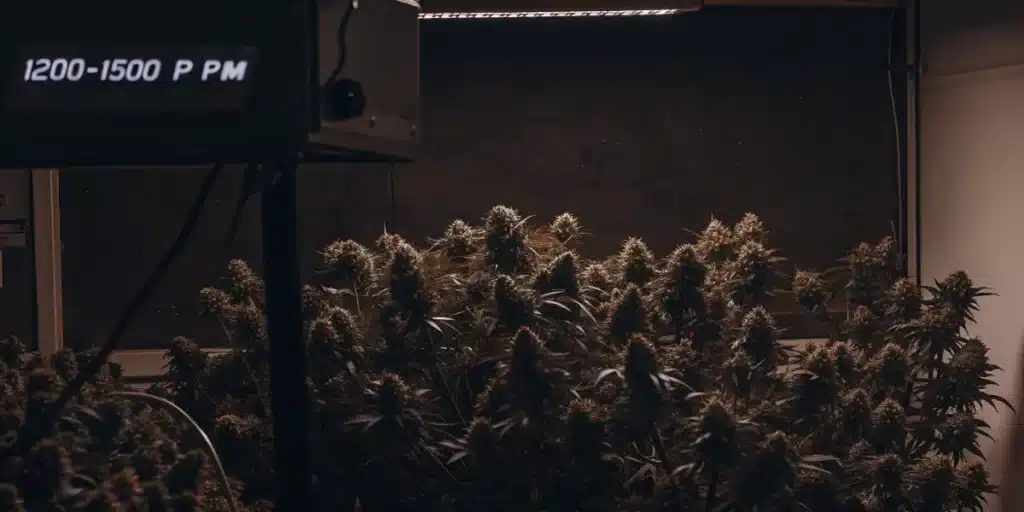
CO2 Levels for Cannabis Growth: Enhancing cannabis growth through carbon dioxide enrichment in grow rooms can lead to significant yield increases. By maintaining CO2 levels between 1200-1500 ppm, you can optimize photosynthesis and boost plant health. Experienced growers report yield improvements of up to 20% with effective CO2 management, making it a valuable technique for maximizing production.
Carbon dioxide enrichment is a game-changer for cannabis cultivation, enhancing terpene profiles and shortening flowering times. By integrating CO2, you can achieve more robust growth and richer flavors. This guide delves into practical methods and advanced techniques to optimize your grow room environment, ensuring your cannabis plants thrive with elevated CO2 levels.
Recommended Strains

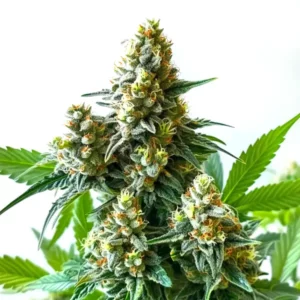
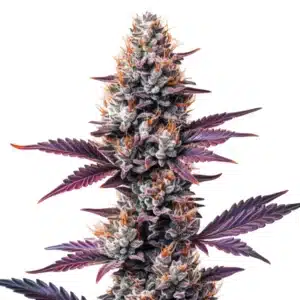
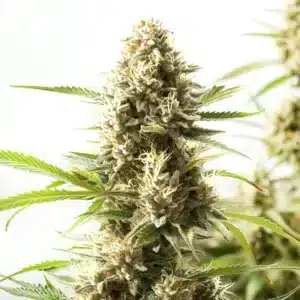
Mimosa Cake Auto

|
THC | 22% - 24% (High) |

|
Type | Autoflowering |

|
Yield | High |

|
Phenotype | 40% Indica / 60% Sativa |
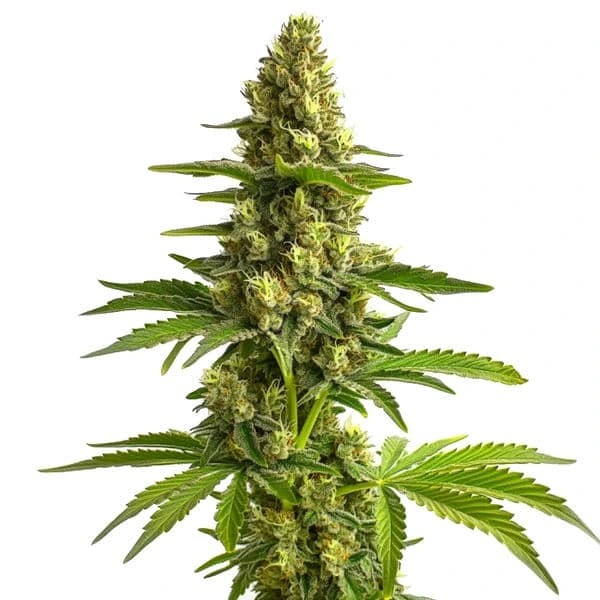
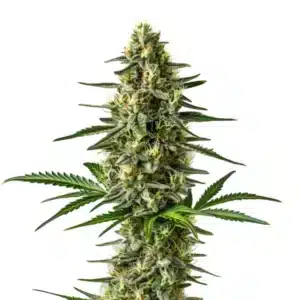
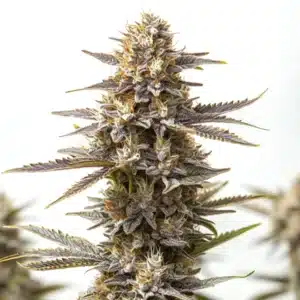
Bruce Banner #3
|
|
THC | 20% - 29% (High) |
|
|
Type | Feminized |
|
|
Yield | High |
|
|
Phenotype | 50% Indica / 50% Sativa |
Carbon Dioxide Enrichment in Cannabis Grow Rooms
Benefits of CO2 in Cannabis Cultivation
Carbon dioxide is a critical component of photosynthesis, the process by which plants convert light into energy. In cannabis cultivation, increasing CO2 levels can accelerate growth rates and enhance overall plant vigor. By maintaining levels between 1200-1500 ppm, you can significantly boost photosynthesis, leading to larger plants and potentially increasing yields by up to 20%.
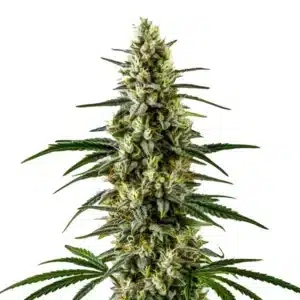
Moreover, CO2 enrichment can improve the density and potency of cannabis buds. Higher CO2 levels encourage more robust plant structures, which in turn support heavier buds. This is particularly beneficial for strains like GG4, known for its dense, resinous flowers.
How to Use Carbon Dioxide Enrichment in Cannabis Grow Rooms
Implementing carbon dioxide enrichment in cannabis grow rooms requires precision and control. Start by measuring your current CO2 levels using a reliable CO2 grow room calculator. This tool helps you determine the exact amount of CO2 needed based on your grow room’s size and plant count, ensuring you don’t exceed safe levels.
When using CO2 enrichment, timing is crucial. It’s most effective during the vegetative and early flowering stages when plants are actively growing. However, many cultivators recommend stopping CO2 use during the last two weeks of flowering to prevent overstimulation, which can affect the final taste and aroma of the buds.
Promos & Deals
Homemade CO2 for Grow Tent
Simple DIY Solutions
For those looking to increase CO2 levels without breaking the bank, homemade CO2 solutions can be effective. One popular method involves using a mixture of sugar, water, and yeast. This combination produces CO2 as the yeast ferments the sugar. It’s an easy and cost-effective way to boost CO2 levels in small grow tents.
Another DIY approach is using baking soda and vinegar. When combined, these ingredients release CO2 gas. While this method is less consistent than yeast fermentation, it’s a quick fix for short-term CO2 enrichment. However, it’s crucial to monitor CO2 levels to avoid over-enrichment, which can harm plants.
Best CO2 for Grow Tent
Choosing the best CO2 source for your grow tent depends on your setup and budget. CO2 tanks provide precise control and are ideal for larger grow operations. They allow you to maintain consistent CO2 levels, ensuring optimal plant growth. However, for smaller setups, CO2 bags are a convenient alternative. These bags contain a natural CO2-producing substance and are easy to use, requiring no additional equipment.
CO2 bags are particularly popular among hobbyists due to their simplicity and affordability. They gradually release CO2 over time, making them a low-maintenance option for enhancing growth in smaller grow tents.
How to Increase CO2 in Grow Tent
Tips and Techniques
Increasing CO2 levels in a grow tent can be achieved through various methods. One effective technique is using CO2 generators, which burn propane or natural gas to produce CO2. These generators are suitable for larger grow spaces and can significantly boost CO2 levels. However, they require proper ventilation to prevent heat buildup.
For smaller grow tents, CO2 bags or homemade solutions are practical options. These methods are cost-effective and easy to implement, making them ideal for beginner growers. It’s important to ensure adequate airflow within the tent to distribute CO2 evenly, preventing hotspots that can damage plants.
CO2 Bags and Other Tools
CO2 bags are a popular choice for increasing CO2 levels in grow tents. They contain a natural CO2-producing substance, such as mycelium, which releases CO2 as it grows. These bags are easy to use and require no maintenance, making them perfect for small-scale growers.
In addition to CO2 bags, other tools like CO2 regulators and monitors are essential for maintaining optimal levels. These devices help you track CO2 concentrations, ensuring your plants receive the right amount for maximum growth.
| Feature | GG4 | Bruce Banner 3 | Mimosa Cake Auto |
|---|---|---|---|
| THC Content | 27% | 20-29% | 22-24% |
| Flowering Time | 8-10 weeks | 8-10 weeks | 8-10 weeks |
| Yield Indoor | 1.64 – 1.97 oz/ft² | 500 – 600 g/m² | 1.31 – 1.64 oz/ft² | 400 – 500 g/m² | 1.47 – 1.8 oz/ft² | 450 – 550 g/m² |
| Dominant Terpene | Humulene | Caryophyllene | Myrcene |
| Effect | Happy, Relaxed, Talkative | Happy, Relaxed, Talkative | Energetic, Euphoric, Happy |
Cheapest Way to Add CO2 to Grow Tent
Cost-Effective Solutions
For budget-conscious growers, there are several inexpensive methods to add CO2 to your grow tent. One of the cheapest ways is using CO2 bags, which are affordable and easy to use. They provide a steady release of CO2, enhancing plant growth without the need for expensive equipment.
Another low-cost option is the DIY yeast and sugar method. This homemade solution is simple to set up and can effectively boost CO2 levels in small grow tents. However, it’s important to monitor CO2 concentrations to avoid over-enrichment, which can be detrimental to plant health.
When to Stop Using CO2 During Flowering
Timing is crucial when using CO2 enrichment during the flowering stage. Many experienced growers recommend stopping CO2 supplementation two weeks before harvest. This allows the plant to focus on resin production and terpene development, enhancing the final flavor and aroma of the buds.
Continuing CO2 use too late into the flowering stage can lead to diminished terpene profiles and altered bud characteristics. By ceasing CO2 enrichment at the right time, you ensure your cannabis maintains its desired potency and quality.
CO2 Grow Room Calculator: How to Use It
Calculating CO2 Needs
A CO2 grow room calculator is an essential tool for determining the precise amount of CO2 required for your grow space. By inputting your room dimensions and plant count, the calculator provides an accurate CO2 dosage, ensuring your plants receive optimal levels for growth.
Using a CO2 calculator helps prevent over or under-enrichment, both of which can negatively impact plant health. It’s a valuable resource for maintaining consistent CO2 levels, promoting vigorous growth and maximizing yields.
Optimizing CO2 Use
To optimize CO2 use, it’s important to integrate it with other environmental factors, such as temperature and humidity. Maintaining a temperature range of 75-85°F (24-29°C) and humidity between 50-60% RH ensures your plants can effectively utilize the increased CO2 levels.
Regularly monitor your grow room conditions to ensure they remain within optimal ranges. This holistic approach to environmental control maximizes the benefits of CO2 enrichment, leading to healthier, more productive plants.
Professional Tips for CO2 Enrichment
- Maintain CO2 levels between 1200-1500 ppm for optimal growth. Levels above 1500 ppm can lead to diminishing returns and potential plant stress.
- Use a CO2 monitor to track levels accurately. Avoid relying solely on visual plant cues, as they can be misleading.
- Ensure proper ventilation to prevent heat buildup from CO2 generators. High temperatures can stress plants, reducing growth rates.
- Stop CO2 enrichment two weeks before harvest to enhance terpene profiles. This timing ensures maximum flavor and aroma development.
- Combine CO2 enrichment with optimal lighting conditions. Aim for 800-1000 µmol/m²/s during peak flowering for best results.
- Regularly calibrate CO2 sensors to maintain accuracy. Inaccurate readings can lead to improper CO2 levels, affecting plant health.
FAQs on CO2 Enrichment in Grow Rooms
What is the ideal CO2 level for a grow room?
The ideal CO2 level for a cannabis grow room is between 1200-1500 ppm. This range optimizes photosynthesis, enhancing growth and yields. Maintaining these levels requires careful monitoring and control, as excessive CO2 can lead to plant stress and reduced quality.
How does CO2 enrichment affect cannabis yields?
CO2 enrichment can increase cannabis yields by up to 20%. By enhancing photosynthesis, plants grow faster and produce more biomass. This results in larger, denser buds, improving overall yield and potency.
Can I use CO2 enrichment with all cannabis strains?
Yes, CO2 enrichment is beneficial for most cannabis strains, including those from Blimburn Seeds like Mimosa Cake Auto. However, each strain may respond differently, so it’s important to monitor plant reactions and adjust CO2 levels accordingly.
What equipment is needed for CO2 enrichment?
Essential equipment for CO2 enrichment includes a CO2 tank or generator, regulator, and monitor. These tools help maintain consistent CO2 levels, ensuring optimal plant growth. For smaller setups, CO2 bags are a practical alternative.
Is CO2 enrichment cost-effective for small-scale growers?
CO2 enrichment can be cost-effective for small-scale growers using methods like CO2 bags or DIY solutions. These options are affordable and easy to implement, providing noticeable growth benefits without significant investment.