Outdoor Cannabis Pest Prevention Techniques: A Complete Guide

Pest prevention in outdoor cannabis: Implementing outdoor cannabis pest prevention techniques is essential for a successful harvest. Combining natural methods like companion planting with commercial pest control products can reduce infestations by up to 70%. In regions like California, specific strategies tailored to the local climate are crucial to safeguarding your plants. Maintaining a pest-free environment ensures healthy growth and maximizes yield.
Outdoor cannabis cultivation requires a strategic approach to pest prevention to ensure robust plant growth. Terpenes such as myrcene and caryophyllene play a role in natural pest deterrence, while flowering times can influence pest cycles. Knowing these dynamics helps in crafting effective prevention strategies. This guide will explore various techniques, including the use of greenhouses and DIY solutions.
Recommended Strains

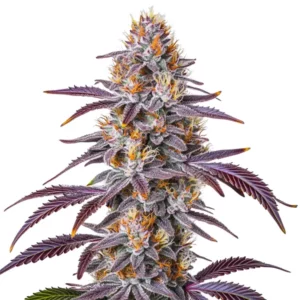
Blueberry

|
THC | 15% - 24% (High) |

|
Type | Feminized |

|
Yield | High |

|
Phenotype | 80% Indica / 20% Sativa |

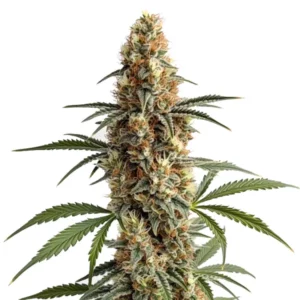
Jack Herer
|
|
THC | 20% (Medium) |
|
|
Type | Feminized |
|
|
Yield | High |
|
|
Phenotype | 40% Indica / 60% Sativa |
Common Outdoor Cannabis Pests
Identifying Pests with a Cannabis Pests Chart
Using a cannabis pests chart is an effective way to identify common threats to your outdoor grow. These charts typically include pests like aphids, spider mites, and whiteflies, each of which can cause significant damage. By recognizing these pests early, you can implement targeted control measures, reducing the risk of infestation and ensuring a healthy crop.
For instance, aphids can reproduce rapidly, with a single female producing up to 80 offspring in a week. Spider mites thrive in hot, dry conditions, often going unnoticed until they have caused significant damage. Monitoring these pests with a chart helps in timely intervention, potentially saving up to 30% of your yield.
Practical Application & Impact
Effective pest management begins with regular monitoring. Utilize a cannabis pests chart to track and identify pests. This proactive approach allows for timely interventions, such as introducing beneficial insects like ladybugs, which can consume up to 50 aphids per day. Such biological controls are essential for maintaining ecological balance in your garden.
Experienced growers report that integrating pest charts into their routine helps in maintaining plant health and maximizing yield. Ensure that your chart is up-to-date with the latest pest information and adjust your strategies as needed.
Promos & Deals
Best Outdoor Cannabis Pest Prevention Techniques
Natural Methods for Pest Prevention
Natural pest prevention methods are popular among growers looking to maintain an organic garden. Companion planting is one effective strategy, where plants like marigolds and basil are used to deter pests. These plants emit compounds that repel insects, reducing pest pressure on your cannabis plants.
According to discussions on Reddit, many growers recommend neem oil as a natural pesticide. Neem oil disrupts the life cycle of pests without harming beneficial insects. Apply it at a concentration of 1-2% to avoid phytotoxicity. Always conduct a patch test on a small area before full application.
Effective Cannabis Pest Control Products
Explore various cannabis pest control products that are highly effective in managing infestations. Products like insecticidal soaps and horticultural oils provide a non-toxic solution to pest problems. These products work by suffocating pests or disrupting their cellular membranes, ensuring your plants remain healthy.
When selecting products, consider those that are OMRI-listed, ensuring they are safe for organic gardening. Many cultivators share that these products, when used as directed, can effectively manage pest populations without compromising the quality of the harvest.
Regional Considerations: Outdoor Cannabis Pest Prevention Techniques in California
Climate-Specific Strategies
In California, specific techniques are essential due to the climate’s variability. Coastal regions may experience higher humidity, promoting fungal pests like powdery mildew. Inland areas with dry conditions are more susceptible to spider mites. Adapting your pest prevention strategies to these conditions is crucial.
Utilize mulching to retain soil moisture and regulate temperature, reducing stress on plants. This practice can decrease water evaporation by 25%, creating a less favorable environment for pests. Master growers have pointed out that climate-specific strategies are vital for successful cultivation in California.
Practical Application & Impact
Implementing regional pest prevention techniques involves knowing local pest pressures and adapting your methods accordingly. For example, in areas prone to powdery mildew, increase plant spacing to improve air circulation. This simple adjustment can reduce mildew incidence by up to 40%.
Many cultivators share that tailoring pest prevention to the local climate not only protects against pests but also enhances overall plant health. Regularly update your knowledge of regional pest trends to stay ahead of potential threats.
Enhancing Outdoor Cannabis Privacy and Protection
Maintaining Privacy in Outdoor Grows
Maintaining privacy is crucial for outdoor cannabis growers. Planting tall companion plants like sunflowers or bamboo can create a natural barrier, shielding your grow from prying eyes. This approach not only enhances privacy but also provides wind protection, reducing plant stress.
Experienced growers report that integrating privacy measures into their garden design can deter theft and vandalism. Ensure that your privacy plants are compatible with your cannabis plants, avoiding any allelopathic interactions that could hinder growth.
Practical Application & Impact
Consider using trellises or netting to further obscure your plants from view. These structures can support plant growth while enhancing privacy. Additionally, implementing motion-activated lights or cameras can deter potential intruders, providing peace of mind.
Master growers have pointed out that a well-planned privacy strategy not only protects your plants but also contributes to a more secure growing environment. Regularly assess and adjust your privacy measures as needed.
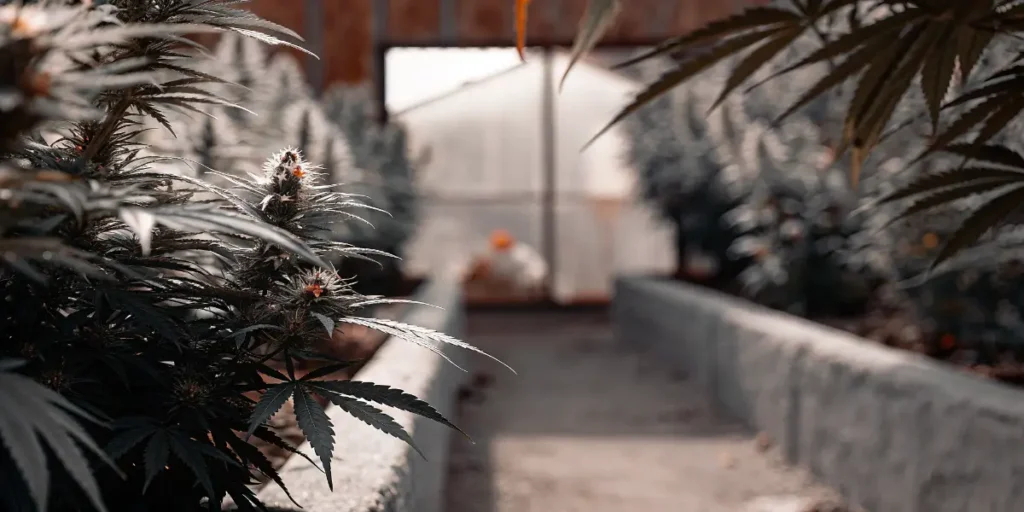
Using Outdoor Cannabis Greenhouses for Pest Prevention
Benefits of Greenhouses
Greenhouses offer a controlled environment to prevent pests and enhance plant growth. By regulating temperature and humidity, greenhouses create unfavorable conditions for many pests. This controlled setting also allows for the use of beneficial insects without the risk of them escaping.
Growers report that using greenhouses can extend the growing season by up to 30%, allowing for multiple harvests per year. Ensure that your greenhouse is well-ventilated to prevent fungal issues, which can thrive in humid conditions.
Practical Application & Impact
When setting up a greenhouse, consider using insect netting to prevent pest entry. This simple addition can reduce pest pressure by up to 50%. Additionally, installing automated ventilation systems can help maintain optimal growing conditions.
Many cultivators share that investing in a greenhouse not only protects against pests but also enhances overall plant health and yield. Regularly monitor and adjust your greenhouse settings to ensure optimal conditions for your plants.
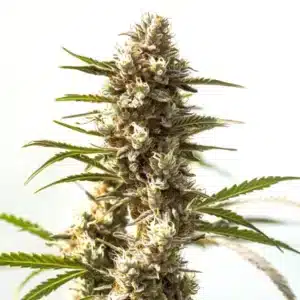
| Feature | GG4 | Blueberry | Jack Herer |
|---|---|---|---|
| THC Percentage | 27% | 15-24% | 20% |
| Dominant Terpene | Humulene | Myrcene | Terpinolene |
| Yield Indoor | 1.64 – 1.97 oz/ft² | 500 – 600 g/m² | 1.64 oz/ft² | 500 g/m² | 1.97 oz/ft² | 600 g/m² |
| Flowering Time | 8-10 weeks | 8-10 weeks | 8-10 weeks |
| Resistance to Pests | High | Moderate | Moderate |
DIY Cannabis Bug Spray Recipes
Creating Natural Bug Sprays
Create your own cannabis bug spray with these recipes to naturally deter pests. A simple recipe involves mixing 2 tablespoons of neem oil with 1 gallon of water and a few drops of dish soap. This mixture effectively targets soft-bodied insects like aphids and spider mites without harming beneficial insects.
Many cultivators share that homemade sprays are cost-effective and customizable. Adjust the concentration based on pest severity, but always conduct a patch test first to ensure plant safety.
Practical Application & Impact
Apply your homemade bug spray during early morning or late evening to prevent leaf burn. Regular applications every 7-10 days can maintain pest-free conditions. Ensure thorough coverage, especially on the undersides of leaves where pests often hide.
Master growers have pointed out that integrating DIY sprays into your pest management routine can significantly reduce reliance on commercial products, promoting a more sustainable growing environment.
Professional Tips for Outdoor Cannabis Pest Prevention
- Maintain 58-62% RH during curing. This range preserves terpenes and prevents mold. Use a digital hygrometer for accuracy.
- Apply neem oil at 1-2% concentration. Test on a small area first to avoid phytotoxicity. Avoid application during peak sunlight.
- Use insect netting in greenhouses to reduce pest entry by 50%. Ensure proper ventilation to prevent fungal issues.
- Plant marigolds as companions to repel aphids. Their strong scent deters pests naturally.
- Monitor with a cannabis pests chart weekly. Early detection can save up to 30% of your yield.
- Utilize motion-activated lights for security. They deter intruders and protect your grow.
Frequently Asked Questions
How to protect your outdoor grow from bugs naturally?
Protect your outdoor grow by using natural methods like companion planting with marigolds and basil. These plants repel pests. Regularly apply neem oil at a 1-2% concentration to disrupt pest life cycles. Monitor your plants weekly for early pest detection and intervention.
What can you spray on outdoor plants to keep bugs away?
Use a homemade spray with 2 tablespoons of neem oil, 1 gallon of water, and dish soap. This mixture targets soft-bodied insects like aphids. Apply every 7-10 days during early morning or late evening for best results. Always test on a small area first to ensure plant safety.
What are effective sprays for keeping pests off outdoor cannabis?
Effective sprays include neem oil and insecticidal soaps. Neem oil disrupts pest life cycles, while insecticidal soaps suffocate pests. Apply these products according to label directions, ensuring thorough coverage. Regular applications can maintain a pest-free environment for your cannabis plants.
What traditional methods can be used for cannabis pest prevention?
Traditional methods include companion planting and crop rotation. Companion plants like marigolds repel pests, while crop rotation prevents soil pest build-up. These methods maintain ecological balance and reduce reliance on chemical pesticides, promoting a healthier growing environment.