Effective Strategies for Controlling Spider Mites on Cannabis

Effective Strategies for Controlling Spider Mites on Cannabis: Implementing both organic and chemical methods can drastically reduce spider mite populations on cannabis plants. A strategic approach, including regular monitoring and preventive measures, can lower mite presence by up to 70%. For optimal results, tailor your strategy to indoor or outdoor environments, ensuring healthier cannabis growth.
Spider mites pose a significant threat to cannabis cultivation, potentially reducing yields by up to 30% if unchecked. Effective strategies for controlling spider mites on cannabis involve a combination of targeted organic and chemical interventions. By focusing on environmental control and tailored pest management, growers can maintain plant health and maximize production.
Recommended Strains
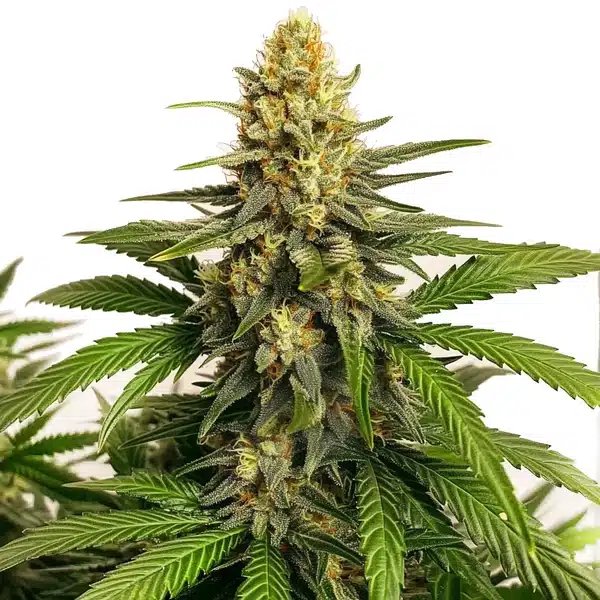
Orange Velvet x Cinderella 99 Regular

|
THC | 15% - 22% (Medium) |

|
Type | Regular |

|
Yield | Low |

|
Phenotype | 80% Indica / 20% Sativa |

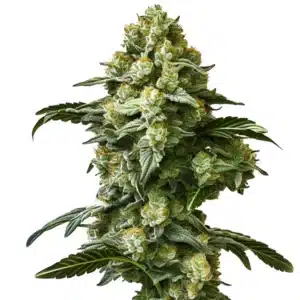
Ice Cream Cake
|
|
THC | 22% - 25% (High) |
|
|
Type | Feminized |
|
|
Yield | Medium |
|
|
Phenotype | 70% Indica / 30% Sativa |
Spider Mites on Cannabis
What Are Spider Mites?
Spider mites are tiny arachnids, often less than 0.04 inches (1 mm) in size, that infest cannabis plants. They thrive in warm, dry conditions, making them a common pest in indoor grow rooms. These mites feed on plant sap, causing damage that can lead to stunted growth and reduced yields.
Spider mites reproduce rapidly, with a single female laying up to 20 eggs per day. This rapid reproduction can lead to infestations that are difficult to control without timely intervention. Identifying the specific species, such as the two-spotted spider mite, is crucial for effective management.
Signs of Spider Mite Infestation
Infestations often start with small yellow or white speckles on leaves, progressing to webbing as populations increase. Severe infestations can cause leaves to turn bronze and fall off, drastically affecting plant health. Regular inspection using a magnifying glass can help detect early signs.
Experienced growers report that spider mite damage can be confused with nutrient deficiencies. However, the presence of webbing and clusters of small, moving dots on the underside of leaves are telltale signs of mites, distinguishing them from other issues.
Promos & Deals


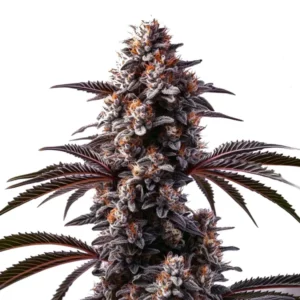
Effective Strategies for Controlling Spider Mites on Cannabis
Organic Control Methods
Organic methods, such as introducing predatory mites like Phytoseiulus persimilis, can effectively reduce spider mite populations. These beneficial insects prey on spider mites, providing a natural balance. Neem oil, applied at a concentration of 1-2% in water, can also deter mites without harming plants.
Many cultivators share that maintaining humidity levels above 55% can slow mite reproduction. Spider mites prefer dry environments, so increasing humidity can disrupt their life cycle. This method is particularly effective in indoor settings where environmental control is feasible.
Chemical Control Options
For severe infestations, chemical miticides may be necessary. Products containing abamectin or spiromesifen are effective, but should be used with caution to avoid harming beneficial insects. Always follow label instructions and consider rotating chemicals to prevent resistance.
Master growers have pointed out that overuse of chemical controls can lead to resistance. It’s crucial to integrate chemical treatments with other methods, such as environmental adjustments and biological controls, to maintain efficacy over time.
| Feature | Critical Jack Auto | Ice Cream Cake | Orange Velvet X Cinderella 99 Regular |
|---|---|---|---|
| THC Content | 10-15% | 22-25% | 15-22% |
| Dominant Terpene | Myrcene | Limonene | Caryophyllene |
| Yield Indoor | 1.47 – 1.64 oz/ft² | 450 – 500 g/m² | 1.47 oz/ft² | 450 g/m² | 1.15 oz/ft² | 350 g/m² |
| Flowering Time | 8-10 weeks | 8-10 weeks | 8-10 weeks |
| Resistance to Pests | Moderate | High | Moderate |
Indoor vs Outdoor Spider Mite Control
Indoor Control Strategies
Indoor environments allow for precise control of temperature and humidity, crucial for managing spider mites. Maintaining temperatures below 80°F (26°C) and humidity levels above 55% can significantly reduce mite activity. Regular cleaning of grow rooms and equipment also prevents infestations.
Many cultivators share that using HEPA filters in ventilation systems can trap mite eggs and larvae, further reducing the risk of infestation. This is particularly effective in sealed grow rooms where air exchange is limited.
Outdoor Control Strategies
Outdoor growers face unique challenges, as environmental factors are less controllable. Introducing natural predators, such as ladybugs, can help manage mite populations. Additionally, planting companion species like marigolds can deter mites naturally.
Experienced growers report that regular spraying with a water hose can physically remove mites from plants. This method is effective when combined with other control strategies and should be done early in the morning to prevent sunburn on wet leaves.
Protecting Cannabis Leaves from Spider Mites
Leaf Protection Techniques
Direct application of insecticidal soap or neem oil on leaves can effectively control spider mites. These treatments should be applied every 5-7 days to break the mite life cycle. Ensure thorough coverage of both the top and underside of leaves.
Master growers have pointed out that using a hand-held magnifier can help spot mites early, allowing for timely intervention. Regular leaf inspections, especially during the flowering stage, are crucial for maintaining plant health.
Preventive Measures and Maintenance
Regular Monitoring and Maintenance Tips
Regular monitoring is key to preventing spider mite infestations. Inspect plants weekly, focusing on the undersides of leaves where mites commonly reside. Use sticky traps to monitor mite activity and identify potential infestations early.
Maintain cleanliness in grow areas by removing plant debris and cleaning tools regularly. This reduces the chances of mites finding a foothold in your grow space. Implementing a quarantine process for new plants can also prevent introducing mites into your garden.

Professional Tips for Spider Mite Control
- Maintain 55-65% humidity to disrupt spider mite reproduction. Below 50% can accelerate their life cycle.
- Use neem oil at 1-2% concentration for organic control. Higher concentrations may damage plant tissue.
- Rotate chemical miticides to prevent resistance. Overuse of a single product can lead to resistant mite populations.
- Introduce predatory mites early in the growing season for best results. Late introductions may not control established infestations.
- Regularly clean grow room surfaces and equipment. Neglecting cleanliness can lead to persistent mite problems.
- Inspect plants with a magnifying glass weekly. Early detection is crucial for effective management.
FAQs about Spider Mite Control on Cannabis
What are the signs of spider mite infestation on cannabis?
Spider mite infestations typically present as small yellow or white speckles on leaves, progressing to webbing as populations grow. Severe cases may result in leaf bronzing and drop. Regular inspections are crucial, with a focus on the undersides of leaves where mites are most active.
How do spider mites affect cannabis leaves?
Spider mites damage cannabis leaves by feeding on plant sap, causing discoloration and reduced photosynthesis. This can lead to stunted growth and lower yields. In severe infestations, leaves may turn bronze and fall off, significantly impacting plant health and productivity.
What organic methods are effective against spider mites indoors?
Effective organic methods for indoor spider mite control include introducing predatory mites and applying neem oil. Maintaining humidity levels above 55% can also disrupt mite reproduction. Regular cleaning and monitoring further enhance these organic strategies.
What are the best practices for preventing spider mites in outdoor cannabis grows?
Outdoor growers can prevent spider mites by introducing natural predators like ladybugs and using companion planting with marigolds. Regular water sprays can physically remove mites, and maintaining plant health through proper nutrition and care reduces susceptibility to infestations.
Which chemical products are safe for controlling spider mites on cannabis?
Products containing abamectin or spiromesifen are effective for controlling spider mites on cannabis. Always follow label instructions and consider rotating chemicals to prevent resistance. Use chemical controls judiciously to avoid harming beneficial insects and impacting plant health.