Changes in Cannabis Aroma Profiles

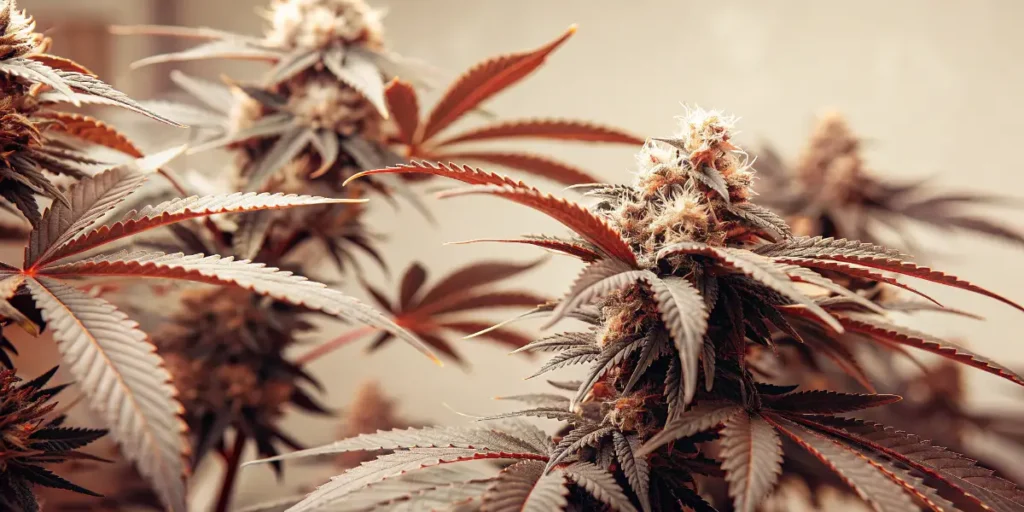
Changes in cannabis aroma profiles: Cannabis aroma profiles change due to genetic variations, environmental conditions, and cultivation techniques. These factors influence terpene production, which impacts aroma and potency. Terpenes like myrcene and limonene can vary even within the same strain, altering the scent and consumer experience. Master growers emphasize these dynamics as vital for cultivators and consumers seeking optimal cannabis quality.
Terpenes are the aromatic compounds that give cannabis its distinctive scent, and their profiles can shift due to various factors. These changes are crucial for cultivators aiming to optimize their crops and for consumers seeking specific experiences. Factors like light spectrum and nutrient availability play a significant role in terpene development, affecting both aroma and flavor.
Recommended Strains

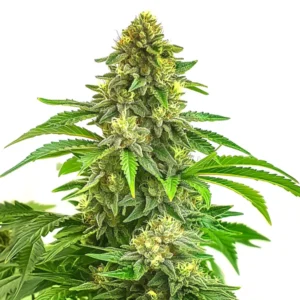
Amnesia Haze Autoflower F1

|
THC | 24% - 30% (High) |

|
Type | Autoflowering F1 |

|
Yield | High |

|
Phenotype | 30% Indica / 70% Sativa |

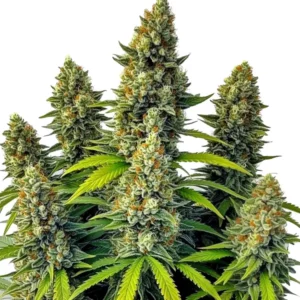
Green Crack
|
|
THC | 21% (Medium) |
|
|
Type | Feminized |
|
|
Yield | High |
|
|
Phenotype | 35% Indica / 65% Sativa |
What Influences Changes in Cannabis Aroma Profiles?
Environmental Factors
Environmental conditions, such as temperature and humidity, significantly impact cannabis aroma profiles. Maintaining a stable temperature range of 68°F to 77°F (20°C to 25°C) is crucial for optimal terpene production. Fluctuations can lead to stress, reducing terpene levels and altering aroma. For vegetative growth, humidity levels should be between 60% and 70% RH, while during flowering, a range of 40% to 50% RH is ideal to prevent bud rot while preserving aromatic compounds.
Light intensity and spectrum also play a role in terpene synthesis. A light intensity of 800-1000 µmol/m²/s during flowering enhances terpene production, resulting in richer aromas. The use of full-spectrum LED lights can further boost specific terpene profiles, enhancing the plant’s overall aromatic complexity.
Genetic Factors
Genetics are foundational in determining a cannabis strain’s aroma profile. Each strain has a unique genetic blueprint that dictates its terpene composition. For example, the GG4 strain is known for its earthy and piney aroma due to its high myrcene content, typically ranging from 0.5% to 1.0%.
Crossbreeding different strains can introduce new terpene profiles, creating unique aromatic experiences. This genetic diversity allows breeders to tailor strains for specific aroma preferences, enhancing consumer choice and satisfaction.
Cultivation Techniques
Cultivation methods, such as nutrient management and training techniques, influence aroma profiles. Using a nutrient ratio of N:P:K 1:3:2 during flowering can enhance terpene production. Techniques like low-stress training (LST) can increase light penetration and airflow, promoting healthier plants and more robust aromas.
Harvest timing is critical; harvesting too early or late can alter terpene profiles. Experienced growers recommend harvesting when trichomes are milky with some amber, ensuring peak terpene levels and optimal aroma.
| Feature | GG4 | Amnesia Haze Autoflower F1 | Green Crack |
|---|---|---|---|
| Dominant Terpene | Humulene | Limonene | Caryophyllene |
| THC % | 27% | 24-30% | 21% |
| Flavor Profile | Fruity, Pine, Spicy | Citrus, Sweet, Woody | Earthy, Fruity |
| Yield Indoor | 1.64 – 1.97 oz/ft² | 500 – 600 g/m² | 1.64 – 1.97 oz/ft² | 500 – 600 g/m² | 1.97 oz/ft² | 600 g/m² |
| Flowering Time | 8-10 weeks | 8-10 weeks | 7-9 weeks |
Promos & Deals
Terpenes in Aroma Profiles
Common Terpenes and Their Scents
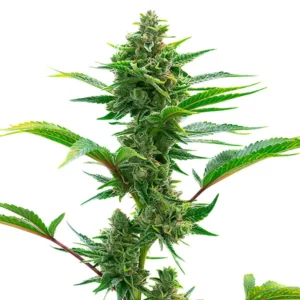
Terpenes are the primary contributors to cannabis aroma. Myrcene, found in strains like Green Crack, offers an earthy scent and enhances THC uptake. Limonene, prevalent in citrus-scented strains, provides a refreshing aroma and may elevate mood. Caryophyllene, with its spicy notes, interacts with CB2 receptors, potentially reducing inflammation.
Experienced growers report that specific terpene compositions can guide consumers in selecting cannabis that meets their desired aromatic and therapeutic needs. For instance, strains high in linalool may offer calming effects due to their floral scent and interaction with the central nervous system.
How Aroma Profiles Affect Consumer Experience
Selecting Strains Based on Aroma
Consumers often choose cannabis strains based on aroma, which can indicate potential effects. For example, the sweet citrus aroma of Amnesia Haze Autoflower F1 suggests an uplifting experience, while the earthy scent of GG4 hints at relaxation. Aroma profiles can thus guide users in finding strains that align with their preferences.
Master growers emphasize the importance of aroma in enhancing the overall cannabis experience. By selecting strains with specific aromatic qualities, consumers can tailor their cannabis use to suit different occasions, whether for relaxation or socializing.
Future Trends in Cannabis Aroma Exploration
As cannabis exploration advances, insights into the complex interplay between terpenes and cannabinoids will deepen. Many cultivators have signaled that future developments may explore how minor cannabinoids like CBG and CBN interact with terpenes to influence aroma and effects. This could lead to the development of strains with tailored aromatic profiles to meet specific consumer demands.
Professional Tips for Optimizing Cannabis Aroma
- Maintain 58-62% RH during curing to preserve terpenes. Below 55% can stall terpene development; above 65% risks mold growth.
- Use full-spectrum LED lights to enhance terpene profiles, ensuring rich aromas and flavors.
- Harvest when trichomes are milky with some amber to capture peak terpene levels.
- Employ low-stress training (LST) to boost light exposure and airflow, promoting healthier plants and robust aromas.
- Choose strains with specific terpene profiles to match desired effects, such as limonene for mood elevation.
- Store cannabis in airtight containers at 59-70°F (15-21°C) to prevent terpene degradation over time.
Frequently Asked Questions
What factors influence cannabis aroma profiles?
Cannabis aroma profiles are influenced by genetics, environmental conditions, and cultivation techniques. For example, maintaining a temperature of 68°F to 77°F (20°C to 25°C) and humidity levels of 40% to 50% during flowering can optimize terpene production, enhancing aroma.
How do terpenes affect cannabis aroma?
Terpenes are aromatic compounds that define cannabis scent. Myrcene offers earthy notes, while limonene provides a citrus aroma. These terpenes not only affect aroma but also interact with cannabinoids, influencing the overall cannabis experience.
Can cultivation techniques change the aroma of cannabis?
Yes, cultivation techniques like nutrient management and light spectrum can alter cannabis aroma. Using a nutrient ratio of N:P:K 1:3:2 during flowering enhances terpene production, while full-spectrum LED lights can boost specific terpene profiles.
Why do cannabis strains have different aromas?
Cannabis strains have unique genetic blueprints that dictate their terpene composition. Crossbreeding can introduce new terpene profiles, resulting in diverse aromas. For instance, GG4’s earthy scent is due to its high myrcene content.
How does aroma affect the consumer’s experience?
Aroma can indicate potential effects, guiding consumers in strain selection. Sweet citrus scents suggest uplifting experiences, while earthy aromas hint at relaxation. Understanding aroma profiles helps tailor cannabis use to personal preferences.