Optimal Watering Practices for Indoor Cannabis Plants

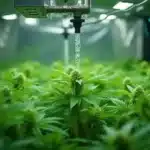
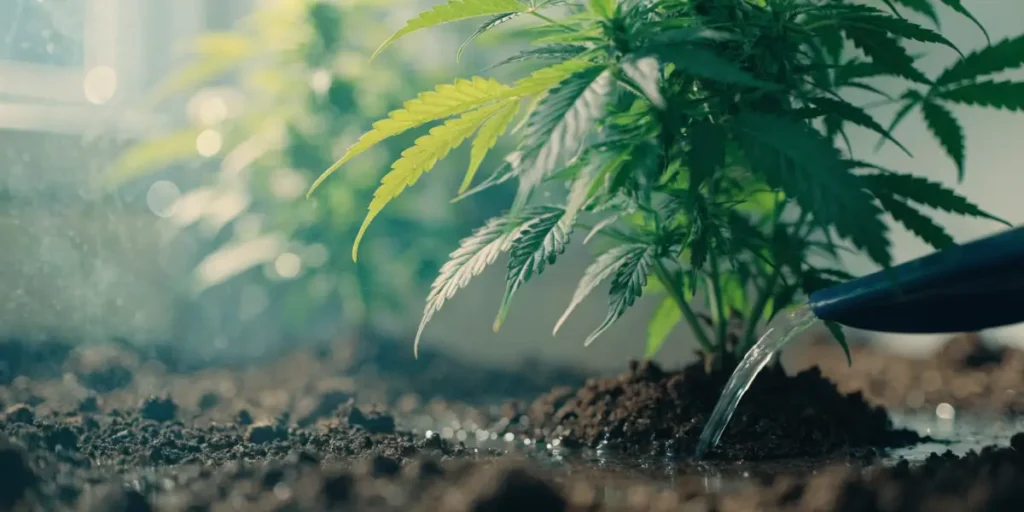
Watering frequency and quantity: Indoor cannabis plants require precise watering to thrive. Typically, a plant might need between 0.5 to 1 gallon of water daily, depending on its size and growth stage. Proper watering prevents overwatering and underwatering, which are common issues that can hinder growth and yield. Adjusting water needs according to plant size and environmental conditions is crucial for optimal growth.
Achieving the perfect balance in watering can significantly enhance the terpene profile and flowering time of your cannabis plants. Terpenes, such as myrcene and limonene, thrive in well-hydrated environments, contributing to the plant’s aroma and flavor. Additionally, maintaining consistent moisture levels can reduce flowering time by up to 10%, ensuring a robust and aromatic yield.
Recommended Strains

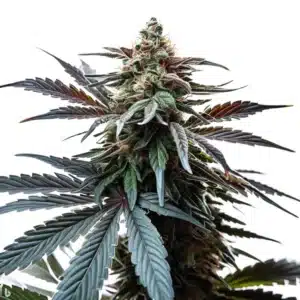
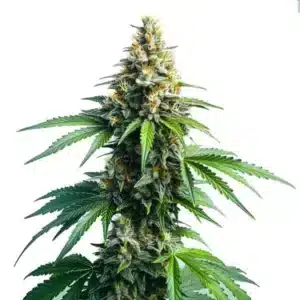
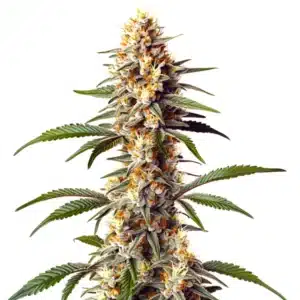
White Widow x California Snow Auto

|
THC | 15% - 18% (Medium) |

|
Type | Autoflowering |

|
Yield | Low |

|
Phenotype | 45% Indica / 55% Sativa |

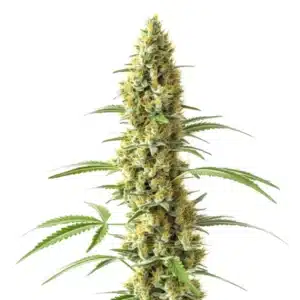
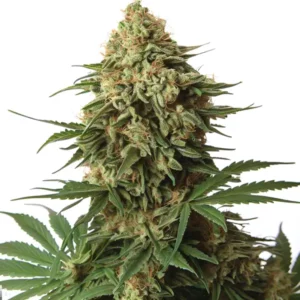
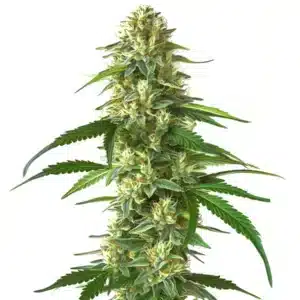
Tangie x Chocolope
|
|
THC | 12% - 17% (Medium) |
|
|
Type | Feminized |
|
|
Yield | High |
|
|
Phenotype | 40% Indica / 60% Sativa |
Water Needs of Cannabis Plants
Factors Affecting Water Requirements
Indoor cannabis plants have specific water needs that vary based on factors like plant size, growth stage, and environmental conditions. For instance, a mature plant in the flowering stage might require up to 1 gallon of water per day, while seedlings need significantly less. The growing community emphasizes the importance of monitoring humidity and temperature to adjust watering schedules effectively.
Experienced growers report that maintaining a relative humidity of 50-60% and temperatures between 68°F and 77°F (20°C to 25°C) can optimize water absorption. This balance helps prevent issues like root rot and nutrient lockout, which are common in overwatered plants. Knowing these factors is crucial for determining how much water a cannabis plant needs per day.
Practical Application & Impact
To ensure optimal growth, use a moisture meter to check soil moisture levels before watering. This tool helps prevent overwatering, a common mistake that can lead to root diseases. Additionally, using a water schedule tailored to your plant’s growth stage can enhance nutrient uptake and improve overall plant health.
Master growers have pointed out that overwatering is often mistaken for nutrient deficiency. By observing leaf color and soil moisture, you can adjust your watering practices to avoid this pitfall. This approach ensures that your plants receive the right amount of water, enhancing their growth and yield potential.
Promos & Deals
Optimal Watering Practices for Indoor Cannabis Plants
Watering in Different Growth Stages
Watering practices should evolve as your cannabis plants transition through different growth stages. During the vegetative stage, plants require more frequent watering to support rapid growth and leaf development. Watering in the veg stage typically involves providing enough moisture to keep the soil consistently damp but not waterlogged.
In contrast, watering during the flowering stage demands a more measured approach. As plants focus energy on bud production, they require less frequent but deeper watering. This stage benefits from allowing the topsoil to dry out slightly between waterings, which encourages root expansion and nutrient uptake.
Best Time to Water Cannabis Indoors
The best time to water cannabis indoors is early in the morning. This timing aligns with the plant’s natural circadian rhythm, allowing it to absorb water efficiently throughout the day. Watering in the morning also reduces the risk of mold and mildew, which can develop if plants remain wet overnight.
Professional growers recommend avoiding watering late in the evening, as this can increase humidity levels overnight, promoting fungal growth. By sticking to a morning watering schedule, you ensure that your plants have ample time to dry out before temperatures drop at night.
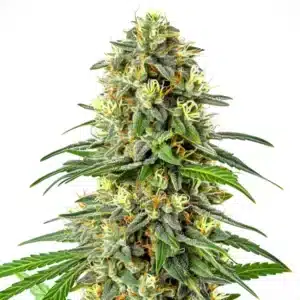
| Feature | Sugar Fruit | Tangie X Chocolope | White Widow X California Snow Auto |
|---|---|---|---|
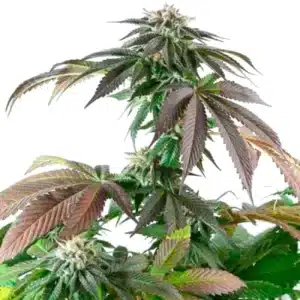
| THC Content | 18-22% | 12-17% | 15-18% |
| Dominant Terpene | Limonene | Myrcene | Caryophyllene |
| Flavor Profile | Incense, Sweet | Citrus, Fruity | Citrus, Sweet |
| Effect | Focused, Happy, Relaxed | Calming, Happy, Relaxed | Energetic, Euphoric, Uplifted |
| Yield Indoor | 1.97 oz/ft² | 600 g/m² | 1.47 – 1.64 oz/ft² | 450 – 500 g/m² | 0.98 oz/ft² | 300 g/m² |
Watering Techniques for Seedlings
Watering Cannabis Seedlings in Solo Cups
When starting cannabis seedlings in solo cups, it’s crucial to maintain a delicate balance of moisture. These small containers can dry out quickly, requiring frequent checks to ensure the soil remains damp. Watering cannabis seedlings in solo cups should involve light, even watering to avoid waterlogging and ensure proper root development.
Many cultivators share that using a spray bottle for watering seedlings in solo cups helps distribute water evenly without disturbing the delicate root system. This method also prevents overwatering, which can lead to damping-off, a common fungal disease in young plants.
Watering Cannabis Seedlings in Big Pots
Watering cannabis seedlings in big pots requires a different approach. The larger soil volume retains moisture longer, reducing the frequency of watering. However, it’s essential to ensure that the entire root zone receives adequate moisture to promote healthy growth.
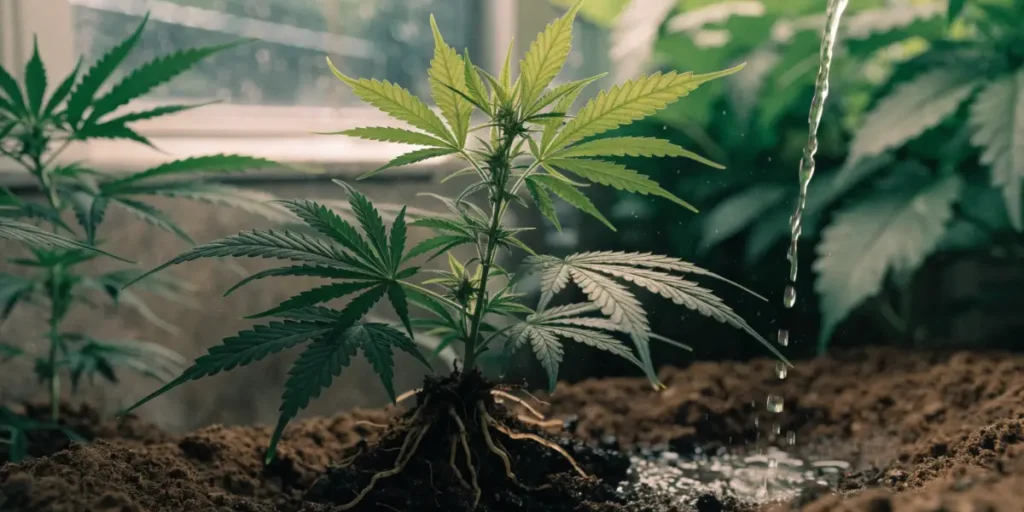
Experienced growers recommend using a watering can with a narrow spout to direct water to the base of the plant. This technique helps avoid wetting the foliage, which can lead to mold growth. Monitoring soil moisture with a meter can also prevent overwatering, a common issue when seedlings are placed in large containers.
Common Mistakes and How to Avoid Them
Best Time to Water Cannabis Indoors
Watering cannabis plants at the wrong time can lead to various issues, including mold and nutrient lockout. The best time to water cannabis indoors is in the morning when plants are most active. This timing allows them to utilize water efficiently throughout the day, reducing the risk of overwatering.
Many cultivators emphasize avoiding watering late in the evening, as this can increase humidity levels overnight, promoting fungal growth. By sticking to a morning watering schedule, you ensure that your plants have ample time to dry out before temperatures drop at night.
Professional Tips for Watering Indoor Cannabis
- Maintain 50-60% relative humidity to optimize water absorption. Lower humidity can cause dehydration, while higher levels may lead to mold.
- Use a moisture meter to prevent overwatering. This tool helps identify the precise moisture level in the soil, avoiding root rot.
- Water early in the morning to align with the plant’s natural rhythm, ensuring efficient water use throughout the day.
- Adjust watering frequency based on plant size and growth stage. Larger plants in the flowering stage require less frequent but deeper watering.
- Avoid watering late in the evening to prevent fungal growth due to increased overnight humidity.
- Use a spray bottle for seedlings in solo cups to distribute water evenly without disturbing roots.
FAQs on Watering Indoor Cannabis
Is it better to water indoor plants in the morning or at night?
Watering indoor cannabis plants in the morning is preferable. This timing aligns with the plant’s natural circadian rhythm, allowing for efficient water absorption. Morning watering also reduces the risk of mold and mildew, which can develop if plants remain wet overnight, especially in high humidity conditions.
Should I water my plants every day in 100 degree weather?
In extreme heat, such as 100°F, increase watering frequency but avoid daily watering unless necessary. Monitor soil moisture with a meter to prevent overwatering. High temperatures increase evaporation, so adjust your schedule to maintain consistent soil moisture without saturating the roots.
What’s the worst time to water plants?
The worst time to water cannabis plants is late in the evening. Watering at this time can lead to increased humidity levels overnight, promoting fungal growth. Always aim to water in the morning to ensure plants have time to dry before nighttime temperatures drop.
How much water does a cannabis plant need per day?
A cannabis plant typically requires between 0.5 to 1 gallon of water per day, depending on its size and growth stage. Larger plants in the flowering stage may need more water, while seedlings require less. Adjust water volume based on plant needs and environmental conditions.
What are the signs of overwatering cannabis plants?
Signs of overwatering include yellowing leaves, drooping, and root rot. The soil may appear constantly wet, and plants might exhibit stunted growth. Use a moisture meter to check soil moisture and adjust your watering schedule to prevent overwatering and promote healthy growth.