Proven Insights: Cannabinoid Oxidation Under Light Exposure

Cannabinoids, the active compounds in cannabis, are sensitive to various environmental factors, including light. When exposed to light, these compounds can undergo oxidation, which affects their potency and overall quality. This article delves into the intricacies of cannabinoid oxidation under light exposure and offers practical tips for preserving your cannabis products.
Light exposure can lead to cannabinoid degradation, impacting the stability of these compounds. When cannabinoids are oxidized, they lose their effectiveness, which can significantly alter the experience for consumers. It is crucial for both first-time cannabis seed buyers and experienced growers to understand how light affects their crops.
Recommended Strains

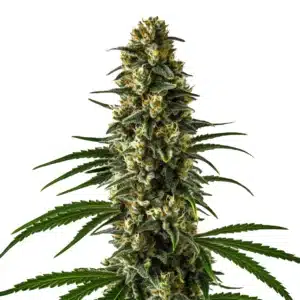
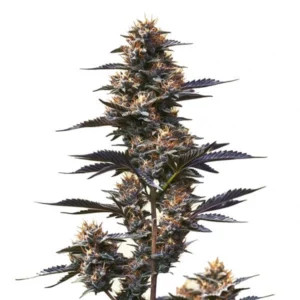
Moby Dick

|
THC | 24% - 27% (High) |

|
Type | Feminized |

|
Yield | High |

|
Phenotype | 40% Indica / 60% Sativa |

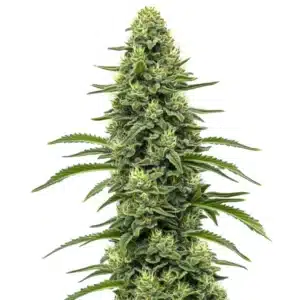
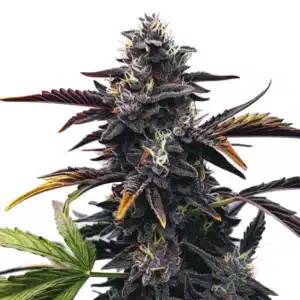
Blue Dream
|
|
THC | 17% - 24% (High) |
|
|
Type | Feminized |
|
|
Yield | High |
|
|
Phenotype | 50% Indica / 50% Sativa |
For example, the popular cannabis strain, Blue Dream from Blimburn Seeds, is known for its balanced effects. However, improper storage or excessive light exposure can degrade its cannabinoids, reducing its effectiveness. By taking preventive measures, you can maintain the integrity of your cannabis strains.
Factors Influencing Cannabinoid Oxidation
Light, especially UV light, plays a significant role in the oxidation process. UV light impacts cannabinoid oxidation by breaking down their molecular structure. This results in a loss of potency and effectiveness. Thus, knowing the effects of light on cannabinoid stability is essential for maintaining quality.
Temperature and humidity also affect cannabinoid oxidation under light exposure. High temperatures can accelerate the oxidation process, while humidity can lead to mold growth. Together, these factors can significantly degrade your cannabis products if not managed properly.
Moreover, the duration and intensity of light exposure are critical. Prolonged exposure to intense light can exacerbate cannabinoid degradation due to light exposure. Therefore, keeping a close watch on environmental conditions and adjusting them when necessary can be a decisive step in preventing cannabinoid oxidation from light.
Another factor to consider is the strain’s genetic makeup. Some strains may have inherent resilience to light-induced oxidation due to their unique cannabinoid profiles. Knowing the specific needs of each strain can help growers implement tailored strategies for cannabinoid preservation against light-induced oxidation.
Promos & Deals
Practical Tips for Preventing Cannabinoid Oxidation
Proper storage is key to preventing cannabinoid oxidation from light. Use airtight containers that are opaque or dark-tinted to block out light. Store your cannabis in a cool, dry place to minimize exposure to harmful environmental factors.
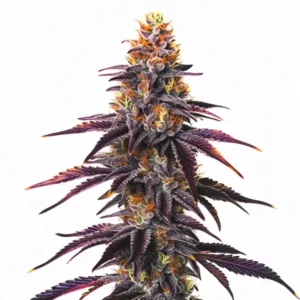
Another effective strategy is to use UV-blocking storage options. These containers are specifically designed to preserve cannabinoid potency by blocking harmful UV rays, thus preserving your stash. For instance, storing your Girl Scout Cookies strain from Blimburn Seeds in such containers can help maintain its potent effects.
Besides to UV-blocking containers, consider investing in temperature-controlled storage solutions. These can further aid in minimizing the effects of light on cannabinoid stability by maintaining optimal environmental conditions. This dual protection approach maximizes the longevity and potency of your cannabis products.
Regularly checking the condition of your stored cannabis can also be beneficial. Look for signs of degradation, such as changes in color or scent, which may indicate cannabinoid oxidation under light exposure. Promptly addressing any issues can help prevent further degradation of your cannabis products.
The Science Behind Cannabinoid Oxidation
Cannabinoid oxidation occurs when light energy breaks the bonds within cannabinoid molecules. This process converts active cannabinoids like THC into less active forms, such as CBN. The result is a less potent product that might not deliver the desired effects.
Research indicates that cannabinoids are more stable in darkness. Therefore, keeping your cannabis products away from direct light is vital for preserving their quality. This is especially true for strains like Moby Dick from Blimburn Seeds, which are prized for their potency.
The rate of cannabinoid oxidation can vary depending on several factors, including the type of light and its intensity. UV light impact on cannabinoid oxidation is particularly profound, leading to faster degradation compared to other light types. Knowing these differences can help in designing better storage solutions.
Furthermore, the chemical structure of cannabinoids makes them inherently reactive to light. The presence of double bonds in their structure is particularly susceptible to light-induced oxidation. By knowing these molecular details, we can develop more effective strategies for preventing cannabinoid oxidation from light.
Real-Life Examples of Light Exposure Impact
Imagine storing your cannabis in a clear jar on a sunny windowsill. Over time, the cannabinoids within the jar will degrade due to constant light exposure, resulting in a less potent product. This real-life scenario highlights the importance of proper storage to prevent cannabinoid degradation due to light exposure.
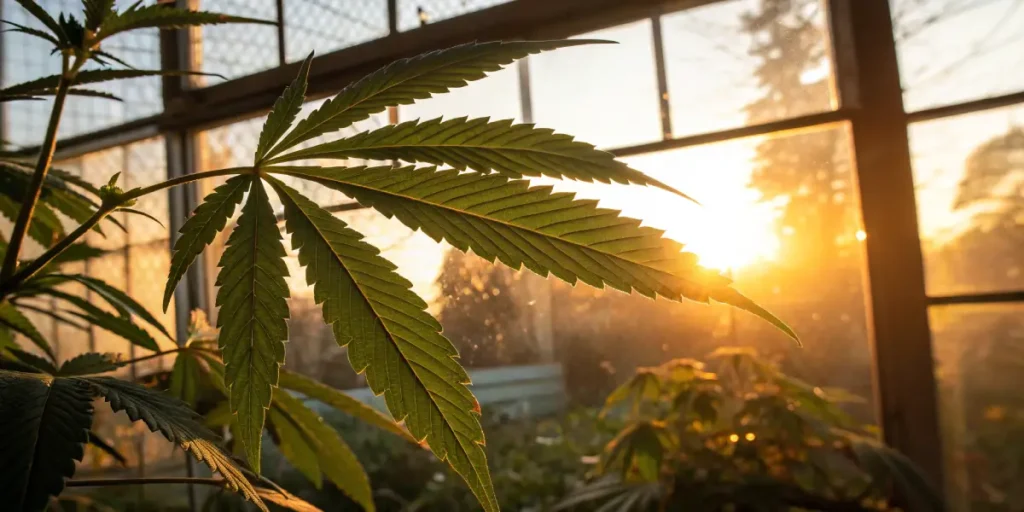
Another example is the outdoor cultivation of cannabis plants. While sunlight is beneficial for growth, excessive exposure can lead to the oxidation of cannabinoids in the plant’s trichomes. Growers should monitor light exposure closely to ensure optimal cannabinoid preservation against light-induced oxidation.
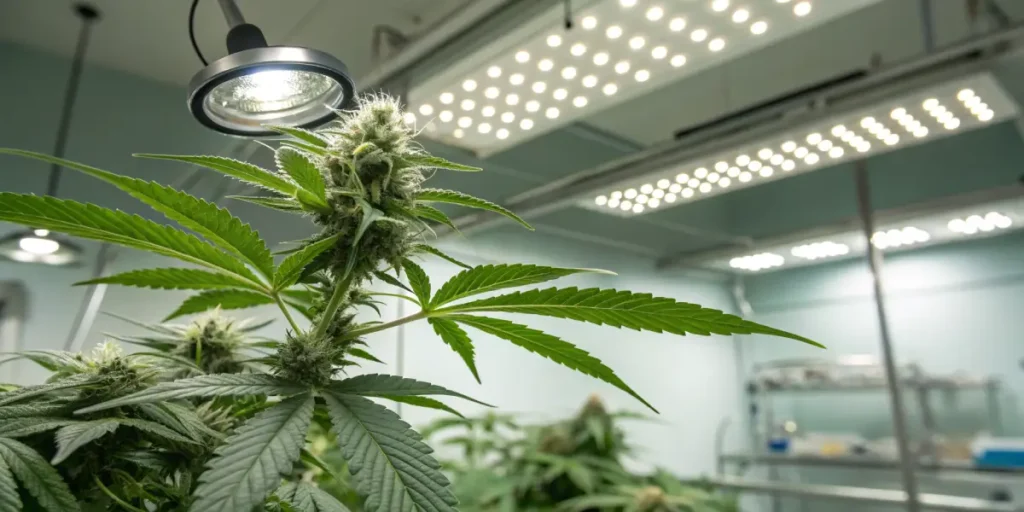
In indoor growing environments, the choice of lighting systems plays a crucial role. While artificial lights allow for better control over exposure, they can still contribute to oxidation if not managed properly. Strategically adjusting light cycles and intensities can mitigate adverse effects and preserve cannabinoid stability.
For cannabis retailers, displaying products in well-lit showcases might enhance visibility but could also accelerate degradation. This trade-off highlights the need for careful consideration of lighting choices in all aspects of cannabis handling, from cultivation to retail display.
FAQs on Cannabinoid Oxidation Under Light Exposure
What is cannabinoid oxidation under light exposure?
Cannabinoid oxidation under light exposure is the process where cannabinoids degrade when exposed to light, especially UV light. This degradation results in a loss of potency and effectiveness, impacting the overall quality of cannabis products. UV light impacts cannabinoid oxidation by breaking down the molecular structure of these compounds.
As light exposure continues, cannabinoids can convert into less active forms, reducing the desired effects. This process is particularly problematic for those who rely on cannabis for its therapeutic benefits, as the degradation can diminish the compound’s efficacy.
Knowing the mechanisms of cannabinoid oxidation under light exposure can help in devising effective storage solutions. By minimizing exposure to harmful light, cannabis users can ensure that their products retain the desired effects and therapeutic benefits over time.
The science of cannabinoid degradation due to light exposure continues to evolve, with ongoing research shedding light on new methods for preservation. These advancements offer hope for better protection of cannabis quality, ensuring that consumers receive the full benefits of their chosen strains.
Why is light exposure harmful to cannabinoids?
Light exposure is harmful to cannabinoids because it accelerates the oxidation process. When cannabinoids are exposed to light, particularly UV rays, their molecular bonds are broken. This leads to the conversion of active cannabinoids like THC into less active forms, such as CBN.
For cannabis enthusiasts and growers, maintaining cannabinoid stability is crucial. By limiting light exposure, you can preserve the potency and effectiveness of your cannabis products, ensuring a better experience every time.
The detrimental effects of light on cannabinoids aren’t limited to potency loss. Light-induced oxidation can also alter the aroma and taste of cannabis products, further diminishing the overall user experience. Taking steps to mitigate light exposure is essential for maintaining the sensory qualities of cannabis.
Besides to affecting cannabinoids, light exposure can also impact other compounds in cannabis, such as terpenes and flavonoids. These compounds contribute to the distinctive characteristics of each strain, and their degradation can lead to a less enjoyable product.
How can I prevent cannabinoid oxidation from light?
Preventing cannabinoid oxidation from light involves proper storage and handling of your cannabis products. Use opaque or dark-tinted airtight containers to block out light. Store your cannabis in a cool, dry place to reduce exposure to harmful environmental factors.
Consider investing in UV-blocking storage solutions, which are designed to protect your cannabis from the harmful effects of light. By taking these measures, you can significantly prolong the shelf-life and potency of your cannabis strains.
Regularly rotating your stock can also help in preventing cannabinoid oxidation from light. By ensuring that older products are used first, you can reduce the time cannabis is exposed to potential degrading factors, maintaining its quality over time.
Education is another key component in preserving cannabis quality. Being aware of the risks and best practices for storage can empower consumers and growers to make informed decisions, effectively combating the negative effects of light on cannabinoid stability.
What are the effects of light on cannabinoid stability?
The effects of light on cannabinoid stability are significant. Light exposure leads to the degradation of cannabinoids, resulting in a loss of potency and effectiveness. This degradation is primarily due to the oxidation process initiated by light, especially UV rays.
To maintain cannabinoid stability, it is essential to store cannabis products away from direct light. By doing so, you can preserve their quality and ensure that they deliver the desired effects consistently.
Besides altering cannabinoid potency, light exposure can also impact the structural integrity of cannabis. Over time, this can lead to brittle and less visually appealing products. Ensuring proper storage conditions can help in maintaining both the chemical and physical attributes of cannabis.
Growers and consumers alike must remain vigilant about the effects of light on cannabinoid stability. By incorporating light management strategies into their practices, they can safeguard the integrity of cannabis products, ensuring a satisfactory experience for end-users.
Are there specific strains more sensitive to light exposure?
While all cannabis strains are susceptible to light-induced oxidation, some may be more sensitive than others due to their unique cannabinoid profiles. High-THC strains, for instance, might experience more rapid degradation compared to those with higher CBD levels.
Strains like Blue Dream, Girl Scout Cookies, and Moby Dick from Blimburn Seeds are renowned for their potency. To maintain their effectiveness, it is crucial to store them properly and limit light exposure as much as possible.
It is also important to consider the age of cannabis. Older products may be more prone to degradation and require stricter storage conditions to preserve their quality. Identifying the unique needs of each strain and adjusting storage practices accordingly can help in mitigating cannabinoid degradation due to light exposure.
Research into strain-specific sensitivity to light is ongoing, with the goal of developing targeted preservation methods. These advancements could lead to tailored solutions that enhance the longevity and potency of specific cannabis strains, ensuring optimal user satisfaction.