Essential Guide to Degradation Products of THC Under UV Light

THC, or tetrahydrocannabinol, is the compound that gives cannabis its psychoactive properties. However, exposure to UV light can lead to the degradation of THC. When THC is exposed to UV light, it breaks down into various degradation products. This process is a part of the natural aging of cannabis.
UV light, similar to sunlight, has the ability to cause chemical changes in THC. This photodegradation process alters the potency and effects of cannabis. For both first-time buyers and seasoned growers, knowing these changes is crucial for maintaining the quality and efficacy of cannabis products.
Recommended Strains

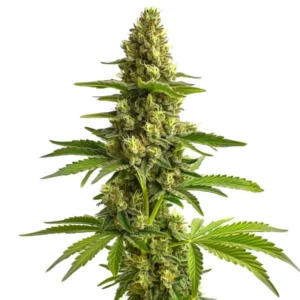
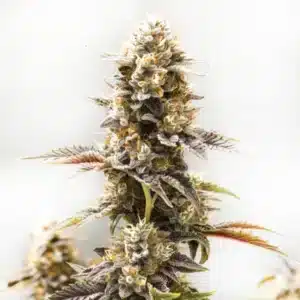
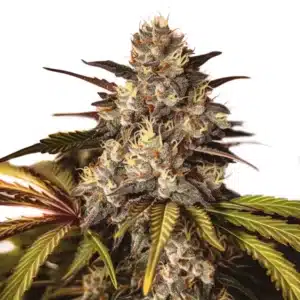
Blue Dream

|
THC | 17% - 24% (High) |

|
Type | Feminized |

|
Yield | High |

|
Phenotype | 50% Indica / 50% Sativa |

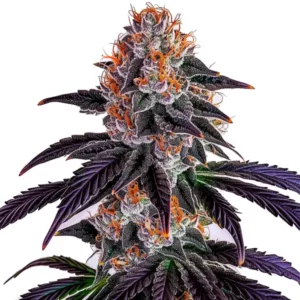
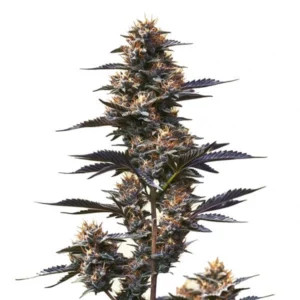
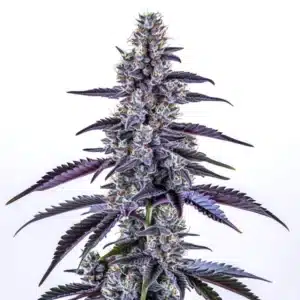
Sour Diesel
|
|
THC | 22% - 25% (High) |
|
|
Type | Feminized |
|
|
Yield | High |
|
|
Phenotype | 30% Indica / 70% Sativa |
For instance, if you’re growing a strain like Blue Dream from Blimburn Seeds, keeping your harvest away from UV exposure is essential. The degradation products of THC under UV light can significantly reduce the strain’s potency, affecting the overall experience.
How THC Degrades Under UV Light
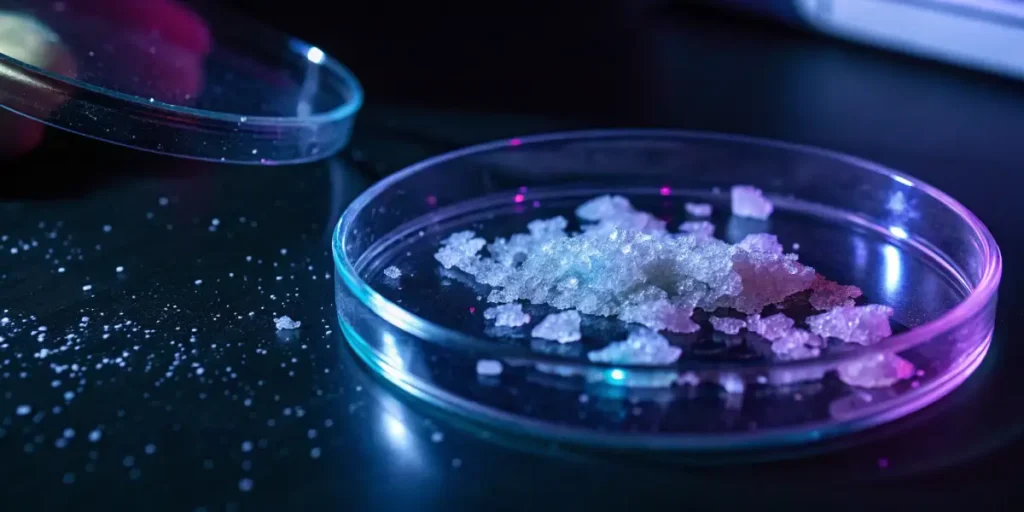
When THC is exposed to UV light, it undergoes a chemical transformation. This process, known as photodegradation, leads to the formation of new compounds. These are known as degradation products of THC under UV light. Over time, the potency of THC decreases as it converts into less psychoactive substances.
One of the main degradation products of THC under UV light is cannabinol (CBN). CBN is less potent than THC, resulting in a milder effect. For example, if you’re storing a batch of Sour Diesel from Blimburn Seeds, prolonged exposure to UV light will increase the CBN content, potentially making the product less effective.
The chemical changes in THC under UV light don’t just stop at potency reduction. These changes can also lead to an alteration in the molecular structure of THC, forming other cannabinoids that may not be desired. Knowing THC UV light degradation products can help growers make informed decisions about cultivation and storage.
Moreover, the effects of UV on THC degradation aren’t only relevant to potency but also to the safety and stability of the final product. As such, both home-growers and commercial producers should prioritize methods that minimize UV exposure, ensuring that the THC in their products retains its intended efficacy and safety profile.
Protecting Cannabis from UV Exposure
To prevent the effects of UV on THC degradation, proper storage is key. Cannabis should be kept in a dark, cool place to minimize exposure to light. Containers that block UV rays are particularly beneficial. Glass jars with UV protection are a popular choice among growers.
For instance, if you’re growing the potent strain Bruce Banner 3 from Blimburn Seeds, using UV-protective containers can help preserve its high THC levels. This ensures that the strain retains its desired effects over time.
Besides to UV-protected containers, the use of temperature-controlled environments is another crucial measure. Maintaining a stable environment can alleviate the risk of THC photodegradation under UV, ensuring that your cannabis remains fresh and potent for longer durations.
Educating consumers on the importance of proper cannabis storage is equally vital. By spreading awareness about UV exposure THC breakdown products, both growers and consumers can work together to enhance the overall quality and longevity of cannabis products.
Promos & Deals
The Science Behind THC Photodegradation Under UV
THC photodegradation under UV involves complex chemical reactions. When THC absorbs UV light, its molecular structure changes. This initiates a series of reactions that convert THC into other cannabinoids like CBN and delta-8-THC.
The chemical changes in THC under UV light are an important aspect of cannabis chemistry. These changes not only reduce the psychoactive effects but can also alter the flavor and aroma of the cannabis. This is a critical consideration for those growing cannabis for both personal use and commercial purposes.
Delving deeper into the science, when UV light interacts with THC, it can disrupt the bonds between the atoms in the molecule, leading to a cascade of reactions. This process is critical to understand as it directly impacts the overall composition and effectiveness of cannabis products.
Furthermore, the effects of UV on THC degradation are not limited to just the chemical aspect. The physical properties of cannabis, such as its texture and appearance, can also be affected. This is why knowing the full scope of THC UV light degradation products is essential for maintaining the desired quality of cannabis.
Impact on Cannabis Quality and Potency
The degradation products of THC under UV light can significantly affect the overall quality of the cannabis. For growers, knowing these effects is crucial in maintaining the desired potency and aroma of their strains.
Proper storage techniques and awareness of UV light effects on THC degradation can make a substantial difference. For instance, the renowned strain Blue Dream from Blimburn Seeds may lose its characteristic high if exposed to excessive UV light during storage.
The impact of chemical changes in THC under UV light extends beyond the immediate effects on potency. Over time, these changes can lead to a cumulative effect that diminishes the overall user experience. This underscores the importance of employing best practices in storage and handling.
By knowing the science behind THC photodegradation under UV, growers can better predict and manage the changes that occur in their products. This not only helps in preserving potency but also enhances the reliability and consistency of the cannabis they produce.
Preventive Measures and Best Practices
Implementing preventive measures against UV light exposure is essential for anyone involved in cannabis cultivation or storage. Simple steps can make a big difference in preserving THC potency.
Using opaque storage containers is one of the simplest ways to protect cannabis from UV light. Additionally, storing cannabis in a cool, dark environment can significantly reduce the risk of THC photodegradation under UV.
Another effective strategy is to monitor and control the humidity levels where cannabis is stored. High humidity can accelerate the degradation process, while low humidity can cause the material to dry out, both of which can affect the THC content negatively.
Lastly, adopting a proactive approach by integrating UV-blocking films in grow rooms or using specialized lighting that minimizes UV output can further safeguard against the breakdown of THC. These measures are invaluable for preserving the integrity and potency of cannabis over time.
Real-World Applications for Growers
For cannabis growers, especially those cultivating strains like Sour Diesel from Blimburn Seeds, knowing the effects of UV on THC degradation is vital. By adopting best practices, you can ensure that your harvest maintains its strength and flavor.
Growers can utilize UV-protected greenhouses to minimize exposure during the cultivation phase. This proactive approach helps in maintaining the integrity of the plants until they are ready for harvest.
Besides to using UV-protected greenhouses, integrating regular quality checks throughout the cultivation and storage processes can help in identifying any potential degradation early. This vigilance can maintain THC levels and ensure a premium product.
Educating consumers about the importance of UV exposure THC breakdown products is also beneficial. When consumers understand the importance of proper storage, they are more likely to appreciate and maintain the quality of the cannabis they purchase, which in turn supports the reputation of the grower.
FAQs about degradation products of THC under UV light
What are the main degradation products of THC under UV light?
The main degradation products of THC under UV light include cannabinol (CBN) and delta-8-THC. These compounds are formed as a result of the photodegradation process, which occurs when THC is exposed to UV light. CBN is known for its mild psychoactive effects, which are much less intense compared to THC.
This transformation is significant because it affects the overall potency and psychoactive properties of cannabis. Knowing these changes is crucial for growers and users who wish to maintain the desired effects and quality of their cannabis products.
Furthermore, the formation of these degradation products is not just a concern for potency. The presence of CBN and other compounds can also alter the therapeutic profile of the cannabis, which may be an important consideration for medical users seeking specific effects.
By recognizing the conditions that lead to THC photodegradation under UV, growers and users can take preventative measures to minimize the formation of these degradation products, thus preserving the intended therapeutic and recreational benefits of cannabis.
How does UV exposure affect the potency of cannabis?
UV exposure leads to the breakdown of THC, resulting in a decrease in potency. As THC degrades, it turns into compounds like CBN, which are less psychoactive. This process can significantly diminish the strength of cannabis over time.
For those storing cannabis, minimizing UV exposure is key to preserving the original potency. Whether you’re a grower or a user, keeping cannabis in UV-protected containers and in a dark environment is essential for maintaining its effectiveness.
The effects of UV on THC degradation are not solely restricted to potency loss. The overall experience of using cannabis, including its flavor profile and aroma, can also be adversely affected by UV exposure, leading to a less enjoyable consumption experience.
By employing effective storage solutions and knowing the science of THC UV light degradation products, both growers and users can ensure that their cannabis retains its intended potency and sensory qualities for an optimal experience.
Can UV light affect all cannabis strains equally?
While UV light can affect all cannabis strains, the rate and extent of degradation can vary. Factors such as the original THC content, storage conditions, and exposure time play a role in how quickly THC breaks down.
For example, a high-THC strain like Bruce Banner from Blimburn Seeds may experience a noticeable decrease in potency if improperly stored. Different strains may also have varying levels of susceptibility to UV light, making proper storage practices universally important.
Knowing the specific vulnerabilities of each strain to UV exposure is crucial for growers. Some strains may require more stringent protective measures than others to prevent significant THC breakdown and ensure the preservation of their unique characteristics.
By tailoring storage and handling practices to the specific needs of each strain, growers can better protect against the degradation products of THC under UV light, thereby maintaining the unique qualities and strengths of their cannabis varieties.
What storage methods are best for preventing THC degradation?
The best storage methods for preventing THC degradation involve minimizing exposure to light, heat, and air. Using airtight, opaque containers can significantly reduce the risk of THC breakdown. Additionally, storing cannabis in a cool, dark place helps preserve its potency.
For growers and users alike, these practices are essential for maintaining the quality of cannabis over time. By adopting these methods, the degradation products of THC under UV light can be minimized, ensuring a more consistent and enjoyable experience.
Incorporating additional protective measures, such as using desiccants to control moisture levels within storage containers, can further guard against degradation. These steps are particularly important in environments with fluctuating humidity and temperature conditions.
By knowing and applying these storage techniques, both growers and consumers can significantly extend the shelf life and effectiveness of their cannabis, making it possible to enjoy its full range of benefits for a longer period.
Are there any visible signs of THC degradation in cannabis?
Visible signs of THC degradation can include changes in color and texture. Cannabis that has been exposed to UV light may appear faded or less vibrant. The texture may become drier and more brittle, indicating a loss of moisture and potency.
For both growers and users, being aware of these signs can help in identifying cannabis that has potentially undergone degradation. This awareness is crucial for ensuring that the cannabis you use or sell maintains its intended effects and quality.
Besides to visual cues, the scent of cannabis can also be a telltale sign of degradation. A diminished or altered aroma may indicate that the chemical changes in THC under UV light have occurred, affecting the overall quality of the product.
Regularly checking for these degradation indicators can help growers take timely actions to improve storage conditions. For users, recognizing these signs can guide purchasing decisions and enhance the overall consumption experience.