Autoflower vs Feminized Seeds: Key Differences

Choosing between autoflower and feminized seeds comes down to your goals and your space. Autoflowers are faster and simpler, great for quick harvests; feminized photoperiod seeds offer more control and higher yield per plant. First, though, there is a common mix-up worth clearing up, because the two terms are not actually opposites.
The key thing to understand: “feminized” and “autoflowering” describe two different traits. Feminized means the seed grows into a female (bud-producing) plant. Autoflowering means it flowers on age rather than a light change. A seed can be both, in fact most autoflowers sold today are feminized autoflowers. So the real comparison most people mean is autoflower vs feminized PHOTOPERIOD seeds, which is what this guide covers.
Recommended Strains

Auto CBD Amnesia

|
CBD | 10% – 12% (Medium) |

|
Type | CBD Autoflowering |

|
Yield | High |

|
Phenotype | 50% Indica / 50% Sativa |
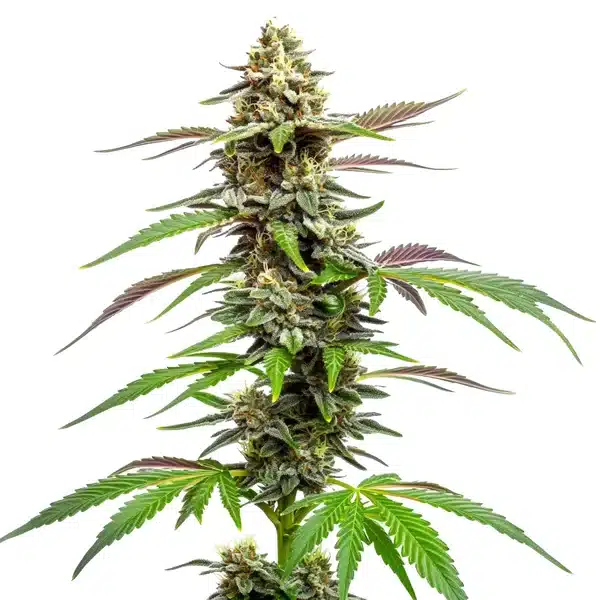
Auto CBD Med Go
|
|
CBD | 4% – 6% (Low) |
|
|
Type | CBD Autoflowering |
|
|
Yield | Medium |
|
|
Phenotype | 50% Indica / 50% Sativa |
Are Autoflowers Feminized? Clearing Up the Confusion
Because the terms get used as if they were opposites, this trips up a lot of new growers. Here is the simple version: feminized is about sex (the plant will be female), while autoflowering is about what triggers flowering (age, not light). They are independent traits. Most autoflower seeds on the market are also feminized, so you get an all-female plant that flowers automatically. You can also buy feminized photoperiod seeds (all-female, but you flip the lights to flower them) and, less commonly, regular autoflower seeds. So “are autoflowers feminized?” The ones you usually buy, yes, but the two words still mean different things.
Promos & Deals
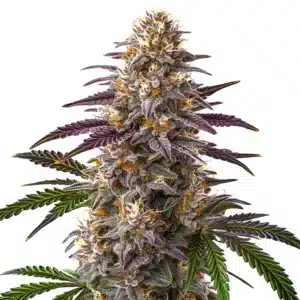
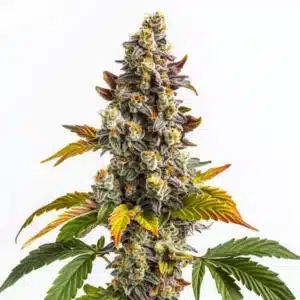
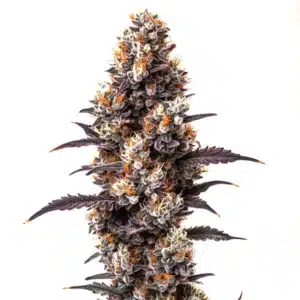
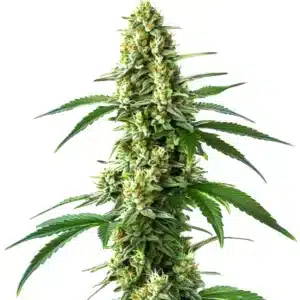
What Are Autoflower Seeds?
Autoflower seeds carry Cannabis ruderalis genetics, which make the plant flower based on age instead of the light cycle. That means no switching the lights to trigger flowering, which simplifies the whole grow and makes autoflowers a favorite for beginners and small spaces.
They finish fast, 8-10 weeks from seed, so you can run several harvests in one season, though each compact plant yields less than a big photoperiod plant. Quality is no longer a weakness: modern breeding has closed the gap, and strains like Lemon Skunk Auto deliver a citrusy, myrcene-rich profile that rivals photoperiod flower.
What Are Feminized Seeds?
Feminized seeds are bred to produce only female plants, so you skip the job of spotting and removing males and every plant goes on to make buds. Photoperiod feminized seeds flower when you switch the light to 12/12, which hands you control over exactly when (and how big) the plant flowers.
Because you decide how long they veg, feminized photoperiod plants can grow bigger root systems and canopies before flowering, which means higher yield per plant. That control, plus top-shelf genetics (strains like Gelato can reach the mid-20s percent THC), makes them the choice for growers chasing maximum quality and quantity, especially indoors.
Key Differences at a Glance
The biggest practical difference is light. Autoflowers flower on age, so you keep one schedule (often 18/6 or 20/4) the whole way through. Photoperiod feminized plants need you to switch to 12/12 to trigger flowering. Here is how the two compare across the board:
| Feature | Autoflower | Feminized (photoperiod) |
|---|---|---|
| Flowering trigger | Age (around 3-4 weeks) | Light switch to 12/12 |
| Seed to harvest | 8-10 weeks | Roughly 3-5 months (you control veg) |
| Size | Compact, bushy | Larger, highly trainable |
| Yield per plant | Lower, but multiple harvests/year | Higher per plant |
| Cloning | Not practical | Yes, from a mother plant |
| Best for | Speed, small space, beginners | Maximum yield and control |
Time to Harvest
Autoflowers are quick: 8-10 weeks seed to harvest, which lets you stagger several crops a year. Feminized photoperiod plants take longer overall because you choose how long they veg, but that extra time builds bigger plants and a heavier single harvest. Speed versus size is the core trade-off. For the autoflower timeline specifically, see our guide on when autoflowers start flowering.
The difference matters most for planning. With feminized photoperiods you control the veg length, so you can hold a plant small or grow it large before flipping it to flower, but you commit to one longer cycle. Autoflowers run a fixed countdown you cannot pause, which is less flexible but far more predictable, and it is what lets outdoor growers slot in two or three crops across a single season.
Yield Potential
On yield, feminized photoperiod plants win per plant: more veg time means bigger plants and bigger single harvests. Autoflowers yield less each, but their speed lets you run several cycles a year, which can even things out. Feeding differs too, autoflowers need a steady, gentle regimen across their short life, while photoperiod plants can follow a phased plan as they move from veg to flower, and they reward precise light, temperature and humidity control.
You can push an autoflower closer to its ceiling with strong light, a large enough final pot and a stress-free grow, but it will never match a well-vegged photoperiod for sheer weight per plant. Feminized photoperiod yields scale with veg time and training like SCROG, so if a single big harvest is the goal they win, while autoflowers make up ground through multiple smaller runs.

FAQs
What is the downside to autoflowering seeds?
Mainly lower yield per plant because they stay compact, and you cannot clone them, since a clone shares the mother’s age and would flower immediately. Their fixed clock also leaves little time to recover from mistakes. For many growers the speed and simplicity outweigh these, but they are real trade-offs.
Are all autoflower seeds feminized?
Not by definition, but in practice most autoflower seeds sold today are feminized autoflowers, meaning they are both all-female and flower on age. You can still find regular (non-feminized) autoflowers, mainly for breeding. If you want a guaranteed female plant that flowers automatically, buy feminized autoflower seeds, which is what most packs are.
Do autoflower plants get you high?
Yes. Modern autoflowers can be just as potent as photoperiod strains, with many reaching the low-to-mid 20s percent THC. Potency comes from genetics and growing conditions, not from the autoflowering trait itself. The old idea that autos are weak is out of date thanks to years of breeding.
Do autoflower seeds grow faster?
Yes. Autoflowers finish in about 8-10 weeks from seed, versus the several months a photoperiod plant takes once you include veg time. That speed is their headline advantage and is what makes multiple harvests per season possible, especially useful in short-summer climates.
Can you grow autoflower and photoperiod plants together?
You can, with planning. Autoflowers are happy on a long light schedule, while photoperiod plants need 12/12 to flower. The usual workaround is to run them in separate spaces, or to put the autos in late so everything lines up around the same flowering light cycle. It takes a little scheduling but it works.