Essential Guide: Proven Degradation Products of CBD in Light-Exposed Formulations

Cannabidiol, commonly known as CBD, is a compound that many growers and users cherish for its calming properties. However, like many natural compounds, CBD is not immune to environmental factors. When exposed to light, especially UV light,it can break down, forming degradation products of CBD in light-exposed formulations, which may alter its effectiveness, stability, and overall safety profile.
For cannabis enthusiasts who cultivate or purchase CBD products, it’s important to know how light exposure can affect these products. While CBD oil is popular for its therapeutic benefits, its stability in light-sensitive formulations can be a concern. Degradation products of CBD in light-exposed formulations may vary, impacting both the quality and effectiveness of the product.
Recommended Strains
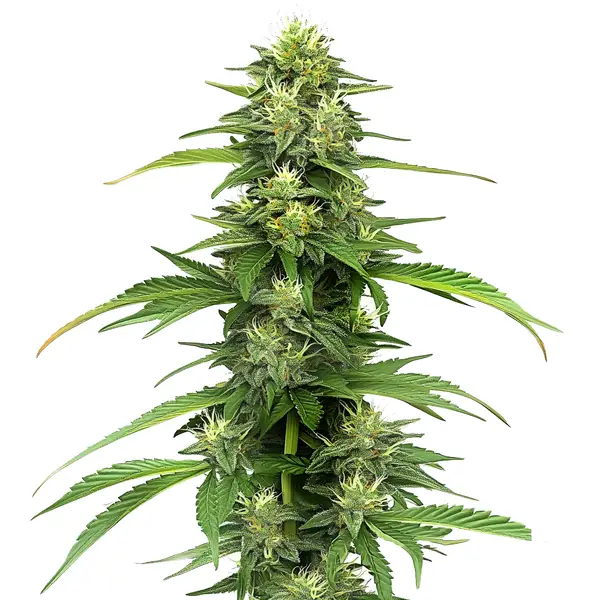
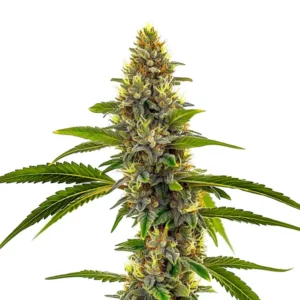
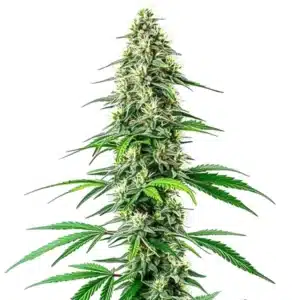
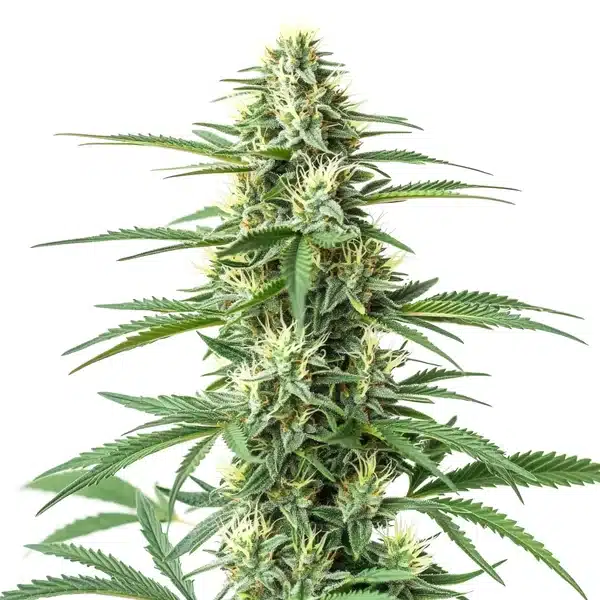
Blueberry CBD (1:16)

|
CBD | 14% – 16% (Medium) |

|
Type | CBD Feminized |

|
Yield | Medium |

|
Phenotype | 60% Indica / 40% Sativa |
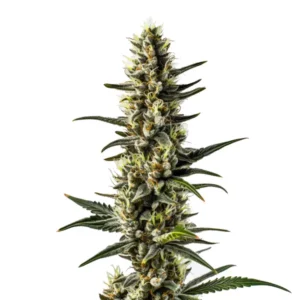
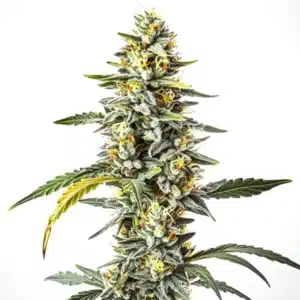
CBD Critical Mass (1:1)
|
|
CBD | 5% (Low) |
|
|
Type | CBD Feminized |
|
|
Yield | Medium |
|
|
Phenotype | 60% Indica / 40% Sativa |
One of the key issues with CBD degradation under light exposure is the alteration in its chemical structure. This can result in the formation of new compounds, some of which might not offer the same benefits as the original CBD. Let’s dive into what happens when CBD is exposed to light, and how you can mitigate these effects.
Knowing CBD Degradation Under Light Exposure
When CBD is exposed to light, particularly UV light, it undergoes a process called photodegradation. This means that the light’s energy can break down the chemical bonds in CBD, leading to new, less beneficial compounds. This process is not unique to CBD; many organic compounds face similar challenges.
Photodegradation products of CBD oil are typically less potent and can sometimes produce undesired effects. For instance, they might not interact with the body’s endocannabinoid system in the same way as non-degraded CBD, leading to a diminished therapeutic effect. This is a crucial consideration for anyone using CBD for medicinal purposes.
Knowing the degradation process is essential for anyone involved in the production or consumption of CBD products. The stability of CBD in light-sensitive formulations can significantly influence both the shelf life and efficacy of these products. Researchers are continually studying the specific breakdown pathways to better anticipate and mitigate these degradation products of CBD in light-exposed formulations.
Moreover, knowing the potential outcomes of CBD degradation under light exposure allows for improved formulation and storage recommendations. This knowledge empowers users and manufacturers alike to take proactive measures, ensuring that CBD maintains its integrity and continues to offer therapeutic benefits without being compromised by environmental factors.
Effects of Light on CBD Formulation Stability
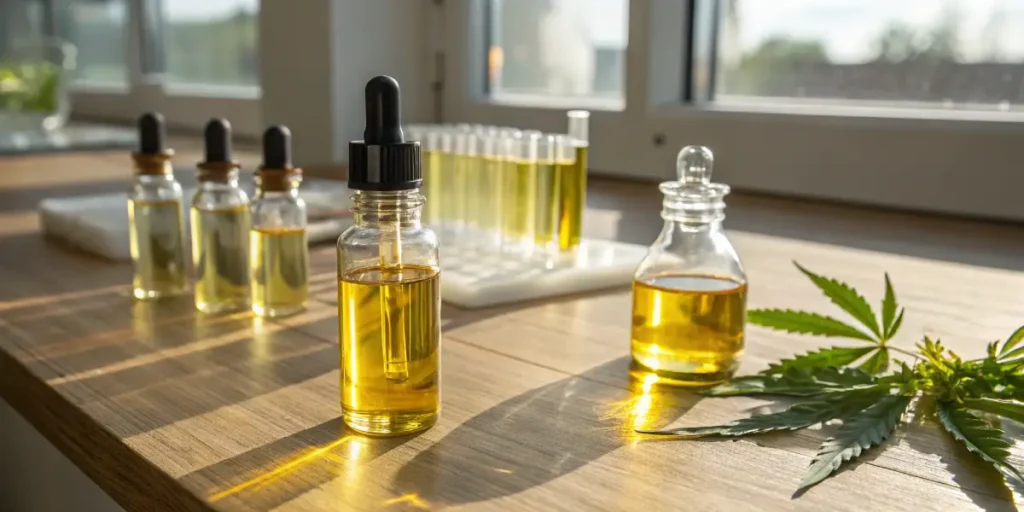
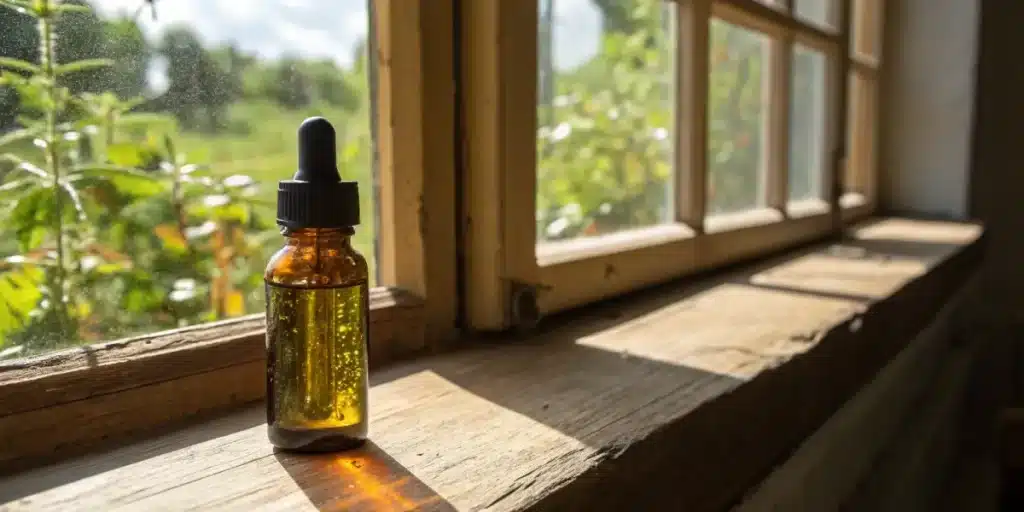
Light can significantly impact the stability of CBD in light-sensitive formulations. If you’re storing CBD oil, the type of container matters. Dark glass bottles can help minimize light exposure, preserving the oil’s potency. This is a common practice among manufacturers who understand the risks of CBD oil degradation in sunlight conditions.
Many experienced growers and buyers opt for CBD products from reputable sources like Blimburn Seeds. Their strains, such as CBD Critical Mass 1:1, are known for their resilience and high-quality CBD oil that maintains stability over time. This ensures that your investment in CBD products remains worthwhile.
The effects of light on CBD formulation stability also extend to the environment where the products are stored. Indoor lighting, although less intense than direct sunlight, can still contribute to the gradual degradation of CBD. Therefore, keeping CBD products in a drawer or cupboard away from any light sources can further enhance their longevity.
Besides to packaging and storage solutions, advancements in formulation technology are being explored to bolster the stability of CBD in light-sensitive formulations. Innovative encapsulation techniques, for instance, are being developed to shield CBD from light and other environmental stressors, thus preserving its potency and therapeutic potential over extended periods.
Promos & Deals
Common Photodegradation Products of CBD
When CBD degrades under light exposure, several byproducts can form. These include quinones, which are less effective than CBD itself. Quinones can also potentially cause allergic reactions in some people, highlighting the importance of proper storage.
Blimburn Seeds offers strains like CBD Rich Sweet Island, known for its high CBD content and robust nature. This strain is an excellent example of how quality genetics can help preserve the integrity of CBD, even when environmental conditions are less than ideal.
The formation of photodegradation products of CBD oil can vary depending on the specific environmental conditions and the duration of light exposure. By knowing these variables, users and producers can better predict and manage the degradation process. Identifying the exact byproducts resulting from this degradation is crucial for assessing any potential health risks associated with their use.
Researchers are actively investigating the long-term effects of photodegradation products, aiming to develop enhanced CBD formulations that are less susceptible to light-induced breakdown. As this research progresses, it will contribute to the broader knowing of CBD stability and help refine practices for maintaining product quality and safety.
Real-World Examples and Tips
Consider this scenario: you’ve purchased a high-quality CBD oil but accidentally leave it on your car dashboard under the sun. Within hours, the oil’s potency can diminish significantly, leading to a product that’s less effective. This real-life example underscores the importance of knowing how light exposure affects CBD.
Another practical tip is to be mindful of the packaging. Blimburn Seeds CBD Blueberry 1:16 strain, for example, often comes in packaging designed to minimize light exposure, ensuring that the CBD remains potent and effective for longer periods.
Besides to careful handling, staying informed about the latest research on CBD degradation under light exposure can be incredibly beneficial. By keeping abreast of new findings, consumers can adapt their storage strategies to align with the most current recommendations, thereby optimizing the efficacy of their CBD products.
Furthermore, sharing knowledge and experiences within the community can foster a collective knowing of best practices. Whether it’s discussing storage solutions or reliable strains like those from Blimburn Seeds, engaging with fellow CBD users can enhance everyone’s ability to maximize the benefits of their CBD investments.
FAQs about degradation products of CBD in light-exposed formulations
What are the key factors that lead to CBD degradation in light-exposed formulations?
CBD degradation in light-exposed formulations occurs primarily due to UV light exposure. This type of light can break down CBD molecules, leading to less effective compounds. Temperature and oxygen also play roles in this degradation process, so keeping CBD away from heat and air is crucial.
Growers often prefer strains like those from Blimburn Seeds because they are bred to resist environmental stressors, including light. By choosing strains that are naturally stable, users can minimize the risk of degradation even when environmental conditions are not optimal.
Another factor contributing to CBD degradation is the presence of impurities or additives in the formulation, which can react adversely when exposed to light. Therefore, opting for pure and high-quality products can mitigate the risks associated with degradation products of CBD in light-exposed formulations.
As the industry evolves, manufacturers are increasingly focusing on refining extraction and production processes to enhance the stability of CBD in light-sensitive formulations. These advancements are crucial for ensuring that consumers receive reliable and effective products that meet their therapeutic expectations.
Can I still use CBD oil if it has been exposed to light?
If CBD oil has been exposed to light for a short period, it might still be usable, albeit less effective. However, prolonged exposure can result in significant degradation. In such cases, the oil may not offer the intended benefits, and it’s advisable to replace it with a fresh product.
For those interested in maximizing their CBD’s shelf life, consider strains like CBD Rich Sweet Island from Blimburn Seeds. These strains are known for their high-quality CBD, which can withstand some exposure without rapid degradation.
Monitoring the appearance and aroma of your CBD product can help you determine its usability. Any noticeable changes in color, scent, or consistency could indicate degradation, suggesting it’s time to consider replacement, especially if the product has been exposed to light for extended periods.
Additionally, maintaining a log of purchase and exposure dates can be a practical approach to tracking the condition and effectiveness of your CBD products over time. This practice can help you make informed decisions about when to restock and how to optimize storage conditions for future purchases.
How can I prevent my CBD from degrading?
Preventing degradation involves proper storage and handling. Keep CBD products in dark, cool places, away from direct sunlight and heat. Using dark or opaque containers can further protect the oil from light exposure.
Blimburn Seeds offers strains designed with storage and longevity in mind, ensuring that their CBD-rich products maintain potency. This makes them a reliable choice for both novice and experienced users looking to protect their investment.
Regularly checking the condition of your storage containers can also play a role in preventing CBD degradation. Ensuring that lids and seals are intact helps to limit exposure to air and moisture, which can further contribute to the stability of CBD in light-sensitive formulations.
Moreover, being proactive about replacing older products with fresher batches can help maintain the desired potency and effectiveness of your CBD oils. Adhering to these preventative measures can significantly enhance your overall CBD usage experience.
Are there specific strains that are more resistant to degradation?
Yes, some strains are bred to be more resilient against environmental factors like light exposure. Blimburn Seeds’ CBD Critical Mass 1:1 is an example of a strain that produces oil with higher stability, making it ideal for users concerned about degradation.
Choosing the right strain can make a significant difference in the effectiveness and longevity of your CBD products. High-quality genetics, alongside proper storage, can help ensure that your CBD remains potent and beneficial over time.
Besides to selecting resilient strains, knowing the genetic makeup and growth conditions of your chosen CBD products can provide insights into their potential stability. Engaging with knowledgeable growers or suppliers can further enhance your ability to select strains best suited to withstand environmental stressors.
As the market continues to expand, new strains with improved resistance to degradation products of CBD in light-exposed formulations are likely to emerge. Staying informed about these developments can help you make the best choices for your CBD needs.
What should I do if I suspect my CBD has degraded?
If you suspect your CBD has degraded, check for changes in color, smell, or taste. These can be indicators of degradation. If any of these changes are present, it might be time to replace the product.
For consistent quality, consider sourcing your CBD from reputable brands like Blimburn Seeds. Their commitment to quality and stability in their strains ensures that you are getting a product that will maintain its benefits and efficacy.
Consulting with healthcare professionals or experienced CBD users can provide additional guidance if you are uncertain about the condition of your CBD products. They can offer valuable insights based on personal or clinical experience, assisting you in making informed decisions about replacement.
Maintaining detailed records of purchase dates and storage conditions can also aid in identifying patterns that may lead to degradation. This proactive approach allows for timely replacement and optimal use of your CBD products, preserving their therapeutic value.