Essential Expert Tips: Avoid Contamination Risks During Cannabis Drying

Identifying Contamination Risks in the Cannabis Drying Process
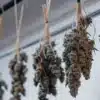
Contamination risks during cannabis drying and curing can greatly affect the quality and safety of your harvest. Mold, bacteria, and mycotoxins are potential threats that can develop if conditions aren’t controlled properly. These contaminants not only reduce the potency and flavor of your buds but can also pose health risks to consumers.
One of the key factors to consider is humidity. Excessive moisture can create a conducive environment for mold and bacteria. To combat this, you’ll need to monitor and regulate the humidity in your drying room consistently. An ideal range is around 45-55% humidity, which helps prevent mold growth without overdrying your buds.
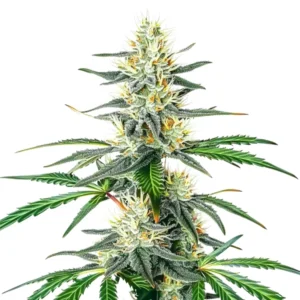
Recommended Strains

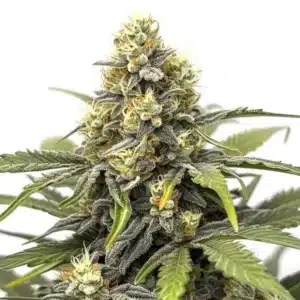
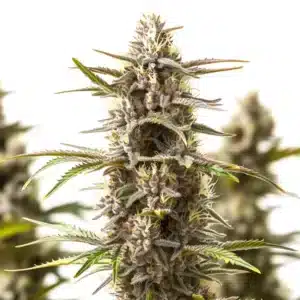
Permanent Marker

|
THC | 32% - 34% (High) |

|
Type | Feminized |

|
Yield | High |

|
Phenotype | 50% Indica / 50% Sativa |

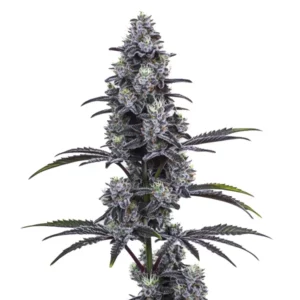
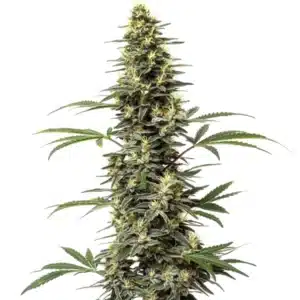
Fat Bastard
|
|
THC | 30% - 38% (High) |
|
|
Type | Feminized |
|
|
Yield | High |
|
|
Phenotype | 50% Indica / 50% Sativa |
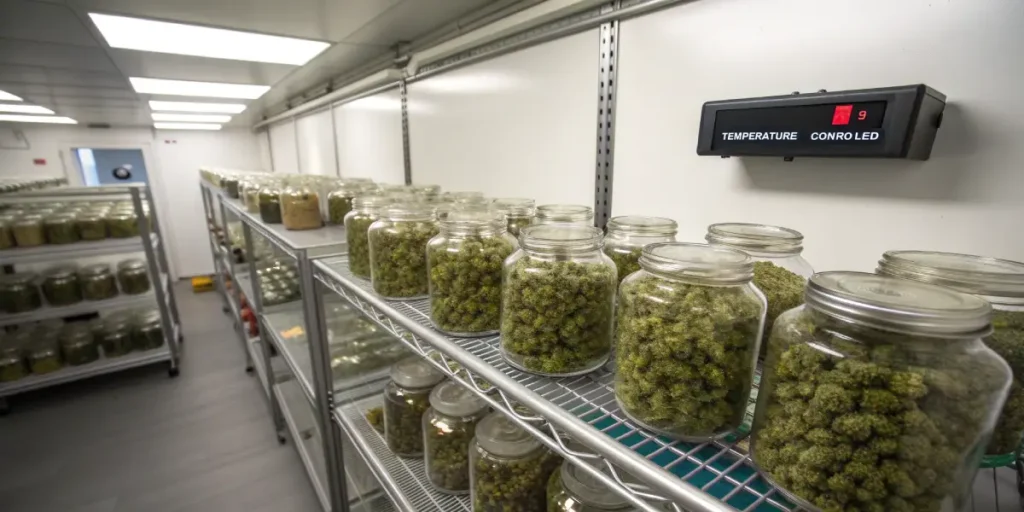
Knowing the function of temperature in minimizing contamination risks during cannabis drying and curing is also crucial. A stable temperature prevents fluctuations that could lead to moisture buildup, which is a precursor to mold and bacterial growth. Ensure your drying area is equipped with reliable thermometers to maintain optimal conditions throughout the process.
Additionally, the choice of drying equipment can influence contamination risks. Investing in high-quality, easy-to-clean drying racks and containers helps in maintaining a sanitary environment. This not only supports mold prevention techniques during cannabis curing but also safeguards the overall quality of your product.
Promos & Deals
Mold Prevention Techniques During Cannabis Curing
Mold prevention techniques during cannabis curing are essential for maintaining the integrity of your harvest. Start by ensuring your curing space is clean and sanitary. This includes disinfecting surfaces and using airtight containers to store your buds. The use of humidity packs can also help maintain ideal conditions inside jars.
Another effective technique is to regularly inspect your buds during the curing process. Look for any signs of mold, such as white fuzz or unusual smells, and remove affected buds immediately to prevent the spread. Consistent airflow in your drying area will also help keep mold at bay, ensuring your cannabis remains fresh and safe to consume.
Incorporating natural mold inhibitors, such as essential oils known for their antifungal properties, can enhance mold prevention techniques during cannabis curing. These natural options can be a great complement to maintaining proper humidity and airflow without introducing harmful chemicals.
Moreover, consider the genetic resilience of your cannabis strains. Strains like those from Blimburn Seeds are often bred for their resistance to mold, which can make a significant difference in your overall curing success. This proactive approach helps reduce contamination risks during cannabis drying and curing.
Minimizing Bacterial Growth in Cannabis Drying Rooms
Minimizing bacterial growth in cannabis drying rooms requires attention to cleanliness and environmental control. Start by cleaning and sterilizing all equipment and surfaces before moving your harvest into the drying area. This reduces the chances of bacteria contaminating your buds.
Temperature control is another important factor. Keeping the temperature in your drying room around 60-70°F will help slow down bacterial growth while preserving the cannabinoids and terpenes in your cannabis. It’s also crucial to wear clean clothing and gloves when handling your buds to prevent introducing bacteria from outside sources.
Regularly rotating your buds on the drying racks can further aid in minimizing bacterial growth in cannabis drying rooms. This practice ensures even drying and reduces the risk of pockets of moisture where bacteria could thrive.
Investing in dehumidifiers with HEPA filters is another effective way to maintain low humidity levels and filter out airborne bacteria. These contamination control measures for cannabis drying are essential for keeping your drying rooms clean and your harvest safe.
Effective Contamination Control Measures for Cannabis Drying
Implementing effective contamination control measures for cannabis drying starts with a well-designed drying room. Ensure that your space is free from dirt and debris, and always use clean drying racks. It’s also wise to invest in HEPA filters to reduce airborne contaminants.
Regularly monitoring environmental conditions is crucial. Use hygrometers and thermometers to keep track of humidity and temperature levels. If you’re growing strains like Blue Dream from Blimburn Seeds, which is sensitive to environmental changes, these control measures become even more critical.
Developing a routine cleaning schedule is a practical step in enhancing contamination control measures for cannabis drying. Regular disinfection of surfaces and equipment can significantly reduce the risk of contamination, ensuring a safer drying environment.
Additionally, educating your team about best practices for sanitary cannabis drying environments is essential. Training ensures that everyone involved in the drying process understands the importance of cleanliness and environmental control, reducing the likelihood of human error.
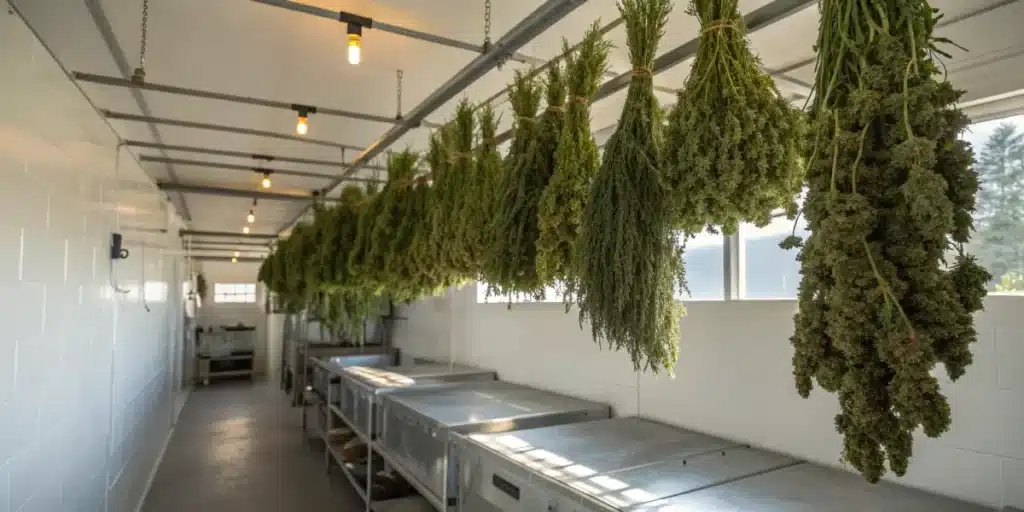
Knowing Mycotoxin Risks in the Cannabis Curing Process
Mycotoxin risks in the cannabis curing process are often overlooked but are essential for ensuring consumer safety. Mycotoxins are toxic compounds produced by certain molds and fungi, which can develop if your curing conditions aren’t ideal. They can cause health issues ranging from allergic reactions to more severe illnesses.
To mitigate these risks, follow best practices for sanitary cannabis drying environments. This includes maintaining a clean space, using high-quality containers, and ensuring consistent airflow. Regularly inspect your buds for any signs of mold or unusual odors, which can indicate mycotoxin presence.
Leveraging advanced testing techniques to detect mycotoxin risks in cannabis curing process adds an extra layer of safety. Regular testing can help identify potential contamination issues before they reach consumers, safeguarding your reputation and product quality.
Collaborating with seed providers like Blimburn Seeds to select strains with natural resistance to mold and mycotoxins can further minimize these risks. Choosing the right genetics is a proactive step in ensuring a successful and safe curing process.
FAQs about contamination risks during cannabis drying and curing
What are the best practices for creating a sanitary cannabis drying environment?
Creating a sanitary cannabis drying environment involves a few key steps. First, ensure that your drying area is cleaned thoroughly before use. This means wiping down all surfaces with a disinfectant and ensuring that your drying racks are free of dust and debris. Using clean tools and wearing gloves when handling your buds can also help maintain a sanitary environment.
Additionally, invest in equipment like dehumidifiers and air purifiers with HEPA filters. These tools help regulate humidity and remove airborne contaminants, ensuring your drying environment remains clean and conducive to healthy drying conditions. Remember, maintaining this environment is a continuous process, requiring regular monitoring and adjustment.
Implementing a logbook system to track cleaning schedules and environmental conditions is an effective way to uphold best practices for sanitary cannabis drying environments. This documentation helps ensure accountability and consistency in maintaining a clean space.
Moreover, conducting regular staff training on hygiene and contamination risks during cannabis drying and curing can significantly enhance your efforts. Informed and vigilant staff are crucial in preventing contamination from impacting your harvest.
How can I prevent mold during the cannabis drying and curing process?
Preventing mold during the drying and curing process involves controlling humidity and airflow. Keep the humidity in your drying room between 45-55% and ensure good airflow by using fans or ventilation systems. This helps prevent the stagnant air that mold thrives in. Regularly check your buds for any signs of mold, such as white fuzz or musty smells, and remove any contaminated buds immediately.
Using airtight containers with humidity packs during curing can also help maintain the right moisture levels inside the jars, further reducing the risk of mold. Make sure to burp the jars regularly to release excess moisture and replenish fresh air, which also helps in preventing mold growth.
Incorporating mold-resistant strains, such as those from Blimburn Seeds, is an effective strategy in mold prevention techniques during cannabis curing. These strains are bred to endure environmental challenges, reducing the likelihood of mold development.
Additionally, maintaining a clean workspace and regularly sanitizing tools and containers are key steps in preventing mold during the cannabis drying and curing process. Consistency in these practices ensures a healthier and more successful harvest.
What are the potential health risks of mycotoxins in cannabis?
Mycotoxins in cannabis can pose significant health risks to consumers. These toxic compounds, produced by certain molds and fungi, can lead to allergic reactions, respiratory issues, and in severe cases, more serious illnesses. Consuming moldy cannabis can exacerbate these health risks, especially for individuals with weakened immune systems.
To protect yourself and others from mycotoxin exposure, it’s crucial to ensure that your drying and curing processes are executed in a clean and controlled environment. Regular inspections and proper storage are key in minimizing these risks, ensuring the cannabis remains safe for consumption.
Knowing the specific strains that are prone to mycotoxin production is important for prevention. Researching the genetic makeup and resilience of your chosen strains can aid in selecting those less susceptible to mycotoxin risks in cannabis curing process.
Partnering with reputable seed suppliers like Blimburn Seeds can provide access to strains with lower mycotoxin risks, ensuring a safer product for consumers. Their expertise in breeding resilient strains is an asset in managing these potential health concerns.
How do I choose cannabis strains that are less prone to contamination?
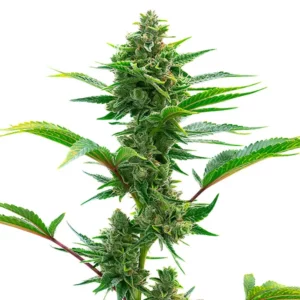
When selecting cannabis strains that are less prone to contamination, consider those known for their resilience and resistance to mold and bacteria. Strains like Permanent Marker, Future #1, and Fat Bastard from Blimburn Seeds are excellent choices, as they are bred to withstand challenging conditions.
These strains not only provide robust growth but also offer the added benefit of being less susceptible to environmental stresses that can lead to contamination. By choosing strains with these characteristics, you can reduce the risks associated with contamination during the drying and curing processes.
Researching the environmental adaptability of different strains can also guide you in selecting those best suited for your specific growing conditions. Opt for strains that align with your climate and drying setup for optimal results.
Consulting with experts or experienced growers about their preferred strains can provide valuable insights into which varieties perform best under your particular circumstances. This collective knowledge can significantly aid in minimizing contamination risks during cannabis drying and curing.
Why is airflow important in the cannabis drying process?
Airflow is crucial in the cannabis drying process because it helps prevent the development of mold and bacteria. Proper airflow ensures that there is no stagnant air in the drying room, which can create a breeding ground for contaminants. By maintaining a steady flow of air, you help keep the buds dry and reduce the humidity levels that mold thrives in.
Using fans to circulate air and ensuring that your drying room is well-ventilated are practical steps you can take to enhance airflow. This not only aids in preventing contamination but also helps preserve the quality and potency of your cannabis by allowing it to dry evenly and effectively.
Strategically placing fans to create cross-ventilation can further improve airflow efficiency in your drying room. This setup minimizes dead zones where air might stagnate, thus bolstering your contamination control measures for cannabis drying.
Incorporating air quality monitoring systems can help you track airflow effectiveness and make necessary adjustments. These systems provide real-time data, allowing for proactive management of contamination risks during cannabis drying and curing.