Expert Guide: Using Environmental Sensors to Prevent Cannabis Contamination

Cannabis cultivation is a nuanced endeavor that demands precision. Using environmental sensors to prevent cannabis contamination is a strategy that is gaining traction among both new and seasoned growers. These sensors offer a way to monitor environmental conditions closely, ensuring that your plants remain healthy and uncontaminated.
Contamination can occur at various stages of cannabis growth. From air quality to water purity, the factors are numerous. By using environmental sensors, cultivators can detect potential issues before they escalate, maintaining the integrity of their crops.
Recommended Strains
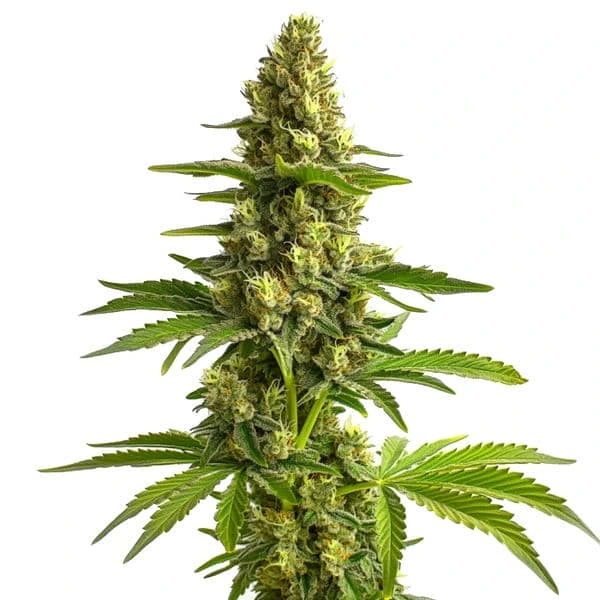
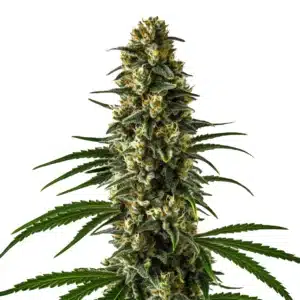
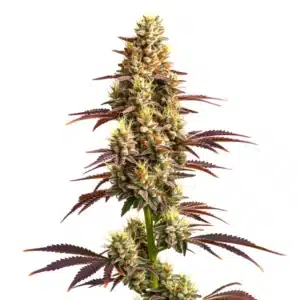
Bruce Banner #3

|
THC | 20% - 29% (High) |

|
Type | Feminized |

|
Yield | High |

|
Phenotype | 50% Indica / 50% Sativa |

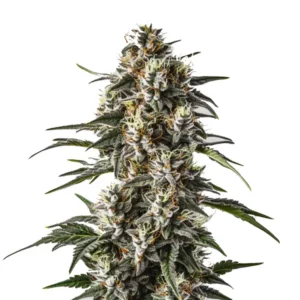
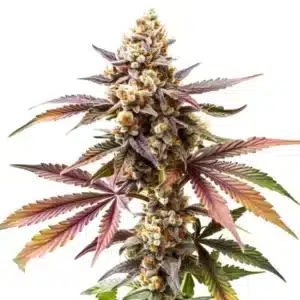
GG4
|
|
THC | 27% (High) |
|
|
Type | Feminized |
|
|
Yield | High |
|
|
Phenotype | 40% Indica / 60% Sativa |
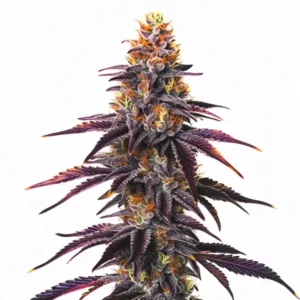
For instance, Blimburn Seeds strains like GG4, Bruce Banner 3, and Girl Scout Cookies can significantly benefit from the precision of environmental monitoring. By optimizing cannabis safety using environmental sensors, you ensure that these high-quality strains reach their full potential.
How Environmental Sensors Work
Environmental sensors are devices that measure specific conditions like temperature, humidity, and air quality. These sensors provide real-time data, allowing growers to make informed decisions. For cannabis cultivation, maintaining optimal environmental conditions is key to preventing contamination.
Using environmental sensors for cannabis contamination prevention involves setting thresholds for various parameters. When these thresholds are breached, the systems alert the grower to take corrective action. This proactive approach is essential in maintaining a contamination-free grow environment.
Moreover, these sensors can be integrated with automated systems that adjust conditions in real-time, providing an added layer of security. This technology enables growers to address potential contamination sources swiftly, thereby safeguarding the health of their crops.
As technology advances, environmental sensors are becoming more sophisticated, offering features like remote monitoring and data analytics. This evolution helps growers optimize their cultivation practices, enhancing the overall quality and yield of their cannabis plants.
Promos & Deals


Benefits of Using Environmental Sensors
Environmental monitoring in cannabis cultivation for contamination prevention offers multiple benefits. Firstly, it ensures that your plants are always in the best possible environment. Sensors allow you to maintain consistent conditions, which is crucial for plant health.
Secondly, these sensors can save you time and money. By detecting issues early, you avoid costly damage and loss. Preventing cannabis contamination through environmental sensors reduces the need for expensive interventions and ensures a smoother cultivation process.
Additionally, using environmental sensors to prevent cannabis contamination can lead to a more sustainable growing operation. By minimizing resource waste and optimizing conditions, growers can achieve more with less, contributing to eco-friendly practices.
Furthermore, the data gathered from these sensors can provide insights into long-term trends, helping cultivators refine their growing techniques over time. This analytical approach not only improves current yields but also enhances future cultivation strategies.
Types of Environmental Sensors
There are various types of environmental sensors available, each serving a specific purpose. Temperature sensors help maintain the ideal heat conditions for cannabis plants. These sensors ensure that plants like Blimburn Seeds Bruce Banner thrive in the right climate.
Humidity sensors are essential for preventing mold and mildew, which can contaminate your crop. With these sensors, you keep the moisture levels in check, ensuring that your GG4 plants grow in a safe environment.
Besides to these, light sensors play a crucial role in monitoring the amount of light exposure your plants receive. Proper light levels are vital for photosynthesis and overall plant health, making these sensors indispensable.
Soil sensors are also instrumental in cannabis cultivation. They provide data on soil moisture and nutrient levels, ensuring that the plants receive the right amount of water and nutrients, thereby enhancing growth and preventing contamination.
Implementing Environmental Sensors in Your Grow Room
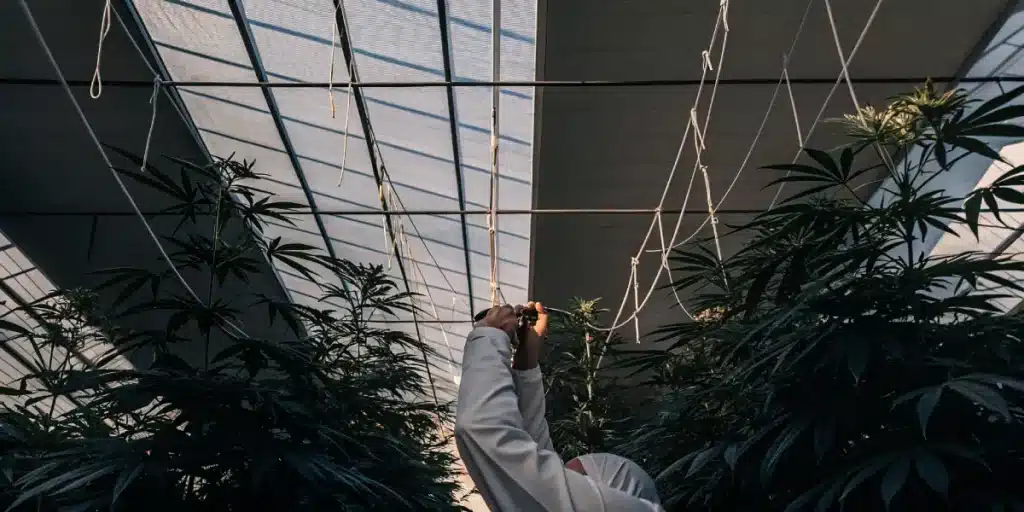
Setting up environmental sensors in your grow room is a straightforward process. Start by identifying the critical parameters you need to monitor, such as temperature, humidity, and air quality. Choose sensors that suit your specific needs and budget.
Once you have your sensors, install them at key points in your grow room. Ensure that they are placed where they can provide the most accurate readings. Regularly check the data collected by these sensors to make necessary adjustments to your environment.
To enhance the effectiveness of your monitoring system, consider integrating your sensors with smart technology. This can automate adjustments based on real-time data, further reducing the risk of cannabis contamination.
Routine maintenance of your sensors is also crucial. Regularly calibrating and cleaning them ensures accurate readings, which are vital for effective cannabis contamination detection with environmental sensors.
Real-life Examples of Sensor Use
Consider a scenario where a grower is cultivating Blimburn Seeds GG4. By using temperature and humidity sensors, the grower can maintain the perfect environment for this strain. When the temperature rises beyond the desired range, the sensors can alert the grower to adjust the cooling systems accordingly.
In another example, a grower of Bruce Banner might use air quality sensors to detect any impurities in the grow room. The timely detection of such issues allows the grower to take immediate action, such as improving ventilation, to prevent any contamination.
Another practical application might involve using environmental sensors for cannabis contamination prevention in outdoor setups. Sensors can help monitor climatic changes, allowing growers to shield sensitive plants like Girl Scout Cookies from adverse weather conditions.
Furthermore, integrating sensors with data analytics can provide growers with valuable insights into the performance of their strains under different conditions. This information is critical for making informed decisions and optimizing future grows.
FAQs about using environmental sensors to prevent cannabis contamination
What are environmental sensors used for in cannabis cultivation?
Environmental sensors are used to monitor and control the growing conditions of cannabis plants. They measure factors like temperature, humidity, and air quality, providing data that helps growers maintain optimal environments. This is crucial for preventing issues that could lead to contamination, ensuring the crop remains healthy and productive.
By using environmental sensors to prevent cannabis contamination, growers can intervene before problems arise. This proactive approach not only safeguards the plants but also enhances their growth and yield, making it a valuable tool for both novice and experienced cultivators.
Additionally, these sensors contribute to the sustainability of the cultivation process by reducing the need for manual intervention and conserving resources, making the entire operation more efficient.
These devices are also instrumental in cannabis contamination detection with environmental sensors, allowing for early intervention and safeguarding the quality and safety of the final product.
How do environmental sensors help in contamination prevention?
These sensors detect deviations from the optimal growing conditions, alerting growers to take corrective measures. For instance, if humidity levels rise too high, the risk of mold and mildew increases. Sensors help detect such changes early, allowing for timely interventions.
By keeping a constant check on environmental parameters, sensors play a critical role in cannabis contamination detection. This ensures that any potential threats to the crop’s health are addressed swiftly, preserving the quality of the cannabis.
Furthermore, using environmental sensors for cannabis contamination prevention allows growers to customize alerts based on specific strains’ needs, providing tailored solutions for different cultivation scenarios.
This level of precision in environmental monitoring in cannabis cultivation for contamination prevention is what sets successful grows apart, ensuring that each plant receives the care it requires.
Can sensors be integrated into existing grow setups?
Yes, environmental sensors can be easily integrated into existing grow setups. They are designed to work with most systems, providing flexibility for growers. The key is to choose sensors that are compatible with your current setup and meet your monitoring needs.
Many systems offer plug-and-play solutions, making it simple to add sensors without extensive modifications. This ease of integration is one reason why using environmental sensors for cannabis contamination prevention is becoming increasingly popular among cultivators.
Furthermore, modern sensors often come with wireless connectivity, allowing seamless integration with digital platforms and enabling remote monitoring capabilities.
This adaptability makes it easy for growers to scale their operations and implement advanced monitoring techniques, ensuring the continued success of their cultivation practices.
What are the cost implications of using environmental sensors?
While there is an initial investment in purchasing sensors and setting up the system, the long-term benefits often outweigh the costs. Environmental sensors can lead to savings by preventing crop loss and reducing the need for interventions.
Moreover, the data provided by these sensors can optimize growing conditions, potentially increasing yield and quality. This makes the investment worthwhile, particularly for growers aiming for high-quality cannabis production.
Investing in environmental sensors can also enhance market competitiveness by ensuring consistent product quality, a crucial factor for consumer trust and brand reputation.
Ultimately, preventing cannabis contamination through environmental sensors not only protects the crop but also enhances the overall profitability of the cultivation operation.
Which strains benefit the most from environmental monitoring?
All cannabis strains can benefit from environmental monitoring, but those with specific growing requirements gain the most. Strains like Blimburn Seeds GG4, Bruce Banner, and Girl Scout Cookies are examples where maintaining precise conditions can significantly enhance growth and quality.
By preventing cannabis contamination through environmental sensors, these strains can reach their full potential, resulting in a robust and high-quality harvest. Tailoring the environment to the specific needs of each strain ensures healthy growth and optimal yields.
Moreover, rare and exotic strains that require specific environmental conditions to thrive can greatly benefit from the precision offered by these sensors, ensuring their unique characteristics are preserved.
Incorporating environmental sensors into your cultivation practice not only enhances the health and yield of these strains but also ensures that you are producing the highest quality cannabis possible.