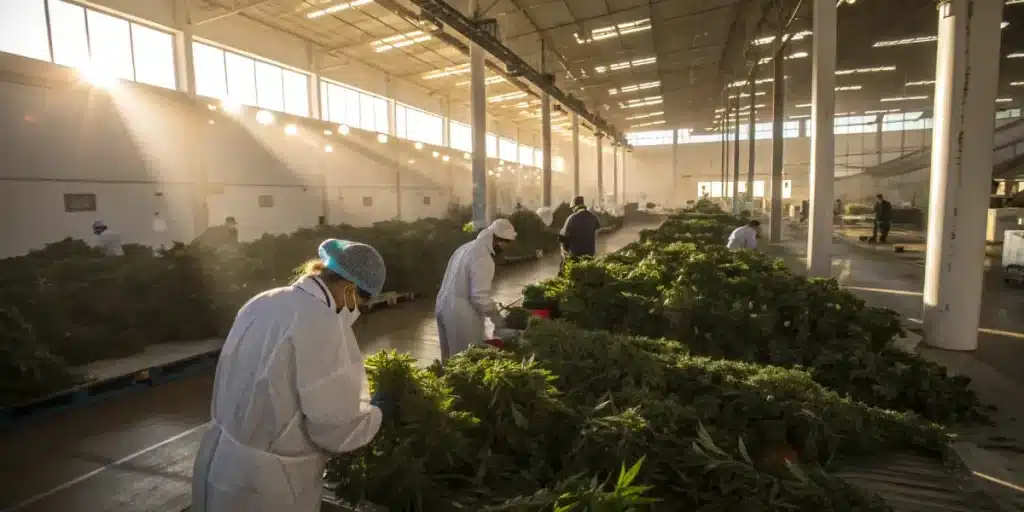
Essential Guide to Cross-Contamination Risks in Cannabis Trimming

Cross-contamination risks in cannabis trimming and handling present challenges to both novice cannabis enthusiasts and seasoned growers. Contamination can compromise the quality of the cannabis and pose health risks to consumers. This guide aims to equip you with essential knowledge to tackle these risks effectively.
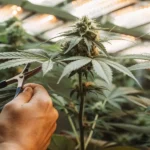
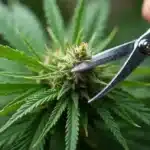
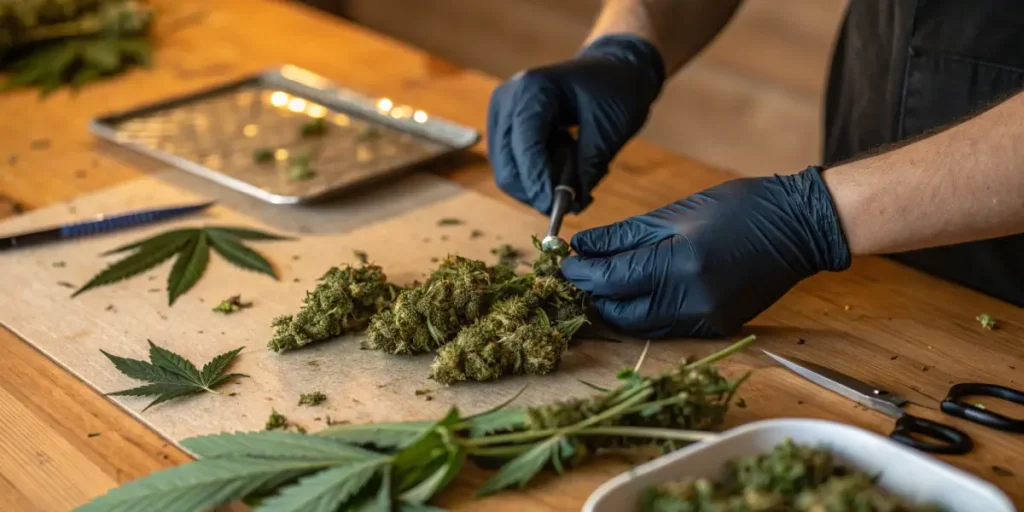
One major source of contamination comes from improper handling during the trimming process. You might be trimming your cannabis, and if your tools or hands aren’t clean, bacteria and mold can be transferred directly to the buds. It’s crucial to maintain clean workspaces and tools to prevent any unwanted contaminants from affecting your harvest.
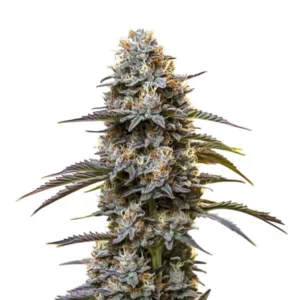
Recommended Strains

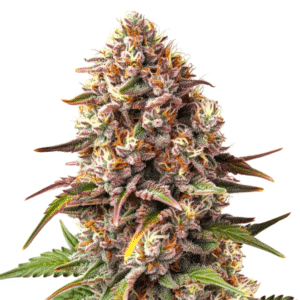
The Toad

|
THC | 27% - 32% (High) |

|
Type | Feminized |

|
Yield | High |

|
Phenotype | 60% Indica / 40% Sativa |

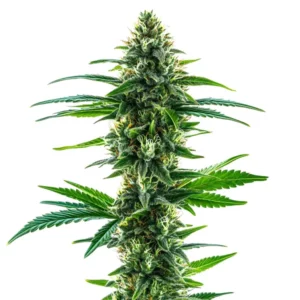
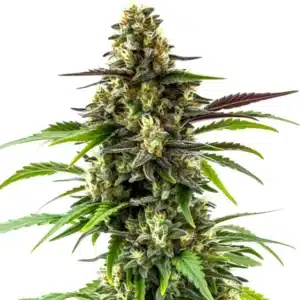
Sleepy Joe
|
|
THC | 32% - 34% (High) |
|
|
Type | Feminized |
|
|
Yield | High |
|
|
Phenotype | 80% Indica / 20% Sativa |
Cross-contamination prevention in cannabis processing involves implementing strict hygiene practices. This includes regular sanitization of tools and equipment and using gloves to minimize direct contact with the cannabis. By following these practices, you can ensure the safety and quality of your cannabis products.
Knowing Cross-Contamination Risks
Microbial risks in cannabis handling are often overlooked, yet they are critical to cannabis product safety guidelines trimming. These risks arise mainly from the environment where cannabis is processed. Dust, pests, and even humans can introduce unwanted microbes.
For instance, when handling cannabis strains like Sleepy Joe from Blimburn Seeds, the open environment can expose your plants to airborne contaminants. Ensuring that your trimming area is as sterile as possible can limit these risks.
Cross-contamination risks in cannabis trimming and handling are not limited to visible contaminants. Invisible threats like airborne spores and bacteria can settle on plants, affecting their quality. This necessitates a comprehensive knowing of both visible and invisible contamination sources.
Besides physical cleanliness, it’s also important to consider the air quality in the trimming area. Regular air quality checks can help identify potential contamination sources, ensuring that preventive measures are both effective and timely.
Common Sources of Contamination
One source of contamination is the equipment used in trimming. Scissors, gloves, and even the trays can harbor bacteria if not properly cleaned. Regular cleaning of these tools is non-negotiable for maintaining cannabis trimming hygiene best practices.
Another source is the trimming personnel themselves. Human skin is naturally home to various bacteria. Wearing gloves and hair nets can help prevent these microbes from transferring to the plants during handling.
Contamination control in cannabis cultivation also involves assessing the cleanliness of storage areas. Improper storage conditions can lead to the proliferation of microbes, which can easily transfer to cannabis during trimming.
Beyond trimming, cross-contamination risks in cannabis trimming and handling can stem from the packaging process. Ensuring that packaging materials are sterile before use is crucial in maintaining product integrity and safety.
Promos & Deals

Practical Steps for Prevention
Implementing a hygiene protocol is the first step in cross-contamination prevention in cannabis processing. Start by establishing a regular schedule for cleaning and sanitizing all equipment. This includes not only trimming scissors but also any surfaces that the cannabis may contact.
It’s also beneficial to train everyone involved in the trimming process about the importance of hygiene. Simple habits like washing hands frequently and wearing clean clothes can significantly reduce microbial risks in cannabis handling.
Educational programs on cannabis trimming hygiene best practices can empower staff to recognize and mitigate contamination risks. These programs should emphasize the importance of personal hygiene and proper tool maintenance.
Another practical step is employing advanced technology such as UV sterilizers for tools and equipment. This adds an extra layer of protection, ensuring that even the most resilient microbes are eliminated.
Choosing the Right Strains
Some strains are more resistant to environmental stresses than others. For example, the Kalifa Kush from Blimburn Seeds is known for its resilience. Choosing hardier strains can naturally reduce the risk of contamination.
When selecting strains, consider their growth requirements and how well they adapt to your local environment. This can make a big difference in minimizing contamination risks and ensuring a healthy, successful harvest.
Strains that are naturally resistant to pests and diseases can also reduce the need for chemical treatments, which might otherwise introduce contaminants. This aligns with sustainable practices, enhancing both product quality and environmental health.
Consulting with experts or breeders like Blimburn Seeds can provide insights into which strains offer the best balance of hardiness and quality, aiding in effective contamination control in cannabis cultivation.
Maintaining a Clean Trimming Environment
Cleaning the trimming area is just as important as cleaning the tools. Dust and debris can accumulate quickly, providing a breeding ground for mold and bacteria. Regular sweeping and disinfecting of surfaces are essential tasks.
Consider using air filters in your trimming rooms to capture airborne particles that could contaminate your cannabis. These devices help maintain a clean atmosphere, essential for strains like The Toad from Blimburn Seeds, which require pristine conditions to flourish.
Implementing a daily cleaning checklist can ensure that no aspect of the trimming environment is overlooked. This systematic approach helps maintain high standards of cleanliness consistently.
Additionally, setting up designated clean zones and restricted areas within trimming facilities can help minimize cross-contamination risks in cannabis trimming and handling by controlling the flow of personnel and materials.
Monitoring and Adjusting Environmental Conditions
Monitoring temperature and humidity levels is a proactive way to prevent contamination. High humidity can lead to mold growth, while fluctuating temperatures can stress the plants, making them more susceptible to pathogens.
Investing in good quality hygrometers and thermometers can provide real-time data, allowing you to make quick adjustments. Such tools are invaluable in maintaining the delicate balance required for healthy cannabis plants.
Regularly calibrating these monitoring tools is essential to ensure accuracy. Inaccurate readings can lead to inappropriate adjustments, potentially exacerbating contamination risks.
Integrating automated systems for environmental control can also enhance consistency, reducing human error and promoting a stable environment conducive to cannabis product safety guidelines trimming.
FAQs about cross-contamination risks in cannabis trimming and handling
What are the main cross-contamination risks in cannabis trimming and handling?
Cross-contamination risks in cannabis trimming and handling primarily stem from improper sanitation and environmental factors. Tools and equipment that aren’t regularly cleaned can harbor microbes that transfer to the cannabis during trimming.
Environmental factors such as humidity, dust, and pests also contribute significantly. These can introduce molds and bacteria that compromise the quality and safety of the cannabis product.
Moreover, the lack of a structured hygiene protocol can exacerbate these risks, highlighting the importance of a comprehensive approach to contamination prevention.
Knowing the intricacies of cross-contamination risks in cannabis trimming and handling allows for proactive measures that safeguard both the product and consumer health.
How can I prevent cross-contamination in cannabis processing?
Prevention starts with a strict hygiene protocol. This includes regular cleaning of all tools and surfaces that come into contact with cannabis. Using gloves and ensuring that all personnel are trained in hygiene best practices is vital.
Monitoring environmental conditions and choosing resilient cannabis strains can also help. Strains like Sleepy Joe from Blimburn Seeds are known for their hardiness, making them less susceptible to environmental contaminants.
Utilizing technology like air filtration systems and UV sterilization can further reduce microbial risks in cannabis handling, supporting a clean processing environment.
Collaboration with experienced growers and breeders can provide valuable insights into effective contamination control strategies tailored to specific operational needs.
Why is cannabis trimming hygiene important?
Maintaining cannabis trimming hygiene is crucial for ensuring the safety and quality of the final product. Poor hygiene can lead to contamination, which affects both the efficacy and safety of cannabis.
Ensuring clean trimming practices helps maintain the integrity of the cannabis, preserving its natural flavors, aromas, and potency, ultimately leading to a superior product.
Beyond product quality, adhering to cannabis trimming hygiene best practices is essential for compliance with regulatory standards, protecting the business from potential legal issues.
Consumer trust is significantly influenced by product safety, and maintaining rigorous hygiene standards is key to building and sustaining this trust in the cannabis industry.
Can choosing certain cannabis strains reduce contamination risks?
Yes, selecting resilient strains can naturally mitigate contamination risks. Strains such as The Toad from Blimburn Seeds are known for their robustness against environmental stressors.
Such strains require less stringent environmental controls, making them ideal for growers looking to minimize contamination risks while ensuring a successful harvest.
Choosing the right strains can lessen the dependency on chemical interventions, aligning with sustainable cultivation practices and reducing the potential for introducing contaminants.
Knowing the properties of different strains, including their resistance to common pathogens, allows growers to make informed decisions that enhance overall cultivation success.
What are the best practices for maintaining a clean trimming environment?
Regular cleaning and sanitization of the trimming area are the best practices for maintaining a clean environment. Using air filters can help capture airborne contaminants, ensuring a clean atmosphere.
Monitoring environmental conditions like temperature and humidity and making necessary adjustments is also critical. These practices together create a conducive environment for safe cannabis trimming.
Establishing a routine inspection schedule can help identify potential contamination sources early, allowing for timely intervention and mitigation.
Involving all team members in maintaining cleanliness standards fosters a culture of responsibility and accountability, crucial for long-term success in contamination control in cannabis cultivation.