Expert Guide: Essential Mycotoxin Risks in Cannabis Products

Mycotoxins are toxic compounds produced by certain types of molds that can grow on cannabis plants. These compounds pose significant health risks when present in cannabis products. Whether you’re a first-time buyer or a seasoned grower, knowing mycotoxin risks in cannabis products is crucial to ensure safety and quality.
The presence of mycotoxins can affect the quality of cannabis. These toxins can develop during cultivation, harvesting, and storage. Molds thrive in humid, warm conditions, making it essential to manage the environmental conditions during cannabis production. Let’s delve into how mycotoxins can impact cannabis and what can be done to mitigate these risks.
Recommended Strains
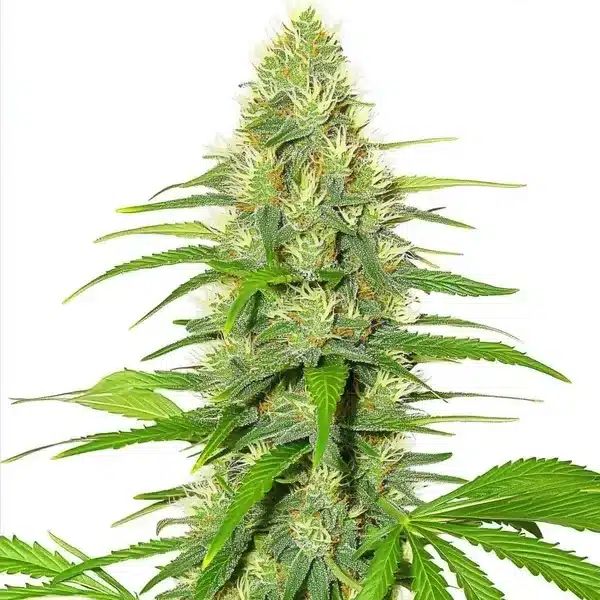
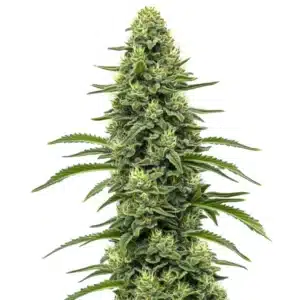
White Widow

|
THC | 18% - 25% (High) |

|
Type | Feminized |

|
Yield | High |

|
Phenotype | 45% Indica / 55% Sativa |
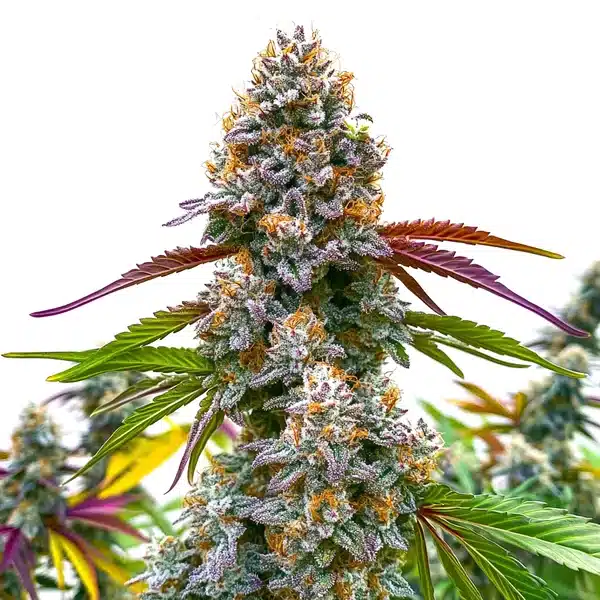
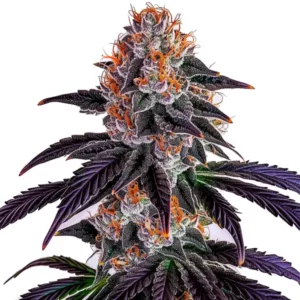
Critical Daddy Purple
|
|
THC | 19% (Medium) |
|
|
Type | Feminized |
|
|
Yield | High |
|
|
Phenotype | 50% Indica / 50% Sativa |
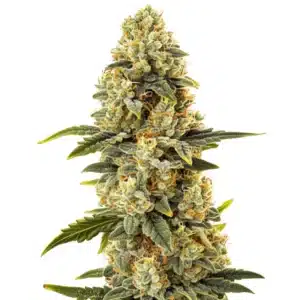
One way to address this issue is by choosing strains less susceptible to mold. For instance, Blimburn Seeds offers strains like White Widow, which is known for its resistance to mold. By selecting the right strains, you can reduce the likelihood of mycotoxin contamination in cannabis.
Mycotoxin Contamination in Cannabis
Mycotoxin contamination in cannabis is a growing concern for both consumers and producers. These toxins can originate from various molds such as Aspergillus, Fusarium, and Penicillium. When these molds infest cannabis plants, they produce mycotoxins that are harmful if inhaled or ingested.
The health risks of mycotoxins in cannabis include respiratory issues, allergic reactions, and even more severe health problems in immunocompromised individuals. As cannabis consumption increases, so does the need for rigorous testing and regulation to prevent contaminated products from reaching consumers.
Knowing the pathways of contamination can help in reducing mycotoxin risks in cannabis products. Molds can spread through spores, which are often airborne. Ensuring that the growing environment is clean and monitoring for any signs of mold can prevent these spores from settling on the plants. Additionally, timely harvesting and proper drying techniques are critical to minimize the moisture levels that encourage mold growth.
Education and awareness among growers and consumers are crucial in combating mycotoxin contamination in cannabis. Growers should be trained to recognize early signs of mold and be aware of the conditions that facilitate its growth. Consumers should demand transparency and be knowledgeable about the potential risks associated with mycotoxin contamination, making informed choices when purchasing cannabis products.
Preventing Mycotoxins in Cannabis Cultivation
Preventing mycotoxins in cannabis cultivation requires a proactive approach. Control your environment to minimize mold growth. Maintain proper humidity levels and ensure good air circulation in your grow area. This can help keep mold at bay, reducing the chance of mycotoxin contamination.
Regular inspections of your plants are also crucial. Look for signs of mold on leaves and buds. If you spot any, act quickly to remove affected areas and adjust your growing conditions. Prevention is always better than cure when it comes to mycotoxins.
Implementing integrated pest management strategies can further aid in preventing mycotoxins in cannabis cultivation. By using natural predators and biocontrol agents, growers can manage pests without resorting to chemicals that may inadvertently encourage mold growth. Proper sanitation of tools and equipment is also essential to prevent cross-contamination between plants and growing cycles.
Another layer of prevention involves genetic selection and cultivation practices that enhance plant resilience. Selecting strains known for their robust structure and natural resistance to environmental stressors can significantly reduce the incidence of mold and mycotoxin production. Blimburn Seeds provides a variety of resilient strains, offering growers options that suit their specific environmental conditions and cultivation methods.
Testing Cannabis for Mycotoxins
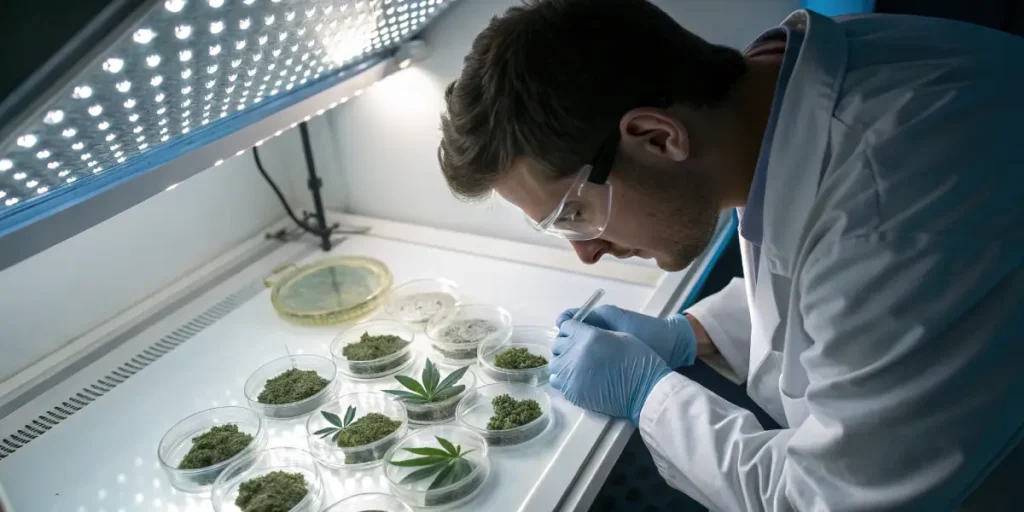
Testing cannabis for mycotoxins is an essential step in ensuring product safety. Laboratories use advanced techniques to detect the presence of these toxins. Testing is usually done before products hit the market, ensuring they meet safety standards.
For growers, conducting regular tests on their crops can help catch contamination early. This proactive approach allows for immediate action to be taken, reducing the chance of mycotoxins developing further. Consumers can also ask for lab reports to ensure the cannabis they purchase is free from harmful toxins.
Modern testing methods have become increasingly sophisticated, allowing for the detection of even trace levels of mycotoxins in cannabis products. Techniques such as liquid chromatography-mass spectrometry (LC-MS) and enzyme-linked immunosorbent assays (ELISA) provide accurate and reliable results, ensuring consumer safety. These testing protocols are integral to maintaining high standards in the industry.
Growers and producers must stay updated with the latest testing technologies and regulations to ensure compliance and consumer safety. Partnering with reputable laboratories can provide the necessary expertise and infrastructure to conduct thorough and accurate testing. Transparency in sharing these test results with consumers can build trust and reinforce the credibility of cannabis products in the market.
Many regions have implemented regulations on mycotoxins in cannabis products. These regulations set permissible levels of various mycotoxins, ensuring that products are safe for consumption. Keeping up to date with these regulations is vital for both growers and consumers.
Regulations on Mycotoxins in Cannabis Products
Regulations on mycotoxins in cannabis products vary by region, reflecting the growing need for safety in cannabis consumption. These regulations define acceptable levels of mycotoxins in products, ensuring consumer safety and maintaining industry standards.
Adhering to these regulations is not only a legal obligation but also a commitment to consumer health. Growers should implement good agricultural practices to meet these standards. Regular training and updates on regulations can help growers stay compliant and informed.
Staying informed about regulations on mycotoxins in cannabis products is crucial for both new and established growers. These regulations are often updated to reflect the latest scientific findings and industry practices, requiring constant vigilance and adaptation. By participating in industry workshops and seminars, growers can ensure they remain compliant with evolving standards.
Collaboration between regulators, industry stakeholders, and researchers is key to developing effective policies that protect public health while supporting industry growth. Blimburn Seeds, by adhering to stringent safety and quality standards, sets an example for the industry in balancing innovation with consumer protection, ensuring their products meet or exceed regulatory requirements.
Promos & Deals
FAQs about mycotoxin risks in cannabis products
What are mycotoxins, and why are they a concern in cannabis?
Mycotoxins are toxic chemicals produced by molds that can contaminate cannabis plants. They pose a concern because these toxins can cause serious health issues if inhaled or ingested. Mycotoxins such as aflatoxins and ochratoxins can lead to respiratory problems and even more severe health risks in individuals with weakened immune systems.
Ensuring cannabis products are free from mycotoxins is crucial for consumer safety. Mycotoxins can develop at any stage, from cultivation to storage, necessitating strict control measures to prevent contamination. Regular testing and adherence to safety regulations are essential to mitigate these risks.
The health risks of mycotoxins in cannabis are not limited to immediate reactions; long-term exposure can lead to chronic health conditions. This makes it imperative for consumers to be aware of the potential risks and for producers to implement strict quality control measures. Comprehensive education on mycotoxin risks in cannabis products can empower consumers to make informed decisions.
Producers and consumers alike should be proactive in knowing the origins and implications of mycotoxin contamination in cannabis. By fostering a culture of transparency and accountability within the cannabis industry, stakeholders can work together to minimize risks and enhance the overall safety and quality of cannabis products.
How do I choose cannabis strains that are resistant to mold?
Choosing cannabis strains resistant to mold involves selecting those that naturally thrive in less humid conditions. Look for strains known for their resilience, such as White Widow or Critical Daddy Purple from Blimburn Seeds. These strains are bred to withstand mold and help reduce the risk of mycotoxin contamination.
Consider the growing environment and implement measures like maintaining optimal humidity and ensuring good airflow. Combining resistant strains with proper growing conditions can help minimize the chances of mold growth and subsequent mycotoxin production.
Another factor to consider when selecting mold-resistant strains is the genetic lineage and breeding practices used to develop them. Strains that have been selectively bred for mold resistance often exhibit other beneficial traits, such as robust growth and high yield, making them a valuable choice for both novice and experienced growers.
Consulting with reputable seed banks and experienced growers can provide insights into the best strains suited for specific climates and growing conditions. Blimburn Seeds offers a wide selection of strains with proven mold resistance, enabling growers to select the best options for their unique cultivation environments and objectives.
What practices can help prevent mycotoxin contamination during cultivation?
Preventing mycotoxin contamination during cultivation starts with controlling your growing environment. Keep humidity levels in check and ensure proper ventilation to discourage mold growth. Regularly inspect plants for signs of mold and address any issues promptly.
Implementing good hygiene practices is also crucial. Clean tools and equipment regularly, and avoid cross-contamination between plants. By maintaining a clean and controlled growing space, you can significantly reduce the risk of mycotoxins affecting your cannabis crop.
Incorporating technology into the cultivation process can further enhance efforts to prevent mycotoxin contamination. Automated systems for monitoring and controlling environmental parameters such as temperature, humidity, and airflow can provide real-time data and alerts, allowing growers to take swift action when needed. Such technology-driven solutions can be particularly beneficial in large-scale operations.
Furthermore, fostering a culture of continuous improvement and learning among cultivation teams can lead to the adoption of best practices and innovative strategies. By staying informed about the latest research and advancements in cultivation techniques, growers can effectively adapt to changing conditions and mitigate the risks associated with mycotoxins in cannabis products.
Why is testing for mycotoxins necessary in cannabis products?
Testing for mycotoxins is vital to ensure the safety and quality of cannabis products. It helps identify any contamination early, allowing for corrective measures before products reach consumers. This testing protects consumers from potential health risks associated with mycotoxins.
For growers, regular testing provides assurance that their crops are safe and meet regulatory standards. Consumers can also request lab reports to verify that the cannabis they purchase is free from harmful mycotoxins, ensuring their health and safety.
Testing cannabis for mycotoxins involves a comprehensive approach, covering multiple stages of the production process. This includes testing raw plant materials, extracts, and finished products to ensure that no mycotoxins are present at any point. By adopting such thorough testing practices, producers can prevent contaminated products from reaching the market.
Besides to safeguarding consumer health, regular testing and transparency in results can enhance brand reputation and consumer trust. Companies that prioritize thorough testing and openly share results can differentiate themselves in a competitive market, demonstrating a commitment to quality and safety. Blimburn Seeds, through its dedication to rigorous testing, exemplifies this approach, ensuring that its products consistently meet the highest standards.
Are there specific regulations regarding mycotoxins in cannabis products?
Yes, there are specific regulations regarding mycotoxins in cannabis products. These regulations vary by region but generally set permissible levels for different types of mycotoxins. Compliance with these regulations is crucial for ensuring consumer safety and maintaining industry credibility.
Growers and producers must stay informed about these regulations and implement measures to meet them. Regular training, adherence to good agricultural practices, and maintaining rigorous testing protocols are necessary to comply with these safety standards and protect consumers from mycotoxin risks.
Regulations on mycotoxins in cannabis products are often aligned with broader food safety and agricultural standards, reflecting the importance of protecting public health. These regulations can include guidelines on permissible limits, testing methodologies, and labeling requirements to ensure that consumers have access to safe and reliable information.
To navigate the regulatory landscape, growers and producers should engage with industry associations and regulatory bodies, participating in dialogues that shape policy and practice. By actively contributing to the development of regulations, stakeholders can help create a balanced approach that supports both consumer safety and industry innovation. Blimburn Seeds exemplifies this proactive engagement, consistently aligning its practices with regulatory expectations and consumer needs.