Essential Expert Guide: Proven Health Risks of Contaminated Cannabis

When it comes to cannabis, quality matters. Contaminated cannabis poses significant health risks that can affect both novice users and seasoned enthusiasts. From mold to heavy metals, the dangers lurking in tainted cannabis can be severe. It’s crucial to recognize these risks and ensure your cannabis is safe.
Contaminated cannabis can result from various factors including improper growing conditions, inadequate storage, or handling practices. The health risks of contaminated cannabis range from mild allergic reactions to serious respiratory issues. For example, imagine smoking a joint only to experience coughing fits due to mold spores. It’s not just unpleasant it’s dangerous.
Recommended Strains
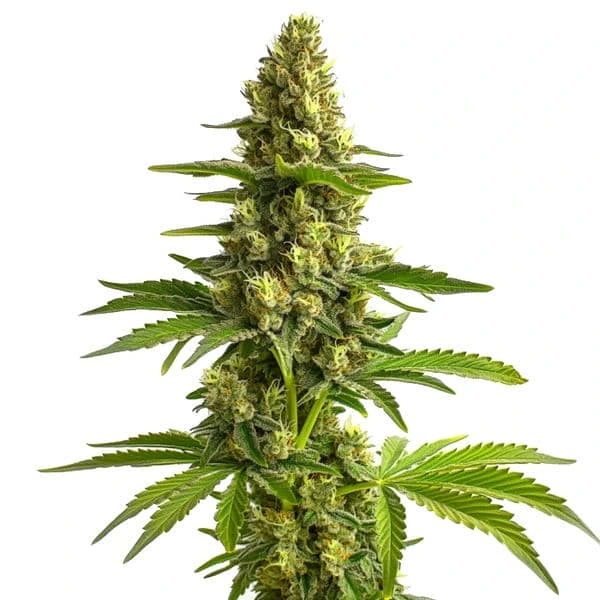
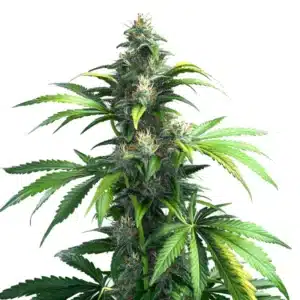
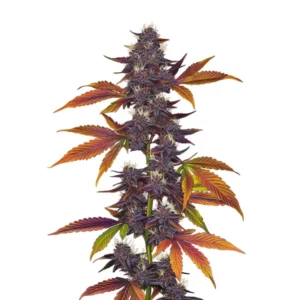
Bruce Banner #3

|
THC | 20% - 29% (High) |

|
Type | Feminized |

|
Yield | High |

|
Phenotype | 50% Indica / 50% Sativa |

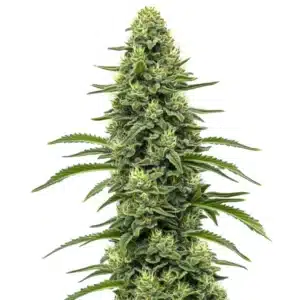
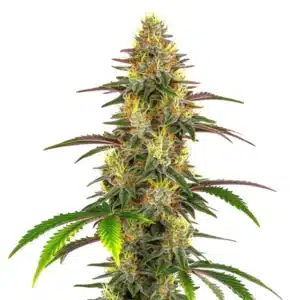
Blue Dream
|
|
THC | 17% - 24% (High) |
|
|
Type | Feminized |
|
|
Yield | High |
|
|
Phenotype | 50% Indica / 50% Sativa |
For those cultivating their own cannabis, selecting high-quality seeds is a critical first step. Blimburn Seeds offers strains like Bruce Banner 3, which are not only potent but also resilient to many common contaminants. However, vigilance remains essential throughout the growing process to avoid contamination.
Identifying Contaminants in Cannabis
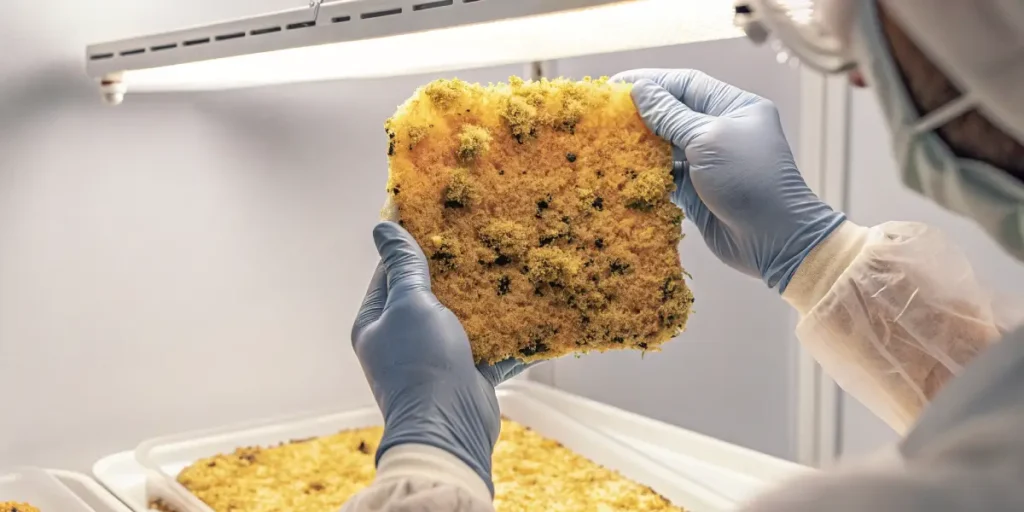
Contaminants in cannabis can be biological, chemical, or physical. Biological contaminants include molds and bacteria, which thrive in moist environments. Ever notice a musty smell in your stash? That’s often a sign of mold. Smoking moldy cannabis can lead to severe respiratory problems, especially for those with compromised immune systems.
Chemical contaminants, on the other hand, are usually pesticides or fertilizers used during cultivation. The dangers of pesticide-laden marijuana use cannot be overstated. Consuming cannabis with pesticide residues can cause nausea, headaches, and in severe cases, organ damage. It’s a risk no one should take lightly.
Physical contaminants are less common but can still pose significant health risks. These include foreign objects such as glass or sand that might accidentally mix with the cannabis during processing. Such contaminants can cause physical harm if inhaled or ingested. Ensuring a clean growing and processing environment minimizes these risks.
Blimburn Seeds emphasizes the importance of cultivating cannabis with care and precision. By choosing strains with robust growth patterns and following organic practices, growers can significantly reduce the health risks of contaminated cannabis. Always be vigilant about the source and quality of your cannabis to safeguard your health.
Promos & Deals

Mold and Mildew: A Hidden Threat
Mold is a common issue in improperly stored cannabis. It thrives in humid conditions, making it essential to store your cannabis correctly. Using airtight containers can help keep mold at bay. However, not all mold is visible. Some produce invisible mycotoxins that can be more dangerous than the mold itself.
The negative effects of moldy cannabis exposure include allergic reactions and respiratory issues. For asthmatics or those with lung conditions, the impact can be even more severe. Imagine trying to relax with a smoke only to find yourself gasping for air. That’s a scenario you want to avoid.
Regular inspection of your cannabis is crucial in preventing the negative effects of moldy cannabis exposure. Utilize tools like a magnifying glass to spot any mold growth early. Additionally, storing cannabis in a cool, dry place with good air circulation can help prevent mold proliferation.
For those cultivating cannabis at home, choosing mold-resistant strains from Blimburn Seeds can be a proactive step in minimizing the risks. These strains not only offer high yield and quality but also reduce the likelihood of mold contamination, ensuring a safer experience.
Chemical Contaminants: A Silent Menace
Pesticides and fertilizers are often used in commercial cannabis cultivation to maximize yield. However, these chemicals can linger on the plant, posing health risks. The health consequences of tainted cannabis consumption due to chemicals can range from mild to life-threatening.
Ingesting or inhaling pesticide-laden cannabis can result in acute poisoning symptoms such as dizziness, headaches, and even convulsions. Over time, these chemicals can accumulate in the body, leading to chronic health issues. It’s like slowly poisoning yourself with each use.
Choosing organic cultivation methods can significantly reduce the dangers of pesticide-laden marijuana use. By avoiding synthetic chemicals, growers can produce cleaner cannabis that poses fewer health risks to consumers. It’s a commitment to quality and safety that benefits everyone.
Blimburn Seeds supports this approach by offering a variety of strains that thrive in organic settings, such as Tangie. These strains naturally resist pests, reducing the need for chemical interventions and ensuring a safer product for consumers.
Heavy Metals: An Unseen Hazard
Heavy metals such as lead, mercury, and cadmium can find their way into cannabis through contaminated soil or water. The impact of heavy metal contamination in cannabis is a serious concern, as these metals are toxic to humans.
Consuming marijuana with heavy metal contaminants can lead to neurological issues, kidney damage, and even cancer. The risks of consuming contaminated marijuana products with heavy metals are too significant to ignore. Regular testing of your growing medium can help detect these contaminants early.
Implementing soil and water testing protocols is essential for any serious cannabis cultivator. By regularly monitoring these elements, growers can prevent heavy metal contamination and ensure a safer end product for consumers. It’s a proactive measure that can save lives.
For consumers, choosing cannabis from reputable suppliers who conduct rigorous lab testing is crucial. Blimburn Seeds prides itself on ensuring that its strains, like Blue Dream, meet high safety standards, providing peace of mind and quality assurance.
FAQs about health risks of contaminated cannabis
What are the symptoms of consuming contaminated cannabis?
Consuming contaminated cannabis can lead to a variety of symptoms depending on the type of contaminant. Common signs include nausea, headaches, and respiratory issues. Moldy cannabis often causes coughing and sneezing due to allergic reactions. Chemical contaminants might result in dizziness or even convulsions in severe cases.
It’s important to monitor how your body reacts after using cannabis. If you experience unusual symptoms, it might be due to contamination. Always consult with a healthcare provider if you suspect your cannabis is making you ill.
Knowing the health risks of contaminated cannabis can guide consumers in making informed decisions. It’s crucial to recognize early signs of contamination and seek medical advice when necessary. Prevention through proper sourcing and storage is always the best approach.
Educating oneself about the health consequences of tainted cannabis consumption can also be beneficial. By remaining informed, consumers can avoid potentially hazardous products and protect their health effectively.
How can I prevent mold in my cannabis?
Mold prevention starts with proper storage. Keep your cannabis in airtight containers away from light and moisture. Use humidity packs to maintain an optimal environment. Additionally, inspect your cannabis regularly for any signs of mold.
Growing mold-resistant strains, such as those offered by Blimburn Seeds, can also reduce the risk. Maintain good airflow in your grow space and avoid overwatering your plants to keep mold at bay.
Investing in quality storage solutions can also be a wise choice. Products designed to control humidity and temperature can help preserve the freshness and safety of your cannabis. This small step can significantly reduce the risks of mold contamination.
For home growers, implementing environmental controls like dehumidifiers and fans can create an optimal growing environment. This proactive approach minimizes the likelihood of mold development and ensures healthier cannabis plants.
Are there any safe pesticides for cannabis cultivation?
While organic pesticides are generally safer, they still need to be used sparingly. Neem oil is a popular choice among organic growers due to its effectiveness and low toxicity. However, it’s crucial to follow application guidelines to prevent chemical buildup.
Always wash your cannabis plants thoroughly before harvest to remove any pesticide residues. Better yet, choose strains like Blimburn Seeds Tangie, which naturally resist pests and require minimal intervention.
Exploring alternative pest control methods, such as introducing beneficial insects, can also be effective. These natural predators can help manage pest populations without the need for chemical pesticides, reducing the health risks of contaminated cannabis.
Integrating companion planting techniques, where certain plants are grown together to naturally deter pests, is another sustainable option. This approach not only protects cannabis plants but also supports a healthier ecosystem.
What should I do if I suspect my cannabis is contaminated?
If you suspect contamination, stop using the cannabis immediately. Check for visible signs such as mold or chemical residue. Consider getting the product tested if possible, to identify specific contaminants.
Contact the supplier and report your concerns. They may offer a replacement or refund. Prioritize your health and don’t hesitate to dispose of suspicious cannabis.
Documenting your experience can also be helpful, especially if you plan to report the issue to regulatory bodies. Sharing information about contaminated products can protect others from similar health risks.
Educating others about the potential risks of consuming contaminated marijuana products is vital. By raising awareness, you contribute to a safer cannabis community and encourage higher standards in production and distribution.
Can contaminated cannabis affect mental health?
Yes, contaminated cannabis can have mental health implications. Chemical contaminants and heavy metals can influence brain function, potentially worsening conditions like anxiety or depression.
It’s vital to consume clean cannabis to avoid exacerbating mental health issues. Always source your cannabis from reputable providers like those offering Blimburn Seeds strains, ensuring safety and quality.
The impact of heavy metal contamination in cannabis on mental health can be profound. Neurotoxic metals like lead and mercury can impair cognitive function and emotional regulation, highlighting the importance of thorough testing and quality control.
Supporting mental health through informed cannabis consumption is essential. By choosing products that are lab-tested and free from contaminants, consumers can enjoy the benefits of cannabis without compromising their well-being.