Top Aspergillus Species Commonly Found in Cannabis: Expert Guide

Aspergillus is a type of mold that often finds its way into cannabis crops, and knowing the aspergillus species commonly found in cannabis is essential for both growers and consumers. For first-time seed buyers and experienced cultivators alike, tackling this issue is crucial, as mold can significantly impact the quality and safety of your harvest. Those who consume cannabis should also be aware of the potential health risks associated with contamination.
Among the many aspergillus species commonly found in cannabis, a few stand out due to their frequent occurrence. These molds can be tricky, making it important for growers to stay informed and prepared. Whether you’re nurturing a few plants at home or managing a large cultivation operation, knowing your enemy is the first step in defense.
Recommended Strains

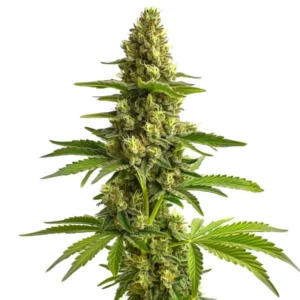
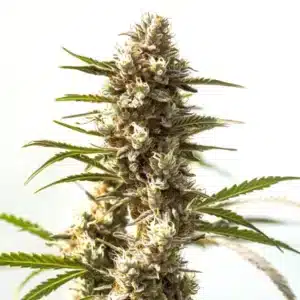
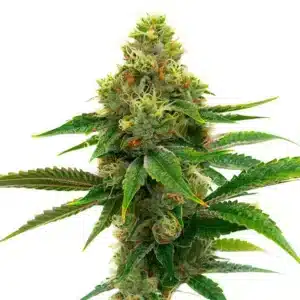
Gelato

|
THC | 27% (High) |

|
Type | Feminized |

|
Yield | High |

|
Phenotype | 50% Indica / 50% Sativa |

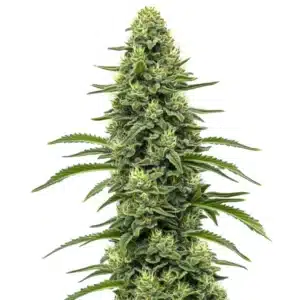
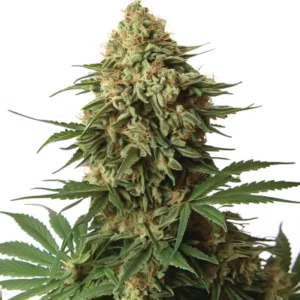
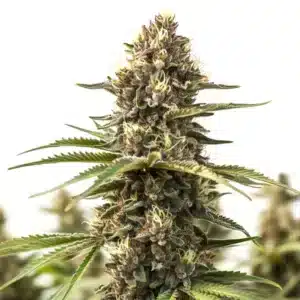
Green Crack
|
|
THC | 21% (Medium) |
|
|
Type | Feminized |
|
|
Yield | High |
|
|
Phenotype | 35% Indica / 65% Sativa |
Aspergillus can thrive in various environments, and cannabis provides a perfect breeding ground. Warm, humid conditions are ideal for mold growth. But don’t worry, you can take steps to protect your plants and your health.
Common Aspergillus Species in Cannabis
Certain aspergillus species are more prevalent in cannabis than others. Among them, Aspergillus niger, Aspergillus flavus, and Aspergillus fumigatus are the most notable. Each presents unique challenges and requires different strategies for control.
Aspergillus niger is often identified by its black spores. It loves damp places, so controlling humidity is key. Aspergillus flavus, on the other hand, is more insidious due to its production of aflatoxins, which can be harmful to health. Aspergillus fumigatus is known for its capacity to cause respiratory issues, especially in those with weakened immune systems.
In the world of cannabis cultivation, these aspergillus species commonly found in cannabis can be formidable foes. Each species reacts differently to environmental changes, making it essential to tailor your approach to the specific type you are dealing with. Knowing these subtle differences can significantly improve your ability to manage and prevent mold outbreaks.
Additionally, ongoing research and advancements in aspergillus species identification in marijuana are providing growers with more precise tools and techniques to combat mold. By staying abreast of the latest studies and incorporating innovative practices, you can greatly enhance the resilience of your crops against these persistent molds.
Aspergillus Mold in Cannabis Cultivation
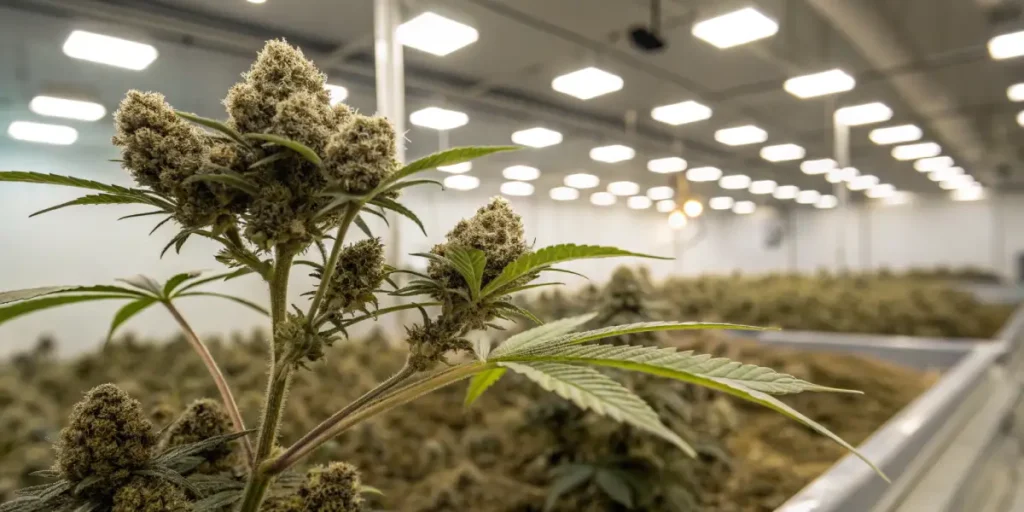
In cannabis cultivation, aspergillus mold can cause significant headaches. If left unchecked, it can ruin entire crops. Mold likes to hide, so regular inspection is vital. Use a magnifying glass to check under leaves and in buds where moisture can accumulate.
Proper ventilation and air circulation in your grow area can prevent mold from taking hold. Invest in quality fans and dehumidifiers. If you’re growing indoors, ensure your space is sealed off from external contaminants. Regular cleaning routines can also help keep aspergillus at bay.
Aspergillus mold in cannabis cultivation is not just an issue of aesthetics or yield; it can directly impact the health of consumers. This mold, if not addressed, can lead to the presence of harmful spores in the final product. Therefore, implementing a robust monitoring system is crucial to catch any early signs of mold before it becomes a larger problem.
Beyond mechanical solutions like fans and dehumidifiers, selecting the right plant strains is a proactive approach to mold resistance. Blimburn Seeds offers several strains that have been bred for resilience against aspergillus species commonly found in cannabis, providing growers with a solid foundation for a successful harvest.
Aspergillus Species Identification in Marijuana
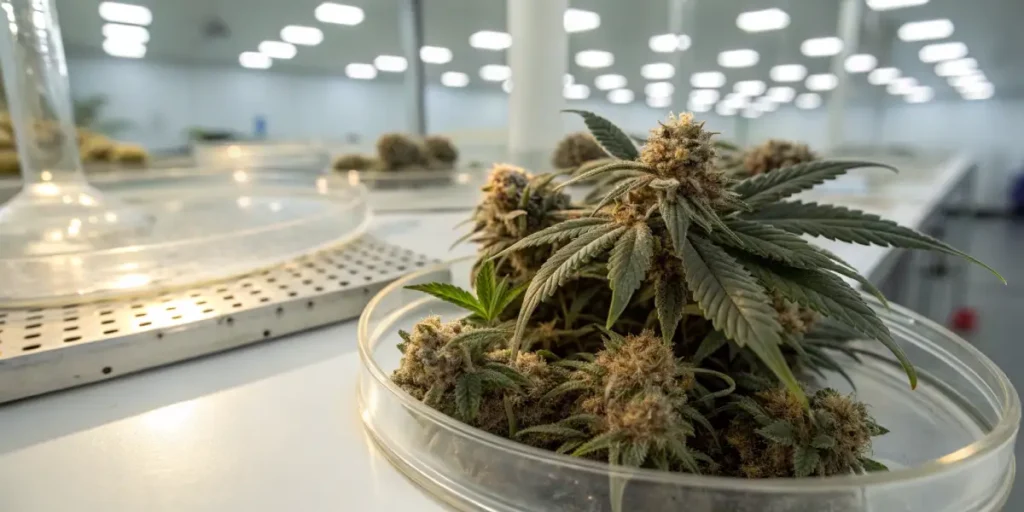
Identifying aspergillus species in marijuana requires a keen eye and sometimes professional help. Visible signs include discoloration, fuzzy growths, and a musty smell. However, some species might not be easily detected without lab testing.
When in doubt, seek professional aspergillus testing procedures for cannabis. These tests can confirm the presence of aspergillus and identify the specific species. Such information is crucial for determining the best course of action.
Effective aspergillus species identification in marijuana involves not just visual assessments but also advanced diagnostic methods. These can include molecular tests that precisely pinpoint the species of aspergillus present. This level of identification is critical for tailoring effective treatment and prevention strategies.
Working with laboratories that specialize in aspergillus testing procedures for cannabis can provide valuable insights into the specific challenges your plants may be facing. These experts can offer guidance on the latest treatment protocols, helping you to effectively manage any identified aspergillus issues.
Preventing Aspergillus Contamination in Cannabis
Preventing aspergillus contamination in cannabis begins with creating the right environment. Control temperature and humidity to discourage mold growth. Aim for temperatures between 70-85°F and humidity levels below 50% during flowering.
Regularly prune your plants to improve air flow. Removing excess leaves and thinning out dense foliage can decrease humidity around the plant. Always use sterilized tools to prevent introducing any contaminants.
Another key element in preventing aspergillus contamination in cannabis is the choice of nutrients and supplements. Using products that promote robust plant health can enhance the natural defenses of your cannabis plants against mold. Opt for organic fertilizers that do not introduce excess moisture or contaminants.
Additionally, implementing a proactive pest management system can prevent the conditions that favor mold growth. Pests can damage plant tissues, creating openings for mold to establish. By keeping pests at bay, you reduce the risk of aspergillus mold infiltrating your crops.
Aspergillus Health Risks in Cannabis Consumers
For cannabis consumers, the health risks associated with aspergillus are a serious concern. Inhaling spores can lead to respiratory issues, allergic reactions, and in severe cases, infections. This is particularly dangerous for those with compromised immune systems.
Users should always ensure their cannabis is sourced from reputable growers who conduct aspergillus testing procedures for cannabis. Being informed about the source of your cannabis is crucial for health safety.
Aspergillus health risks in cannabis consumers extend beyond immediate allergic reactions. Long-term exposure to contaminated cannabis can lead to chronic respiratory conditions and other health complications. Therefore, it is vital for consumers to be vigilant about the quality and source of their cannabis products.
Moreover, consumers with pre-existing health conditions should consult healthcare professionals regarding their cannabis use. Health professionals can provide advice tailored to individual health needs, reducing the potential aspergillus health risks in cannabis consumers.
Promos & Deals
FAQs about aspergillus species commonly found in cannabis
What is the best way to prevent mold in cannabis plants?
Preventing mold in cannabis plants is all about environmental control. Keep humidity levels low and ensure good air circulation. Regularly check your plants for signs of mold and prune them to reduce moisture build-up. Using resistant strains, such as those from Blimburn Seeds, can also help.
Investing in quality equipment like dehumidifiers and fans is a smart move. These tools will help maintain the ideal growing conditions and protect your plants from aspergillus species commonly found in cannabis.
Aside from environmental control, adopting a proactive approach through regular inspections and immediate response to any signs of mold can prevent larger outbreaks. Actively monitoring the health of your plants allows you to catch and manage mold issues before they become severe.
Incorporating a regular cleaning schedule for your cultivation area also plays a critical role. By maintaining a clean and sanitized environment, you reduce the chances of aspergillus mold in cannabis cultivation affecting your plants.
How can I identify aspergillus mold on my cannabis plants?
Identifying aspergillus mold involves looking for visible signs such as fuzzy growths, discoloration, and musty odors. However, some aspergillus species might not be visible to the naked eye. In such cases, professional testing is recommended.
Regular inspections using a magnifying glass can aid in early detection. If you suspect contamination, seek expert help for aspergillus species identification in marijuana.
Beyond visual inspection, staying informed about the latest identification techniques can be beneficial. Techniques such as DNA sequencing and polymerase chain reaction (PCR) tests are becoming more accessible to cannabis cultivators, providing precise aspergillus species identification in marijuana.
Engaging with agricultural extension services or local cannabis growing communities can also provide support and share insights on effectively identifying and managing aspergillus mold issues.
What are the health risks associated with aspergillus in cannabis?
Aspergillus health risks in cannabis consumers include respiratory issues and allergic reactions. In severe cases, it can lead to infections. These risks are higher for individuals with weakened immune systems.
Consumers should ensure their cannabis is free from mold by buying from reputable sources and storing their products correctly. This can minimize the risks associated with aspergillus contamination.
Knowing the aspergillus health risks in cannabis consumers is crucial for making informed choices. Educating yourself about the signs of contaminated cannabis and taking preventive measures can significantly reduce your exposure to harmful spores.
Regularly updating your knowledge on safe consumption practices and staying informed about industry standards for mold testing and prevention can help mitigate health risks associated with aspergillus in cannabis products.
Are there cannabis strains less prone to mold?
Yes, certain strains are bred for mold resistance. Strains like Bruce Banner 3, Gelato, and Green Crack from Blimburn Seeds are known for their resilience and are excellent choices for growers concerned about mold.
Choosing the right strain can make a significant difference in managing mold risk. These strains are typically more robust and adaptable to various growing conditions.
When selecting strains less prone to mold, consider those with a proven track record of success in environments similar to your own. Consulting with seed banks like Blimburn Seeds can provide valuable insights into the best strains for your specific growing conditions.
Additionally, experimenting with different strains and observing their performance against aspergillus species commonly found in cannabis can help you refine your choice of strains for future cultivation projects.
What steps can I take if I find aspergillus on my plants?
If you find aspergillus on your plants, act quickly to contain the spread. Remove affected areas using sterilized tools and dispose of them properly. Adjust environmental conditions to make them less favorable for mold growth.
Consider consulting with experts on aspergillus testing procedures for cannabis. They can provide guidance on how to effectively deal with the contamination and prevent future occurrences.
Taking swift action upon discovering aspergillus is crucial to safeguarding your entire crop. Implementing immediate containment measures can prevent the mold from spreading, preserving the health of unaffected plants.
Documenting any aspergillus outbreaks and analyzing the conditions that led to mold growth can also provide valuable lessons. This information can inform future prevention strategies, reducing the likelihood of recurrence in subsequent growing cycles.