Effects of Weed on Cats: Risks, Signs and What to Do

Quick answer: Weed is not safe for cats. THC is toxic to them, and cats can be poisoned by eating cannabis (including edibles) or, to a lesser degree, by heavy second-hand smoke. Signs include wobbliness, lethargy, dilated pupils, drooling and low body temperature. Cannabis toxicity in cats is a veterinary emergency, if you suspect your cat has been exposed, contact a vet or an emergency animal poison line immediately. Never give cannabis to a cat. Pets and cannabis need caution, a theme we also cover in our warning on cannabis treatment for dog cancer.
Cats and cannabis do not mix. While a person can enjoy weed responsibly, cats are far more sensitive to THC, and exposure, whether from eating cannabis or edibles, or from heavy second-hand smoke, can make them seriously ill. With more cannabis in homes, accidental pet poisonings have risen, so every cat owner should understand the risks.
Recommended Strains

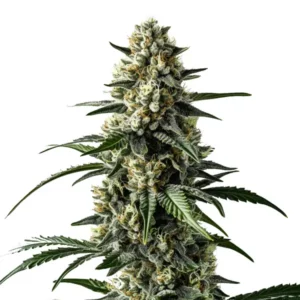
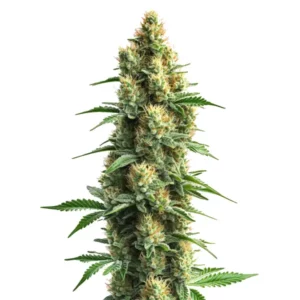
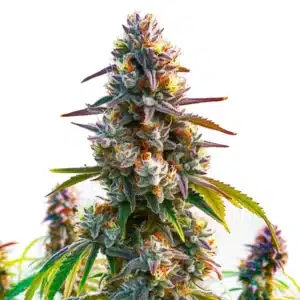
Orka

|
THC | 20% - 22% (Medium) |

|
Type | Feminized |

|
Yield | High |

|
Phenotype | 40% Indica / 60% Sativa |

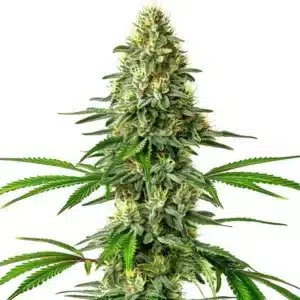
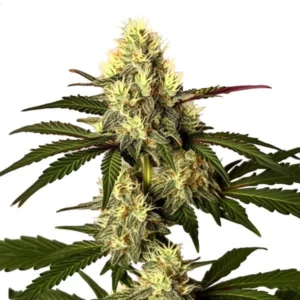
CBD Mango (1:1)

|
CBD | 8% – 10% (Low) |
|
|
Type | CBD Feminized |
|
|
Yield | High |
|
|
Phenotype | 40% Indica / 60% Sativa |
This guide explains how weed affects cats, the warning signs of toxicity, and, most importantly, what to do if your cat is exposed. The short version: keep all cannabis products safely away from pets, and treat any suspected exposure as an emergency. This is general information, not veterinary advice, your vet is the right person to help.
| Signs of cannabis/THC toxicity in cats | What to do |
|---|---|
| Wobbliness, loss of balance, lethargy | Contact a vet or emergency animal line immediately |
| Dilated pupils, disorientation, drooling | Keep the cat calm, warm and safe; do not wait it out alone |
| Low body temperature, slow heart rate | Seek urgent veterinary care |
| Vomiting, dribbling urine, tremors/seizures | Emergency, get veterinary help without delay |
How Cannabis Affects Cats
Cats have cannabinoid receptors just as people do, but they are much smaller and far more sensitive, so a dose that is mild for a human can strongly affect a cat. THC is the main concern: it can cause neurological and physical effects such as loss of coordination and balance, lethargy or agitation, dilated pupils, drooling, vomiting, a low body temperature, and in more severe cases tremors or seizures. Eating cannabis or, especially, edibles (which can also contain other toxic ingredients like chocolate or xylitol) is particularly dangerous.
Second-hand smoke is also a real concern: deliberately blowing smoke at a cat or smoking heavily in a small, unventilated space with a cat present exposes it to THC and smoke it cannot consent to or process well. Cats are not ‘getting high’ in a fun way, they are being poisoned, and the experience is distressing and potentially dangerous for them.
Promos & Deals


What to Do If Your Cat Is Exposed
If you think your cat has eaten cannabis or an edible, or has been heavily exposed to smoke, treat it as an emergency: contact your vet or an emergency animal poison helpline straight away, and be honest about what and how much was involved, vets are there to help the animal, not to judge you. Keep the cat calm, warm and somewhere safe and quiet while you get help, and do not try to make it vomit or give any remedy unless a professional tells you to.
Most cats recover with prompt veterinary care, but the key word is prompt, do not wait to ‘see if it passes’. Prevention is simpler: store all cannabis, edibles and concentrates well out of reach in sealed containers, never smoke directly at or around your cat, and keep the area ventilated. For a sense of how easy it is to over-consume (and why pets are at risk), see our guide on whether you can overdose on THC.
What About CBD for Cats?
You may see CBD products marketed for pets, and CBD is different from THC (it is not intoxicating). However, this is not a reason to give your cat cannabis: the research on CBD in cats is limited, quality and dosing of pet products vary, and anything containing THC is unsafe for them. Importantly, giving any cannabinoid to a cat is a decision only a veterinarian should guide.
So the responsible position is clear: do not give your cat weed or THC products at all, and do not give CBD either without explicit veterinary advice and a vet-recommended, THC-free product. If you are interested in CBD for a pet for any reason, talk to your vet first. This article is general information, not veterinary advice.
How to Keep Cats Safe From Cannabis
Prevention is simple and important. Store all cannabis, including flower, edibles, oils and concentrates, in sealed containers well out of a cat’s reach, ideally in a closed cupboard or lockable box, since cats are curious and edibles are especially dangerous (and may contain other cat-toxic ingredients like chocolate or xylitol). Never leave products on low tables or counters.
If you smoke or vape, do it away from your cat in a well-ventilated space or outdoors, and never direct smoke at them. Clean up ash, roaches and spills promptly, as cats may ingest them. These small habits essentially eliminate the risk. And if exposure ever happens despite precautions, treat it as an emergency and contact a vet right away. This is general information, not veterinary advice.

FAQs About Cats and Marijuana
Does THC affect cats?
Yes, strongly, and harmfully. Cats are much more sensitive to THC than people, so even small amounts can cause toxicity: wobbliness, lethargy, dilated pupils, drooling, low body temperature and, in severe cases, tremors or seizures. It is not a pleasant ‘high’ for them. Suspected exposure is a veterinary emergency, contact a vet immediately.
Is it bad to smoke weed around cats?
Yes. Heavy second-hand cannabis smoke exposes cats to THC and smoke they cannot process well, and can make them ill, and deliberately blowing smoke at a cat is harmful and distressing. Keep cats out of rooms where you smoke, ventilate well, and never direct smoke at them. If a cat seems affected, contact a vet.
What should I do if my cat eats weed?
Treat it as an emergency: contact your vet or an emergency animal poison line immediately and tell them what and how much was involved. Keep the cat calm, warm and safe, and do not try home remedies or induce vomiting unless a professional advises it. Prompt veterinary care gives the best outcome. This is not veterinary advice.
Can cats recover from eating weed?
Most cats recover from cannabis exposure with prompt veterinary care, which is why speed matters, do not wait to see if it passes. Contact your vet or an emergency animal poison line immediately and be honest about what was ingested. Keep the cat calm, warm and safe meanwhile. Prevention by storing cannabis securely is far better than relying on recovery. Not veterinary advice.