Effects of Drying Cannabis Too Fast vs Too Slow on Water Activity

Impact of Drying Speed on Cannabis Quality: Drying cannabis too quickly or too slowly can drastically affect its water activity, which is crucial for quality and safety. Knowing the drying too fast vs too slow effects on water activity cannabis helps growers maintain ideal water activity levels between 0.55 and 0.65, preserving cannabinoids and terpenes. Incorrect drying methods can lead to mold or potency loss, emphasizing the need for precise drying control.
Terpenes and cannabinoids are the heart of cannabis quality, and their preservation hinges on proper drying techniques. While terpenes like myrcene and limonene contribute to aroma and effects, improper drying can diminish these compounds. Balancing drying speed and water activity is essential for maintaining the plant’s integrity.
Recommended Strains

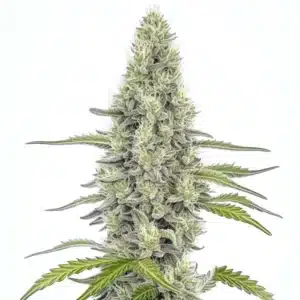
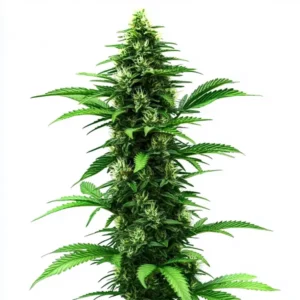
Northern Lights

|
THC | 17% (Medium) |

|
Type | Feminized |

|
Yield | High |

|
Phenotype | 90% Indica / 10% Sativa |

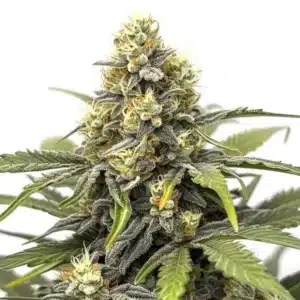
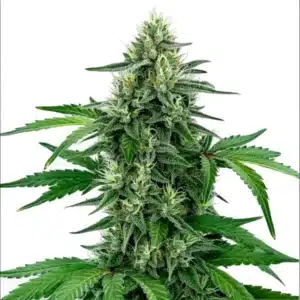
Blue Dream
|
|
THC | 17% - 24% (High) |
|
|
Type | Feminized |
|
|
Yield | High |
|
|
Phenotype | 50% Indica / 50% Sativa |
Water Activity in Cannabis
What is Water Activity?
Water activity in cannabis refers to the amount of free water available for microbial growth. It is distinct from moisture content, which measures total water. Water activity is crucial because it influences mold and bacterial growth, directly impacting the safety and quality of cannabis. Maintaining a water activity level between 0.55 and 0.65 is optimal for preventing spoilage.
Experienced growers report that water activity levels above 0.65 can lead to mold within 48 hours. Conversely, levels below 0.55 can halt terpene development, affecting flavor and aroma. Using a water activity meter can help ensure your cannabis maintains optimal water activity levels during the drying process.
Importance of Water Activity in Cannabis
Water activity is a key factor in preserving cannabinoids and terpenes, which are sensitive to environmental changes. Cannabinoids like THC and CBD can degrade if water activity is not properly managed, leading to reduced potency. The growing community has communicated that maintaining the right water activity ensures the longevity and quality of stored cannabis.
Many cultivators share that improper water activity management can lead to significant losses in both yield and quality. A water activity meter is essential for precise monitoring during drying, helping to maintain the delicate balance needed for high-quality cannabis.
Promos & Deals
Drying Cannabis: Too Fast vs Too Slow
Effects of Drying Too Fast
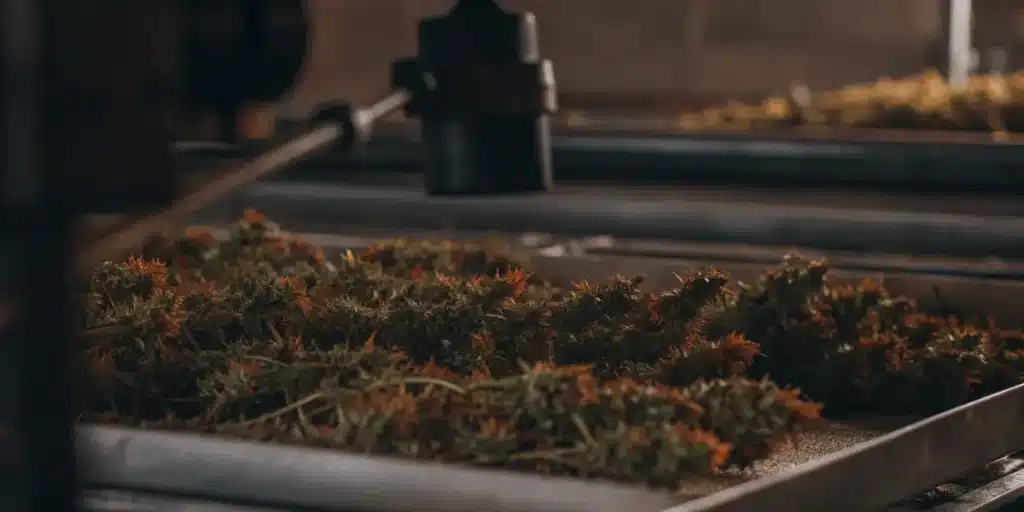
Drying cannabis too quickly can cause the outer layers to dry faster than the inner parts, leading to uneven moisture distribution. This can trap moisture inside, increasing the risk of mold. Fast drying can also lead to the degradation of terpenes, which are responsible for the plant’s aroma and flavor profile. Knowing the drying too fast vs too slow effects on water activity cannabis is essential for maintaining proper moisture levels and preserving overall product quality.
Growers have noted that rapid drying often results in harsh smoke and diminished potency. The loss of terpenes like myrcene, which enhances THC uptake, can significantly alter the user experience. Maintaining a slow, even drying process is crucial to preserving the plant’s natural compounds.
Effects of Drying Too Slow
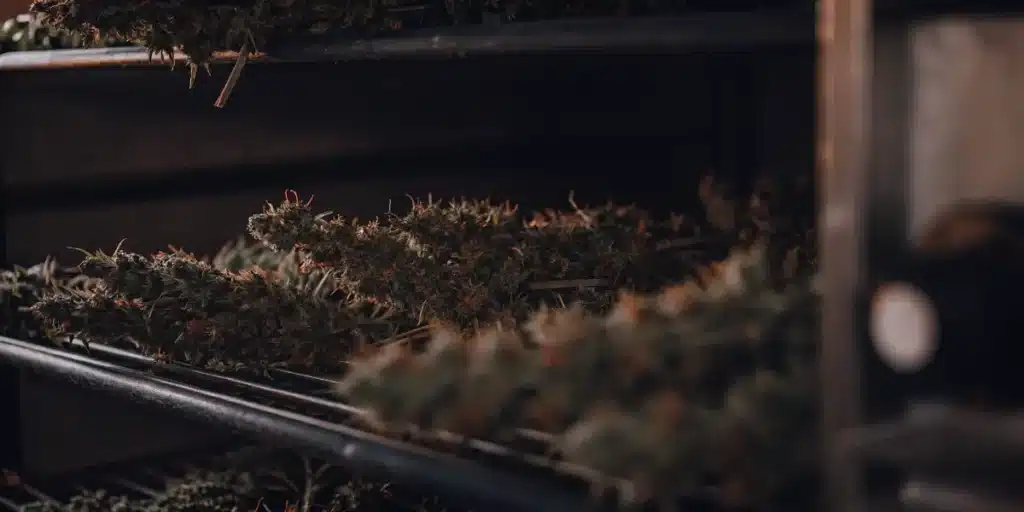
On the other hand, drying cannabis too slowly can lead to prolonged exposure to moisture, which increases the risk of mold and bacterial growth. This can compromise the safety and quality of the final product. Slow drying can also affect the color and appearance of the buds, making them less appealing.
Master growers have pointed out that slow drying can lead to cannabinoid degradation, reducing the overall potency. It is essential to find a balance that allows the cannabis to dry evenly without compromising its quality. The 60-60 rule, which maintains 60% relative humidity at 60°F (15.5°C), is often recommended for optimal drying conditions.
Tools for Measuring Water Activity
Using a Water Activity Meter
A water activity meter is an essential tool for any serious cannabis cultivator. It provides precise measurements of water activity, allowing growers to make informed decisions about the drying process. This tool helps ensure that cannabis is dried to the correct level, preserving its quality and safety while helping growers understand the drying too fast vs too slow effects on water activity cannabis.
Using a water activity meter can help prevent common issues like mold growth and terpene loss. By providing accurate data, it allows growers to adjust their drying techniques to maintain optimal water activity levels. This is crucial for producing high-quality cannabis that meets industry standards.
Best Practices for Accurate Measurements
To achieve accurate measurements with a water activity meter, it is important to calibrate the device regularly. This ensures that the readings are precise and reliable. Experienced growers recommend taking multiple readings from different parts of the batch to get a comprehensive view of water activity levels, especially when evaluating drying too fast vs too slow effects on water activity cannabis.
Many cultivators share that maintaining consistent environmental conditions during measurement is crucial. Fluctuations in temperature and humidity can affect readings, leading to inaccurate data. By following these best practices, you can ensure that your cannabis is dried to perfection.
| Feature / Merkmal | Blue Dream | GG4 | Northern Lights |
|---|---|---|---|
| THC Content | 17-24% | 27% | 17% |
| Dominant Terpene | Linalool | Caryophyllene | Valencene |
| Effect Profile | Happy, Relaxed, Talkative | Happy, Relaxed, Talkative | Focused, Happy, Relaxed |
| Ideal Drying RH | 55-60% | 60-65% | 50-55% |
| Water Activity Level | 0.60 | 0.65 | 0.55 |
Optimizing the Drying Process
The 60-60 Rule Explained
The 60-60 rule is a guideline for drying cannabis, recommending 60% relative humidity and 60°F (15.5°C) temperature. This balance helps preserve cannabinoids and terpenes while preventing mold. Following this rule can enhance the quality of your final product, ensuring a smooth and flavorful experience.
Many cultivators share that deviating from this rule can lead to issues like terpene loss or mold growth. By adhering to the 60-60 rule, you can achieve a consistent and high-quality drying process.
Balancing Speed and Quality
Finding the right balance between drying speed and quality is crucial for producing premium cannabis. Knowing the drying too fast vs too slow effects on water activity cannabis is essential, as drying too quickly can lead to harsh smoke, while drying too slowly can result in mold. The key is to monitor environmental conditions closely and adjust as needed to maintain optimal drying conditions.
Master growers have pointed out that using a combination of temperature and humidity controls can help achieve the perfect balance. By fine-tuning these variables, you can ensure that your cannabis is dried to perfection, preserving its quality and potency.
Professional Tips for Drying Cannabis
- Maintain 58-62% RH during curing. Below 55% arrests terpene development; above 65% promotes mold within 48 hours. Use a calibrated digital hygrometer.
- Dry at 60°F (15.5°C) to preserve terpenes. Higher temperatures can cause terpene evaporation, leading to flavor loss.
- Ensure even airflow around buds to prevent moisture pockets. Stagnant air can lead to uneven drying and mold growth.
- Use a water activity meter to monitor levels. This ensures that cannabis is dried to the correct specification, preserving quality and safety.
- Check buds daily for mold during drying. Early detection can prevent widespread contamination.
- Store dried cannabis at 58-62% RH to maintain quality. Improper storage can lead to degradation over time.
FAQs about drying too fast vs too slow effects on water activity cannabis
What happens if you dry cannabis too quickly?
Drying cannabis too quickly can lead to uneven moisture distribution, trapping moisture inside and increasing mold risk. It can also cause terpene loss, resulting in harsh smoke and diminished potency. Maintaining a slow, even drying process is crucial for preserving the plant’s natural compounds.
What is the 60-60 rule for drying cannabis?
The 60-60 rule involves drying cannabis at 60% relative humidity and 60°F (15.5°C) temperature. This balance helps preserve cannabinoids and terpenes while preventing mold growth. Following this rule can enhance the quality of your final product, ensuring a smooth and flavorful experience.
How much water weight does cannabis lose when drying?
Cannabis typically loses about 75% of its water weight during drying. This reduction is necessary to prevent mold and preserve cannabinoids and terpenes. Proper drying techniques are essential to achieving the desired moisture content and maintaining the quality of the final product.
What is the water activity of cannabis drying?
Water activity during cannabis drying should be maintained between 0.55 and 0.65. This range helps prevent mold growth and preserve the quality of cannabinoids and terpenes. Monitoring water activity is crucial for producing high-quality cannabis that meets industry standards.
How do you use a water activity meter for cannabis?
To use a water activity meter, place a cannabis sample in the device and allow it to stabilize. The meter will provide a reading of the water activity level, helping you adjust your drying process to maintain optimal levels. Regular calibration ensures accurate measurements.