AW Targets After Drying vs After Curing Cannabis

AW targets in cannabis: Grasping the differences in aw targets after drying vs after curing cannabis is crucial for maximizing product quality. Typically, cannabis should have an AW level of around 0.55-0.65 post-drying and 0.50-0.60 post-curing. These levels help prevent mold while preserving potency and flavor.
When cultivating cannabis, the journey from harvest to consumption involves critical steps like drying and curing. These processes affect the final product’s aroma, potency, and safety. While drying focuses on removing moisture to prevent mold, curing enhances flavor and smoothness. Mastering these stages ensures the highest quality cannabis.
Recommended Strains


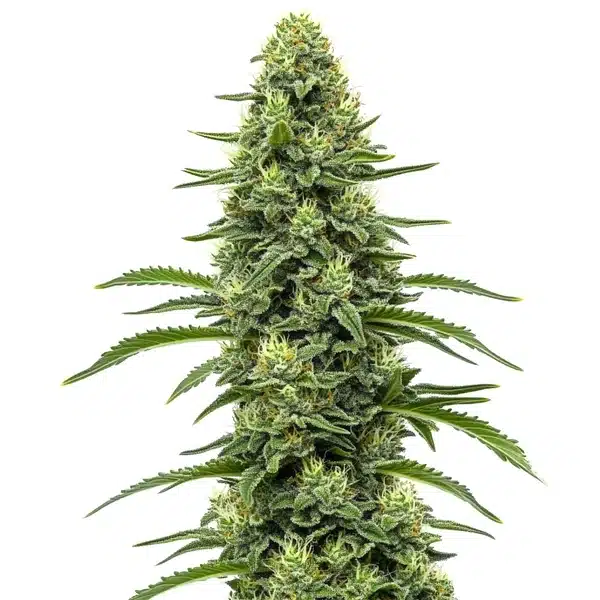
AW in Cannabis
What is AW and Why It Matters
AW, or water activity, measures the availability of water for microbial growth in cannabis. It is distinct from moisture content, which is the total water present. AW is crucial because it determines the potential for mold and bacteria development. In cannabis, maintaining the correct AW levels ensures the product’s safety and quality, making it important to understand AW targets after drying vs after curing cannabis.
For cannabis, the ideal AW level post-drying is between 0.55-0.65. This range minimizes microbial growth while preserving cannabinoids and terpenes. AW levels above this can lead to mold, while lower levels might degrade the terpenes, affecting flavor and potency. Thus, monitoring AW is a critical step in cannabis processing.
Practical Application & Impact
In practice, achieving the right AW levels involves controlling environmental factors like humidity and temperature. For instance, keeping the drying room at 60-70°F (15-21°C) with 50-60% relative humidity helps maintain the desired AW. This balance prevents the buds from drying too quickly, which can lock in chlorophyll and produce a harsh taste.
Experienced growers use hygrometers to monitor AW levels accurately. It’s important to avoid common mistakes such as relying solely on visual inspection, which can be misleading. Instead, consistent monitoring and adjustments ensure the cannabis retains its desired qualities.
Promos & Deals
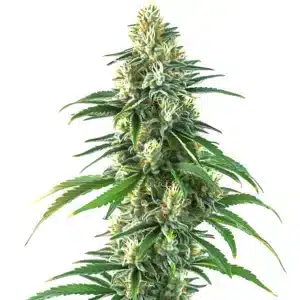
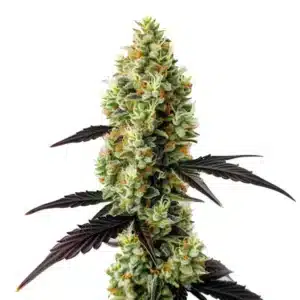
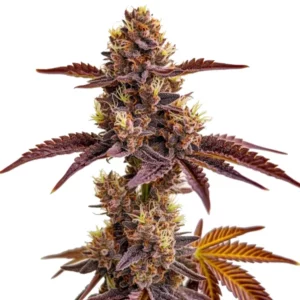

AW Targets After Drying
Ideal AW Levels Post-Drying
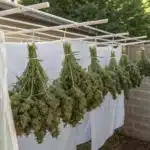
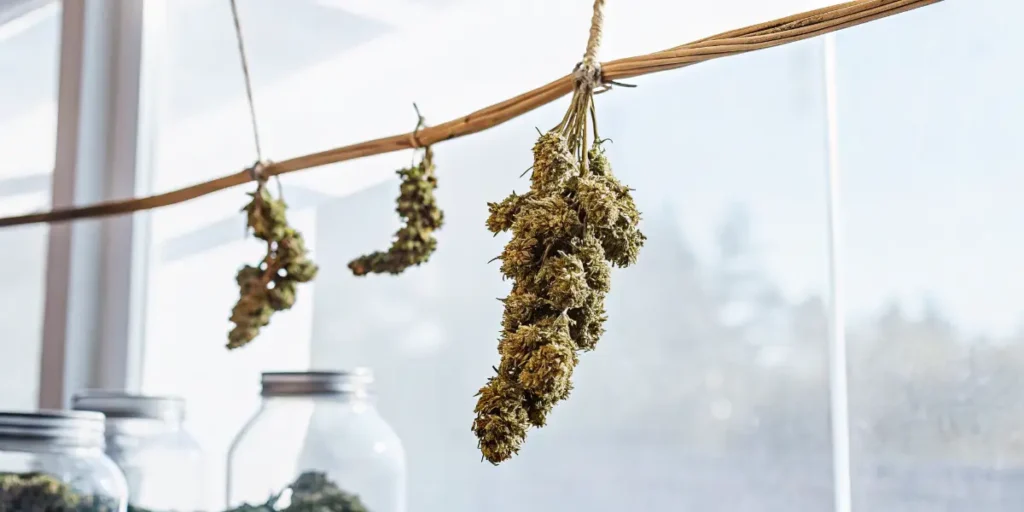
After drying, cannabis should achieve an AW level of approximately 0.55-0.65. This range is optimal for preventing mold while preserving the plant’s natural flavors. Typically, cannabis buds should dry for about 7-10 days before jarring, allowing for gradual moisture reduction.
To properly harvest and dry cannabis indoors, ensure a controlled environment with steady airflow and consistent temperatures. This setup helps achieve the desired AW levels without exposing the buds to excessive drying, which can degrade essential terpenes and cannabinoids.
Achieving Optimal AW Post-Curing
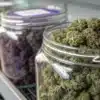
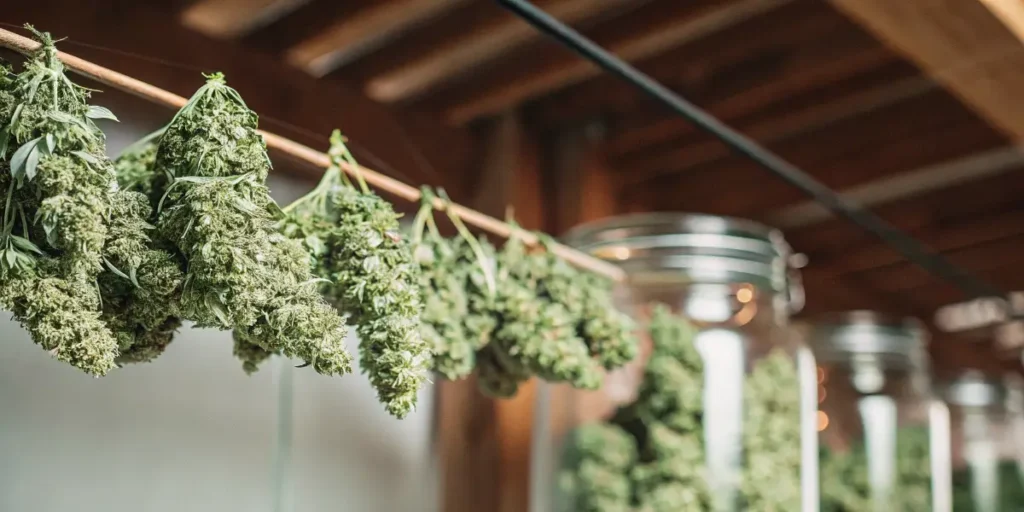
During curing, the goal is to reduce the AW to around 0.50-0.60. This process involves storing cannabis in airtight jars, allowing the moisture to redistribute evenly throughout the buds. Regularly opening the jars, or “burping,” helps release excess moisture and gases.
Using a cannabis curing kit can simplify the process by providing tools to monitor humidity and temperature. These kits often include hygrometers and humidity packs, ensuring consistent AW levels. Investing in a cannabis curing machine can ensure consistent results, automating the process for optimal quality.
Comparing Drying and Curing Processes
Key Differences and Effects on AW
Unlike processes such as drying and curing concrete, cannabis requires precision to maintain quality. Drying focuses on removing moisture to prevent mold, while curing enhances flavor and smoothness. Similar to curing vs drying meat, cannabis curing involves a slow process to develop complex flavors.
While drying and curing paint is about achieving a hardened surface, cannabis curing is about preserving and enhancing the plant’s natural characteristics. Each process plays a vital role in determining the final product’s quality, with AW levels being a critical factor in both stages.
Practical Tips for Beginners
For those new to cannabis cultivation, understanding the basics of drying and curing is essential. Start by maintaining a drying environment with 60-70°F (15-21°C) temperatures and 50-60% relative humidity. This setup helps achieve the desired AW levels while preserving the plant’s qualities.
Investing in a cannabis curing machine can ensure consistent results, automating the process for optimal quality. These machines regulate humidity and temperature, providing a controlled environment that simplifies the curing process for beginners.
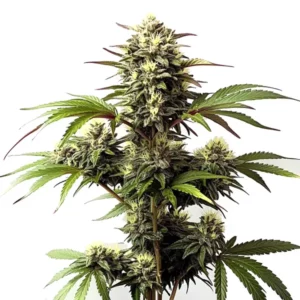
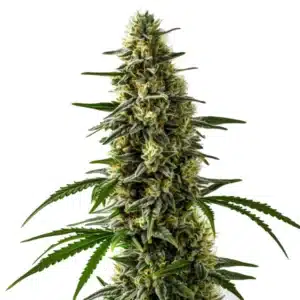
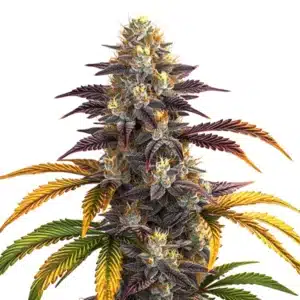
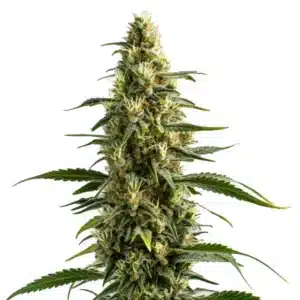
| Feature / Merkmal | Glookies | Skywalker | Blue Dream |
|---|---|---|---|
| THC Content | 22-25% | 21% | 17-24% |
| Dominant Terpene | Caryophyllene | Myrcene | Myrcene |
| AW Post-Drying | 0.55-0.65 | 0.55-0.65 | 0.55-0.65 |
| AW Post-Curing | 0.50-0.60 | 0.50-0.60 | 0.50-0.60 |
| Flavor Profile | Diesel, Lime | Berry, Pine, Spicy, Sweet | Berry, Blueberry, Mango, Sweet |
Professional Tips for Beginners
- Maintain 58-62% RH during cure. Below 55% arrests terpene development; above 65% promotes Botrytis within 48h. Check with a calibrated digital hygrometer, never analog.
- Use a cannabis curing kit to simplify the process. These kits provide tools like hygrometers to monitor humidity accurately.
- Invest in a cannabis curing machine for consistent results. These machines automate the curing process, maintaining optimal conditions.
- Monitor AW levels regularly. Consistent monitoring helps prevent mold and preserves the desired qualities of the cannabis.
- Ensure proper airflow during drying. This prevents moisture buildup and reduces the risk of mold development.
- Avoid over-drying the buds. Excessive drying can degrade terpenes and cannabinoids, affecting the final product’s quality.
FAQs about aw targets after drying vs after curing cannabis
How long should you cure cannabis after drying?
Curing cannabis after drying typically takes 2-4 weeks. This duration allows for the redistribution of moisture and the development of complex flavors. During this time, maintain an AW level of 0.50-0.60 to prevent mold and preserve the plant’s natural qualities.
What is the 60-60 rule for drying cannabis?
The 60-60 rule refers to drying cannabis at 60% relative humidity and 60°F (15°C). This environment ensures gradual moisture removal, preventing mold and preserving terpenes. It’s a guideline many cultivators follow to maintain the plant’s quality during the drying process.
Does cannabis get stronger after drying?
Drying cannabis doesn’t increase potency but preserves its existing cannabinoids. Proper drying prevents mold and degradation, ensuring the plant retains its original THC levels. The process is crucial for maintaining the quality and safety of the final product.
What is the difference between drying and curing cannabis?
Drying cannabis removes moisture to prevent mold, while curing enhances flavor and smoothness. Drying is the initial step, taking 7-10 days, whereas curing follows, lasting 2-4 weeks. Each process is vital for achieving high-quality cannabis.
How to store cannabis after curing?
Store cannabis in airtight containers at 58-62% RH and 60-70°F (15-21°C) after curing. This environment preserves cannabinoids and terpenes, maintaining the product’s quality. Avoid exposure to light and air to prevent degradation over time.