Do Trichomes Mature After Harvest? Post-Harvest Changes Explored

Trichome Maturation Post-Harvest: Trichomes cease to mature or generate new cannabinoids once harvested, as photosynthesis halts. However, during drying and curing, chemical transformations occur, such as THC oxidizing into CBN, which can influence potency and flavor. This post-harvest phase is crucial for maintaining trichome quality and ensuring optimal cannabis characteristics.
Trichomes, the resinous glands on cannabis plants, are pivotal for flavor and potency. Their maturation halts post-harvest, yet the drying and curing stages are critical. These processes influence terpene profiles and cannabinoid stability, impacting the final product’s aroma and effects. Experienced growers highlight that knowing these changes can enhance your cannabis experience.
Recommended Strains

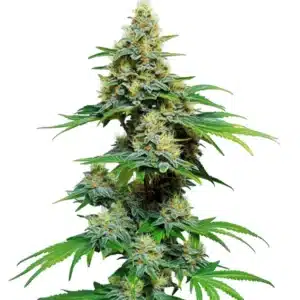
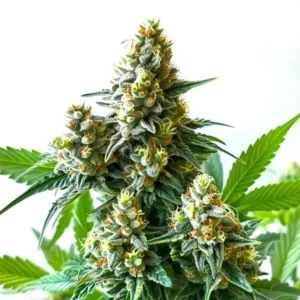
Blue Dream

|
THC | 17% - 24% (High) |

|
Type | Feminized |

|
Yield | High |

|
Phenotype | 50% Indica / 50% Sativa |
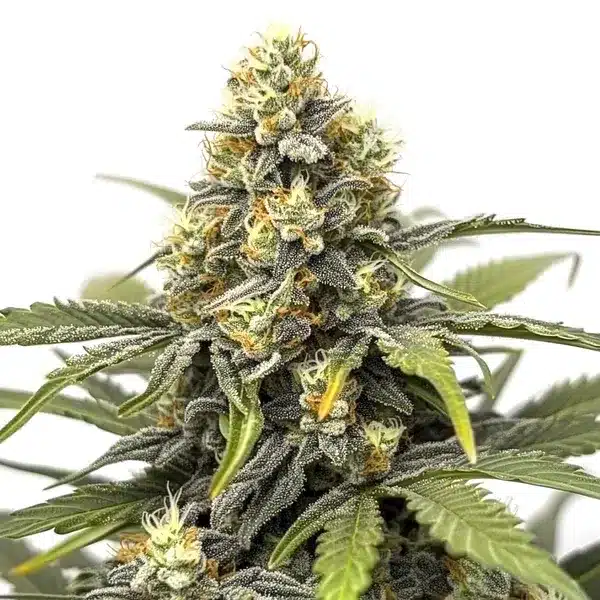
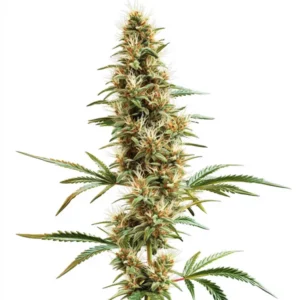
Amnesia
|
|
THC | 15% - 20% (Medium) |
|
|
Type | Feminized |
|
|
Yield | High |
|
|
Phenotype | 30% Indica / 70% Sativa |
Trichome Maturation Process
What Happens to Trichomes After Harvest?
Once cannabis is harvested, trichomes no longer mature due to the cessation of photosynthesis, which is essential for energy production. This means the plant stops developing new cannabinoids. However, the existing trichomes undergo significant chemical changes during the drying and curing phases, impacting the overall quality of the cannabis.
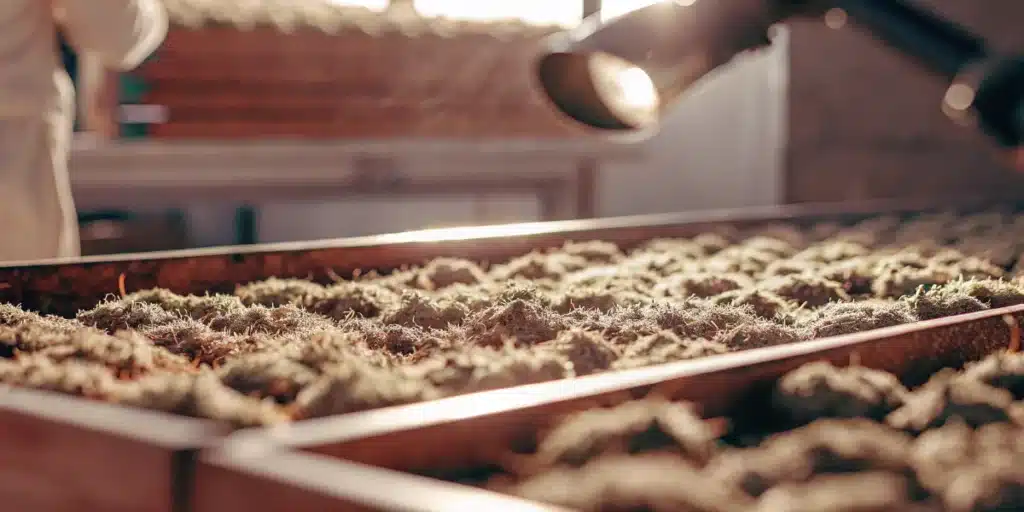
During drying, moisture content is reduced from approximately 70% to 10-15%, which stabilizes the plant material and prevents mold. Curing further enhances this by allowing for the slow degradation of chlorophyll and the development of complex flavors. This process can take 2-4 weeks, depending on environmental conditions like humidity and temperature.
Chemical Changes During Drying and Curing
The drying and curing process initiates the oxidation of THC into CBN, a cannabinoid known for its sedative effects. This chemical transformation is a natural progression that can alter the psychoactive profile of the cannabis. For instance, THC levels might decrease from 20% to 15% as CBN levels increase.
Proper curing, maintained at 60-65% relative humidity and 60-70°F (15-21°C), preserves terpenes, the compounds responsible for the plant’s aroma and flavor. Terpenes like myrcene and limonene, which can be present at 0.5-1.5%, are crucial for the entourage effect, enhancing the overall experience by interacting with cannabinoids.
Environmental Conditions for Optimal Curing
Master growers emphasize that maintaining precise environmental conditions during curing is essential for preserving trichome integrity. The ideal temperature range is 60-70°F (15-21°C), with relative humidity levels between 58-62%. These conditions help to slow down the degradation of cannabinoids and terpenes, maintaining the potency and flavor of the cannabis.
Humidity control is particularly important. Too high humidity can lead to mold, while too low can cause the cannabis to dry out too quickly, leading to a harsh smoke. Using a hygrometer to monitor humidity levels is a common practice among professional cultivators.
| Feature | GG4 | Blue Dream | Amnesia |
|---|---|---|---|
| THC Percentage | 27% | 17-24% | 15-20% |
| Dominant Terpene | Humulene | Myrcene | Limonene |
| Aroma | Fruity, Pine, Spicy | Berry, Blueberry, Mango, Sweet | Fruity, Incense, Woody |
| Effect | Happy, Relaxed, Talkative | Happy, Relaxed, Talkative | Energetic, Euphoric, Giggly |
| Flowering Time | 8-10 weeks | 8-10 weeks | 8-10 weeks |
Promos & Deals

Best Practices for Post-Harvest Handling
How to Preserve Trichome Potency
Preserving trichome potency post-harvest involves controlling environmental factors. Maintain a humidity level of 58-62% and a temperature of 60-70°F (15-21°C) during curing to prevent degradation. This environment helps retain the cannabinoids and terpenes, ensuring the cannabis remains potent and flavorful.
Many growers recommend using airtight containers, such as glass jars, to store the cured cannabis. This method prevents exposure to air and light, which can degrade THC into CBN, reducing potency. It’s also crucial to burp the jars regularly to release excess moisture and gases.
Professional Tips for Trichome Management
- Maintain 58-62% RH during curing to preserve terpenes and cannabinoids. Avoid levels above 65% to prevent mold.
- Use glass jars for storage to minimize light exposure, which can degrade THC into CBN over time.
- Monitor temperature at 60-70°F (15-21°C) to prevent cannabinoid degradation and maintain potency.
- Burp jars daily during the first week of curing to release moisture and gases, preventing mold growth.
- Check trichome color regularly; milky or amber trichomes indicate peak potency for harvest.
- Use a hygrometer to ensure accurate humidity levels, as fluctuations can impact trichome quality.
Frequently Asked Questions
How to get trichomes to mature faster?
To accelerate trichome maturation, adjust light intensity and spectrum. Increasing UV-B exposure can enhance trichome development. Maintain optimal conditions with a 12/12 light cycle and ensure adequate nutrient supply, particularly phosphorus and potassium, to support resin production.
What does a mature trichome look like?
Mature trichomes typically appear milky white or amber. This color change indicates peak cannabinoid content. Clear trichomes suggest underdevelopment, while amber trichomes signal THC degradation into CBN. Aim for a mix of milky and amber trichomes for balanced potency and effects.
What week do buds fatten the most?
Buds usually fatten significantly during the final 2-3 weeks of the flowering stage. This period is crucial for resin production and cannabinoid development. Ensure optimal nutrient levels and environmental conditions to maximize bud size and potency.
What should buds look like when they’re ready to harvest?
Ready-to-harvest buds are dense, with pistils turning from white to orange or brown. Trichomes should be mostly milky with some amber. The leaves may yellow slightly as nutrients are redirected to the buds. Harvest timing is critical for maximizing flavor and potency.
Can trichomes continue to develop after harvest?
Trichomes do not continue to develop post-harvest. However, chemical changes like THC oxidizing into CBN occur during curing. This process affects potency and flavor. Proper curing conditions are essential to maintain trichome integrity and enhance the final product’s quality.