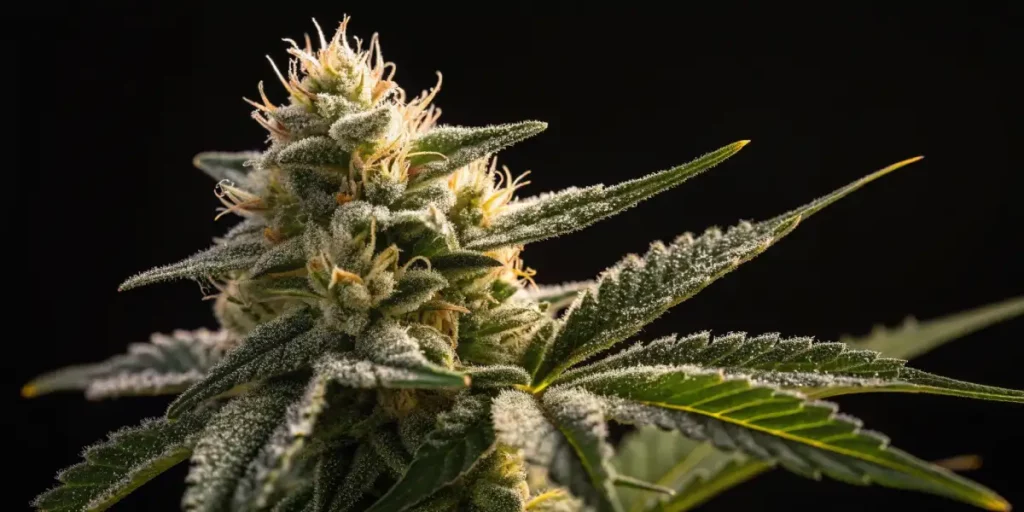
Trichomes vs Mold: Key Differences and Identification

Trichomes vs Mold: Trichomes are the small, crystal-like structures on cannabis plants, indicating health and potency. Mold, however, appears as fuzzy growth due to high humidity, posing health risks. Distinguishing between them is essential for maintaining cannabis quality. Trichomes enhance cannabinoid production, while mold can lead to respiratory issues if consumed. Recognizing these differences ensures safety and quality in cannabis cultivation.
In cannabis cultivation, recognizing trichomes and mold is vital for quality assurance. Trichomes, rich in terpenes like myrcene and limonene, contribute to the plant’s aroma and therapeutic effects. Mold thrives in environments with over 65% humidity, threatening plant health. Understanding their distinct characteristics helps in maintaining optimal growing conditions and ensuring a potent harvest.
Recommended Strains

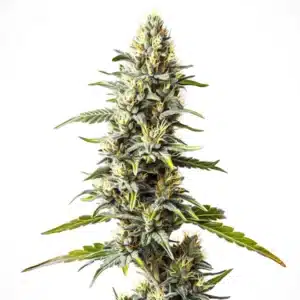
BC Diesel

|
THC | 18% - 20% (Medium) |

|
Type | Feminized |

|
Yield | High |

|
Phenotype | 35% Indica / 65% Sativa |

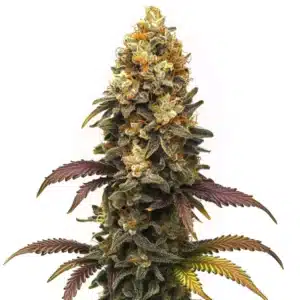
Bc God Bud Regular
|
|
THC | 21% - 23% (Medium) |
|
|
Type | Regular |
|
|
Yield | High |
|
|
Phenotype | 80% Indica / 20% Sativa |
Trichomes and Mold: Detailed Insights
What Are Trichomes?
Trichomes are the resinous glands found on cannabis flowers and leaves. They appear as tiny, mushroom-like structures and are responsible for producing cannabinoids such as THC and CBD. These compounds are crucial for the plant’s psychoactive and medicinal properties. Trichomes also contain terpenes, which contribute to the plant’s aroma and flavor profile.
Trichomes typically range from 10 to 100 micrometers in size. They can be seen with the naked eye but are best observed using a magnifying glass or microscope. Their translucent or milky appearance is a sign of maturity, indicating that the plant is ready for harvest. This is crucial for maximizing cannabinoid and terpene content.
What Is Mold on Cannabis?
Mold is a type of fungus that can develop on cannabis plants under certain conditions. It often appears as a fuzzy, cotton-like growth on the buds and leaves. Common types of mold include powdery mildew and botrytis, also known as bud rot. These molds thrive in environments with high humidity and poor air circulation.
Powdery mildew looks like a white, flour-like dust, while botrytis appears as a gray or brown fuzz. Mold can spread rapidly, especially in humid conditions above 65% relative humidity. It compromises the plant’s health and can lead to significant crop loss if not addressed promptly.
Promos & Deals
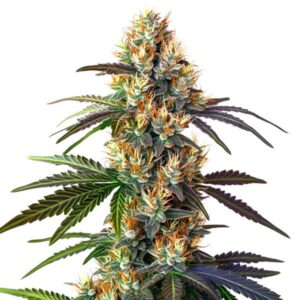
How to Identify Trichomes vs Mold
Visual Differences
Trichomes and mold can be distinguished by their appearance. Trichomes are tiny, crystal-like structures that give the plant a frosty look. They are translucent or milky white and have a defined structure. In contrast, mold appears as a fuzzy or cottony growth without a clear structure. It can be white, gray, brown, or black.
Using a magnifying glass or microscope, you can clearly see the difference. Trichomes resemble tiny mushrooms, while mold lacks this defined shape. Identifying these visual cues is crucial for preventing mold contamination and ensuring high-quality cannabis.
Tools for Identification
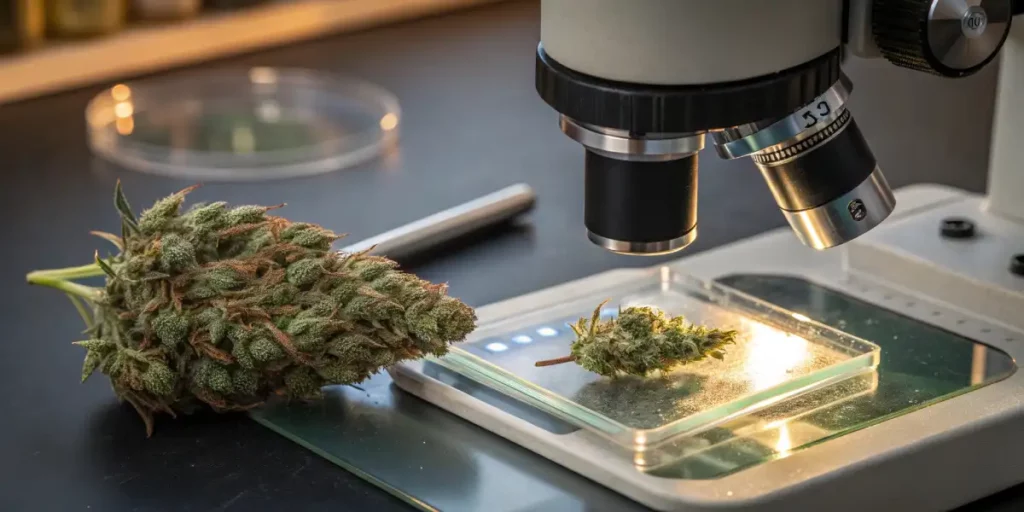
To accurately identify trichomes and mold, use tools like a magnifying glass or a digital microscope. These tools provide a close-up view of the plant’s surface, allowing you to distinguish between the two. A magnifying glass with at least 30x magnification is recommended for clear observation.
Digital microscopes offer even greater magnification, up to 1000x, and can connect to your computer or smartphone for detailed analysis. This technology helps in early detection of mold, preventing its spread and ensuring the health of your cannabis plants.
| Feature | Blue Dream | Grape Ape Auto | Critical Bilbo Fast Version |
|---|---|---|---|
| THC Content | 18-22% | 20-24% | 19-23% |
| Dominant Terpene | Myrcene | Limonene | Caryophyllene |
| Effects | Euphoric, Relaxing | Calming, Happy | Uplifting, Relaxing |
| Flowering Time | 9-10 weeks | 8-9 weeks | 7-8 weeks |
| Yield | 1.5-2 oz/ft² (450-600 g/m²) | 1.2-1.6 oz/ft² (350-500 g/m²) | 2-2.5 oz/ft² (600-700 g/m²) |
Health Implications of Moldy Weed vs Trichomes
Risks of Smoking Moldy Weed
Smoking moldy weed can lead to serious health issues, including respiratory infections and allergic reactions. Mold spores, when inhaled, can cause symptoms such as coughing, wheezing, and nasal congestion. In severe cases, it can lead to lung infections, particularly in individuals with compromised immune systems.
It’s crucial to avoid consuming moldy weed. If you suspect mold, discard the affected buds immediately. Prevention is key, so ensure your cannabis is stored in a cool, dry place with humidity levels between 58-62% to prevent mold growth.
Benefits of Trichomes
Trichomes are beneficial as they house the plant’s cannabinoids and terpenes, which are responsible for its therapeutic and psychoactive effects. High trichome density indicates potent cannabis, rich in THC and CBD. These compounds interact with the body’s endocannabinoid system, providing relief from pain, anxiety, and inflammation.
Trichomes also protect the plant from pests and UV rays. Their presence is a sign of high-quality cannabis, making them a desirable trait for growers and consumers alike.
Preventing Mold on Cannabis Plants
Environmental Controls
Maintaining optimal environmental conditions is crucial for preventing mold on cannabis plants. Ensure your grow area has proper ventilation and humidity control. Use fans and dehumidifiers to keep humidity levels between 40-50% during the flowering stage. This reduces the risk of mold formation.
Temperature control is also important. Keep temperatures between 68°F and 77°F (20°C – 25°C) to prevent mold growth. Monitoring these parameters with digital hygrometers and thermometers is essential for maintaining a healthy grow environment.
Mold-Resistant Strains
Choosing mold-resistant strains can significantly reduce the risk of mold in your grow. Strains like Critical Bilbo Fast Version and Blue Dream are known for their resilience against mold. These strains have been bred to thrive in humid conditions, making them ideal for growers in challenging climates.
Research and select strains that are well-suited to your growing environment. This proactive approach can save you time and resources in the long run.
Professional Tips for Cannabis Cultivation
- Maintain 58-62% RH during curing to preserve terpenes and prevent mold. Use a digital hygrometer for accuracy.
- Keep flowering temperatures between 68°F – 77°F (20°C – 25°C) to optimize trichome production. Avoid exceeding 80°F as it degrades terpenes.
- Choose mold-resistant strains like Critical Bilbo Fast Version to minimize mold risks in humid climates.
- Use a magnifying glass with at least 30x magnification to inspect trichomes and detect mold early.
- Implement a 12/12 light schedule during flowering to enhance trichome density and cannabinoid content.
- Monitor airflow in your grow area to reduce humidity and prevent mold. Use oscillating fans for even air distribution.
FAQs about Trichomes and Mold
How to tell the difference between trichomes and mold?
Trichomes are tiny, crystal-like structures that resemble mushrooms, while mold appears as fuzzy, cotton-like growth. Use a magnifying glass to observe these features. Trichomes are translucent or milky, indicating maturity, whereas mold lacks structure and can be white, gray, or brown. Regular inspection helps in early detection.
How do I tell if my bud has mold?
Inspect your buds for fuzzy, cotton-like growth, often gray or white. Mold emits a musty odor, unlike the fragrant aroma of healthy cannabis. Use a magnifying glass to confirm. If mold is present, discard the affected buds immediately to prevent health risks and contamination of other plants.
Can you smoke a bud that has mold on it?
Smoking moldy weed is unsafe and can lead to respiratory issues. Mold spores, when inhaled, cause coughing and allergic reactions. In severe cases, they can lead to lung infections. Always discard moldy buds to avoid health risks. Ensure proper storage conditions to prevent mold growth on your cannabis.
What is worse, mildew or mold?
Both mildew and mold pose risks to cannabis plants, but mold is more harmful. Mold can lead to significant crop loss and health issues if consumed. Mildew, while damaging, is easier to control. Maintain humidity levels below 50% to prevent both, and ensure proper ventilation in your grow area.
What are the benefits of trichomes on cannabis?
Trichomes house cannabinoids and terpenes, enhancing the plant’s potency and therapeutic effects. They protect against pests and UV rays, indicating high-quality cannabis. Trichomes contribute to the plant’s aroma and flavor, making them a desirable trait for both growers and consumers. High trichome density is a sign of potent cannabis.