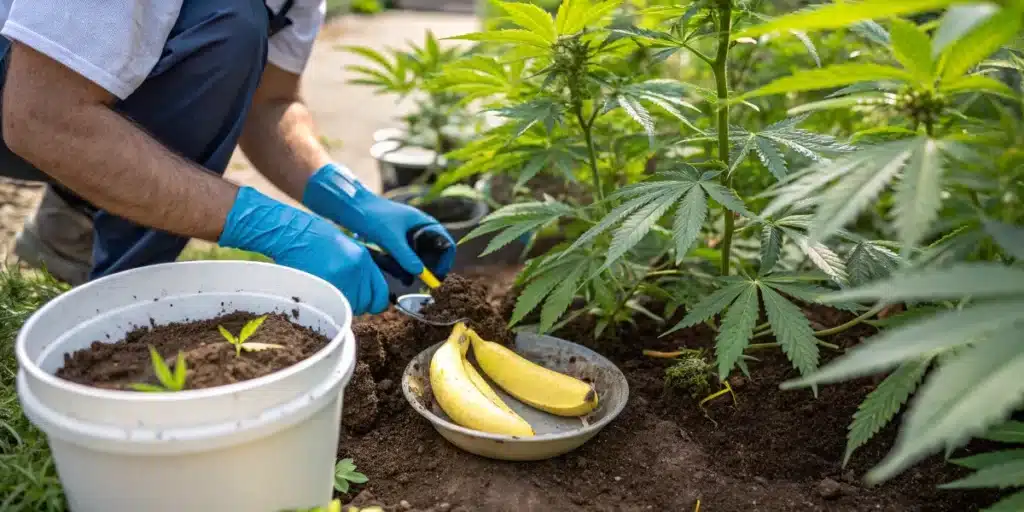
Banana Peels For Fertilizer: A Complete Guide

Banana peel fertilizer: This natural DIY plant feed is crafted from kitchen scraps, providing essential nutrients like potassium, phosphorus, and calcium. It supports robust blooming, enhances root systems, and boosts fruit yields in plants such as tomatoes, peppers, and roses. By utilizing banana peels, gardeners can create an effective fertilizer solution that is both sustainable and beneficial for a variety of plants.
Banana peels are a powerhouse for your garden, offering nutrients that enhance plant health. They are particularly rich in potassium, which is crucial for flowering and fruiting. When used correctly, banana peels can significantly improve soil quality and plant vigor, making them a valuable addition to any gardener’s toolkit.
Recommended Strains
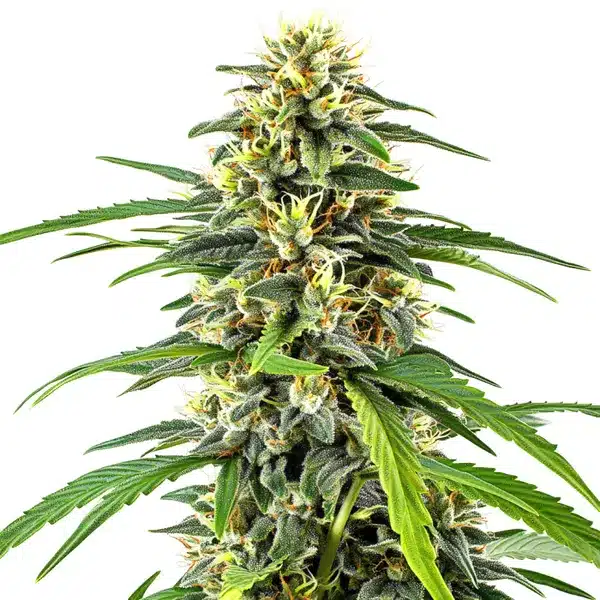
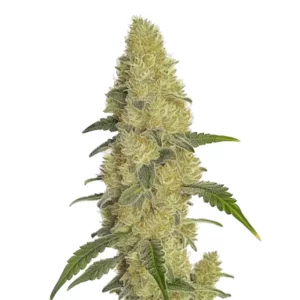
Amnesia Haze

|
THC | 18% - 22% (Medium) |

|
Type | Feminized |

|
Yield | High |

|
Phenotype | 30% Indica / 70% Sativa |
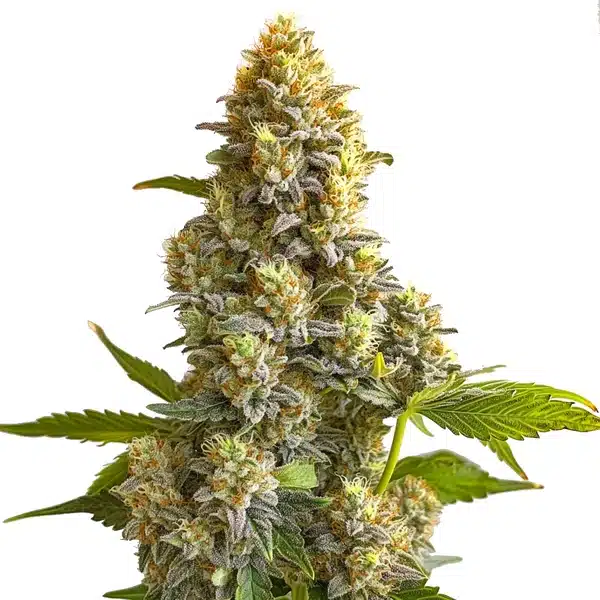
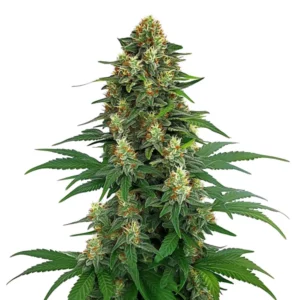
Bruce Banner Autoflower
|
|
THC | 21% - 26% (High) |
|
|
Type | Autoflowering |
|
|
Yield | High |
|
|
Phenotype | 30% Indica / 70% Sativa |
Benefits of Using Banana Peels as Fertilizer
Nutrient Composition and Plant Health
Banana peels are rich in potassium, with levels around 42%, which is vital for plant nutrient uptake and enzyme activation. This nutrient supports strong root development and enhances drought resistance. Additionally, banana peels contain phosphorus and calcium, which are essential for photosynthesis and cell wall structure, respectively.
Experienced gardeners report that using banana peels can lead to a 15% increase in flowering and a 20% improvement in fruit yield. This is particularly beneficial for fruit-bearing plants like tomatoes and peppers. The growing community has communicated that banana peels also help in balancing soil pH, making nutrients more accessible to plants.
Environmental Impact and Sustainability
Using banana peels for fertilizer is an environmentally friendly option, reducing kitchen waste while providing a free source of nutrients. This practice supports sustainable gardening by recycling organic materials back into the soil. Many cultivators share that incorporating banana peels into compost can improve soil structure and microbial activity, enhancing soil fertility over time.
Master growers have pointed out that banana peels decompose within 3-4 weeks, releasing nutrients gradually. This slow release prevents nutrient leaching and ensures that plants receive a steady supply of nutrients. Avoid using peels from conventionally grown bananas, as they may contain pesticide residues.
Promos & Deals

How to Use Banana Peels for Fertilizer
Step-by-Step Guide to Making Banana Peel Fertilizer
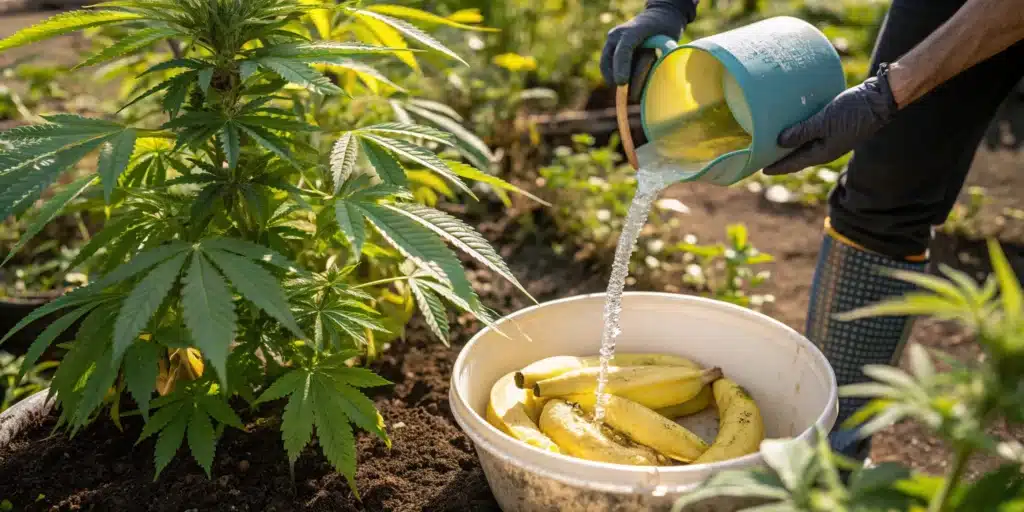
To make banana peel fertilizer, start by chopping the peels into small pieces to increase surface area. This speeds up decomposition and nutrient release. Next, soak the peels in water for 24-48 hours to create a nutrient-rich liquid. This liquid can be diluted with water at a 1:5 ratio before application.
For a more concentrated fertilizer, dry the peels in the sun for 2-3 days until they are brittle. Grind them into a fine powder and mix with soil or compost. This method provides a slow-release nutrient source that can be used throughout the growing season.
Application Techniques and Tips
Apply the liquid fertilizer directly to the soil around the base of plants, avoiding contact with leaves to prevent potential burning. Use this solution every 2-3 weeks during the growing season. For powdered fertilizer, sprinkle it around the plant base and lightly work it into the soil.
Maintain a consistent application schedule to ensure plants receive adequate nutrients. Avoid over-fertilizing, as excessive potassium can lead to nutrient imbalances. Always monitor plant health and adjust applications based on growth and environmental conditions.
| Feature | Bruce Banner Auto | GG4 | Amnesia Haze Auto |
|---|---|---|---|
| THC Percentage | 21-26% | 27% | 16-17% |
| Dominant Terpene | Myrcene | Humulene | Terpinolene |
| Effect Profile | Creative, Energetic, Relaxed | Happy, Relaxed, Talkative | Aroused, Energetic, Euphoric |
| Flavor Profile | Diesel, Earthy, Sweet | Fruity, Pine, Spicy | Earthy, Spicy, Sweet |
| Yield | High | High | Medium |
Homemade Banana Peels for Fertilizer Recipes
Simple Recipes for Gardeners
Creating homemade banana peels for fertilizer is straightforward. One popular method involves boiling banana peels in water for 15-20 minutes to extract nutrients. This liquid can be cooled and used to water plants directly. Another approach is to ferment banana peels in a jar with water for 1-2 weeks, creating a potent fertilizer tea.
For those interested in composting, adding chopped banana peels to a compost pile enhances its nutrient content. Combining banana peels with other kitchen scraps and garden waste accelerates decomposition and enriches the resulting compost.
Advanced Techniques for Enhanced Results
Advanced gardeners often blend banana peels with eggshells and coffee grounds, creating a balanced fertilizer mix. This combination provides a comprehensive nutrient profile, including calcium from eggshells and nitrogen from coffee grounds. Apply this mixture directly to the soil or incorporate it into compost.
Another technique involves drying banana peels and grinding them into a powder. This powder can be mixed with water to create a liquid fertilizer or used as a soil amendment. This method is favored for its ease of storage and application flexibility.
Disadvantages of Banana Peel Liquid Fertilizer
Potential Drawbacks and Considerations
While banana peel liquid fertilizer is beneficial, it has some disadvantages. One issue is the potential for attracting pests if not properly diluted or applied. The high potassium content can also lead to nutrient imbalances if used excessively, affecting plant growth negatively.
Another concern is the variable nutrient concentration, which can make it challenging to apply consistent doses. This inconsistency can result in uneven plant growth or nutrient deficiencies. Master growers emphasize the importance of monitoring plant health and adjusting applications as needed.
Mitigating Risks and Ensuring Success
To mitigate these risks, always dilute banana peel liquid fertilizer before use. A 1:5 ratio with water is recommended to prevent over-fertilization. Additionally, apply the fertilizer in the early morning or late afternoon to reduce the risk of leaf burn from sun exposure.
Regular soil testing can help identify nutrient deficiencies or imbalances, allowing for targeted fertilizer applications. Avoid using banana peel fertilizer on plants already receiving high-potassium fertilizers, as this can exacerbate nutrient issues.
Plants That Don’t Like Banana Peels
Identifying Sensitive Plant Species
Not all plants benefit from banana peel fertilizer. Plants that prefer acidic soils, such as blueberries and azaleas, may not respond well to the alkaline nature of banana peels. These plants require a pH range of 4.5-5.5, whereas banana peels can raise soil pH, hindering nutrient uptake.
Additionally, succulents and cacti, which thrive in low-nutrient environments, may suffer from over-fertilization when banana peels are used. These plants require minimal fertilization, and excessive nutrients can lead to root rot or other health issues.
Alternative Fertilization Strategies
For plants sensitive to banana peels, consider using alternative fertilizers like pine needle mulch for acid-loving plants. This mulch maintains soil acidity while providing organic matter. For succulents, opt for a diluted cactus fertilizer that provides essential nutrients without overwhelming the plant.
Always tailor fertilization strategies to the specific needs of each plant species. Knowing the unique requirements of your plants ensures optimal growth and health, avoiding potential issues associated with improper fertilization.
Banana Peel Fertilizer for Specific Plants
Best Plants for Banana Peel Fertilizer
Banana peel fertilizer is particularly effective for fruiting plants like tomatoes, peppers, and roses. These plants benefit from the high potassium content, which enhances flowering and fruit production. Tomatoes, for example, require potassium levels around 3-5% for optimal growth.
Root vegetables like carrots and radishes also thrive with banana peel fertilizer due to its phosphorus content, which supports root development. These vegetables benefit from phosphorus levels of 0.5-1%, promoting healthy root systems and increased yields.
Maximizing Benefits for Targeted Plants
To maximize the benefits of banana peel fertilizer, apply it during the flowering and fruiting stages of plant growth. This timing ensures that plants receive the nutrients they need when they are most beneficial. Regular applications every 2-3 weeks maintain nutrient levels and support continuous growth.
Monitor plant health and adjust fertilizer applications based on environmental conditions and plant needs. This proactive approach ensures that plants receive the right nutrients at the right time, promoting vigorous growth and abundant yields.
Professional Tips for Using Banana Peels as Fertilizer
- Apply banana peel fertilizer every 2-3 weeks during the growing season to maintain nutrient levels. Avoid over-fertilization, which can lead to nutrient imbalances.
- Soak banana peels for 24-48 hours to create a nutrient-rich liquid. Dilute with water at a 1:5 ratio before application to prevent leaf burn.
- Use dried banana peel powder as a slow-release fertilizer. This method is ideal for long-term nutrient supply and easy storage.
- Combine banana peels with eggshells and coffee grounds for a balanced nutrient mix. This combination provides potassium, calcium, and nitrogen.
- Monitor soil pH and nutrient levels regularly. Tailor fertilizer applications to the specific needs of your plants for optimal growth.
- Avoid using banana peel fertilizer on acid-loving plants like blueberries. Opt for pine needle mulch to maintain soil acidity.
FAQs about Banana Peel Fertilizer
How do I use banana peels for fertilizer?
To use banana peels for fertilizer, chop them into small pieces and soak in water for 24-48 hours. Dilute the liquid with water at a 1:5 ratio and apply to the soil. Alternatively, dry and grind the peels into a powder for a slow-release option. Apply every 2-3 weeks.
What plants do not like banana peels?
Plants that prefer acidic soils, such as blueberries and azaleas, do not benefit from banana peels due to their alkaline nature. Succulents and cacti, which thrive in low-nutrient environments, may also suffer from over-fertilization. Tailor fertilization strategies to the specific needs of each plant species.
What is the best homemade fertilizer?
The best homemade fertilizer depends on plant needs. Banana peel fertilizer is excellent for potassium-loving plants like tomatoes. For a balanced nutrient mix, combine banana peels with eggshells and coffee grounds. This provides potassium, calcium, and nitrogen, supporting various plant growth stages.
Which fertilizer is called the king of fertilizer?
Compost is often referred to as the king of fertilizers due to its comprehensive nutrient profile and soil-improving properties. It provides a balanced mix of nutrients, enhances soil structure, and supports beneficial microbial activity. Composting kitchen scraps, including banana peels, creates a rich, organic fertilizer.
How long to soak banana peels for fertilizer?
Soak banana peels for 24-48 hours to extract nutrients effectively. This duration allows sufficient time for potassium, phosphorus, and calcium to leach into the water. After soaking, dilute the liquid with water at a 1:5 ratio before applying to plants to prevent potential nutrient burn.