Best Fertilizer for Outdoor Cannabis Bloom

Optimal Fertilizer Ratios: Selecting the best fertilizer for outdoor cannabis bloom is vital for achieving robust yields and high-quality flowers. During this phase, plants need a balanced nutrient mix, typically a 1:2:2 ratio of nitrogen, phosphorus, and potassium. Maintaining a pH of 6.0-7.0 ensures efficient nutrient uptake, adapting fertilizers to soil type and climate conditions.
Enhancing terpene profiles and flowering time is crucial for outdoor cannabis cultivation. The bloom phase demands specific nutrients to maximize resin production and flower density. The role of terpenes, which can range from 0.5% to 2% in cannabis, helps in selecting fertilizers that boost both flavor and potency. Tailoring nutrient schedules to the plant’s flowering time, typically 8-10 weeks, can significantly impact the final yield.
Recommended Strains

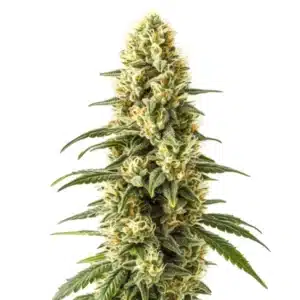
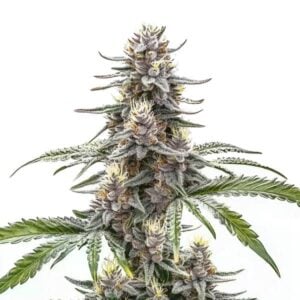
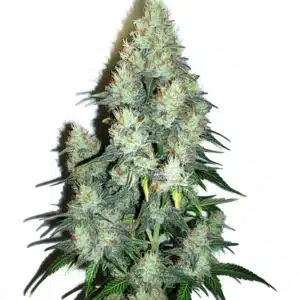
Kosher Kush

|
THC | 18% - 22% (Medium) |

|
Type | Feminized |

|
Yield | Medium |

|
Phenotype | 70% Indica / 30% Sativa |
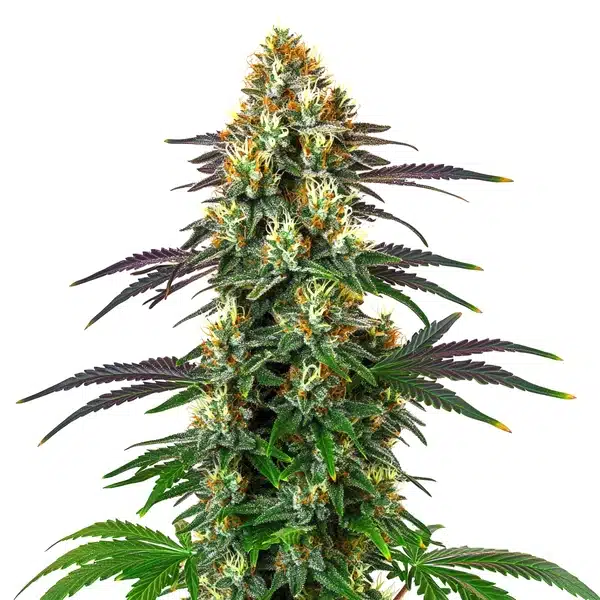
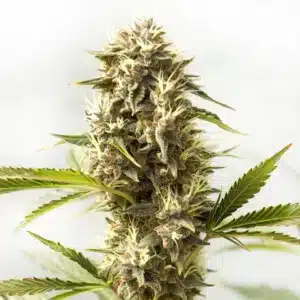
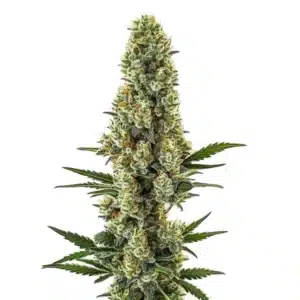
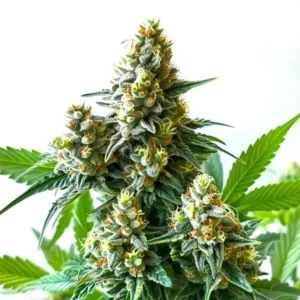
Gelato x Kosher Kush
|
|
THC | 22% - 24% (High) |
|
|
Type | Feminized |
|
|
Yield | High |
|
|
Phenotype | 65% Indica / 35% Sativa |
Importance of Fertilizers in Bloom Phase
Essential Nutrients for Flowering
During the bloom phase, phosphorus and potassium are critical for cannabis plants. Phosphorus aids in root development and flower formation, while potassium enhances plant health, increasing resistance to diseases and boosting terpene and cannabinoid production. Calcium and magnesium are also essential, strengthening cell walls and supporting chlorophyll production. A balanced fertilizer ensures these nutrients are available in optimal amounts.
Phosphorus and potassium should be in a 1:2:2 ratio for effective flowering. This balance supports the plant’s energy distribution toward bud development, resulting in dense, resinous flowers. Monitoring soil pH between 6.0-7.0 ensures these nutrients are absorbed efficiently, preventing deficiencies that can stunt growth.
Types of Fertilizers for Outdoor Bloom
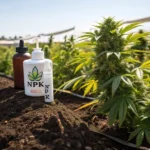
Fertilizers for outdoor cannabis bloom vary in composition and application. Organic fertilizers, such as those derived from compost or bat guano, provide slow-release nutrients and improve soil health. They are ideal for eco-conscious growers but may take longer to show results. In contrast, synthetic fertilizers deliver nutrients immediately, offering quick results but potentially impacting long-term soil health.
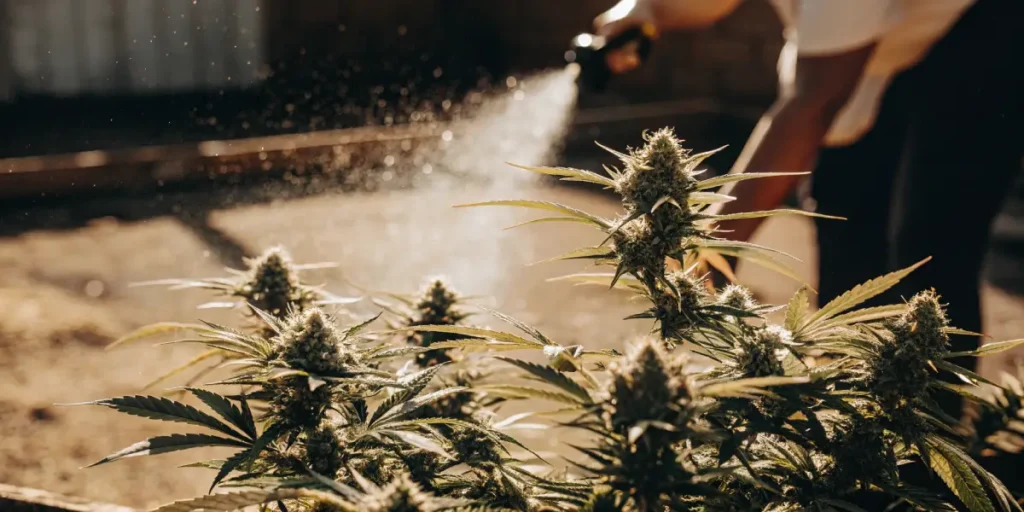
Liquid fertilizers are favored during the bloom phase for their quick absorption by plant roots. They can also be applied as foliar sprays, making nutrients directly available to flowers and leaves. Granular fertilizers, on the other hand, release nutrients slowly, providing a steady supply over time. This is beneficial for growers who can’t tend to their plants daily.
Promos & Deals
Deep Dive: Environmental Factors and Fertilization
Outdoor growing involves unique challenges, such as climate variability and soil composition. The best fertilizer for outdoor grow bloom must adapt to these conditions. For instance, in areas with high humidity, a more arid soil mix with high phosphorus content can prevent bud rot. Conversely, in dry climates, organic fertilizers that improve soil moisture retention are beneficial.
Temperature fluctuations also affect nutrient uptake. Daytime temperatures should ideally range between 20°C – 25°C (68°F – 77°F), with a night drop of 8°C – 11°C. These conditions optimize metabolic rates and nutrient absorption, ensuring that fertilizers deliver maximum benefits during the flowering stage.
| Feature / Merkmal | Cheese Auto | Runtz | Mamba Negra Fbv |
|---|---|---|---|
| THC Percentage | 15-18% | 19-23% | 18-22% |
| Dominant Terpene | Myrcene | Limonene | Caryophyllene |
| Flavor Profile | Earthy, Cheese | Sweet, Fruity | Spicy, Fruity |
| Yield | 1.2-1.5 oz/ft² (350-450 g/m²) | 1.5-1.8 oz/ft² (450-550 g/m²) | 1.4-1.6 oz/ft² (400-500 g/m²) |
| Flowering Time | 8-9 weeks | 8-9 weeks | 7-8 weeks |
Top Fertilizer Recommendations
High-Phosphorus and Potassium Products
High-phosphorus fertilizers are essential for stimulating flower growth and enhancing bud density. These fertilizers support the plant’s energy direction toward flowering, resulting in large, healthy flowers. Look for products labeled as “bloom boosters” or “high-phosphorus” for the best results during the bloom phase.
Potassium-rich fertilizers enhance flower quality and plant resilience. They improve flower strength, enhance terpene production, and help plants resist environmental stressors like pests or extreme weather. Using potassium-rich fertilizers ensures your plants produce aromatic, flavorful buds with structural integrity.
Factors Influencing Fertilizer Choice
Choosing the right fertilizer depends on several factors, including soil type and environmental conditions. Sandy soils may require fertilizers with more organic matter, while clay soils benefit from liquid or slow-release fertilizers. Weather conditions also play a role, as high rainfall can leach nutrients from the soil, requiring more frequent fertilization.
Adjusting fertilization based on soil type and climate ensures effective nutrient delivery and absorption. For instance, using slow-release fertilizers can help mitigate the effects of unpredictable weather, ensuring consistent plant health throughout the bloom phase.
Professional Tips for Outdoor Bloom Fertilization
- Use potassium-rich foliar sprays during late bloom to enhance bud development and resin production.
- Maintain a pH of 6.0-7.0 in your soil and water. This range ensures optimal nutrient absorption, preventing deficiencies that can stunt growth.
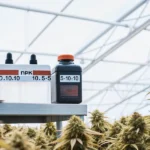
- Use a 1:2:2 NPK ratio for flowering. This balance supports bud development and maximizes flower density.
- Apply fertilizers every 1-2 weeks during the bloom phase. This schedule maintains consistent nutrient levels and supports robust flowering.
- Monitor for signs of overfeeding, such as burnt leaf tips. Adjust nutrient concentrations accordingly to prevent nutrient burn.
- Incorporate compost teas weekly to enhance soil health and boost flower production. These teas provide beneficial microbes that improve nutrient uptake.
FAQs About Fertilizers for Outdoor Bloom Phase
Which fertilizer is best for flowering plants outdoor?
The best fertilizer for outdoor flowering plants is one with a high phosphorus and potassium content, typically in a 1:2:2 NPK ratio. This promotes bud development and flower density. Ensure your soil pH is between 6.0-7.0 for optimal nutrient absorption, crucial for healthy blooms.
What is the best fertilizer for promoting blooms?
High-phosphorus fertilizers are ideal for promoting blooms. They direct the plant’s energy towards flower growth, resulting in larger, denser buds. Look for products labeled as “bloom boosters” for the best results, and maintain a pH of 6.0-7.0 for effective nutrient uptake.
What nutrients make buds bigger?
Phosphorus and potassium are key nutrients for increasing bud size. Phosphorus supports flower formation, while potassium enhances plant metabolism and resilience. A balanced nutrient regimen with these elements ensures robust bud development, yielding larger and more potent flowers.
What to feed plants during flowering?
During flowering, feed plants a nutrient mix high in phosphorus and potassium, with a 1:2:2 NPK ratio. This supports bud development and flower density. Incorporate micronutrients like calcium and magnesium to strengthen cell walls and enhance chlorophyll production.
How often should I fertilize during bloom?
Fertilize every 1-2 weeks during the bloom phase to maintain consistent nutrient levels. Adjust frequency based on environmental conditions and plant response. Monitor for signs of nutrient deficiencies or excesses to ensure optimal plant health and flower production.