B-Caryophyllene Terpene: Benefits & Sources

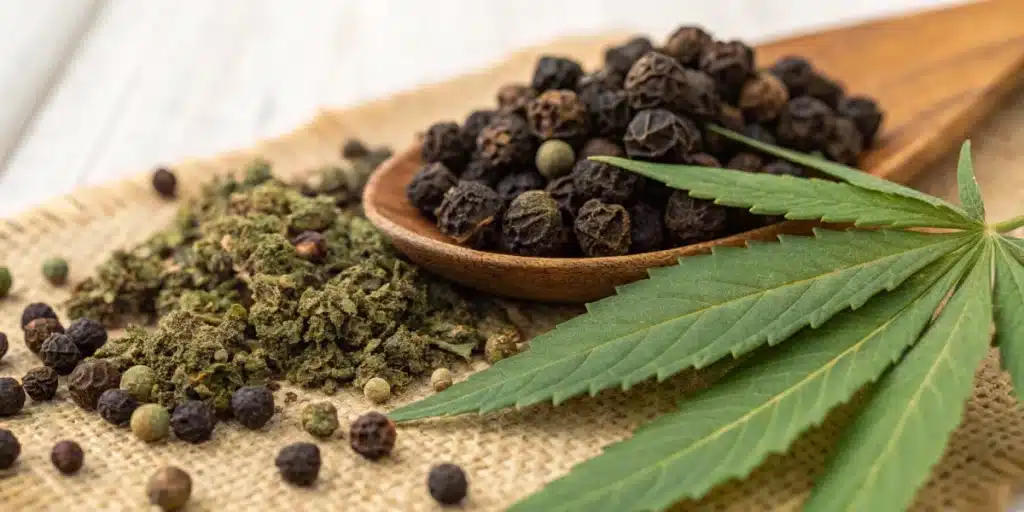
Beta-caryophyllene (BCP): This spicy-scented terpene, found in black pepper, cloves, and cannabis, uniquely binds to CB2 receptors, acting as a dietary cannabinoid. It provides anti-inflammatory, antioxidant, and pain-relieving benefits without psychoactive effects. BCP is notable for its ability to manage inflammation and pain, making it a valuable component in therapeutic applications. Its non-psychoactive nature enhances its appeal for medicinal use.
B-Caryophyllene, a distinctive terpene in cannabis, is renowned for its unique interaction with the body’s endocannabinoid system. Unlike many terpenes, it selectively binds to CB2 receptors, offering therapeutic benefits without psychoactivity. Found in various herbs and spices, this terpene is a key player in the entourage effect, enhancing the medicinal properties of cannabis strains.
Recommended Strains
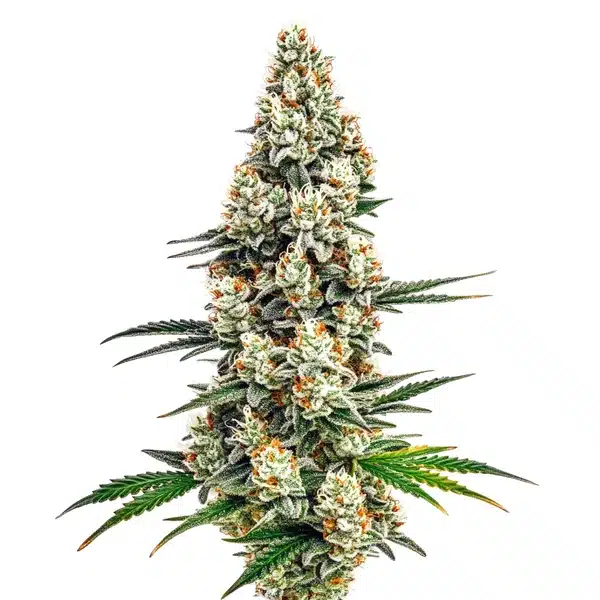
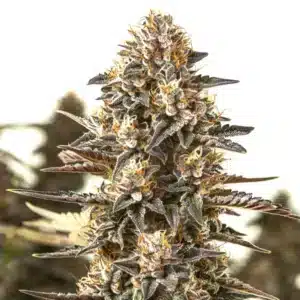
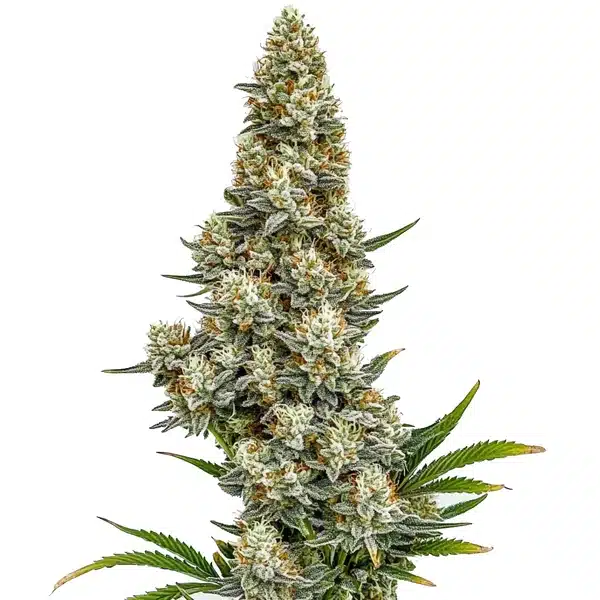
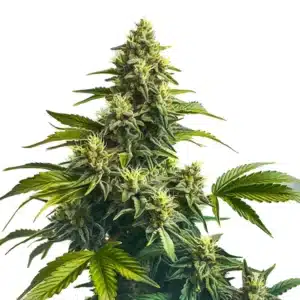
Stardawg

|
THC | 17% - 25% (High) |

|
Type | Feminized |

|
Yield | Low |

|
Phenotype | 45% Indica / 55% Sativa |
Stardawg Auto
|
|
THC | 18% - 22% (Medium) |
|
|
Type | Autoflowering |
|
|
Yield | High |
|
|
Phenotype | 55% Indica / 45% Sativa |
What is B-Caryophyllene?
Chemical Structure and Properties
B-caryophyllene features a distinctive bicyclic structure, consisting of 15 carbon and 24 hydrogen atoms. This configuration forms a rigid ring system, contributing to its stability at room temperature. The presence of olefinic bonds enables interactions with other biochemicals, confirmed through spectrometry and chromatography. Its sesquiterpene classification marks it as heavier than monoterpenes, affecting volatility and persistence in formulations.
The molecular weight of b-caryophyllene ensures it remains stable during extractions and in fragrances, enduring longer than lighter terpenes. This stability under heat supports its use in distillation and storage processes. As a sesquiterpene, it retains aromatic integrity, making it a preferred choice for products requiring a lasting scent.
Practical Application & Impact
In practical applications, b-caryophyllene’s chemical structure allows it to be a staple in creating long-lasting aromas in perfumes and essential oils. Its ability to maintain integrity during processing makes it ideal for therapeutic formulations. This terpene’s interaction with CB2 receptors enhances its role in non-intoxicating therapeutic agents.
Expert Tip: When formulating with b-caryophyllene, ensure the extraction process maintains temperatures below 212°F (100°C) to preserve its chemical stability and aromatic properties.
Promos & Deals
Sources of B-Caryophyllene
Natural Sources in Herbs and Spices
B-caryophyllene is abundant in black pepper, cloves, and cannabis, with concentrations varying by strain and cultivation conditions. Oregano and rosemary also contain notable amounts. Producers often use steam distillation or solvent extraction to concentrate this terpene from fresh plant material, optimizing yield and sensory quality.
To maximize b-caryophyllene content, growers harvest plants at peak terpene levels, often influenced by environmental factors like humidity and light. This careful timing ensures the highest possible concentration in the final product, enhancing both flavor and therapeutic potential.
Extraction Techniques
Steam distillation is a preferred method for extracting b-caryophyllene, as it preserves the terpene’s aromatic integrity by avoiding high temperatures. This method involves passing steam through plant material, vaporizing the oil, which is then condensed and separated. CO₂ extraction is another technique, providing solvent-free distillates by using supercritical CO₂ to dissolve oil compounds.
Expert Tip: When using CO₂ extraction, adjust pressure and temperature to target specific terpene profiles, ensuring a broad spectrum of compounds is captured for therapeutic use.
| Feature / Merkmal | Bruce Banner X Mochalope | GG4 X Z OG | Gold Leaf |
|---|---|---|---|
| THC Content | 24-28% | 22-26% | 21-25% |
| Dominant Terpene | Caryophyllene | Myrcene | Limonene |
| Flavor Profile | Spicy, Earthy | Fruity, Sweet | Citrus, Pine |
| Effect Profile | Relaxing, Euphoric | Uplifting, Calming | Energetic, Creative |
| Recommended Use | Evening | Afternoon | Morning |
Benefits of B-Caryophyllene
Anti-inflammatory and Pain Relief
B-caryophyllene’s ability to bind to CB2 receptors allows it to modulate inflammation and pain without psychoactive effects. Studies indicate that it reduces cytokine production, decreasing inflammation markers like interleukin. This makes it effective in managing conditions like arthritis and inflammatory bowel disease, where reduced swelling and pain are critical.
Its anti-inflammatory properties are supported by animal studies showing decreased edema and leukocyte infiltration. These findings suggest potential applications in human therapies, particularly for chronic inflammatory conditions. B-caryophyllene’s non-psychoactive nature further enhances its suitability for therapeutic use.
Gastrointestinal Health
B-caryophyllene supports gastrointestinal health by interacting with gut receptors, reducing inflammation, and regulating motility. Patients with irritable bowel syndrome report improved bowel function and reduced discomfort. Its ability to balance gut microbiota and promote mucosal healing is under investigation, with promising results in ulcer prevention.
Expert Tip: For digestive health, consider incorporating b-caryophyllene-rich foods or supplements into your diet. Start with low doses to assess tolerance and gradually increase as needed for optimal gut support.
Additional Health Benefits
Beyond its known effects, b-caryophyllene exhibits potential in neuroprotective roles. Research indicates that it may help in reducing neuronal inflammation, contributing to brain health. This aspect is particularly relevant for conditions like Alzheimer’s disease, where inflammation plays a critical role. The beta-caryophyllene terpene benefits extend to cardiovascular health, where its anti-inflammatory properties may reduce the risk of atherosclerosis.
Moreover, b-caryophyllene’s antioxidant properties combat oxidative stress, a factor in aging and chronic diseases. By neutralizing free radicals, it supports cellular health and longevity. These caryophyllene benefits, combined with its safety profile, make it a promising candidate for various therapeutic applications.
Professional Tips
- Maintain 58-62% RH during storage to preserve b-caryophyllene’s aromatic properties. Below 55% can lead to terpene degradation, while above 65% risks mold growth.
- Use CO₂ extraction at pressures of 1,000-1,500 psi to capture a broad spectrum of terpenes, ensuring high purity and consistency.
- For topical applications, blend b-caryophyllene with carrier oils like jojoba to enhance absorption and therapeutic effects.
- When formulating edibles, keep temperatures below 212°F (100°C) to prevent terpene loss during cooking.
- Monitor terpene levels in cannabis strains using gas chromatography to ensure optimal therapeutic profiles.
- For stress relief, combine b-caryophyllene with linalool in aromatherapy blends to enhance calming effects.
FAQs about B-Caryophyllene Terpene
What are the effects of beta-caryophyllene terpenes?
Beta-caryophyllene terpenes are known for their anti-inflammatory and pain-relieving effects. They bind to CB2 receptors, reducing inflammation without psychoactive effects. Studies show significant reductions in cytokine production, making them effective for conditions like arthritis. With no psychoactivity, they are ideal for therapeutic use, offering relief with minimal side effects.
Can I use b-caryophyllene in edibles?
Yes, b-caryophyllene can be used in edibles to enhance flavor and provide therapeutic benefits. It is heat-stable, making it suitable for cooking at temperatures below 212°F (100°C). Ensure proper dosage to maintain its anti-inflammatory and pain-relieving properties while enjoying its spicy, woody flavor in culinary creations.