Essential Soil Testing for Heavy Metals Before Planting Cannabis

Before planting cannabis, ensuring the soil is free from harmful substances is crucial. Heavy metals in soil can affect the growth and quality of cannabis plants. Soil testing for heavy metals before planting cannabis helps identify potential risks and allows you to take corrective actions.
Heavy metal soil testing for marijuana growth is vital for both first-time growers and seasoned cultivators. Even experienced growers can encounter soil issues, especially when starting a new plot. Effective testing ensures your plants thrive and produce safe, high-quality cannabis.
Recommended Strains


Conducting a cannabis soil heavy metal screening process involves collecting soil samples and analyzing them in a lab. This process helps detect metals like lead, cadmium, and mercury, which can be detrimental to both plants and consumers.
Why Heavy Metal Testing is Crucial
Testing soil for toxic metals before cannabis planting ensures your crop’s safety. Heavy metals can accumulate in plants, making their way into the final product. Consuming contaminated cannabis can pose serious health risks to users.
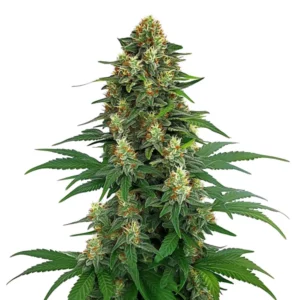
Pre-planting soil analysis for cannabis farming helps in identifying and mitigating these risks. By knowing the specific contaminants present in your soil, you can take steps to remediate or avoid using affected areas. This is particularly important when cultivating strains like Skywalker from Blimburn Seeds, known for its potent effects.
Heavy metals in the soil can also impact plant growth by interfering with nutrient absorption. This obstruction can lead to stunted growth and reduced yields, making the soil testing for heavy metals before planting cannabis an essential step. By addressing these issues upfront, growers can optimize their cultivation practices.
Furthermore, soil contamination analysis for cannabis cultivation provides valuable insights that help in planning long-term cultivation strategies. This analysis not only identifies current issues but also aids in predicting potential future problems. With this information, growers can make informed decisions about crop rotation and soil management.
Promos & Deals



How to Conduct Soil Testing for Heavy Metals
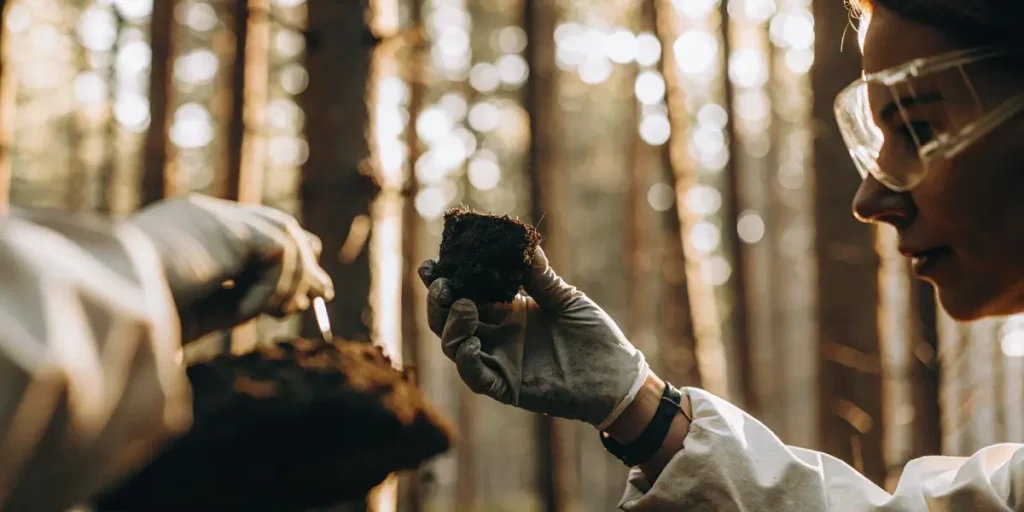
The cannabis soil heavy metal screening process begins with collecting soil samples. Use a clean tool to collect multiple samples from different areas of your plot. This helps ensure a comprehensive analysis.
Once collected, send these samples to a certified laboratory specializing in soil contamination analysis for cannabis cultivation. Labs use advanced techniques to detect metals and provide a detailed report of their findings. This report will guide you on the next steps.
Besides to lab analysis, some growers opt for on-site testing kits as a preliminary measure. These kits can offer immediate insights but should be followed by professional lab testing for accurate results. Combining both methods ensures a thorough knowing of your soil’s condition.
After receiving the lab report, it is crucial to engage with experts who can help interpret the findings. Their expertise will be invaluable in deciding on the best course of action, particularly if heavy metal concentrations exceed safe limits. This guidance ensures effective remediation and safe planting conditions.
Knowing Soil Test Results
Interpreting the results of heavy metal soil testing for marijuana growth can be daunting. Labs provide a breakdown of metal concentrations in parts per million (ppm). Compare these numbers against acceptable limits to assess the safety of your soil.
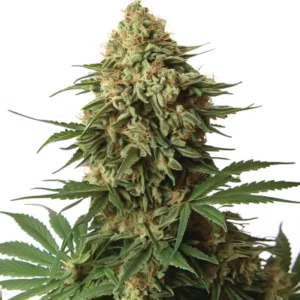
For example, if lead levels are above the safe threshold, you might need to replace or treat the soil. Strains like Vice City from Blimburn Seeds thrive in well-maintained soil, making remediation essential if contaminants are present.
Knowing the implications of your soil test results is vital for making informed decisions. The report not only indicates the levels of metals present but also provides context based on regional environmental standards. This comprehensive view helps growers align their practices with local regulations.
In some cases, additional testing may be necessary to determine the source of contamination. Identifying whether metals are from past agricultural practices or nearby industrial activities can influence remediation strategies. This information is crucial for preventing future contamination and ensuring sustainable cultivation.
Preventing Future Soil Contamination
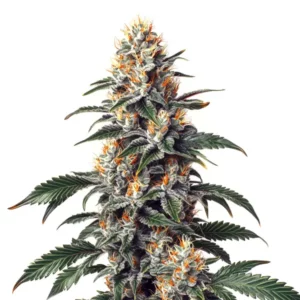
Once you’ve identified and addressed existing issues, focus on preventing future contamination. Regular soil testing can help monitor metal levels and detect changes over time. This is crucial for maintaining a safe growing environment for strains like Tangie from Blimburn Seeds.
Implementing best practices in soil management can also reduce contamination risks. These include using clean water sources, applying fertilizers judiciously, and rotating crops to prevent soil degradation. Such practices help maintain a balanced ecosystem.
Using organic fertilizers and amendments can further enhance soil health. These materials improve soil structure and promote beneficial microbial activity, which can naturally mitigate heavy metal presence. Such practices, when combined with regular testing, create a sustainable growing environment.
Furthermore, maintaining detailed records of soil test results and cultivation practices can provide valuable insights over time. This documentation helps identify trends and informs future decisions, ensuring that your cannabis cultivation remains safe and productive.

FAQs about soil testing for heavy metals before planting cannabis
What are the common heavy metals found in soil?
Common heavy metals found in soil include lead, cadmium, mercury, and arsenic. These metals can originate from natural sources, industrial activities, or agricultural practices. It’s essential to identify their presence before planting cannabis to prevent uptake by plants.
Regular soil testing for heavy metals before planting cannabis is recommended. This will help identify any potential risks and allow you to take steps to mitigate them. By doing so, you can ensure the safety and quality of your cannabis crop.
Knowing the origins of these heavy metals can also aid in developing targeted remediation strategies. For instance, if industrial runoff is a known issue in your area, implementing physical barriers or choosing alternative water sources may be necessary.
Moreover, educating yourself about the environmental history of your cultivation site can provide additional context when interpreting soil test results. This knowledge can guide your approach to soil management and contamination prevention.
How often should I test my soil for heavy metals?
Testing frequency depends on several factors, including your soil’s history and surrounding environmental conditions. For new plots, it’s advisable to conduct a pre-planting soil analysis for cannabis farming each season.
Ongoing monitoring is recommended for established plots, especially if you notice changes in plant health or growth patterns. Regular testing ensures that any new contamination is quickly identified and addressed.
Seasonal changes and weather patterns can also influence soil conditions. Heavy rainfall, for example, can lead to increased runoff, potentially introducing new contaminants. Regular testing helps account for these variables and maintain optimal soil health.
Additionally, consider testing after major landscape changes, such as construction or nearby agricultural activity. These events can alter soil composition and necessitate adjustments in your cultivation practices.
Can I remediate soil contaminated with heavy metals?
Soil remediation is possible, though it can be complex and time-consuming. Techniques like soil replacement, phytoremediation, or adding amendments can reduce metal concentrations. Consulting with experts can provide tailored solutions based on your specific situation.
It’s vital to address contamination before planting premium strains like Bruce Banner from Blimburn Seeds. Ensuring a clean growing environment helps maximize the quality and yield of your cannabis plants.
Bioremediation techniques, which utilize plants or microorganisms to detoxify the soil, are gaining popularity as sustainable options. These methods can be part of an integrated approach to soil health, complementing traditional remediation strategies.
However, it’s important to note that remediation effectiveness can vary based on soil type and contamination level. Thorough research and expert consultation are essential to choosing the most effective remediation plan for your specific circumstances.
What should I do if my soil test shows high levels of heavy metals?
If your test results indicate contamination, consider remediation options or choose alternative growing locations. Consulting with agricultural experts can provide guidance on the best course of action.
In some cases, it might be necessary to avoid using the contaminated area altogether. Choosing a new site ensures your cannabis plants, such as Vice City from Blimburn Seeds, are not exposed to harmful substances.
Additionally, implementing protective measures like raised beds or container gardening can offer immediate solutions while addressing soil contamination. These methods help isolate plants from contaminated soil, allowing cultivation to continue in a controlled environment.
Moreover, continuous monitoring and follow-up testing are crucial to assessing the success of any remediation efforts. This ongoing evaluation ensures that your growing environment remains safe and productive over the long term.
Are there any legal requirements for soil testing in cannabis cultivation?
Legal requirements for soil testing vary by region and depend on local regulations. Some areas mandate soil testing for heavy metals before planting cannabis as part of licensing and compliance processes.
It’s essential to familiarize yourself with local laws and guidelines to ensure your cultivation practices meet all necessary standards. Doing so not only ensures compliance but also helps produce safe, high-quality cannabis.
Besides to meeting legal requirements, adhering to industry best practices can enhance your reputation as a responsible grower. This commitment to quality and safety can differentiate your products in a competitive market.
Furthermore, staying informed about regulatory changes is crucial for maintaining compliance. Regularly reviewing updates from agricultural and environmental agencies ensures that your practices align with current standards.