Best Terpenes for Pain and Inflammation: What Research Suggests

Quick answer: The terpenes most often studied for pain and inflammation are beta-caryophyllene, myrcene, humulene, linalool and pinene. Early research suggests some may have anti-inflammatory or soothing properties, often working alongside cannabinoids (the ‘entourage effect’). Evidence is still preliminary, so terpenes are not a proven treatment. If you are managing pain or arthritis, talk to a healthcare professional.
Terpenes are the aromatic compounds that give cannabis and many plants their scent, and they have drawn growing interest for more than just smell. Some early research suggests certain terpenes may have anti-inflammatory or pain-modulating properties, which is why people exploring natural approaches to discomfort, including arthritis, often ask which terpenes to look for.
Recommended Strains

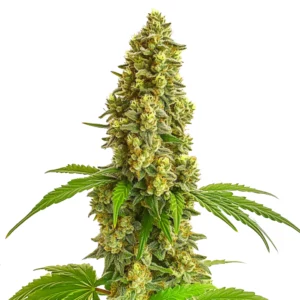
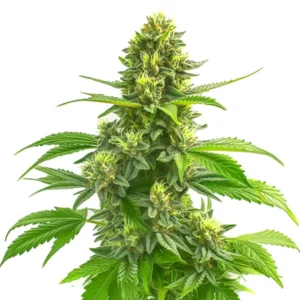
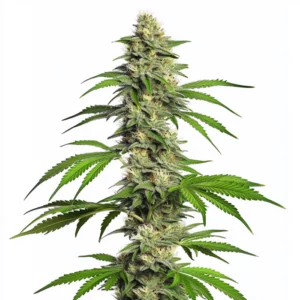
Super Lemon Haze

|
THC | 19% (Medium) |

|
Type | Feminized |

|
Yield | High |

|
Phenotype | 20% Indica / 80% Sativa |

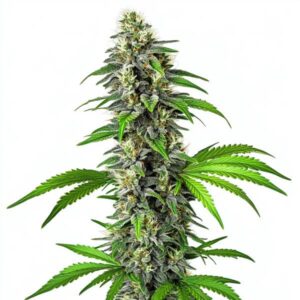
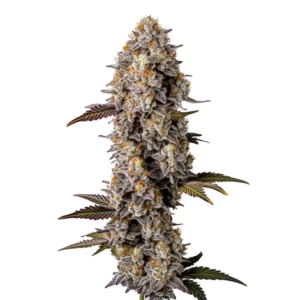
Lemon Cherry Runtz
|
|
THC | 20% - 23% (Medium) |
|
|
Type | Feminized |
|
|
Yield | High |
|
|
Phenotype | 60% Indica / 40% Sativa |
It is important to be realistic: most of this evidence comes from laboratory and animal studies, not large human trials, so terpenes should be seen as a promising area of study rather than a proven remedy. This article explains which terpenes are most discussed for pain and inflammation and what the research hints at, but it is not medical advice, and anyone with a health condition should speak to a doctor.
| Terpene | Common sources | What early research suggests* |
|---|---|---|
| Beta-caryophyllene | Black pepper, cloves, many cannabis strains | May have anti-inflammatory activity via the CB2 receptor |
| Myrcene | Mango, hops, lemongrass | Studied for possible relaxing and anti-inflammatory effects |
| Humulene | Hops, cloves, basil | Investigated for potential anti-inflammatory properties |
| Linalool | Lavender | Looked at for possible soothing, calming effects |
| Pinene | Pine needles, rosemary | Studied for possible anti-inflammatory activity |
How Terpenes May Affect Pain and Inflammation
Terpenes are thought to interact with the body in several ways. Beta-caryophyllene is unusual because it can bind to the CB2 receptor, part of the endocannabinoid system involved in immune response and inflammation, which is why it is one of the most studied terpenes for anti-inflammatory potential. Others, like myrcene and humulene, have shown anti-inflammatory activity in preliminary studies.
Many researchers also point to the ‘entourage effect’, the idea that terpenes and cannabinoids such as THC and CBD may work better together than alone. This remains a working theory rather than settled science. The takeaway is that terpenes may contribute to how cannabis affects pain, but the strength and reliability of that effect in humans is still being investigated.
Promos & Deals


Terpenes Most Studied for Pain
Beta-caryophyllene is the headline terpene here, found in black pepper and cloves as well as cannabis, and studied for anti-inflammatory activity through the CB2 receptor. Myrcene, common in mango and hops, is associated with relaxing effects and has been looked at for inflammation, while humulene (also in hops and cloves) is another frequently cited anti-inflammatory candidate.
Linalool, the lavender terpene, is studied more for calming and soothing effects that may help with the stress side of chronic pain, and pinene, from pine and rosemary, has been investigated for anti-inflammatory properties too. For a deeper look at the standout one, see our guide to beta-caryophyllene, and for the bigger picture, our guide to cannabis terpenes.
Terpenes vs Choosing a Strain
Knowing which terpenes are studied for pain is only half the picture; in practice you experience them through whole cannabis, where terpenes, THC and CBD act together. So if your goal is managing a condition like arthritis, choosing a suitable strain and format matters as much as any single terpene. For strain selection, see our guide on cannabis strains for rheumatoid arthritis, and on matching terpenes to goals, choosing terpenes for pain relief.
Above all, treat this as background information, not a treatment plan. Cannabis affects everyone differently, can interact with medications, and is not legal everywhere. If you are considering cannabis or terpenes for pain, arthritis or inflammation, discuss it with a healthcare professional who knows your history.
How to Use Terpenes Sensibly
If you want to explore terpenes for comfort, the practical route is through whole cannabis or terpene-rich products rather than isolated chemicals. Looking at a strain’s terpene profile (often on lab certificates) can help you choose one richer in caryophyllene or myrcene, for example. Start low and go slow, note how you respond, and remember that set, dose and format all shape the experience far more than one terpene alone.
Just as important is what terpenes are not: a replacement for medical care. If you live with arthritis, chronic pain or inflammation, terpenes and cannabis may be part of a conversation with your doctor, not a substitute for proven treatment. Cannabis can interact with medications and is not legal everywhere, so professional, personalized advice matters. Treat the research here as a starting point for that conversation.

FAQs about best terpenes for pain
What are the best terpenes for pain?
Beta-caryophyllene, myrcene, humulene, linalool and pinene are the terpenes most often studied in connection with pain and inflammation. Early research suggests some may have anti-inflammatory or soothing properties, frequently alongside cannabinoids. The evidence is still preliminary, so they are not a proven treatment; speak to a doctor about managing pain.
Which terpenes are good for arthritis?
Beta-caryophyllene is the most discussed for arthritis because it may act on the CB2 receptor involved in inflammation, with myrcene and humulene also studied. Research is preliminary and based mostly on lab and animal work, so results in people are uncertain. Anyone with arthritis should consult a healthcare professional before using cannabis or terpenes.
Do terpenes really help with inflammation?
Some terpenes show anti-inflammatory activity in early laboratory and animal studies, and many researchers believe they may contribute to cannabis’s effects through the entourage effect. However, high-quality human evidence is still limited, so terpenes should be seen as a promising area of research rather than a guaranteed anti-inflammatory. This is general information, not medical advice.
Can terpenes replace pain medication?
No. Terpenes are a promising but preliminary area of research, not a proven treatment, and they should not replace prescribed pain medication. Some people explore them as a complement to medical care, but cannabis and terpenes can interact with other drugs and affect people differently. Always talk to a healthcare professional before changing how you manage pain.
How do terpenes affect cannabis effects?
Terpenes modulate the effects of cannabis by interacting with cannabinoids and influencing the entourage effect. For instance, limonene can enhance mood, while linalool may promote relaxation. These compounds can alter the overall experience, providing tailored effects based on terpene profiles.