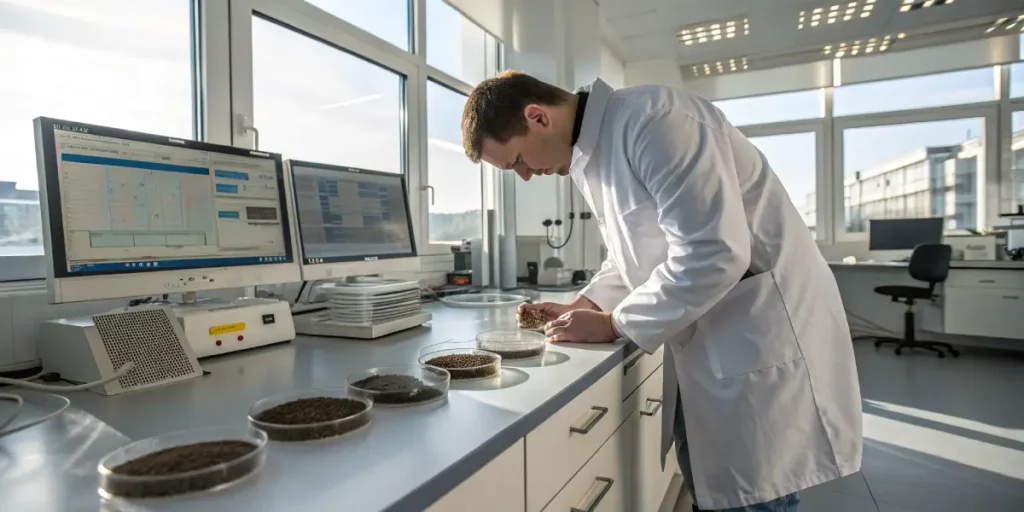
Essential Guide: Proven Fertilizer and Amendment Testing for Heavy Metals

When it comes to growing cannabis, ensuring your plants are healthy is key. One crucial aspect is fertilizer and amendment testing for heavy metals. Heavy metals, like lead and cadmium, can sneak into your soil through fertilizers and amendments. This is especially concerning for first-time cannabis seed buyers and experienced growers alike. Testing is the way to keep your plants and soil in tip-top shape.
Why is this important? Heavy metal contamination in fertilizers can harm your plants and, eventually, anyone consuming them. By using fertilizer and amendment testing for heavy metals, you can avoid these risks. It’s a small step with a big impact on the quality of your harvest.
Recommended Strains

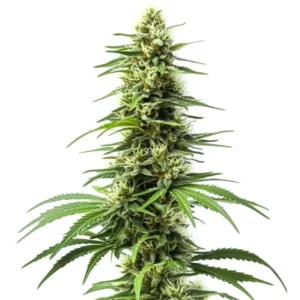
Blue Zushi

|
THC | 25% - 30% (High) |

|
Type | Feminized |

|
Yield | High |

|
Phenotype | 60% Indica / 40% Sativa |

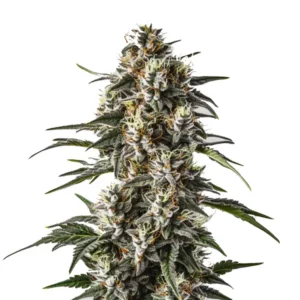
Sour Cookies
|
|
THC | 15% - 20% (Medium) |
|
|
Type | Feminized |
|
|
Yield | Medium |
|
|
Phenotype | 45% Indica / 55% Sativa |
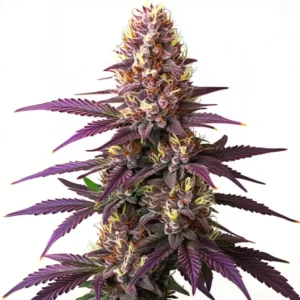
For example, consider growing strains like Blue Zushi from Blimburn Seeds. Ensuring your soil is free from heavy metals will help this strain thrive, leading to a better yield. Testing isn’t just a precaution; it’s an investment in your cannabis growing success.
Recognizing the Need for Testing
Many growers wonder why testing fertilizer for heavy metal content is necessary. The truth is, even organic fertilizers can contain unwanted metals. That’s why organic fertilizer heavy metal testing is crucial. You might think natural products are safe, but testing keeps you informed.
Heavy metal contamination in fertilizers can be subtle yet significant, impacting not just the plants but the soil ecosystem as a whole. Regular testing helps identify any potential threats early on, allowing growers to take corrective actions before these elements accumulate to harmful levels. This proactive approach is essential for maintaining a sustainable and productive growing environment.
Soil amendment heavy metal analysis is another important step. Amendments, like compost or manure, enrich your soil, but they can also introduce heavy metals. By testing, you ensure that you’re enhancing your soil without adding harmful elements.
Knowing the origins of your amendments is crucial. Many amendments, even those labeled as organic, might have been sourced from areas with high heavy metal content. By conducting soil amendment heavy metal analysis, you can verify their purity. This not only protects your plants but also ensures that the final product is safe for consumption, maintaining the integrity of your crop.
Promos & Deals



Methods of Testing and Their Importance
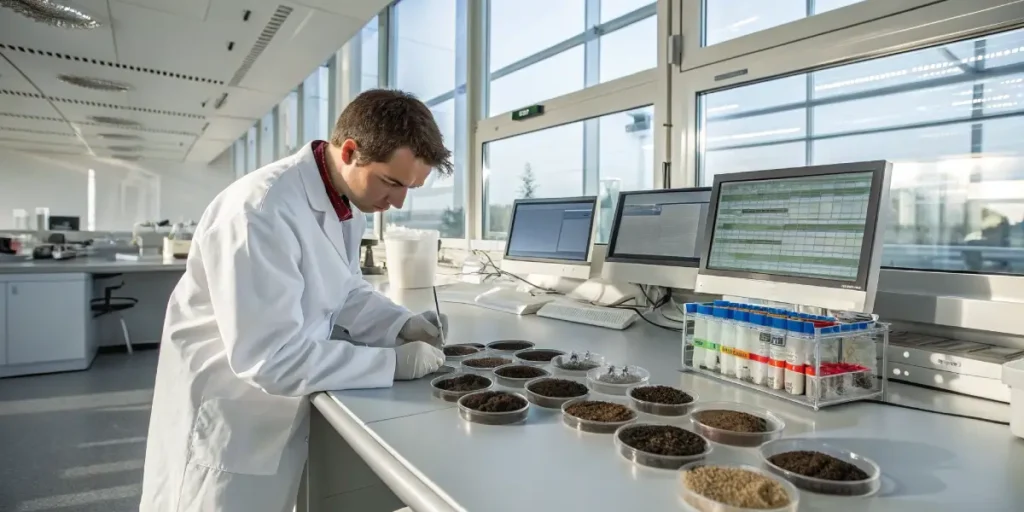
There are various methods to conduct fertilizer and amendment testing for heavy metals. Laboratory testing is the most accurate. It involves sending samples to a lab where experts analyze the heavy metal content. Though it might seem complex, it’s the most reliable way to know what’s in your soil.
Lab testing provides detailed insights into the precise levels of contaminants present. This can be crucial when dealing with specific strains from Blimburn Seeds that may be more sensitive to such elements. With this data, growers can make informed decisions on how to amend their soil or choose different fertilizers to keep heavy metal contamination in check.
For a more hands-on approach, consider using home testing kits. These kits provide a snapshot of your soil’s health. While not as precise as lab tests, they’re great for regular monitoring. Testing kits can quickly alert you to potential issues with heavy metal limits in soil amendments.
Home testing kits have become more advanced and user-friendly, making them an accessible option for many growers. They offer a quick and affordable way to keep tabs on heavy metal levels, allowing for immediate responses to any detected issues. This immediacy helps in maintaining optimal growing conditions, ensuring that amendments and fertilizers remain within safe heavy metal limits.
Practical Steps for Testing
To start, collect samples of your fertilizer or amendments. Make sure to gather enough for a representative test. If using a lab, follow their guidelines for packaging and shipping. It’s a straightforward process that can save you headaches down the line.
Ensure that the sampling process is thorough, as this can greatly influence the accuracy of the results. Sampling from multiple locations within your grow area can provide a more comprehensive picture of your soil’s condition. This diligence in sampling helps in identifying localized contamination and addressing it effectively.
If you opt for a home testing kit, read the instructions carefully. They typically involve mixing a small sample with a solution and observing color changes. It’s simple, but effective for keeping tabs on your garden’s health.
When using home testing kits, consistency is key. Regularly conducting tests at the same intervals will help track changes in soil quality over time. This ongoing monitoring is especially beneficial for strains such as Sour Cookies from Blimburn Seeds, where maintaining specific soil conditions can significantly impact yield and potency.
Interpreting Test Results
Once you have your test results, it’s time to interpret them. Look for any heavy metal content above safe levels. These levels vary, but your testing service or kit should provide guidelines. If levels are too high, it’s crucial to take action to prevent plant damage.
Knowing the results requires a bit of knowledge about what constitutes safe levels. Many testing services provide comparative data, helping you discern whether your soil’s metal content falls within acceptable limits. This knowledge empowers you to make informed decisions about your soil management practices.
If your results show heavy metal contamination in fertilizers, consider switching brands or types. Sometimes, the solution is as simple as choosing a different product. This small change can make a big difference in your plant’s health.
In cases where changing products isn’t enough, consider implementing additional remediation techniques. Techniques such as soil washing or incorporating specific plants known for phytoremediation can help reduce heavy metal levels effectively. These strategies, paired with informed product choices, ensure your strains, like OG Kush from Blimburn Seeds, grow in the best possible conditions.
FAQs about fertilizer and amendment testing for heavy metals
What are the common sources of heavy metals in fertilizers?
Heavy metals in fertilizers can come from various sources. Some fertilizers are made from industrial by-products, which can introduce metals like lead and cadmium. Even natural fertilizers, like rock phosphate, can contain trace metals. It’s important to know where your fertilizers come from.
By knowing the production processes behind fertilizers, growers can better assess the risk of heavy metal contamination. For instance, fertilizers derived from recycled industrial materials might have higher levels of contaminants. Testing fertilizer for heavy metal content is essential to ensure that these potential risks do not go unnoticed, thereby safeguarding the health of your plants and soil.
Testing fertilizer for heavy metal content helps identify these sources. By knowing what’s in your fertilizer, you can choose products that minimize the risk of contamination. This is especially important when growing sensitive strains that require pristine conditions.
Besides to testing, seeking out reputable brands with transparent sourcing and manufacturing processes can further reduce the risk of contamination. Brands that provide detailed information about their products’ origins and testing results can be valuable allies in maintaining a healthy growing environment.
How often should I test my soil amendments for heavy metals?
Testing frequency depends on several factors, such as the type of amendment and the history of your soil. For most growers, testing once a year is a good start. However, if you’re using new amendments or have had issues in the past, consider testing more frequently.
Frequent testing is particularly important when introducing new amendments to your soil. New products can unexpectedly alter the heavy metal balance. By conducting regular soil amendment heavy metal analysis, you can catch these changes early, ensuring that your soil remains conducive to healthy plant growth.
Keeping a regular testing schedule is like a health check-up for your soil. It ensures that any changes in heavy metal levels are spotted early. Regular testing is an essential part of maintaining a healthy growing environment for any cannabis strain.
Documenting your test results over time can also help identify trends and inform future growing strategies. This historical data is invaluable for making informed decisions about soil management and selecting the right products for your specific growing needs.
Can heavy metals in soil affect cannabis plant growth?
Yes, heavy metals can significantly impact cannabis plant growth. Metals like cadmium and lead can hinder nutrient uptake, affecting plant health and yield. They can also accumulate in the plant, posing risks to consumers.
The presence of heavy metals can lead to visible symptoms in plants, such as stunted growth, chlorosis, and leaf necrosis. These symptoms are often misattributed to nutrient deficiencies, highlighting the importance of fertilizer and amendment testing for heavy metals to accurately diagnose and address the root cause of the problem.
By conducting fertilizer and amendment testing for heavy metals, you can prevent these issues. Testing ensures that your soil remains a safe and nurturing environment for your plants, promoting robust growth and abundant harvests.
Ensuring that your cannabis plants are not exposed to harmful levels of heavy metals is not only vital for the health of the plants but also for the safety and quality of the final product. Safe growing practices contribute to a cleaner, more sustainable cannabis industry.
Are there legal limits for heavy metals in fertilizers?
Yes, most regions have legal limits for heavy metals in fertilizers and soil amendments. These regulations are in place to protect both the environment and consumer health. It’s important to stay informed about these limits to comply with local laws.
Legal standards for heavy metal content in agricultural products are established by various governmental and environmental organizations. Staying updated with these regulations ensures that your growing practices remain compliant, protecting both your crops and the wider ecosystem.
When choosing fertilizers, look for those that meet legal standards. Testing helps verify that your products are within safe limits, ensuring that you’re cultivating responsibly and sustainably.
By adhering to these guidelines, growers can contribute to a more responsible and environmentally-friendly cannabis industry. Regular testing not only helps in maintaining compliance but also underscores a commitment to producing high-quality, safe cannabis products.
What should I do if my test results show high levels of heavy metals?
If test results reveal high levels of heavy metals, it’s important to act quickly. Start by identifying the source of contamination. This might involve switching to a different fertilizer or amendment that is lower in heavy metals.
Besides to switching products, consider implementing soil remediation techniques. Approaches such as phytoremediation, where certain plants are used to absorb heavy metals, can gradually reduce contamination levels. These methods can be highly effective in restoring balance to your growing environment.
Additionally, consider implementing remediation strategies, such as soil washing or phytoremediation. These methods can help reduce heavy metal concentrations in your soil, restoring a safe growing environment for your cannabis plants.
Consulting with a soil scientist or agronomist can provide further insight into the best course of action for addressing high heavy metal levels. Their expertise can guide you in selecting the most effective remediation strategies tailored to your specific situation.