Essential Water Testing for Heavy Metals in Cannabis Cultivation

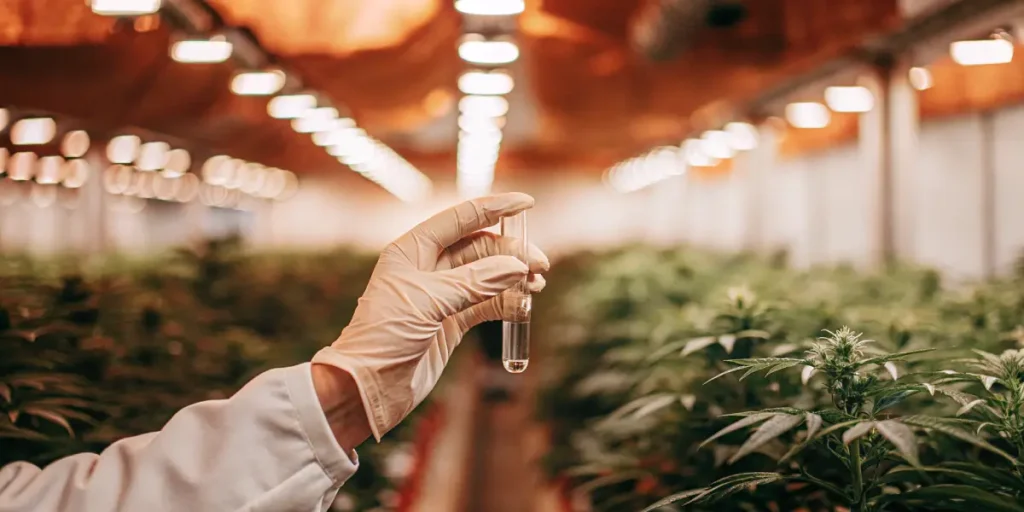
Water testing for heavy metals in cannabis cultivation systems is a critical step for both new and seasoned growers. Heavy metals such as lead, mercury, and cadmium can seep into water supplies and eventually into your cannabis plants. If unchecked, this contamination can significantly impact the health of your plants and the quality of your harvest. It’s essential to know what lurks in your water to ensure a healthy growing environment.
When growing cannabis, it’s crucial to monitor the water quality. Contaminated water can lead to poor plant health, affecting everything from growth rates to the potency of the final product. By focusing on the water supply, you can prevent heavy metals from wreaking havoc on your cannabis crops. Water testing kits for heavy metals in cannabis growing are readily available and provide a straightforward way to check for contaminants.
Recommended Strains
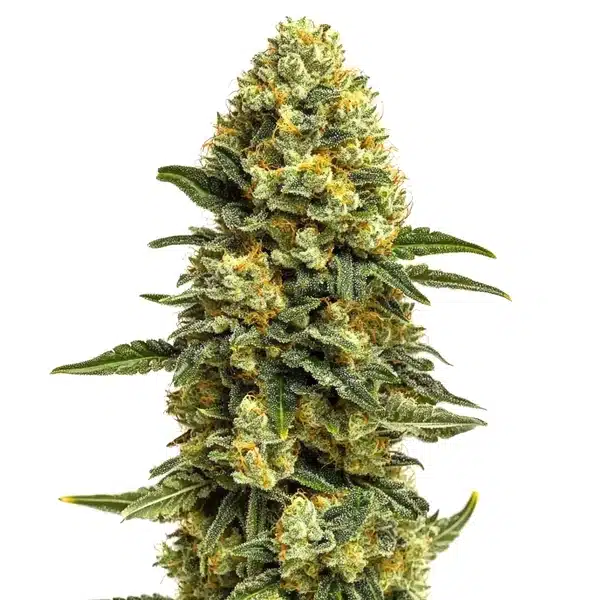
Hash Burger

|
THC | 22% - 27% (High) |

|
Type | Feminized |

|
Yield | Medium |

|
Phenotype | 50% Indica / 50% Sativa |
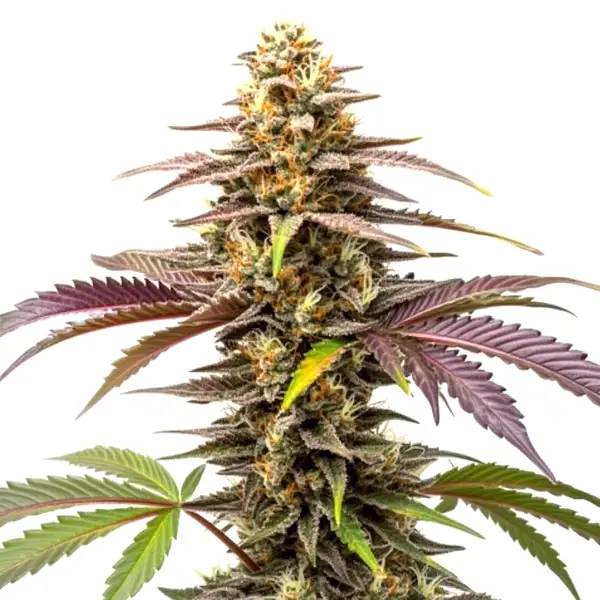
Z OG
|
|
THC | 16% - 20% (Medium) |
|
|
Type | Feminized |
|
|
Yield | High |
|
|
Phenotype | 75% Indica / 25% Sativa |
For growers interested in strains like the Z OG from Blimburn Seeds, maintaining clean water ensures that the unique terpene profile and sweet aroma are preserved. Water testing for heavy metals in cannabis cultivation systems is not just a preventive measure but an essential practice for achieving the best possible results from your grow.
Why Heavy Metal Testing Is Crucial
Heavy metal contamination in cannabis water systems is a prevalent issue that can have dire consequences. These metals can accumulate in plant tissues and ultimately in the flowers you consume. This isn’t just a quality issue; it’s about safety. Consuming cannabis with high levels of heavy metals can pose health risks to users.
Testing for heavy metals helps mitigate these risks. Regular checks ensure that your cannabis plants are growing in a safe environment. For those cultivating strains like Bruce Banner 3 from Blimburn Seeds, keeping heavy metals in check can be the difference between a successful harvest and a disappointing one. Testing methods are designed to be user-friendly, allowing growers to regularly monitor their water supplies.
The importance of water testing for heavy metals in cannabis cultivation systems cannot be overstated. By implementing best practices for water testing in cannabis cultivation, growers can safeguard plant health and ensure consumer safety. Not only does this prevent contamination, but it also allows for a more consistent and reliable final product, which is crucial for maintaining customer trust and satisfaction.
Additionally, knowing the sources and pathways of heavy metal contamination in cannabis water systems enables proactive measures to be taken. Whether using advanced filtration systems or selecting fertilizers that are free from heavy metals, growers can make informed decisions that protect their crops and enhance their overall cultivation strategy. This proactive approach not only supports plant health but also contributes to the sustainability of the growing operation.
Promos & Deals



Methods for Water Testing in Cannabis Cultivation
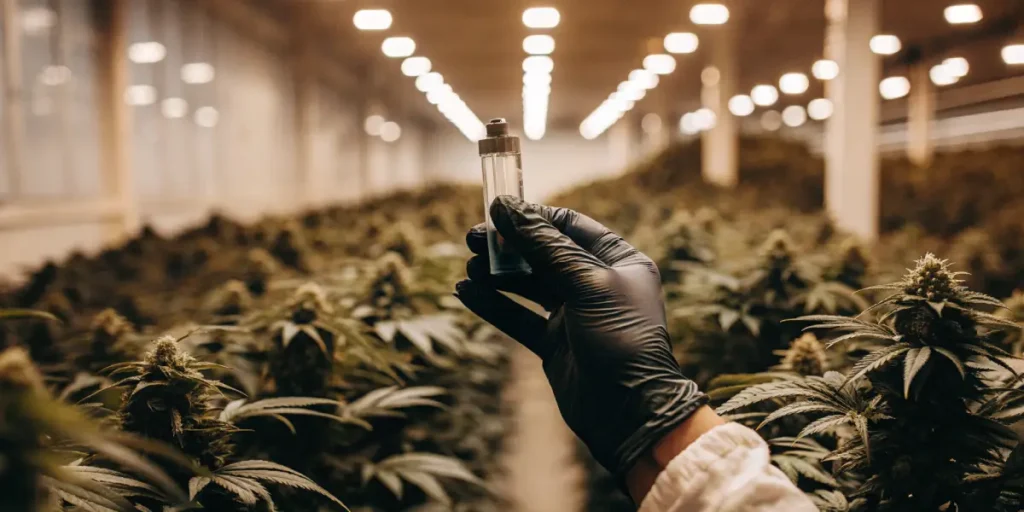
There are several cannabis cultivation water quality testing methods available, each serving different needs and budgets. Basic water testing kits can detect common heavy metals and are easy to use, making them a popular choice for home growers. These kits typically involve a simple dipstick test that provides results in minutes.
For a more detailed analysis, professional lab testing is an option. Labs can provide comprehensive reports on the presence of heavy metals and other contaminants. Although more costly, this method provides peace of mind and is recommended for larger operations where water quality is paramount. Both methods are valuable tools for ensuring clean and safe water for your cannabis plants.
Incorporating regular cannabis cultivation water quality testing methods into your routine is key to preventing potential issues. Home testing kits are an excellent starting point for those new to growing, offering a cost-effective way to get immediate feedback on water quality. However, experienced growers or those managing large-scale operations may benefit from the precision and detail that professional lab testing brings, especially for ensuring compliance with industry standards.
Choosing the right testing method depends largely on the scale of your operation and your specific goals. For cultivators focused on producing premium strains like Hash Burger from Blimburn Seeds, ensuring the highest water quality through comprehensive testing can make a significant difference in the final product. By staying informed about the latest water testing technologies and techniques, growers can continually refine their practices for optimal results.
Impact of Heavy Metals on Plant Health
Heavy metals can severely impact the health of cannabis plants. They interfere with nutrient uptake, leading to stunted growth and reduced yields. For instance, lead can compete with essential nutrients, causing deficiencies and visible damage to plants. This is particularly concerning for high-value strains like the Hash Burger from Blimburn Seeds, where quality is crucial.
The presence of heavy metals can also affect the overall resilience of cannabis plants. Plants stressed by heavy metals are more susceptible to diseases and pests, further compromising the crop. Maintaining a clean water system is vital to prevent these issues and promote vigorous plant growth.
The impact of heavy metals on cannabis plant health extends beyond just physical symptoms. Heavy metal contamination can disrupt the delicate balance of the plant’s ecosystem, affecting its ability to produce cannabinoids and terpenes optimally. This can result in a diminished aroma and flavor profile, which are critical selling points for premium strains. Regular water testing for heavy metals in cannabis cultivation systems is, therefore, a cornerstone of maintaining not only plant health but also the commercial viability of the crop.
By knowing the impact of heavy metals on cannabis plant health, growers can take targeted action to mitigate these risks. Implementing strategies such as soil amendments or using chelating agents can help plants recover from heavy metal stress. Additionally, educating cultivation teams about these impacts ensures that everyone involved in the growing process is aligned in their efforts to maintain a healthy and productive environment.
Best Practices for Water Testing in Cannabis Cultivation
Implementing best practices for water testing in cannabis cultivation can make a significant difference. Start by establishing a regular testing schedule. Whether weekly or monthly, consistency is key to catching contamination early. Documenting these results can help identify trends and potential issues over time.
Make sure to use reliable water testing kits or professional services. Quality tools yield accurate results, allowing you to take corrective action when necessary. Consider the specific needs of your grow operation, including the size and type of cannabis strains you are cultivating, to choose the most appropriate testing method.
Adopting best practices for water testing in cannabis cultivation involves not just regular testing but also a holistic approach to water management. This includes knowing the sources of your water supply and any potential contaminants that may be present. By integrating water testing with other environmental monitoring practices, such as soil testing and air quality checks, growers can develop a comprehensive picture of their cultivation environment.
To ensure the effectiveness of water testing for heavy metals in cannabis cultivation systems, growers should also stay updated on the latest industry developments and regulatory requirements. Participating in workshops or training sessions can provide new insights into advanced testing methods and technologies. This commitment to continuous learning and improvement helps maintain high standards of cultivation and aligns with industry best practices.
FAQs about water testing for heavy metals in cannabis cultivation systems
What are the common sources of heavy metals in cannabis growing systems?
Heavy metals can enter cannabis cultivation systems through various pathways. One common source is contaminated water supplies. Municipal water, wells, and even rainwater can contain traces of heavy metals due to industrial pollution or natural mineral deposits. Besides to water, soil and fertilizers can also contribute to heavy metal contamination. Certain fertilizers may contain trace amounts of metals that accumulate in the soil over time.
It is crucial for growers to be aware of these sources and take preventive measures. Regular testing and careful selection of inputs can help mitigate the introduction of heavy metals into your cultivation system. Knowing these sources allows for better management and protection of your cannabis plants.
Identifying these common sources of heavy metals is the first step in developing an effective strategy for managing contamination. For instance, growers can opt for purified water systems or rainwater collection with proper filtration to reduce the risk of waterborne metals. Similarly, selecting organic or certified heavy metal-free fertilizers can minimize soil contamination, thereby protecting plant health.
Awareness of the broader environmental context is also important. For example, proximity to industrial zones or agricultural lands known for pesticide use might increase the risk of contamination. Through thorough site assessments and ongoing monitoring, growers can adapt their cultivation practices to fit the specific challenges of their location, ensuring that heavy metal contamination in cannabis water systems is kept to a minimum.
How do heavy metals affect the quality of cannabis plants?
Heavy metals can have a profound impact on the quality of cannabis plants. They can alter the plant’s nutrient balance, leading to deficiencies that manifest as poor growth, reduced yield, and diminished potency. Plants that absorb heavy metals may also display visible signs of stress, such as leaf discoloration and wilting.
Beyond physical health, heavy metals can affect the chemical composition of cannabis. Elevated metal levels can alter cannabinoid and terpene profiles, impacting the aroma, flavor, and effect of the final product. For strains like Vice City from Blimburn Seeds, maintaining quality is paramount, making it essential to manage heavy metal exposure diligently.
The impact of heavy metals extends to the marketability of cannabis products. Consumers are increasingly aware of the safety and purity of their products, and heavy metal contamination can severely damage a brand’s reputation. By ensuring that water testing for heavy metals in cannabis cultivation systems is conducted regularly, growers can uphold product integrity and meet consumer expectations for quality and safety.
Moreover, knowing how heavy metals affect cannabis plant quality can guide breeding and cultivation practices. Selecting strains known for their resilience to environmental stressors or developing new varieties with improved resistance can be part of a long-term strategy to combat heavy metal challenges. This proactive approach not only enhances plant quality but also supports sustainable cultivation practices.
Can water testing kits detect all types of heavy metals in cannabis water systems?
Water testing kits for heavy metals in cannabis growing are designed to detect a range of common contaminants, such as lead, mercury, and cadmium. While they provide a practical solution for routine checks, they may not cover every possible heavy metal or offer detailed analysis. Some kits focus on specific metals, while others provide a broader overview.
For comprehensive testing, growers can consider professional laboratory services. Labs can offer a more detailed analysis of water samples, identifying a wider array of heavy metals and providing precise concentration levels. This is particularly beneficial for large-scale operations where water quality is a critical factor.
When choosing water testing kits for heavy metals in cannabis growing, it’s essential to evaluate the specific needs of your cultivation operation. Some kits offer fast and convenient testing, making them suitable for frequent checks, while others provide more in-depth analysis for strategic decision-making. Balancing these options ensures that you have the right tools for both immediate assessments and long-term planning.
Moreover, as technology advances, new testing kits with enhanced detection capabilities are continually being developed. Staying informed about these innovations allows growers to upgrade their water testing processes as needed, ensuring they remain at the forefront of industry standards and practices. This commitment to excellence supports both plant health and business success.
How often should water testing be conducted in cannabis cultivation?
The frequency of water testing in cannabis cultivation can vary based on several factors, including the size of the operation and the water source. As a general guideline, testing should be conducted at least once per growing cycle. For operations using municipal water or other potentially contaminated sources, more frequent testing—such as monthly or bi-monthly—may be advisable.
Establishing a regular testing schedule helps catch any changes in water quality early. This proactive approach allows growers to address contamination issues before they affect plant health and yield. Regular testing is a small investment in time and resources that can significantly benefit the overall success of the cultivation process.
Consistency in testing schedules is crucial for maintaining high standards of quality and safety. By aligning water testing with key stages of the growth cycle, such as pre-planting and pre-harvest, growers can ensure that their plants are thriving in the best possible conditions. This systematic approach to water testing for heavy metals in cannabis cultivation systems helps prevent surprises and supports optimal plant health.
For those managing multiple cultivation sites, standardizing testing procedures across locations can further enhance operational efficiency. By integrating water testing into a broader quality assurance framework, growers can streamline processes, reduce risks, and maximize the potential of their cannabis crops, regardless of the scale or complexity of the operation.
Are there any strains more susceptible to heavy metal contamination?
While all cannabis strains can be affected by heavy metal contamination, some may be more susceptible due to their specific growth characteristics and nutrient requirements. Strains with high nutrient demands or those that are particularly sensitive to environmental changes may show signs of stress more quickly when exposed to heavy metals.
Monitoring and maintaining optimal water quality is essential for all strains, but especially for high-value strains like Z OG from Blimburn Seeds. By ensuring clean water and minimal heavy metal exposure, growers can support the health and potency of their plants, regardless of the strain.
Knowing the genetic makeup and growth traits of different strains can help growers anticipate their susceptibility to heavy metal contamination. For instance, certain strains may naturally accumulate more metals due to their root structure or nutrient uptake pathways. Knowledge of these characteristics allows for tailored water management strategies that minimize risk and promote healthy plant development.
Ultimately, by integrating strain-specific knowledge with comprehensive water testing for heavy metals in cannabis cultivation systems, growers can optimize their cultivation practices. This informed approach not only safeguards plant health but also enhances the overall quality and appeal of the final product, ensuring that it meets the high standards expected by both producers and consumers alike.