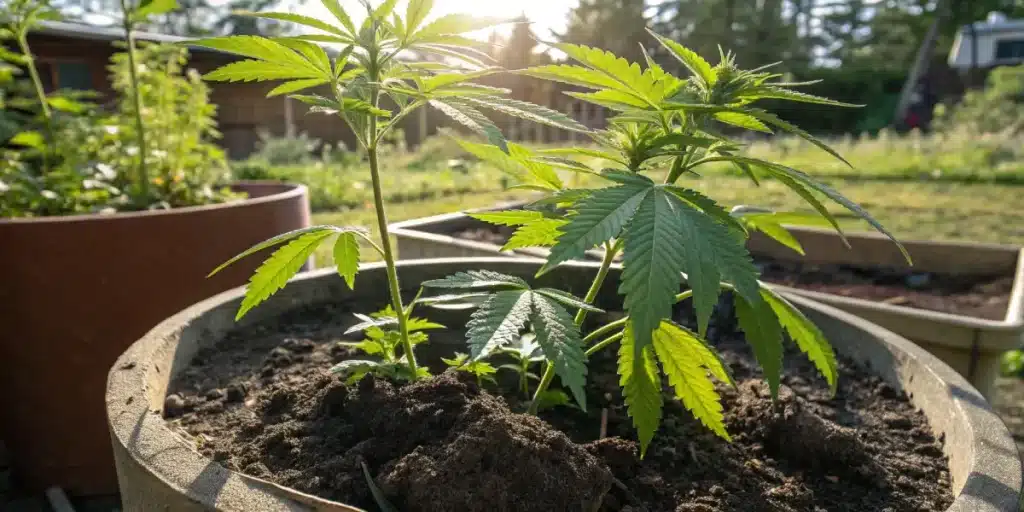
Proven Factors That Increase Heavy Metal Uptake in Cannabis

Heavy metal uptake in cannabis is a critical concern for both novice growers and seasoned cultivators. These metals can affect the quality and safety of cannabis plants, making it essential to understand what contributes to their absorption. Let’s dive into the factors that increase heavy metal uptake in cannabis and how you can manage them effectively.
Various environmental and cultivation factors play a significant role in heavy metal absorption in cannabis. From the soil you choose to the water you use for irrigation, each element can impact the levels of heavy metals in your plants. Paying attention to these details can help you grow cleaner, safer cannabis.
Recommended Strains
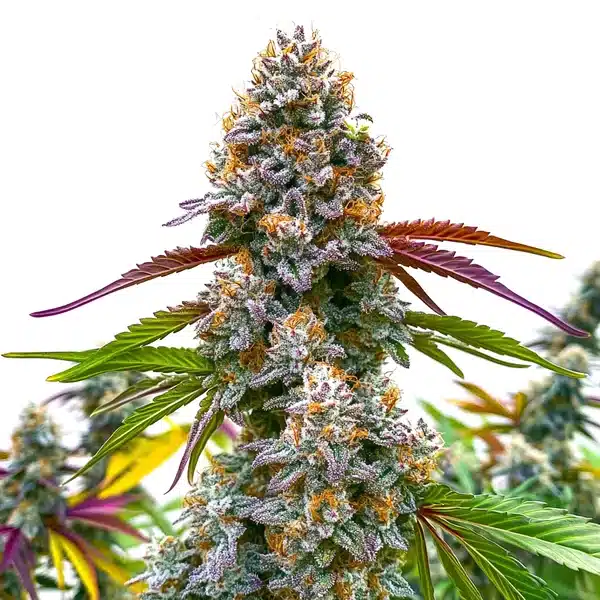
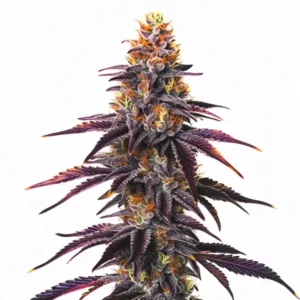
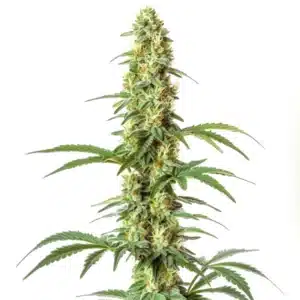
Critical Daddy Purple

|
THC | 19% (Medium) |

|
Type | Feminized |

|
Yield | High |

|
Phenotype | 50% Indica / 50% Sativa |

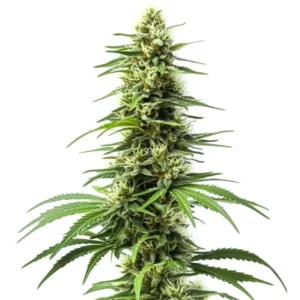
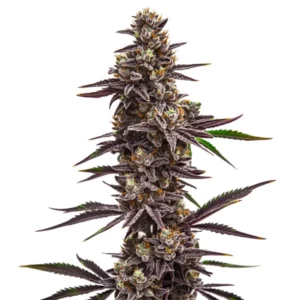
Mamba Negra
|
|
THC | 18% (Medium) |
|
|
Type | Feminized |
|
|
Yield | High |
|
|
Phenotype | 55% Indica / 45% Sativa |
When you’re cultivating cannabis, selecting the right strain can make a difference. For instance, some strains from Blimburn Seeds are better suited to resist heavy metal uptake. Knowing your strain and its characteristics can be key to managing metal levels.
Soil Composition Affecting Cannabis Heavy Metal Absorption
The soil you choose for your cannabis cultivation can significantly affect heavy metal uptake. Different soil compositions influence how much metal your plants absorb. Sandy soils, for instance, often drain quickly, potentially allowing heavy metals to pass through without being absorbed by the plant roots.
On the other hand, clay soils tend to hold onto metals more tightly, leading to higher absorption rates. If you’re using clay-rich soil, consider testing for heavy metal content regularly. Adding organic matter to your soil can also help reduce metal uptake by creating a more balanced environment for your plants.
Knowing the soil composition affecting cannabis heavy metal absorption is crucial for optimizing plant health. Soil texture, pH level, and organic content are all pivotal in determining how much metal is absorbed. Regular soil testing can guide you in making necessary amendments to decrease metal exposure.
Integrating amendments like biochar or compost can enhance soil quality and reduce heavy metal availability. These materials not only improve soil structure but also bind metals, making them less accessible to plant roots. By carefully managing soil composition, you can mitigate factors that increase heavy metal uptake in cannabis.
Cannabis Strain Differences in Heavy Metal Uptake
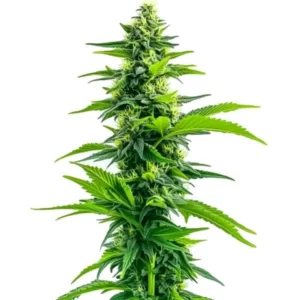
Not all cannabis strains absorb heavy metals at the same rate. Some strains are naturally more resistant to metal uptake, thanks to their genetic makeup. For example, strains like GG4 from Blimburn Seeds are known for their resilience and lower tendency to absorb heavy metals.
When choosing a strain, research its characteristics and history. Opt for those known for low metal absorption if heavy metal content is a concern for your cultivation. This choice can be a game-changer in producing cleaner cannabis.
Exploring cannabis strain differences in heavy metal uptake can lead to more informed cultivation choices. By selecting strains specifically bred for reduced metal absorption, growers can enhance the safety and quality of their harvest. Delving into the genetic traits of strains can reveal their predisposition to either absorb or resist heavy metals.
Strain selection is not only about yield and potency but also about addressing environmental challenges. Breeders are increasingly focused on developing strains with improved resistance to heavy metal uptake. Partnering with brands like Blimburn Seeds can provide access to strains that are optimized for cleaner growth.
Impact of Irrigation Water on Heavy Metal Levels in Cannabis
The water you use for irrigation can significantly impact heavy metal levels in your cannabis plants. Water from sources with high metal content can introduce these elements directly to your crops. It is crucial to test your water source regularly and treat it if necessary.
Using rainwater or purified water can help minimize heavy metal exposure. Implementing a filtration system can also be beneficial, ensuring that your irrigation water is as clean as possible. Consistent monitoring and adjustments can make a substantial difference in the quality of your cannabis.
The impact of irrigation water on heavy metal levels in cannabis cannot be overstated. Water quality directly affects the nutrients and contaminants that plants absorb. Testing water sources for contaminants like lead or cadmium can prevent these metals from accumulating in your crops.
Incorporating water treatment solutions is essential for reducing heavy metal uptake. Systems such as reverse osmosis or carbon filtration can remove impurities, ensuring that your plants receive only the cleanest water. This proactive approach is vital for managing factors that increase heavy metal uptake in cannabis.
Promos & Deals
Role of Fertilizers in Cannabis Heavy Metal Accumulation
Fertilizers are essential for cannabis growth, but they can also contribute to heavy metal accumulation. Some fertilizers contain trace amounts of metals, which can build up in your plants over time. Choosing organic or low-metal fertilizers can help reduce this risk.
Be mindful of the types and amounts of fertilizers you use. Over-fertilization can lead to increased metal uptake, so it’s important to follow recommended guidelines. Opt for fertilizers specifically designed for cannabis, as they are often formulated to minimize metal content.
Knowing the function of fertilizers in cannabis heavy metal accumulation is key to cultivating safer plants. Fertilizers enriched with micronutrients might inadvertently introduce metals into the soil. Selecting products with transparent labeling about metal content can aid in making safer choices.
Regular soil and tissue testing can help monitor the effects of fertilizers on metal accumulation. Adjusting fertilization practices based on test results ensures that you are not inadvertently contributing to heavy metal uptake. This strategic approach is crucial for managing overall plant health.
Environmental Factors Influencing Heavy Metal Uptake in Cannabis
Various environmental factors can influence heavy metal uptake in cannabis. Temperature, humidity, and air quality can all play a role. For example, high temperatures can stress plants and increase metal absorption rates.
Maintaining a stable growing environment is crucial for minimizing heavy metal uptake. Use climate control systems to regulate temperature and humidity. Ensuring good air circulation can also help reduce the risk of metal accumulation.
The influence of environmental factors on heavy metal uptake in cannabis is an area of ongoing research. Urban environments, with their higher pollution levels, often pose a greater risk of metal exposure. Careful site selection and environmental monitoring can mitigate such challenges.
Protecting your cultivation site from external pollutants involves more than just location selection. Implementing barriers, such as physical screens or hedges, can shield plants from airborne contaminants. These measures, combined with careful environmental management, can significantly reduce exposure to heavy metals.
Cannabis Strains from Blimburn Seeds to Consider
Blimburn Seeds offers several strains that are known for their resilience to heavy metal uptake. GG4, as mentioned earlier, is one such strain, offering both strength and reduced metal absorption.
Critical Daddy Purple is another strain worth considering. Known for its robust growth and adaptability, it’s a great choice for growers looking to minimize heavy metal concerns. Its genetic makeup helps it thrive in various conditions while maintaining lower metal levels.
For cultivators focusing on minimizing heavy metal uptake, exploring strains from Blimburn Seeds is a strategic move. Each strain is bred with specific traits that enhance its resilience to environmental stresses, including metal exposure. Strains like Mamba Negra offer growers the dual benefits of potency and cleaner cultivation.
Emphasizing quality and safety, Blimburn Seeds continues to develop strains that address the challenges of heavy metal uptake. Their commitment to genetic excellence ensures that growers have access to options that align with both their cultivation goals and environmental concerns. Selecting the right strain is pivotal in achieving a safer harvest.
FAQs about factors that increase heavy metal uptake in cannabis
What are the main factors that increase heavy metal uptake in cannabis?
Heavy metal uptake in cannabis is influenced by multiple factors, including soil composition, irrigation water quality, and environmental conditions. Soils rich in clay tend to hold more metals, while sandy soils may pass them through more easily. Water quality is also crucial; using contaminated water can introduce metals directly to plants.
Environmental factors such as temperature, humidity, and air quality play a role as well. High temperatures and poor air circulation can increase metal absorption rates. Keeping a stable and clean growing environment is essential for minimizing heavy metal uptake.
How can I reduce heavy metal levels in my cannabis plants?
To reduce heavy metal levels, start by choosing the right soil and water. Use soil with a balanced composition, and test your water source regularly for contaminants. Implementing filtration systems can help ensure clean irrigation water.
Opt for cannabis strains known for lower metal uptake, such as those offered by Blimburn Seeds. Additionally, using organic fertilizers and maintaining stable growing conditions can further decrease the risk of metal accumulation.
Are certain cannabis strains more prone to heavy metal absorption?
Yes, certain cannabis strains are more prone to heavy metal absorption due to their genetic makeup. Some strains naturally absorb fewer metals, making them a better choice for cleaner cultivation. Researching strain characteristics can guide you in selecting the right strain for your needs.
Strains like GG4, Critical Daddy Purple, and Mamba Negra from Blimburn Seeds are known for their reduced metal uptake. Choosing these strains can help you produce safer, higher-quality cannabis.
Does the type of fertilizer affect heavy metal uptake in cannabis?
Fertilizers can indeed affect heavy metal uptake. Some contain trace metals that can accumulate in cannabis plants, leading to higher metal levels over time. Choosing fertilizers specifically designed for cannabis, which often have reduced metal content, can mitigate this risk.
It’s important to follow recommended fertilization guidelines and avoid over-fertilizing, as this can increase metal absorption. Opting for organic fertilizers can also help maintain lower metal levels in your plants.
How do environmental factors influence heavy metal uptake in cannabis?
Environmental factors such as temperature, humidity, and air quality can significantly influence heavy metal uptake in cannabis. For instance, high temperatures can stress plants, increasing their absorption of metals. Maintaining a consistent and controlled environment is key to minimizing this risk.
Ensuring good air circulation and choosing a clean location for your grow operation can also help reduce metal exposure. Urban areas with high pollution levels may present higher risks, so opting for cleaner, rural locations can be beneficial.