Autoflower Week 10: Essential Care and Harvest Tips

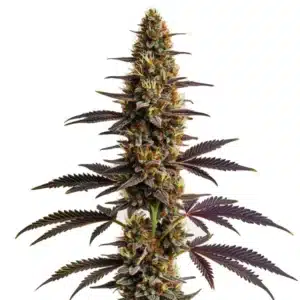
Peak Maturity in Autoflowers: By the tenth week, autoflower cannabis plants typically reach peak maturity, entering the final harvest window. Buds are expected to be dense, resinous, and heavy. Key tasks include assessing trichomes for ripeness, potentially flushing the soil, and preparing for harvest. This stage is crucial for maximizing yield and potency.
By week 10, your autoflower cannabis plants are in the final stretch, showcasing their full potential. Expect a rich bouquet of terpenes, such as myrcene and limonene, each contributing to the plant’s aroma and effects. This phase is crucial for optimizing the terpene profile, ensuring a flavorful and potent harvest.
Recommended Strains
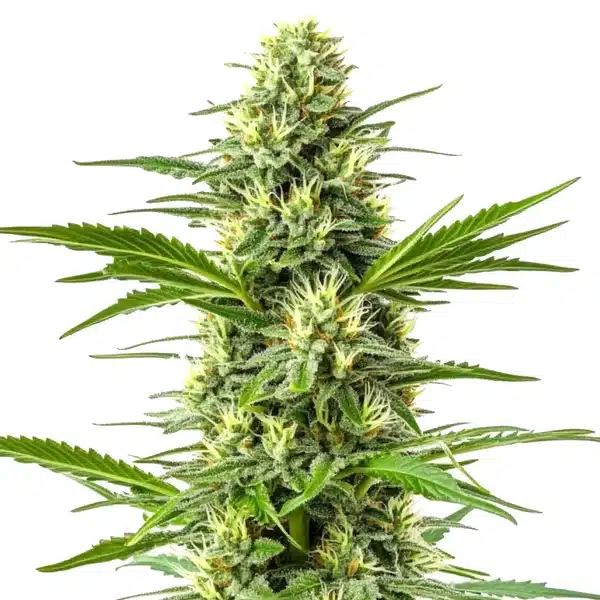
Amnesia Fast Version

|
THC | 22% - 25% (High) |

|
Type | Fast Flowering |

|
Yield | High |

|
Phenotype | 30% Indica / 70% Sativa |
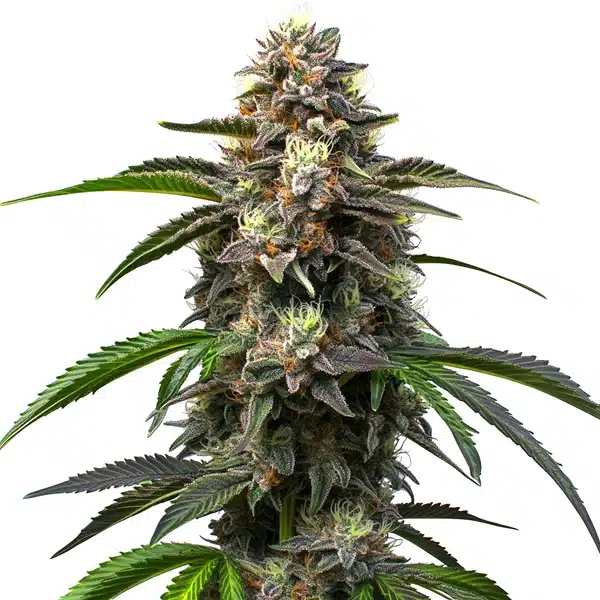
Godfather OG Auto
|
|
THC | 25% - 26% (High) |
|
|
Type | Autoflowering |
|
|
Yield | Medium |
|
|
Phenotype | 70% Indica / 30% Sativa |
What to Expect in Autoflower Week 10
Signs of Maturity and Readiness
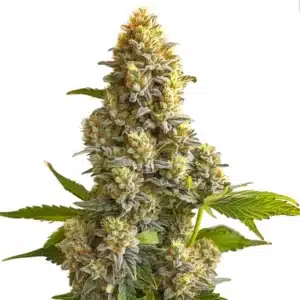
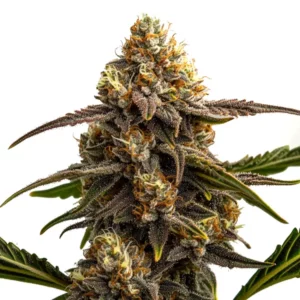
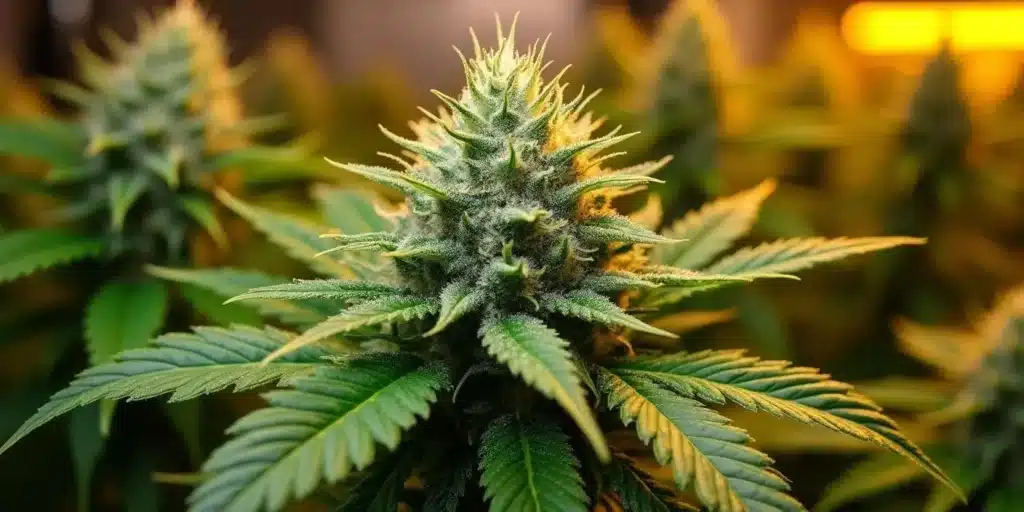
During week 10, autoflower plants exhibit significant changes as they approach maturity. Buds swell, becoming more resinous and aromatic, signaling that harvest is imminent. Trichomes transition from clear to milky white, indicating peak potency. This transformation is crucial for determining the optimal harvest time.
Trichomes, the tiny crystal-like structures on buds, are rich in cannabinoids and terpenes. As they mature, their color shifts from clear to milky white, with some growers waiting for a portion to turn amber for a more sedative effect. This color change is a key indicator of harvest readiness.
Nutritional Needs for Week 10
In week 10, nutrient requirements shift as the demand for nitrogen decreases and the need for phosphorus and potassium increases. These nutrients support robust bud development, enhancing yield and potency. A fertilizer with high phosphorus levels is recommended to promote abundant bud growth.
Monitor for signs of over-fertilization, such as yellowing tips or burnt edges on leaves. These issues can disrupt plant progress. Regularly check the pH of your feeding solution, aiming for 6.0 to 6.5 in soil setups. Proper pH levels ensure efficient nutrient absorption, crucial for plant vitality.
Promos & Deals

Optimal Care Techniques
Watering and Environmental Adjustments
Watering needs may decrease in week 10 as plants slow their growth in anticipation of harvest. Allow the top inch of soil to dry out before watering to prevent overwatering and root rot. Adjust watering frequency based on environmental conditions, such as humidity and temperature.
High humidity levels can lead to mold growth on buds, jeopardizing your harvest. Use a dehumidifier or fan to maintain airflow and manage moisture levels. Aim for a humidity range of 40-50% to prevent mold and ensure healthy bud development.
Light Management Strategies
Consistent light exposure is vital for supporting flowering and resin production. Maintain a light cycle of 18/6 (18 hours of light, 6 hours of darkness) during week 10. This consistency is crucial for maximizing yield and potency.
Consider increasing lighting intensity with LED or HPS lights. Monitor the recommended distance to prevent light burn on buds. Proper light management supports optimal resin production, enhancing the aroma and effects of your final product.
Environmental Conditions for Autoflower Week 10
During the tenth week, maintaining optimal environmental conditions is crucial. Daytime temperatures should be kept between 20°C – 25°C (68°F – 77°F) with a drop of 8°C – 11°C (15°F – 20°F) at night. This temperature fluctuation mimics natural conditions, promoting healthy plant metabolism and resin production.
CO2 levels are also important in this stage. Autoflowers benefit from CO2-rich air, which enhances photosynthesis and, consequently, bud development. Ensure your grow space is well-ventilated to support this process.
| Feature | Sour Kush | Do Si Dos | Super Lemon Haze |
|---|---|---|---|
| THC Content | 22-25% | 25-28% | 20-22% |
| Dominant Terpene | Myrcene | Limonene | Limonene |
| Yield | 1.5-1.8 oz/ft² (450-550 g/m²) | 1.8-2.2 oz/ft² (550-650 g/m²) | 1.2-1.5 oz/ft² (350-450 g/m²) |
| Flowering Time | 8-9 weeks | 9-10 weeks | 9-10 weeks |
| Effect | Relaxing | Euphoric | Uplifting |
Harvesting and Post-Harvest Processes
Preparing for Drying and Curing
After harvesting, drying and curing are critical for flavor and potency. Hang branches upside down in a dark, well-ventilated area. Maintain a temperature of 60-70°F (15-21°C) and humidity at 45-55%. This balance prevents mold and ensures even drying.
Curing begins two weeks after drying. Place dried buds in airtight containers, removing excess air daily during the first week. This process enhances flavor and smoothness, resulting in a superior smoking experience.
Choosing the Right Strain
Selecting the right strain is vital for achieving desired effects and flavors. Consider strains like Sour Kush, known for its relaxing effects and earthy aroma. Alternatively, Do Si Dos offers a euphoric high with a sweet, minty flavor.
For those seeking an uplifting experience, Super Lemon Haze delivers a citrusy punch with energizing effects. Each strain provides unique characteristics, catering to diverse preferences and enhancing the overall growing experience.
Professional Tips for Week 10
- Maintain 58-62% RH during curing. Below 55% arrests terpene development; above 65% promotes Botrytis within 48 hours. Check with a calibrated digital hygrometer, never analog.
- Use a 20/4 light schedule for autoflowers. Consistency maximizes yield and potency, while fluctuations can stress plants.
- Ensure nutrient solution pH is 6.0-6.5 in soil. Deviations impair nutrient uptake, affecting growth and bud quality.
- Flush with plain water in the final week to remove excess nutrients, enhancing flavor and smoothness.
- Harvest during cooler parts of the day to preserve terpenes and moisture, improving flavor and potency.
- Monitor trichome color closely. Aim for 70% milky white for peak potency, with some amber for a more sedative effect.
FAQs About Autoflower Week 10
What week do autoflowers fatten up?
Autoflowers typically begin to fatten up around week 8, with significant bud swelling occurring by week 10. This is when resin production peaks, and the buds become dense and heavy. Monitoring trichome development during this period is crucial for determining the optimal harvest time.
Should you remove fan leaves on autoflower?
Removing fan leaves in week 10 is generally not recommended. At this stage, plants focus energy on bud development. Removing leaves can stress the plant and potentially reduce yield. Instead, ensure proper airflow and light penetration to support healthy bud growth.
Can autoflowers take 12 weeks?
While most autoflowers are ready by week 10, some strains may take up to 12 weeks to fully mature. This extended period allows for additional bud development and resin production. Always assess trichome color and plant health to determine the best harvest time.
What week do autoflowers start to smell?
Autoflowers typically start to emit noticeable aromas around week 4, with the scent intensifying as flowering progresses. By week 10, the aroma is at its peak, reflecting the strain’s terpene profile. Proper ventilation and odor control are essential to manage strong scents.
How to maximize resin production in autoflowers?
Maximize resin production by ensuring optimal light exposure, nutrient balance, and environmental conditions. Maintain a consistent light schedule and monitor nutrient levels closely. Adequate airflow and humidity control also contribute to increased resin and terpene development.