Cannabis AW Acceptance Criteria for Incoming and Finished Goods

Key Compliance Factor: Cannabis AW acceptance criteria (incoming and finished goods) are crucial for maintaining product quality and adhering to regulations. These criteria emphasize water activity (AW), a critical factor affecting stability and safety. In Ohio, compliance with specific regulations, such as those in Ohio Senate Bill 56, is mandatory to uphold quality standards and ensure consumer safety.
Water activity (AW) in cannabis plays a pivotal role in preserving terpenes and cannabinoids, impacting both aroma and potency. With Ohio’s stringent cannabis regulations, mastering AW is essential for compliance. While GG4 is known for its high resin production, maintaining proper AW ensures its quality and safety. Let’s dive into the specifics of AW criteria.
Recommended Strains
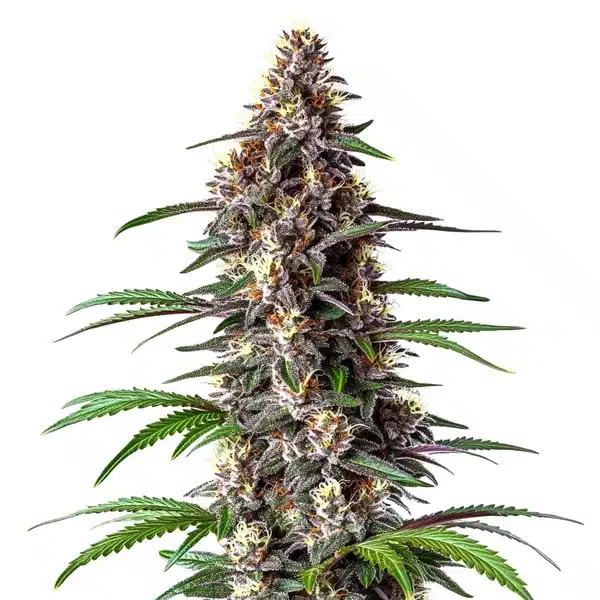
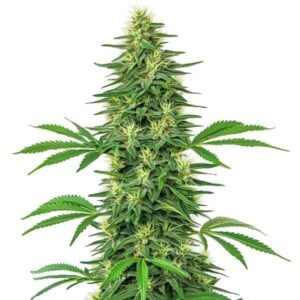
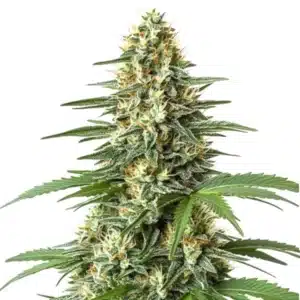
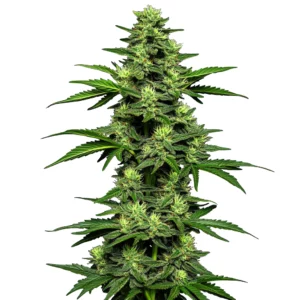
Critical Purple Auto

|
THC | 20% - 24% (High) |

|
Type | Autoflowering |

|
Yield | Medium |

|
Phenotype | 80% Indica / 20% Sativa |

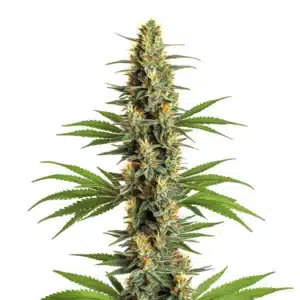
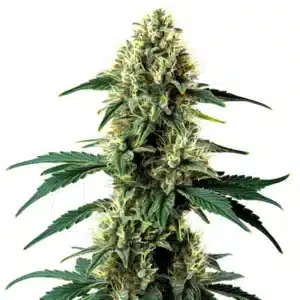
Durban Poison Autoflower
|
|
THC | 21% - 25% (High) |
|
|
Type | Autoflowering |
|
|
Yield | Low |
|
|
Phenotype | 20% Indica / 80% Sativa |
Cannabis AW Acceptance Criteria
What is Water Activity (AW) in Cannabis?
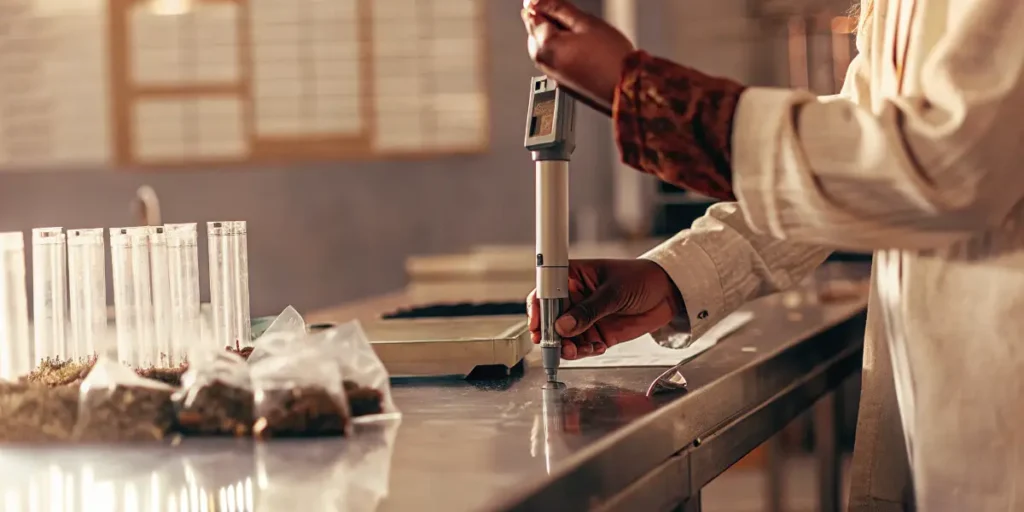
Water activity (AW) measures the free moisture in cannabis, influencing microbial growth and shelf life. It is a critical parameter, with ideal AW levels ranging from 0.55 to 0.65. This range helps prevent mold and bacterial growth, ensuring product safety and supporting cannabis AW acceptance criteria (incoming and finished goods). AW is distinct from moisture content, focusing on the water available for microbial activity rather than total water content.
Experienced growers report that maintaining AW within 0.55-0.65 is essential for preserving terpenes and cannabinoids. Terpenes like Myrcene, which enhances THC uptake, are sensitive to AW fluctuations. High AW can lead to terpene degradation, reducing the strain’s aroma and therapeutic effects. Therefore, monitoring AW is crucial for quality assurance.
Acceptance Criteria for Incoming and Finished Goods
Understanding cannabis law acceptance criteria for incoming and finished goods is essential for compliance. These criteria ensure that products meet safety and quality standards before entering the market. In Ohio, these standards are particularly stringent, with regulations outlined in Ohio Senate Bill 56. Businesses must adhere to these criteria to avoid penalties and ensure consumer safety.
Ohio cannabis laws play a crucial role in determining the acceptance criteria for both incoming and finished goods. With the upcoming Ohio marijuana law 2025, businesses need to adapt their acceptance criteria. Staying updated with Ohio cannabis news is vital for compliance, as regulations can change rapidly, impacting business operations.
Promos & Deals
Criteria for Incoming Cannabis Goods
Key Factors in Evaluating Incoming Products
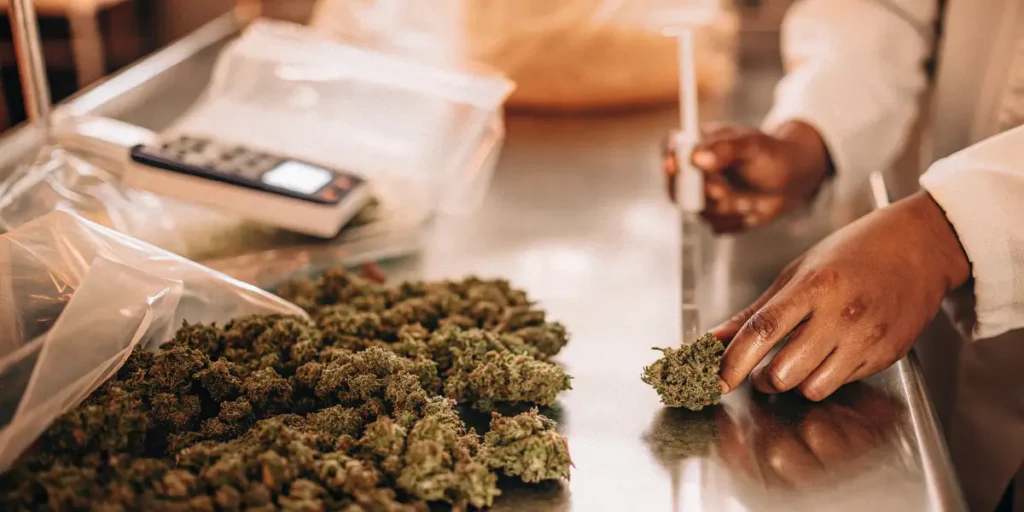
When evaluating incoming cannabis products, several factors are considered to ensure they meet quality standards. These include water activity, potency, and microbial contamination levels. Products must have AW levels between 0.55 and 0.65, THC content within legal limits, and minimal microbial presence. These cannabis AW acceptance criteria (incoming and finished goods) help maintain product safety and efficacy.
Ohio cannabis laws require that discrepancies in product quality be reported to the commission within a specified number of hours to maintain compliance. This ensures that any issues are addressed promptly, protecting consumers and maintaining industry integrity. Regular testing and monitoring are essential for meeting these criteria.
Ensuring Quality in Finished Products
Finished cannabis products must meet stringent quality standards before reaching consumers. This includes maintaining AW levels, ensuring accurate labeling, and meeting potency requirements. Products with AW levels outside the 0.55-0.65 range may face rejection due to potential safety concerns.
Are edibles legal in Ohio? Yes, but they must meet specific acceptance criteria, including AW levels and potency limits. Ensuring these standards are met is crucial for product safety and consumer trust. Regular audits and quality checks help maintain compliance and uphold product integrity.
| Feature / Merkmal | Critical Purple Auto | Alien OG | Durban Poison Autoflower |
|---|---|---|---|
| THC Content | 20-24% | 22-28% | 21-25% |
| Dominant Terpene | Myrcene | Limonene | Terpinolene |
| AW Range | 0.55-0.65 | 0.55-0.65 | 0.55-0.65 |
| Effect Profile | Creative, Energetic, Uplifted | Calming, Happy, Relaxed | Euphoric, Happy, Tingly |
| Legal Status | Legal in Ohio | Legal in Ohio | Legal in Ohio |
Regulatory Insights and Compliance
Ohio Cannabis Laws and Regulations
Ohio cannabis laws play a crucial role in determining the acceptance criteria for both incoming and finished goods. With the upcoming Ohio marijuana law 2025, businesses need to adapt their acceptance criteria to comply with new regulations. Ohio Senate Bill 56 outlines important criteria for cannabis acceptance, ensuring products meet safety and quality standards.
Stay updated with Ohio cannabis news to ensure your business meets the latest acceptance criteria. While edibles are legal in Ohio, they must meet specific acceptance criteria, including AW levels and potency limits. Compliance with these regulations is essential for maintaining product quality and consumer safety.
Reporting Discrepancies and Compliance
Discrepancies in cannabis product quality must be reported to the commission within a specified number of hours to maintain compliance. This requirement ensures that any issues are addressed promptly, protecting consumers and maintaining industry integrity. Regular audits and quality checks are essential for identifying and addressing discrepancies.
Ohio cannabis laws require businesses to report discrepancies within a specific timeframe to avoid penalties. This ensures that any issues are resolved quickly, maintaining product safety and consumer trust. Compliance with these regulations is crucial for business success in the Ohio cannabis market.
Professional Tips for Cannabis AW Compliance
- Maintain AW levels between 0.55-0.65 to prevent mold and preserve terpenes. High AW can lead to microbial growth within 48 hours.
- Regularly calibrate hygrometers to ensure accurate AW readings. Inaccurate readings can lead to non-compliance and product rejection.
- Stay informed about Ohio Senate Bill 56 to ensure your products meet legal acceptance criteria.
- Implement regular quality checks to identify discrepancies early and report them within the required timeframe.
- Ensure edibles meet specific AW and potency criteria to comply with Ohio’s regulations.
- Adapt your acceptance criteria to align with the upcoming Ohio marijuana law 2025 changes.
FAQs about cannabis aw acceptance criteria (incoming and finished goods)
What must applicants provide to be considered for a business in the Massachusetts cannabis industry?
Applicants must provide a detailed business plan, proof of financial stability, and compliance with local zoning laws. Additionally, a comprehensive security plan and evidence of community engagement are required. Meeting these criteria is crucial for obtaining a license in Massachusetts, where regulations are stringent.
What disqualifies you from getting a med card?
Disqualifications for a medical cannabis card include having a felony drug conviction or failing to meet the state’s residency requirements. Additionally, individuals under 18 without parental consent or those not diagnosed with a qualifying condition may be disqualified. Each state has specific criteria for eligibility.
What is OAC 3796 3 2 02?
OAC 3796 3 2 02 is an Ohio Administrative Code section outlining standards for cannabis testing laboratories. It specifies testing procedures, equipment calibration, and quality control measures. Compliance with this code ensures accurate product testing, a critical component of maintaining product safety and consumer trust.
What are the rules for cannabis packaging in Florida?
Florida requires cannabis packaging to be child-resistant, opaque, and tamper-evident. Labels must include THC content, batch number, and a warning statement. Packaging must also comply with environmental regulations, ensuring sustainability. These rules are designed to protect consumers and ensure product integrity.
How does OAC 3796 3 2 02 impact cannabis acceptance criteria?
OAC 3796 3 2 02 impacts cannabis acceptance criteria by setting stringent testing standards for potency, contaminants, and microbial presence. Laboratories must adhere to these standards to ensure product safety and compliance. Accurate testing is essential for maintaining consumer trust and meeting regulatory requirements.