Ensuring Batch-to-Batch Consistency Using AW Measurements in Cannabis

Water Activity in Cannabis: Ensuring batch-to-batch consistency using AW measurements cannabis is essential for maintaining quality and compliance. Water activity (AW) is a key factor influencing the shelf life and safety of cannabis products. Maintaining an AW level between 0.55 and 0.65 can significantly reduce microbial growth, ensuring a consistent and safe product.
In cannabis cultivation, terpene profiles and flowering times are crucial for product differentiation. Terpenes like Myrcene and Limonene not only influence aroma but also interact with cannabinoids to enhance effects. Flowering time, often ranging from 8 to 10 weeks, impacts yield and potency. These factors, alongside AW measurements, ensure product consistency and quality.
Recommended Strains
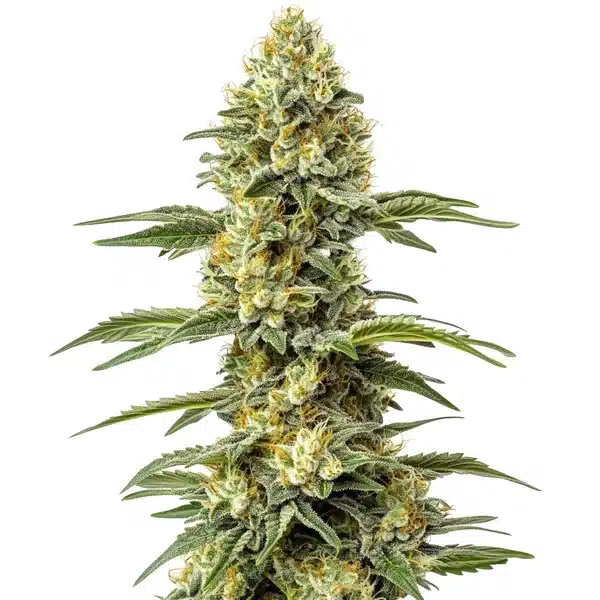
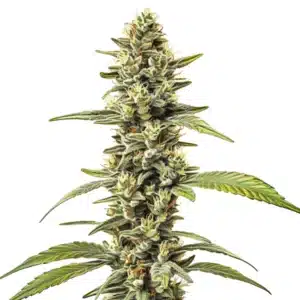
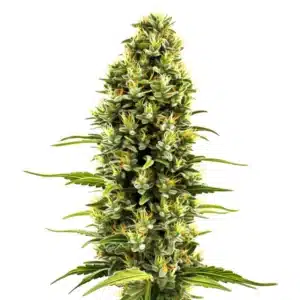
Amnesia Lemon Regular

|
THC | 18% - 22% (Medium) |

|
Type | Regular |

|
Yield | High |

|
Phenotype | 30% Indica / 70% Sativa |
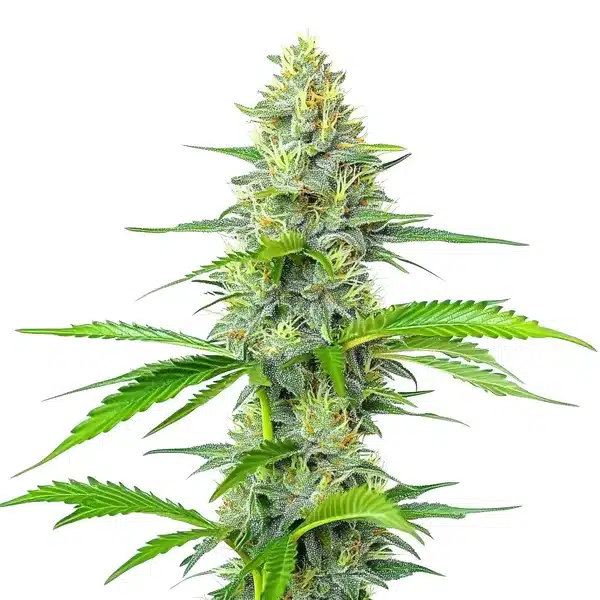
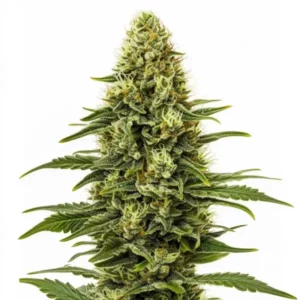
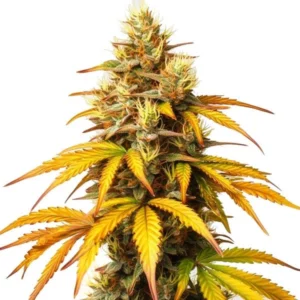
Blueberry x White Widow
|
|
THC | 22% - 27% (High) |
|
|
Type | Feminized |
|
|
Yield | High |
|
|
Phenotype | 60% Indica / 40% Sativa |
Water Activity in Cannabis
What is Water Activity?
Water activity (AW) measures the free water in cannabis, affecting microbial growth. Unlike moisture content, which is the total water in the product, AW indicates how much water is available for microbial activity. This measurement is crucial in cannabis, as AW levels below 0.65 inhibit mold and bacterial growth, ensuring product safety and supporting batch-to-batch consistency using AW measurements cannabis producers rely on for quality control.
Experienced growers report that maintaining AW between 0.55 and 0.65 is optimal for preserving cannabis quality. At this range, the risk of microbial spoilage is minimized, while the product retains its potency and flavor. This balance is vital for ensuring long-term storage stability and consumer safety.
Importance of Water Activity in Cannabis
AW impacts not only safety but also the shelf life of cannabis. Products with high AW levels can deteriorate quickly, leading to loss of cannabinoids and terpenes. By controlling AW, producers can extend shelf life, maintain potency, and ensure a consistent consumer experience across batches.
Master growers have pointed out that AW control is a critical step in cannabis processing. It ensures that the product remains within regulatory standards, such as those set by OCM regulations, which mandate specific safety and quality criteria for cannabis products.
Promos & Deals
Batch-to-Batch Consistency Using AW Measurements
Techniques for Measuring AW
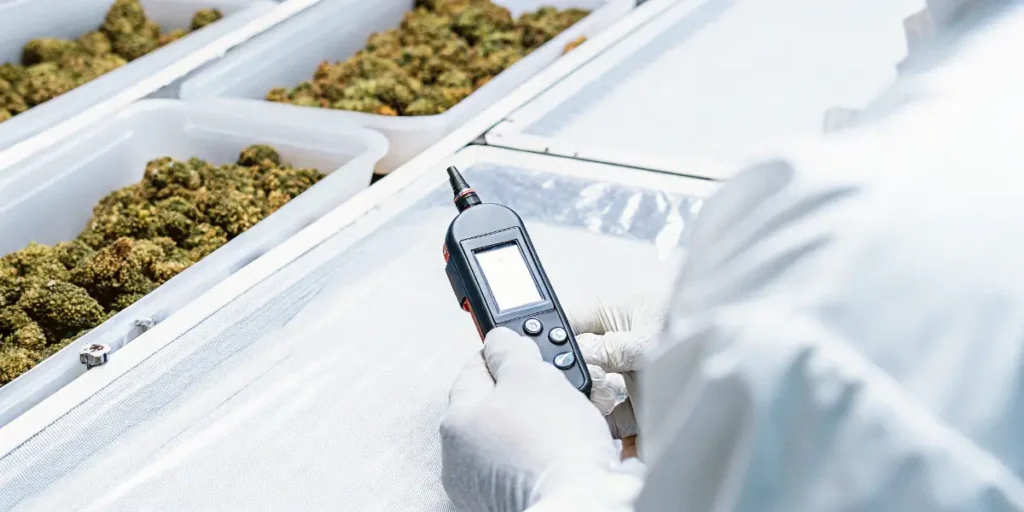
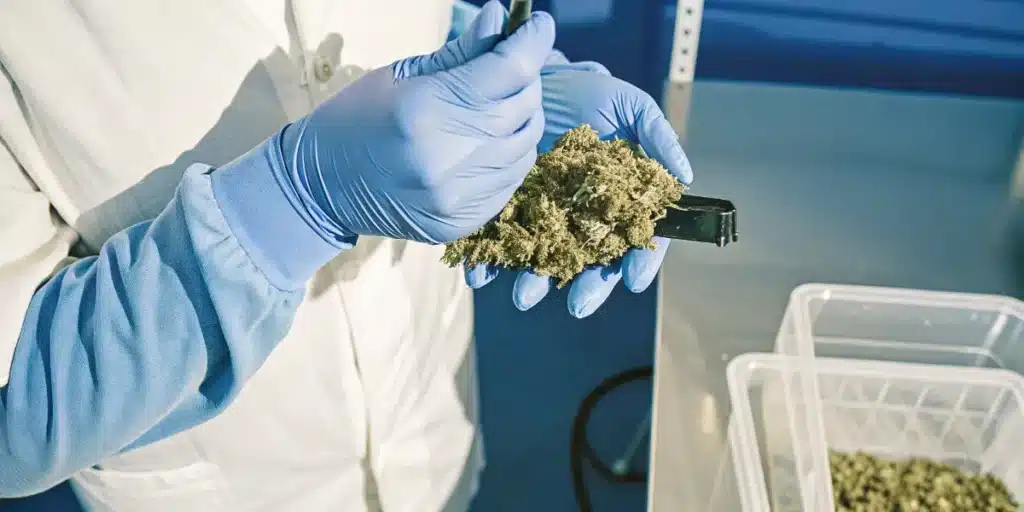
Measuring AW requires precise instruments like a water activity meter. These devices provide accurate readings, ensuring that cannabis batches meet safety standards. Calibration and maintenance of these meters are essential to obtain reliable data, which directly impacts product quality and helps achieve batch-to-batch consistency using AW measurements cannabis.
Many cultivators share that using a water activity meter is a straightforward process. The cannabis sample is placed in the device, and within minutes, the AW level is displayed. This quick and accurate measurement allows producers to make necessary adjustments in real-time, ensuring batch consistency.
Implementing AW Measurements in Production
Integrating AW measurements into production involves setting up protocols for regular testing. This ensures that each batch meets the desired AW levels, reducing variability and enhancing product reliability. Consistent AW levels help maintain the intended effects and flavors of cannabis products.
Growers often communicate that AW measurements should be part of the quality control process. By monitoring AW at different production stages, from drying to packaging, producers can ensure that their products remain within the optimal range, thus preventing quality degradation.
| Feature / Merkmal | GG4 | Amnesia Lemon Regular | Blueberry X White Widow |
|---|---|---|---|
| THC % | 27% | 18-22% | 22-27% |
| Dominant Terpene | Humulene | Terpinolene | Myrcene |
| AW Range | 0.55-0.60 | 0.60-0.65 | 0.58-0.63 |
| Flavor Profile | Fruity, Pine, Spicy | Citrus, Earthy, Lemon, Skunk | Berry, Fruity, Sweet |
| Effects | Happy, Relaxed, Talkative | Focused, Happy, Relaxed | Calming, Happy, Relaxed |
OCM Regulations and Compliance
How OCM Regulations Affect Cannabis Production
OCM regulations set stringent standards for cannabis production, including AW levels. These regulations ensure that products are safe for consumption and meet quality benchmarks. Compliance with OCM standards is crucial for producers to avoid legal issues and maintain consumer trust.
Producers must regularly test their products to ensure they meet OCM requirements. This includes maintaining AW levels within the specified range, which helps prevent microbial contamination and ensures product safety. Non-compliance can lead to penalties and product recalls.
Choosing the Right Water Activity Meter
Features to Look for in a Water Activity Meter
When selecting a water activity meter, accuracy and reliability are paramount. Look for meters with a precision of ±0.003 AW and a measurement range of 0.03 to 1.00 AW. These features ensure that you get precise readings, which are critical for maintaining batch consistency.
Many cultivators recommend meters that offer quick measurement times, ideally under 5 minutes, and those that are easy to calibrate. These features streamline the testing process, allowing for efficient quality control in cannabis production.
Professional Tips for Cannabis Consistency
- Maintain 58-62% RH during curing to preserve terpenes and prevent mold. Use a digital hygrometer for accurate readings.
- Ensure AW levels remain between 0.55 and 0.65 to inhibit microbial growth and extend shelf life.
- Regularly calibrate your water activity meter to maintain measurement accuracy and reliability.
- Monitor AW levels at different production stages to ensure consistent product quality.
- Stay updated with OCM regulations to ensure compliance and avoid potential penalties.
- Choose water activity meters with quick measurement times to streamline the quality control process.
FAQs about batch-to-batch consistency using aw measurements cannabis
What is the 60-60 rule for drying cannabis?
The 60-60 rule involves drying cannabis at 60% relative humidity and 60°F (15.5°C) to preserve terpenes and cannabinoids. This method helps prevent mold and maintains potency. Drying under these conditions typically takes 10-14 days, ensuring the cannabis retains its quality and aroma.
Is 1/4 oz an 8th?
No, 1/4 oz is not an eighth. An eighth refers to 1/8 of an ounce, which equals 3.5 grams. In contrast, 1/4 oz is double that amount, equaling approximately 7 grams. Understanding these measurements is crucial for accurately dosing and purchasing cannabis.
What is a 1 1 ratio for cannabis?
A 1:1 ratio in cannabis refers to equal parts THC and CBD. This balance provides therapeutic effects with reduced psychoactivity, making it ideal for medical users seeking relief without intense euphoria. Products with a 1:1 ratio often contain around 10-15% of each cannabinoid.
Do buds get more dense as they cure?
Yes, cannabis buds can become denser during curing. The process involves removing moisture, which compacts the buds and enhances their potency and flavor. Proper curing at 58-62% RH over 2-4 weeks results in denser, more aromatic buds.
How does water activity affect cannabis shelf life?
Water activity directly impacts cannabis shelf life. Low AW levels, between 0.55 and 0.65, inhibit microbial growth, preserving cannabinoids and terpenes. This range extends shelf life, ensuring the product remains potent and flavorful for up to 12 months when stored properly.