Water Activity Documentation for Cannabis Compliance

Water activity documentation for cannabis compliance: Proper documentation of water activity is essential for meeting cannabis compliance standards and ensuring product safety. Utilizing accurate water activity meters and knowing regulatory frameworks, such as the Cannabis General Order and State Water Board Water Rights, are crucial. Maintaining water activity below 0.65 aw is vital to prevent microbial growth, ensuring quality and compliance.
In the world of cannabis cultivation, terpenes play a pivotal role in defining the aroma and effects of the final product. Maintaining optimal flowering time, typically around 8-9 weeks, is crucial for terpene development. This ensures that the cannabis retains its unique flavor profile and potency, providing consumers with the desired experience.
Recommended Strains

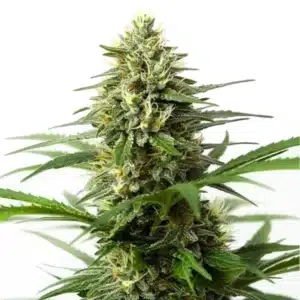
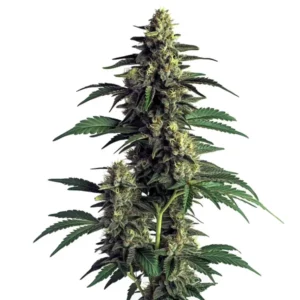
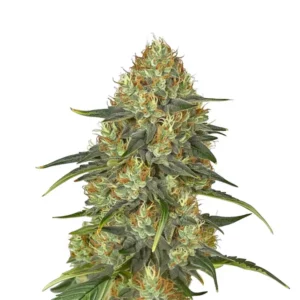
Jungle Lava

|
THC | 25% - 27% (High) |

|
Type | Feminized |

|
Yield | High |

|
Phenotype | 70% Indica / 30% Sativa |

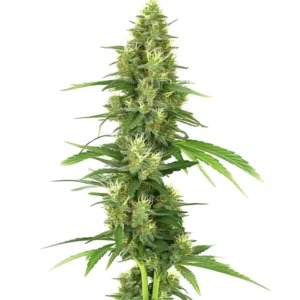
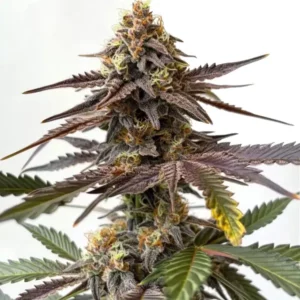
Mango
|
|
THC | 20% - 22% (Medium) |
|
|
Type | Feminized |
|
|
Yield | High |
|
|
Phenotype | 70% Indica / 30% Sativa |
Water Activity in Cannabis Compliance
What is Water Activity?
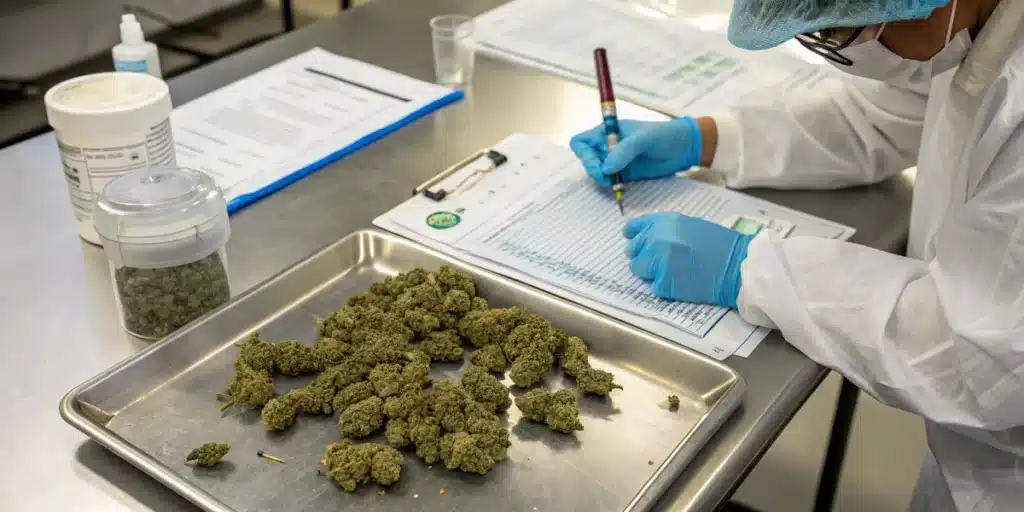
Water activity, denoted as aw, measures the free moisture in a product, crucial for determining its stability and shelf life. In cannabis, maintaining a water activity level below 0.65 aw is essential to inhibit microbial growth, which can compromise product safety and quality. This metric is distinct from moisture content, focusing on the water available for microbial use. Proper water activity documentation for cannabis compliance helps producers demonstrate adherence to safety standards and quality control requirements.
Experienced growers emphasize the importance of maintaining precise water activity levels. For cannabis, levels between 0.55 and 0.65 aw are ideal, as they prevent mold while preserving terpenes. This balance ensures the product remains safe for consumption and retains its aromatic and therapeutic properties.
Importance of Water Activity Documentation
Documenting water activity is a critical component of cannabis compliance, ensuring products meet safety standards. Accurate records demonstrate adherence to regulations, protecting both consumers and businesses. Compliance documentation often involves regular testing and calibration of water activity measurement instruments to guarantee precision.
Many cultivators share that consistent documentation helps identify trends and potential issues in production. By tracking water activity, growers can adjust environmental conditions to optimize product quality, ensuring a safe and compliant final product.
Promos & Deals

Tools and Instruments for Measuring Water Activity
Choosing the Right Water Activity Meter
When selecting a water activity meter, it’s crucial to consider factors such as accuracy, ease of use, and calibration capabilities. High-quality meters provide precise readings, essential for maintaining compliance and ensuring product safety. Look for devices that offer a range of 0.00 to 1.00 aw for comprehensive measurement.
Various water activity measurement instruments are available, each with unique features. Digital meters with automatic temperature compensation are preferred for their accuracy. Ensure the chosen device is regularly calibrated to maintain its precision, as even minor deviations can impact compliance.
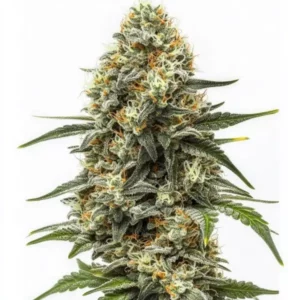
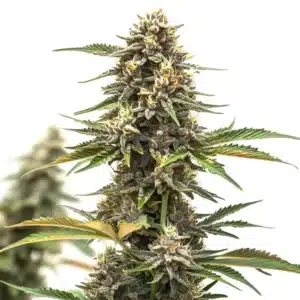
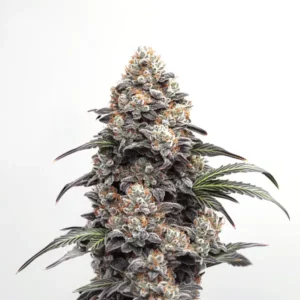
| Feature / Merkmal | Mango | Northern Lights X Big Bud Auto | Jungle Lava |
|---|---|---|---|
| THC Content | 20-22% | 18-22% | 25-27% |
| Dominant Terpene | Myrcene | Caryophyllene | Caryophyllene |
| Flavor Profile | Mango, Sweet, Tropical | Pine, Spicy, Hashish, Incense, Musk, Earthy | Citrus, Earthy, Fruity, Sweet |
| Effect | Calming, Relaxed, Sleepy | Relaxed, Powerful, Sedative | Happy, Hungry, Relaxed |
| Yield Indoor | 1.31 – 1.64 oz/ft² | 400 – 500 g/m² | 1.97 oz/ft² | 600 g/m² | 1.47 – 1.8 oz/ft² | 450 – 550 g/m² |
Regulatory Framework and Cannabis Compliance
Cannabis General Order and Cultivation Policy
The cannabis general order outlines specific requirements for water use and discharge, ensuring environmental protection. Compliance with these regulations is crucial for legal cultivation, as violations can result in significant penalties. Adhering to the cannabis cultivation policy ensures that operations meet state and federal standards.
Participating in a cannabis cultivation program requires knowing these regulations and implementing practices that minimize environmental impact. This includes managing water usage and ensuring that effluent discharge meets quality standards, protecting local ecosystems and maintaining compliance.
Integrating State Water Board Water Rights
State Water Board Water Rights play a crucial role in managing water resources for cannabis cultivation. Knowing cannabis priority watersheds is essential for compliance, as these areas are subject to specific regulations to protect water quality. The State Waterboard Online Cannabis Water Quality Monitoring Reporting Program provides tools for tracking compliance.
Growers must navigate these regulations carefully, ensuring that water use aligns with legal requirements. This involves regular monitoring and reporting, as well as implementing conservation practices to reduce water usage and protect local water resources.
Best Practices for Documenting Water Activity
Integrating State Water Board Water Rights
Integrating State Water Board Water Rights into your compliance strategy involves knowing the specific regulations that apply to your area. This includes knowing the limits on water usage and the requirements for reporting and monitoring. Regular documentation and adherence to these guidelines are essential for maintaining compliance.
The State Waterboard Online Cannabis Water Quality Monitoring Reporting Program provides resources for growers to track and report their water usage. Utilizing these tools can help ensure that your operations remain compliant and environmentally responsible, protecting both your business and local ecosystems.
Professional Tips for Cannabis Compliance
- Maintain 58-62% RH during curing to preserve terpenes and prevent mold. Use a digital hygrometer for accurate readings.
- Ensure water activity stays below 0.65 aw to prevent microbial growth. Regularly calibrate your water activity meter for precision.
- Monitor water usage to comply with State Water Board Water Rights. Implement conservation practices to reduce impact.
- Adhere to the cannabis general order by managing effluent discharge quality. Regular testing prevents regulatory violations.
- Participate in cannabis cultivation programs to stay updated on compliance requirements and best practices.
- Utilize the State Waterboard Online Cannabis Water Quality Monitoring Reporting Program for accurate reporting and compliance tracking.
FAQs about water activity documentation for cannabis compliance
How is water activity measured in cannabis compliance?
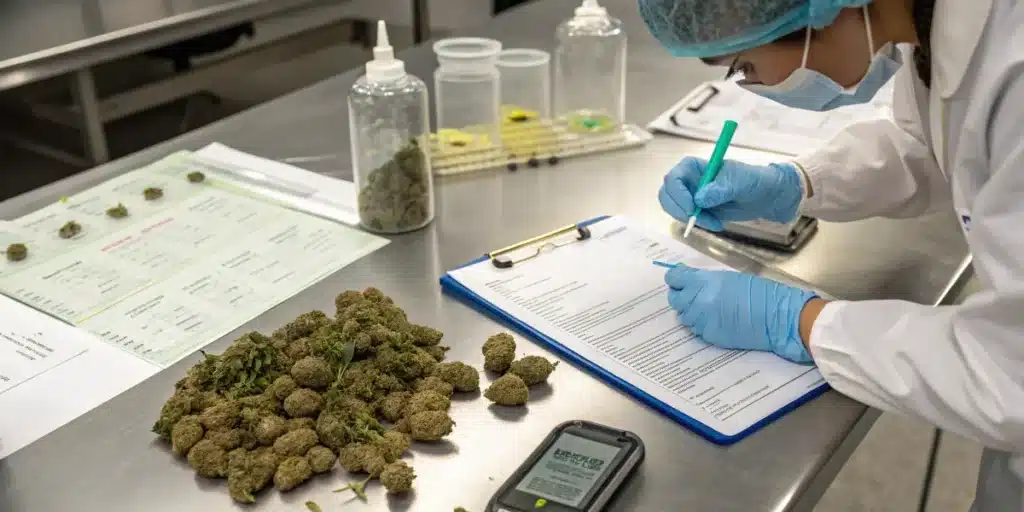
Water activity in cannabis is measured using a water activity meter, which determines the free moisture in the product. Maintaining levels below 0.65 aw is critical to prevent microbial growth. Regular calibration of the meter ensures accurate readings, essential for compliance with safety standards.
What role does water EC play in cannabis cultivation?
Electrical conductivity (EC) measures the nutrient concentration in water, crucial for plant health. Optimal EC levels range from 1.2 to 2.0 mS/cm, depending on the growth stage. Maintaining correct EC ensures nutrient uptake, preventing deficiencies or toxicities, which can affect yield and quality.
How will California’s 2026 cannabis laws affect compliance?
California’s 2026 cannabis laws will introduce stricter environmental regulations, impacting water usage and waste management. Compliance will require updated documentation and adherence to new standards. Growers must stay informed to avoid penalties and ensure sustainable practices.
What are the key components of cannabis compliance and administration?
Cannabis compliance involves adhering to regulations on water usage, waste management, and product safety. Key components include accurate documentation, regular testing, and adherence to state and federal guidelines. Effective administration ensures operations remain legal and environmentally responsible.
What makes water activity documentation crucial in cannabis?
Water activity documentation is crucial for ensuring product safety and compliance with regulations. It helps prevent microbial growth by maintaining levels below 0.65 aw. Accurate records demonstrate adherence to safety standards, protecting both consumers and businesses from potential health risks.